Showa Memorial Park
If you’re looking for one of the best places in Tokyo to photograph flowers, Showa Memorial Park might just be your answer. Praised on Japanese social media, the sprawling grounds in Tachikawa are a paradise for nature photographers and anyone needing a peaceful escape from the city.
Opened in 1983 to celebrate the 50th anniversary of Emperor Showa’s reign, the seasonal flowers and picturesque gardens make it a must-visit for any camera enthusiast.
Explore the park
At over 180 hectares, Showa Memorial Park is significantly larger than Shinjuku Gyoen. Its size necessitated its location in the suburban city of Tachikawa. You could easily spend an entire day here and still not see everything.
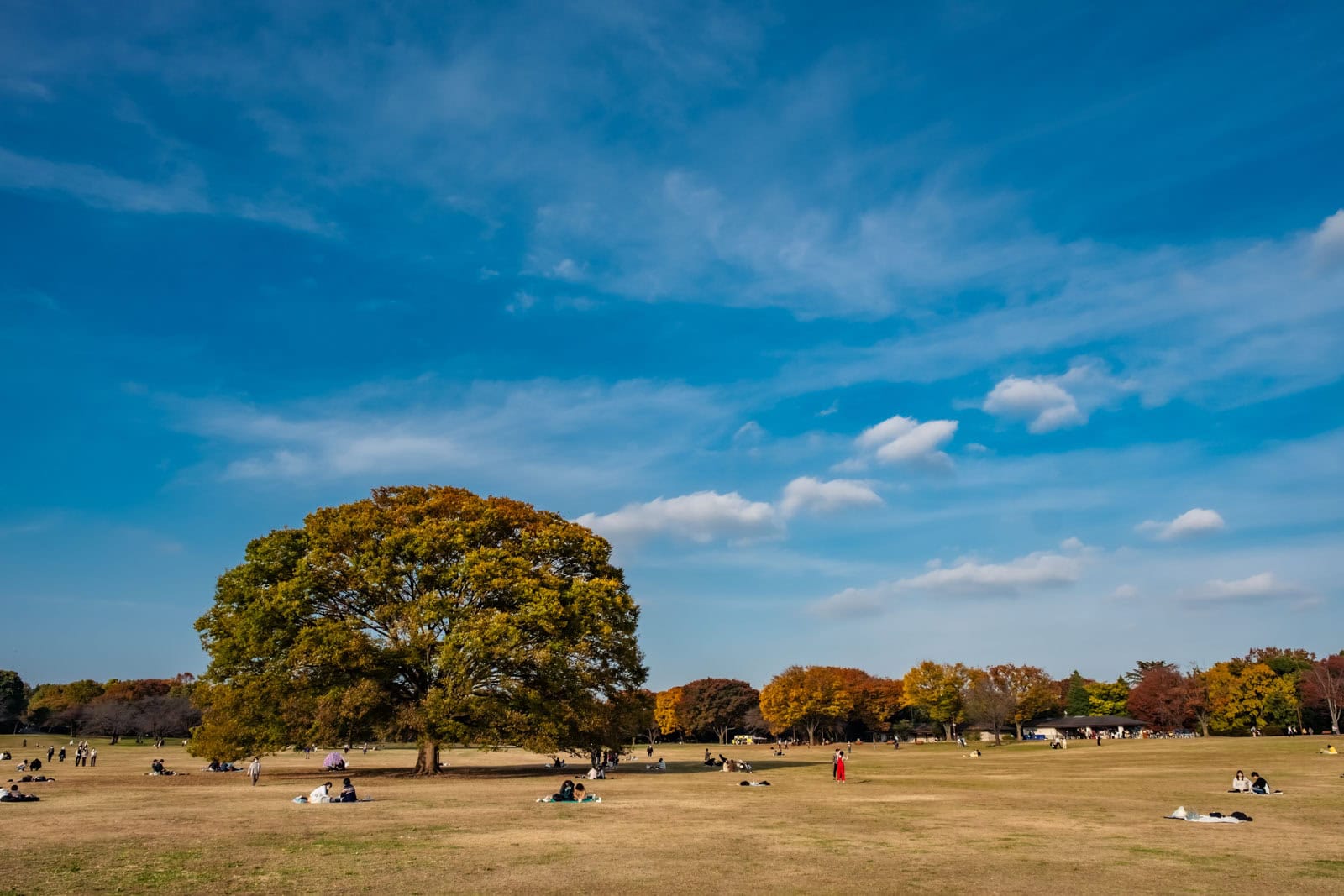
To cover more ground, you can rent a bicycle or take the park’s wheeled train. But, to truly appreciate the scenery and capture the best shots, I recommend exploring on foot. There’s nothing quite like taking your time, discovering hidden corners, and waiting for that perfect light.
Plus, it’s pretty tricky to snap a great photo while riding a bike! For me, this park is all about photography, and the opportunities are endless, no matter the season.
Seasonal flower displays
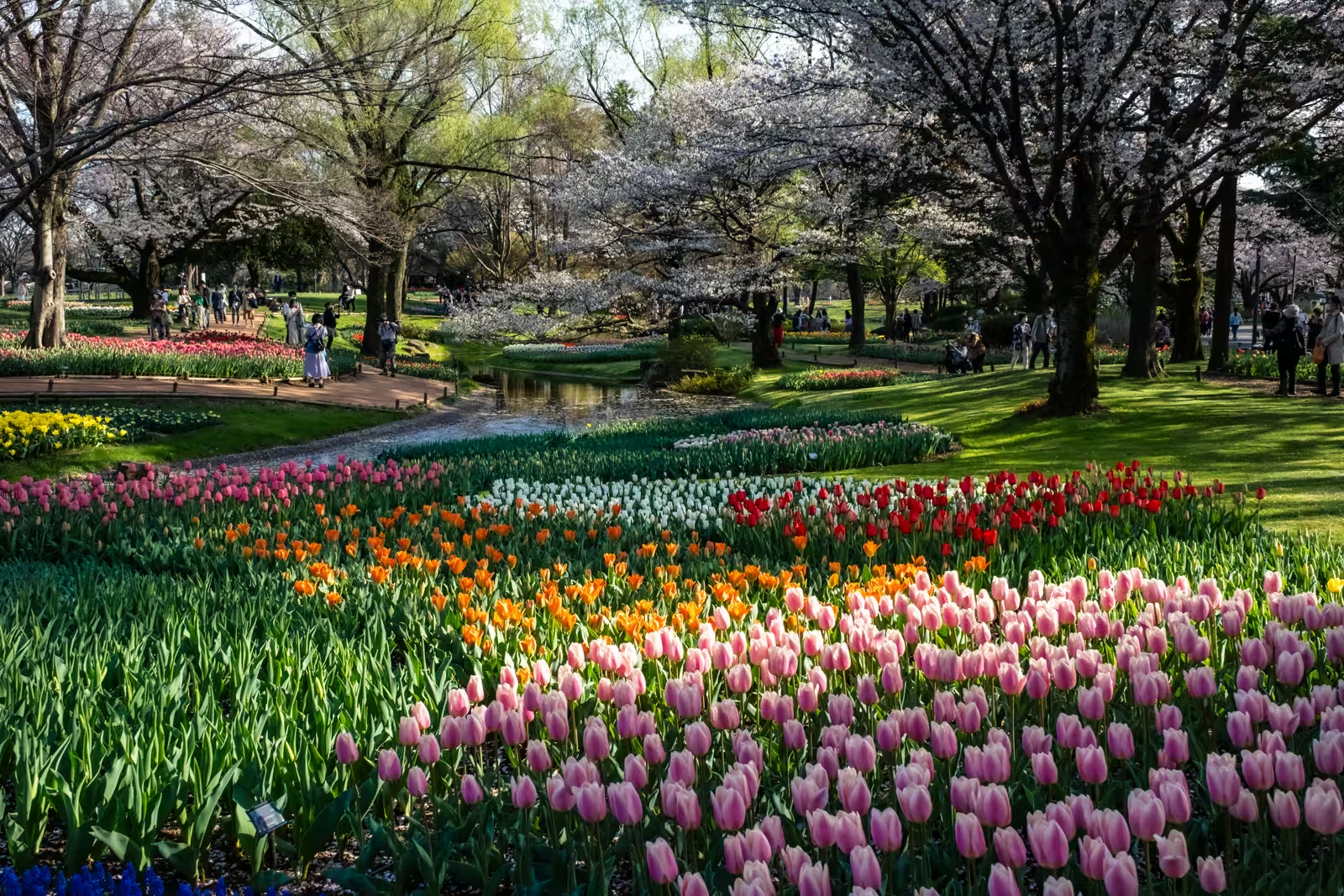
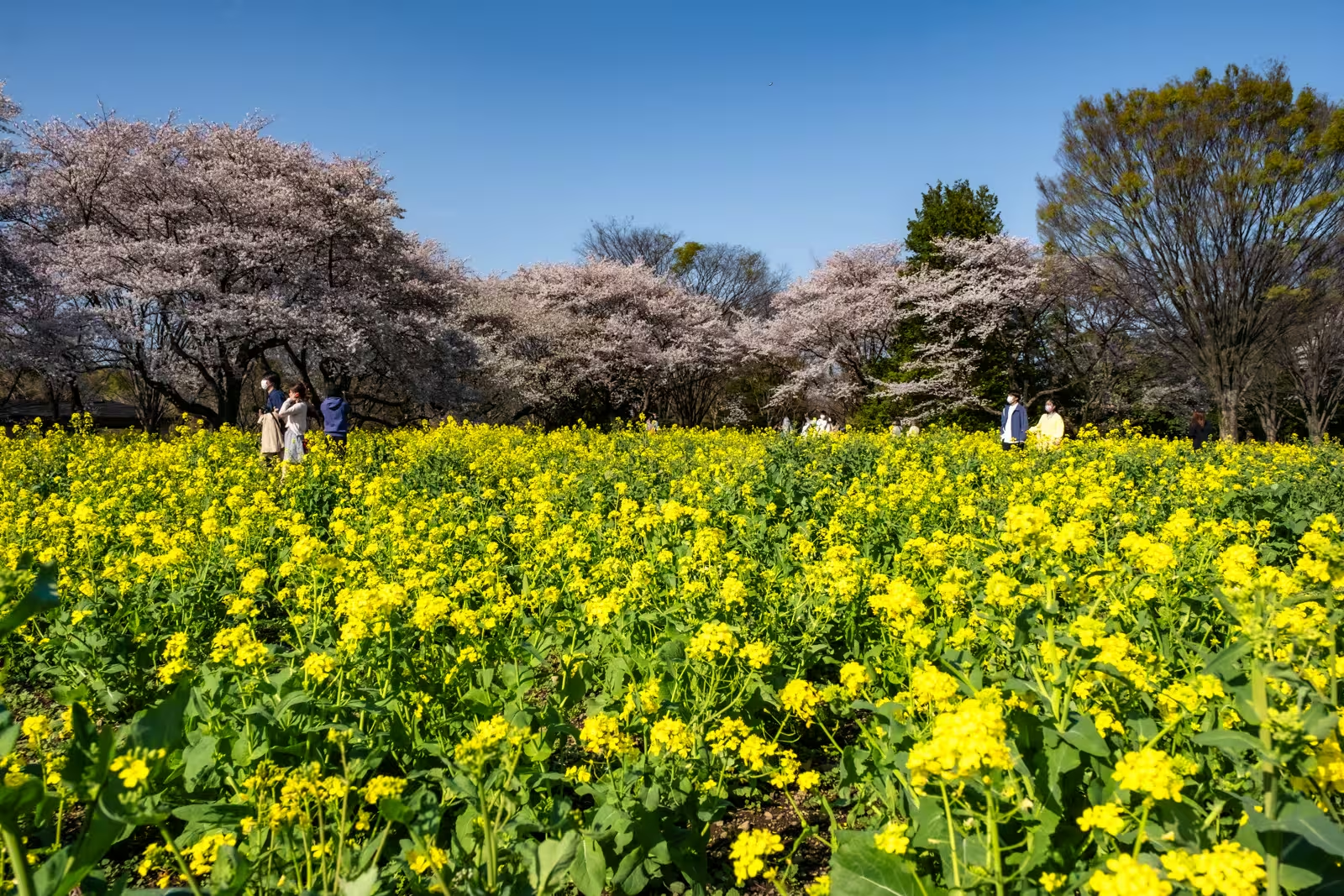
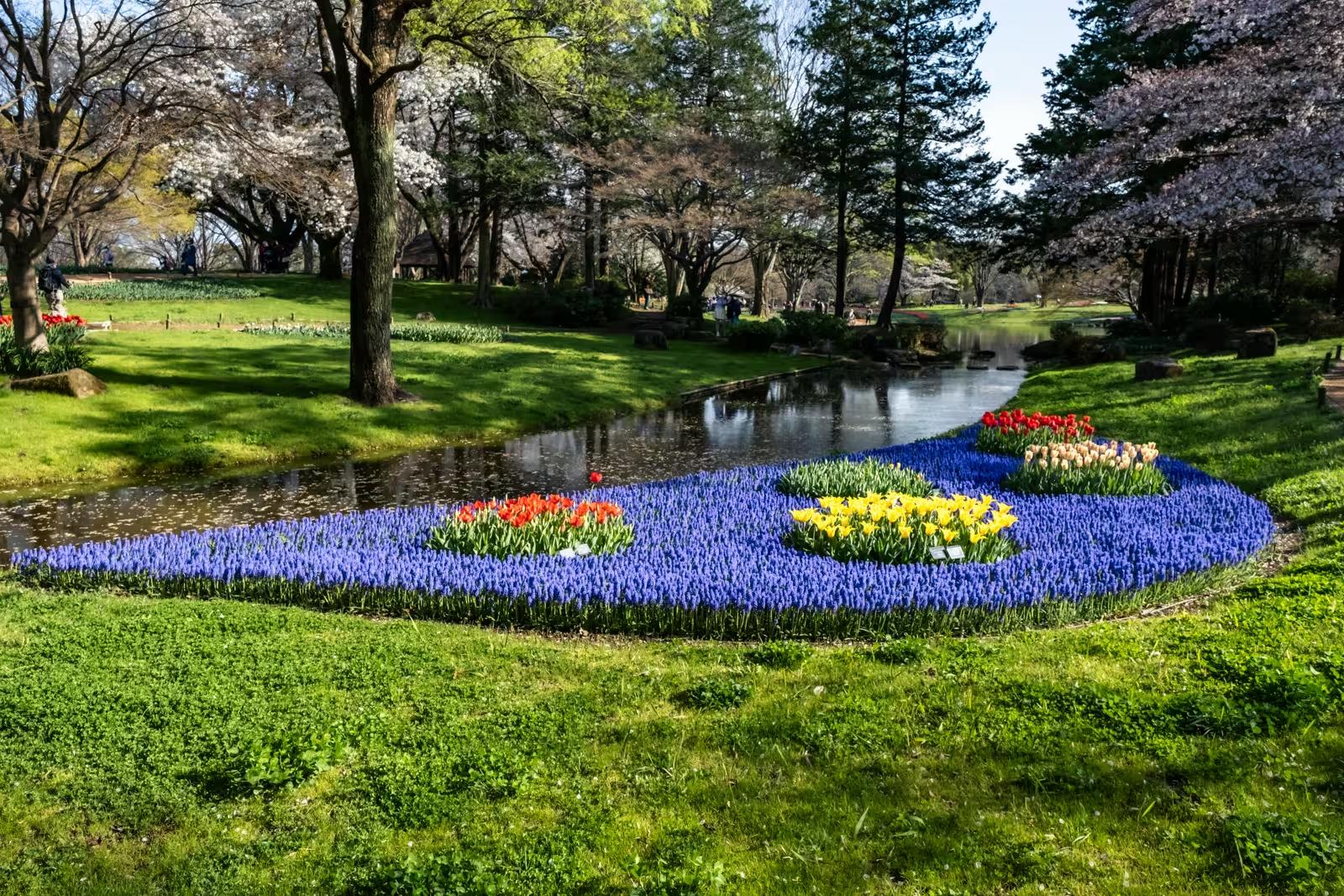
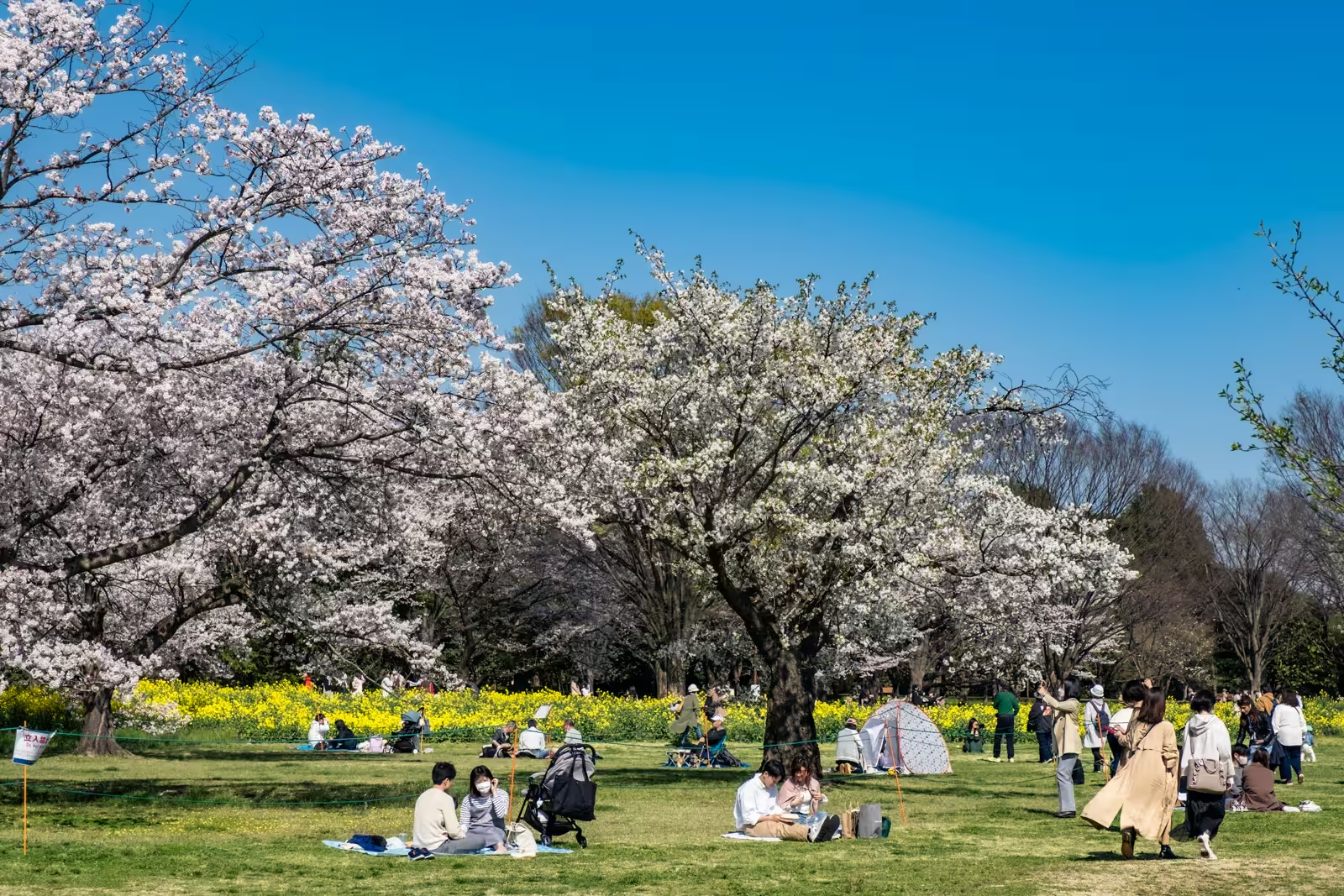
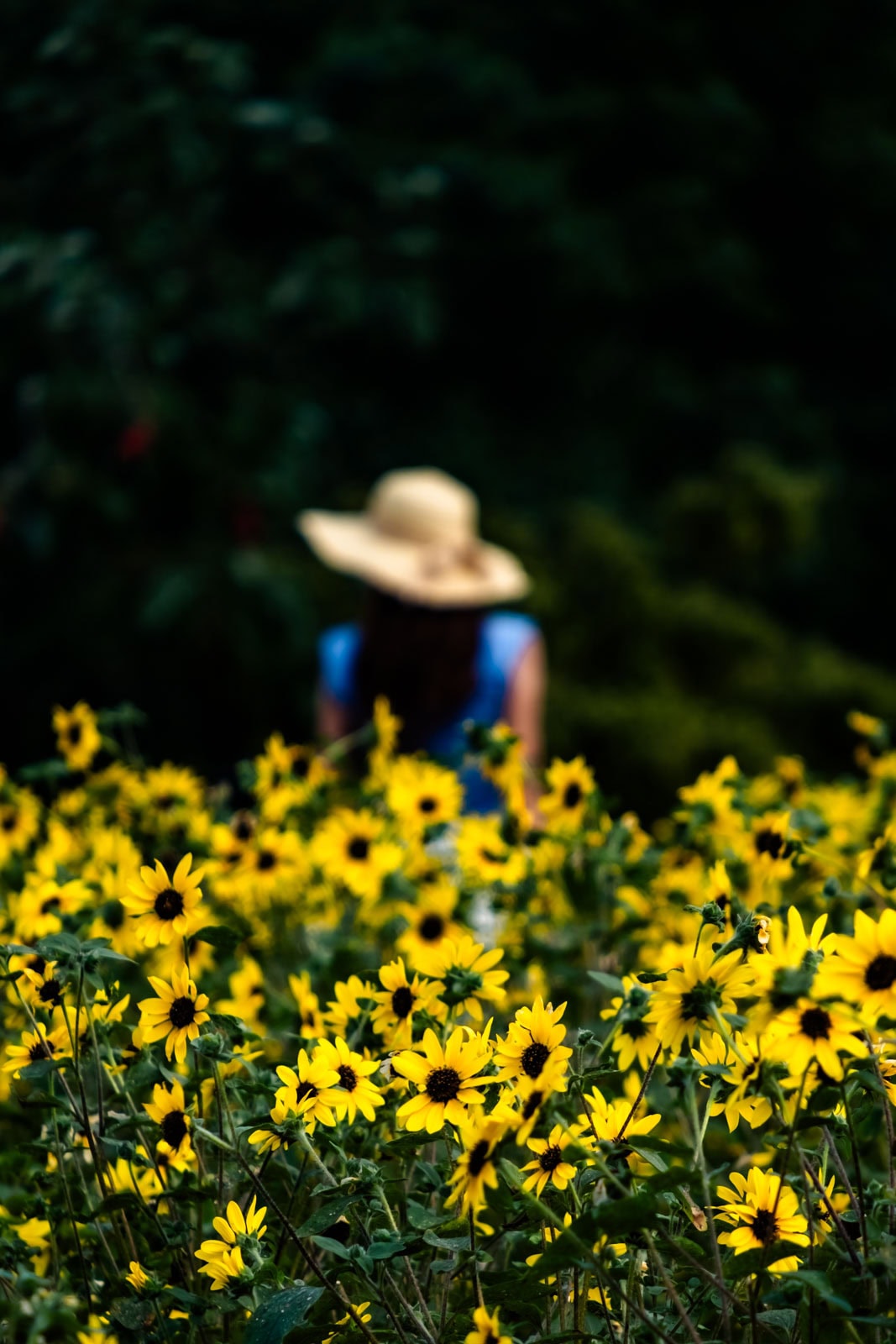
Showa Memorial Park is a flower lover’s dream. Spring brings a stunning display of cherry blossoms, azaleas, rapseed,poppies, and tulips. The tulip garden, in particular, is a major attraction, modeled after the famous Keukenhof Gardens in the Netherlands.
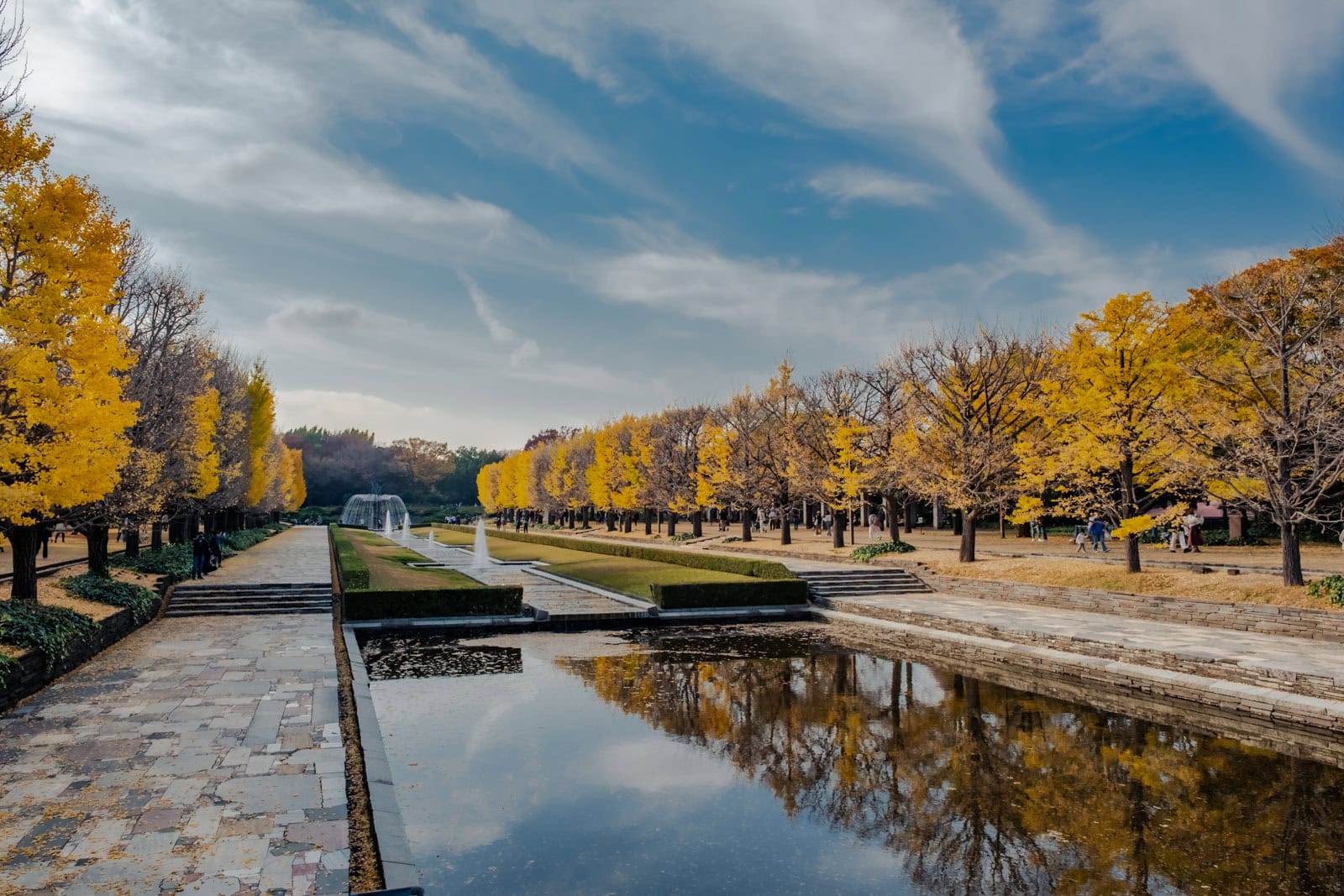
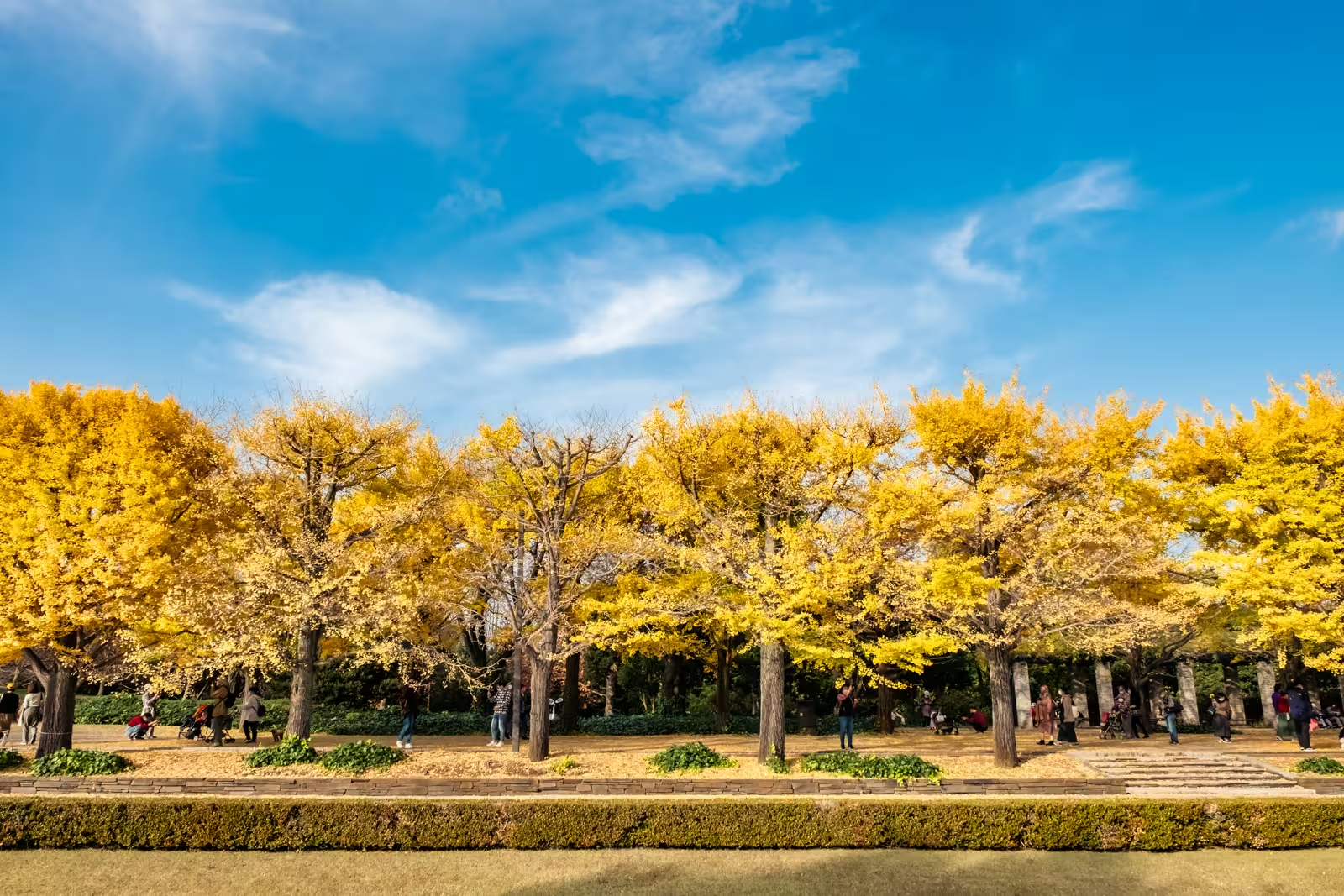
However, I have a soft spot for autumn, when the park’s ginkgo trees turn a brilliant yellow. The golden tunnels created by the ginkgo-lined avenues are truly a magnificent sight, especially against a clear blue sky. It’s easily one of the most beautiful autumn scenes in all of Tokyo. You could compare it to Meiji Jingu Gaien Ginkgo Avenue, but without the cars.
Architectural & cultural subjects
Beyond the flower fields, the park offers a diverse range of subjects for your lens:
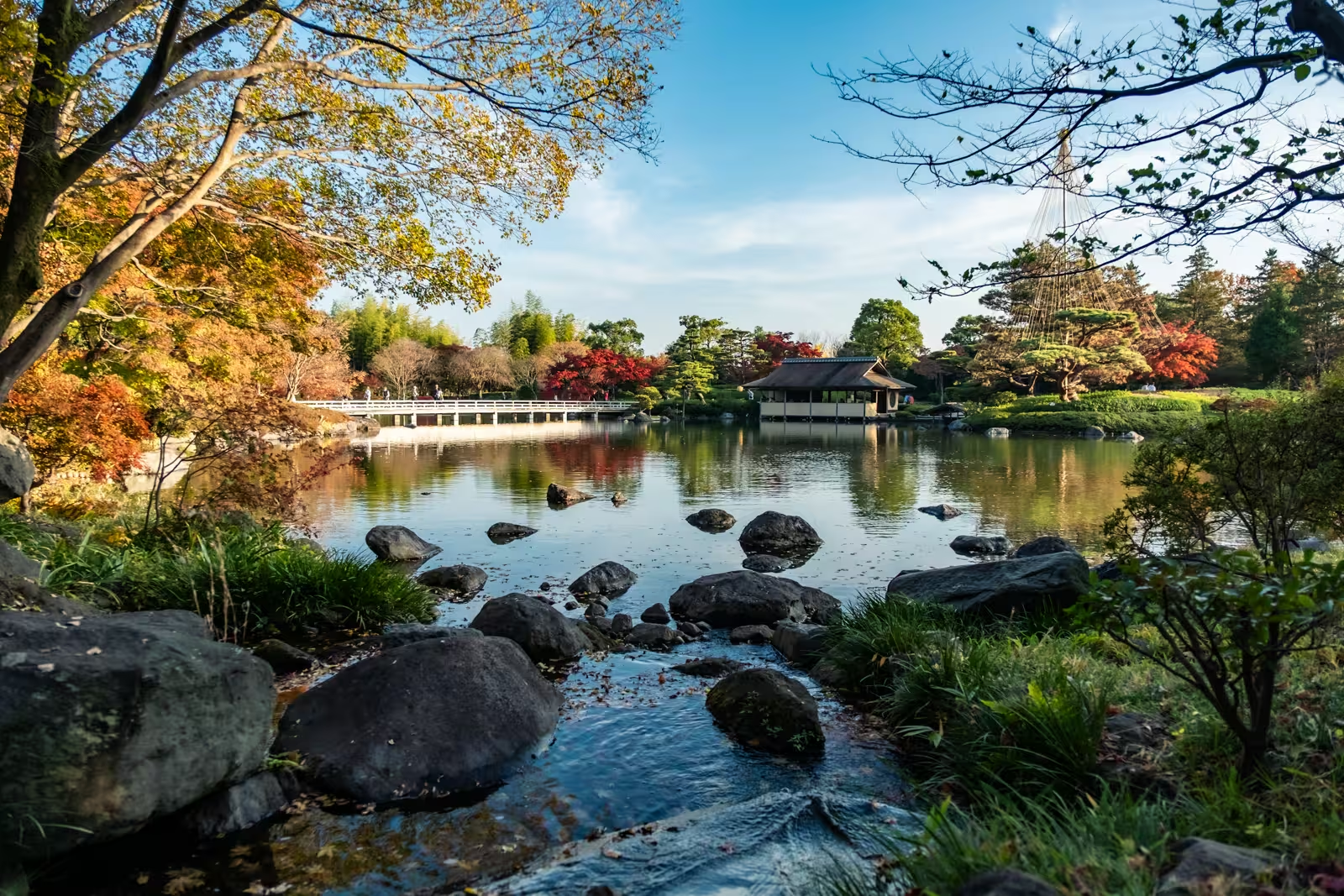
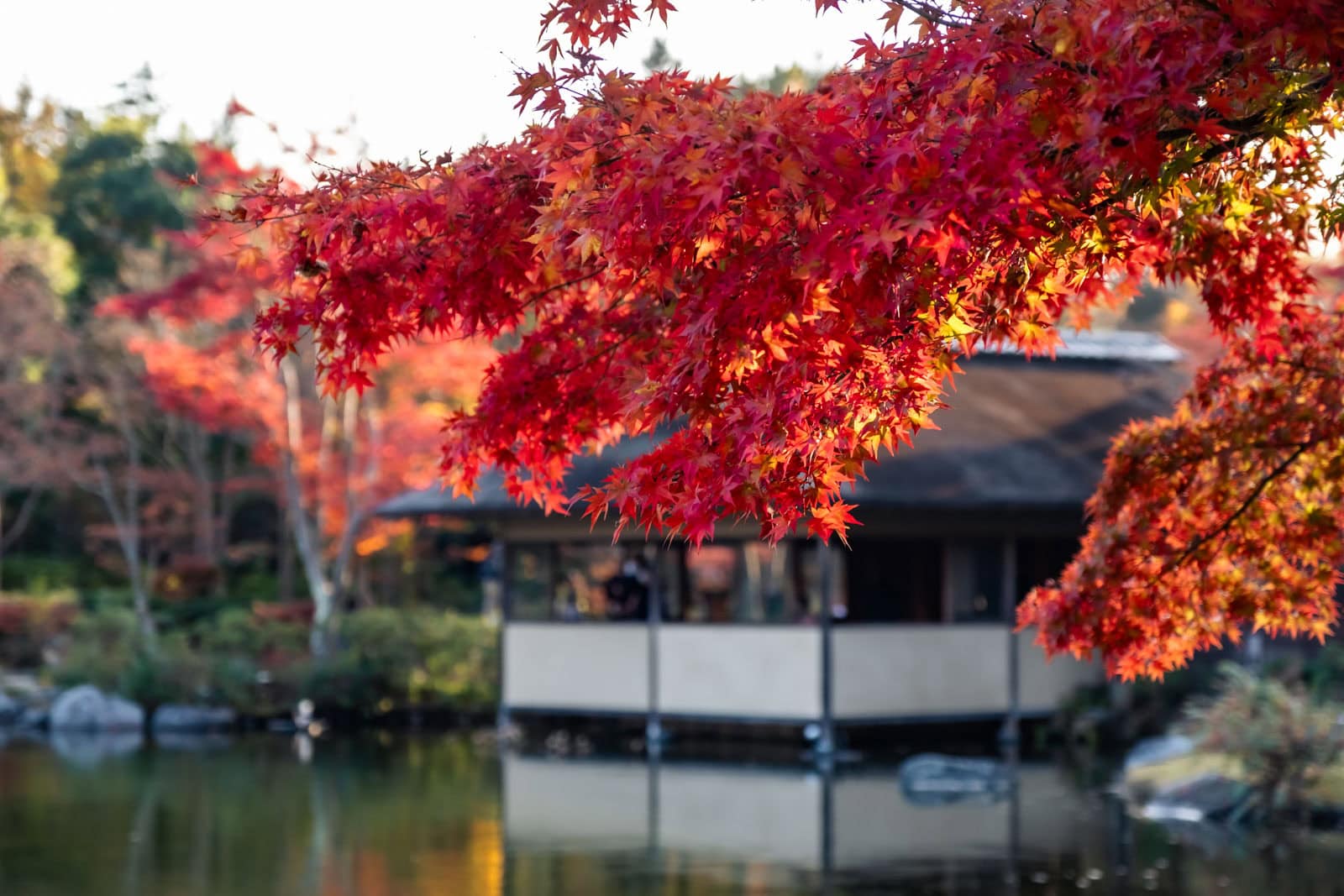
- Japanese Garden: This immaculate garden features a large central pond. A classic wooden bridge provides a tranquil and traditionally Japanese backdrop for your photos.
- Komorebi Model Village: Step back in time at this replica of a small agricultural village from the early Showa era. Depending on the season, you might see demonstrations of silk making or rice grinding. I once stumbled upon a fantastic Children’s Day exhibit here, which was a real treat to photograph.
- Water features: You can rent rowboats and paddleboats on the lake, offering a different perspective for your shots. From July to September, the water park also opens, providing dynamic scenes of summer fun.
- Children’s play area: The park has an enormous 11-hectare field. The large play area that includes slides and bouncing domes, perfect for capturing candid moments with family or even for model photography.
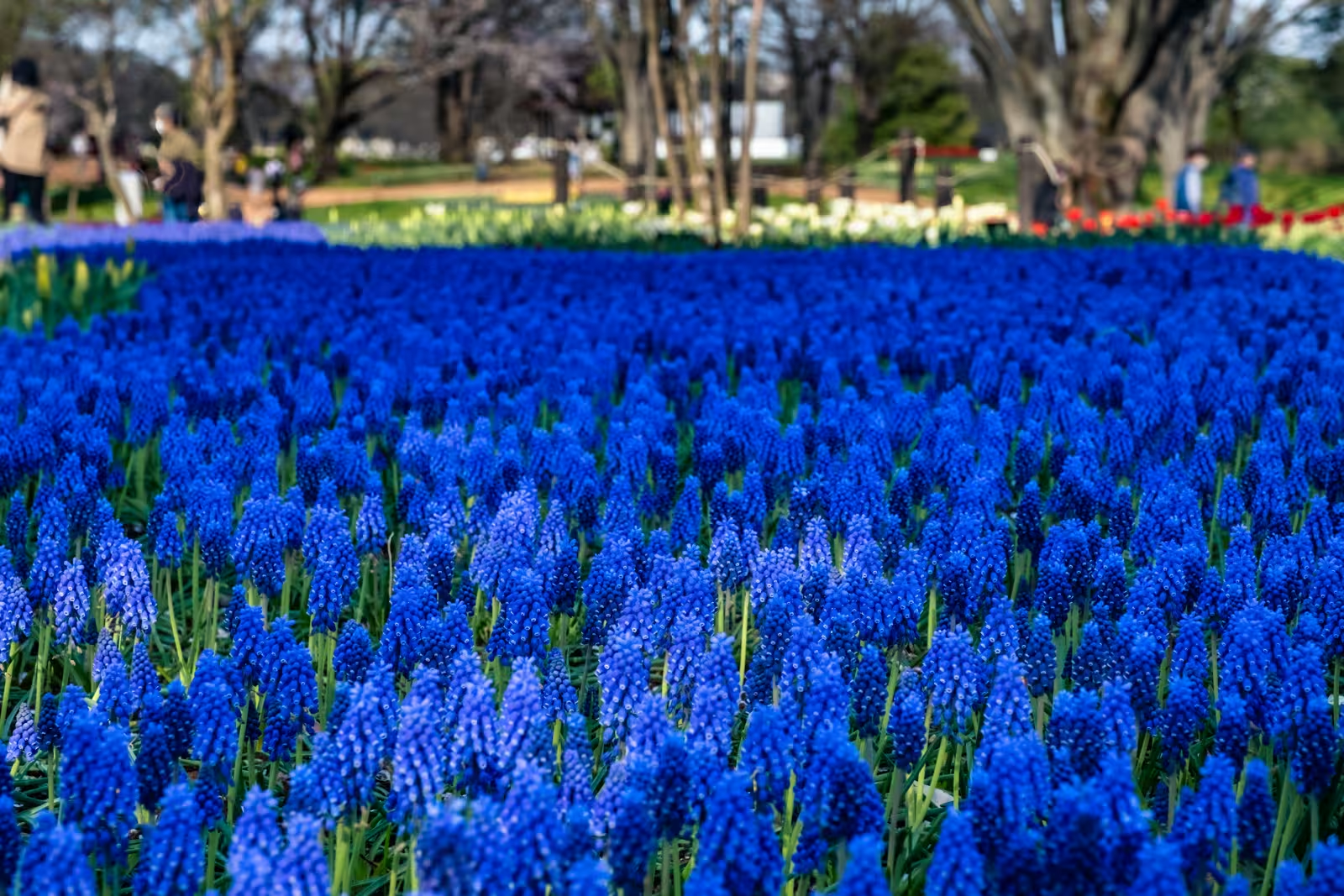
Photography tips
- Prepare for the weather: Summers in Japan can be intense. If you’re visiting during the warmer months, be sure to wear a hat and bring plenty of water to stay hydrated.
- Tripod usage: Tripods are generally permitted. That’s great for landscape and macro shots, but be aware that they are not allowed in the tulip garden area.
- Lens recommendations: Every lens can find a use here. A wide-angle is great for the sprawling landscapes and ginkgo avenues, while a macro lens is a must-have for capturing the intricate details of the flowers and the impressive specimens in the Bonsai Museum.
Plan your visit
When to go
While spring offers an incredible variety of flowers, my personal recommendation is autumn. The lanes of ginkgo trees are breathtaking. However, with beautiful blooms and scenery year-round, there’s no wrong time to visit.
Getting there
- Address: 3173 Midoricho, Tachikawa, Tokyo
- By train: The closest station is Nishi-Tachikawa Station on the Ome Line. However, if you’re coming from central Tokyo, taking the Chuo Line to Tachikawa Station might be more convenient, followed by a pleasant 20-minute walk to the park.
- Here is the park on a Google map:
Opening hours & admission
- Hours:
- March to October: 9:30 a.m. to 5:00 p.m.
- November to February: 9:30 a.m. to 4:30 p.m.
- Closures: The park is closed from December 31st to January 1st.
- Admission: ¥450. Keep an eye on the official website for free admission days throughout the year.
- For more information, consult the official Showa Memorial Park website.
The park’s history
The grounds of Showa Memorial Park have a rich history. The site was originally a Japanese Air Force base during World War II and was later used by American forces after the war.
In 1977, the land was returned to Japan, and in 1983, it was transformed into the beautiful park we see today to commemorate 50 years of the Showa Emperor’s reign. A part of the grounds is still utilized by the Japan Ground Self-Defense Force.
Is Showa Memorial Park worth it?
Showa Memorial Park is an exceptional destination for photographers in Tokyo, offering a full day (or more!) of creative opportunities. Each season brings its own unique charm, from the delicate cherry blossoms of spring to the golden avenues of autumn.
With unique attractions like the Bonsai Museum and the Komorebi Model Village, there’s always something new to discover. Have you had the chance to capture the beauty of this park? Share your favorite photo spots in the comments below! And if you want to see another place for flower photography in Tokyo, look at Jindai Botanical Gardens.