Why an L-Bracket Should Be in Your Camera Bag
If you’ve ever struggled with switching your camera from landscape to a stable portrait orientation on a tripod, you know how frustrating it can be. For me, the solution was an essential and often overlooked accessory: the L-bracket.
What is an L-bracket?
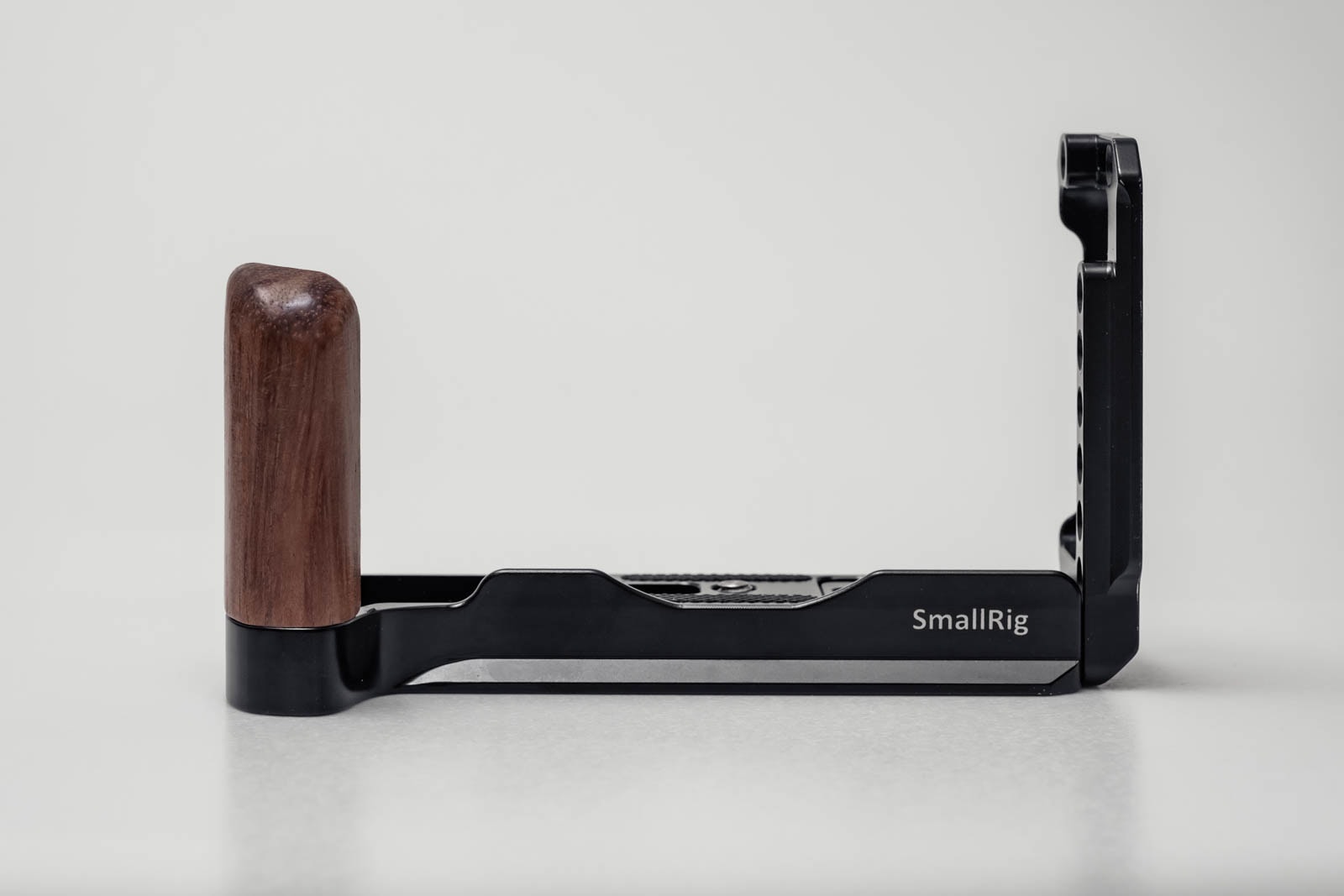
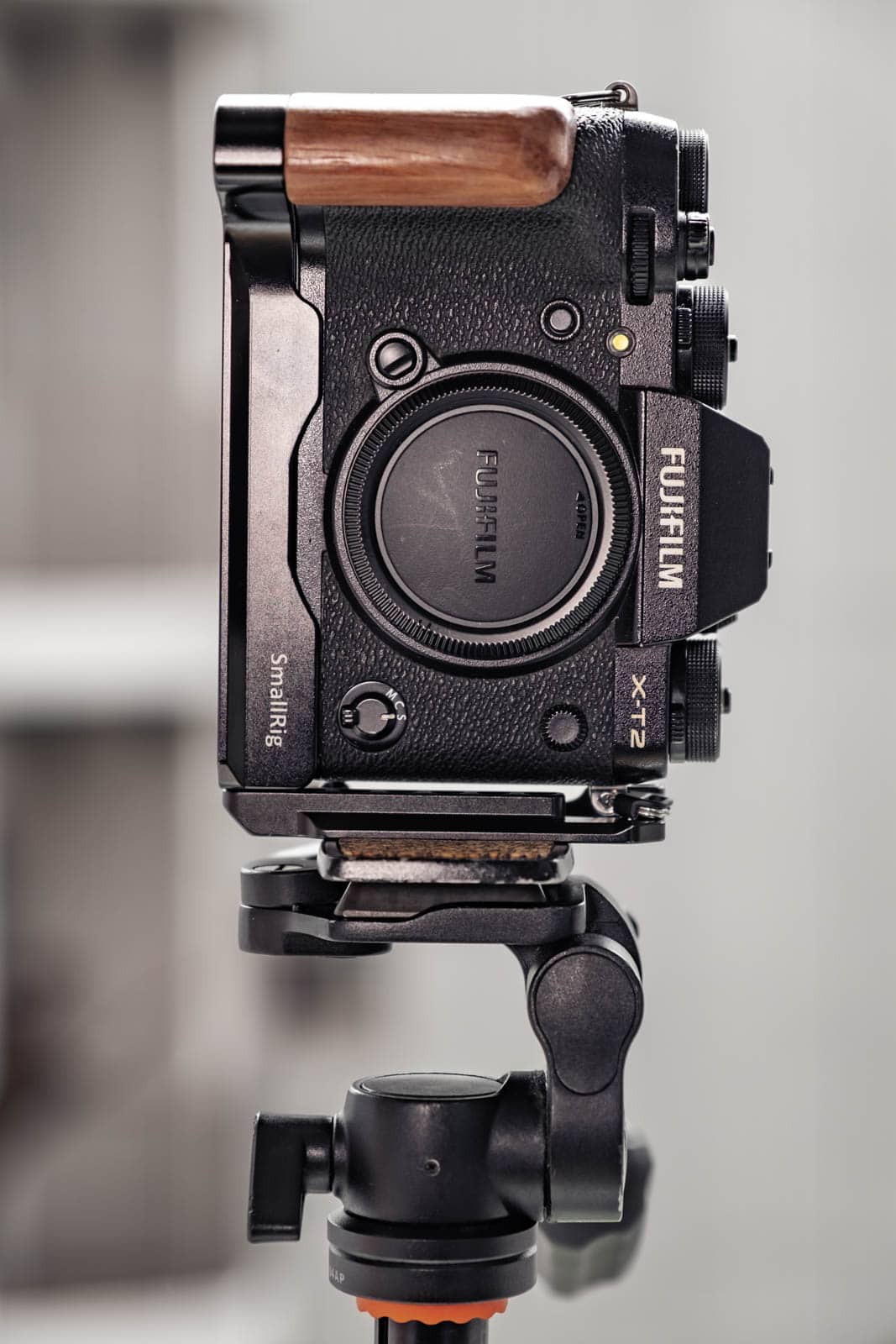
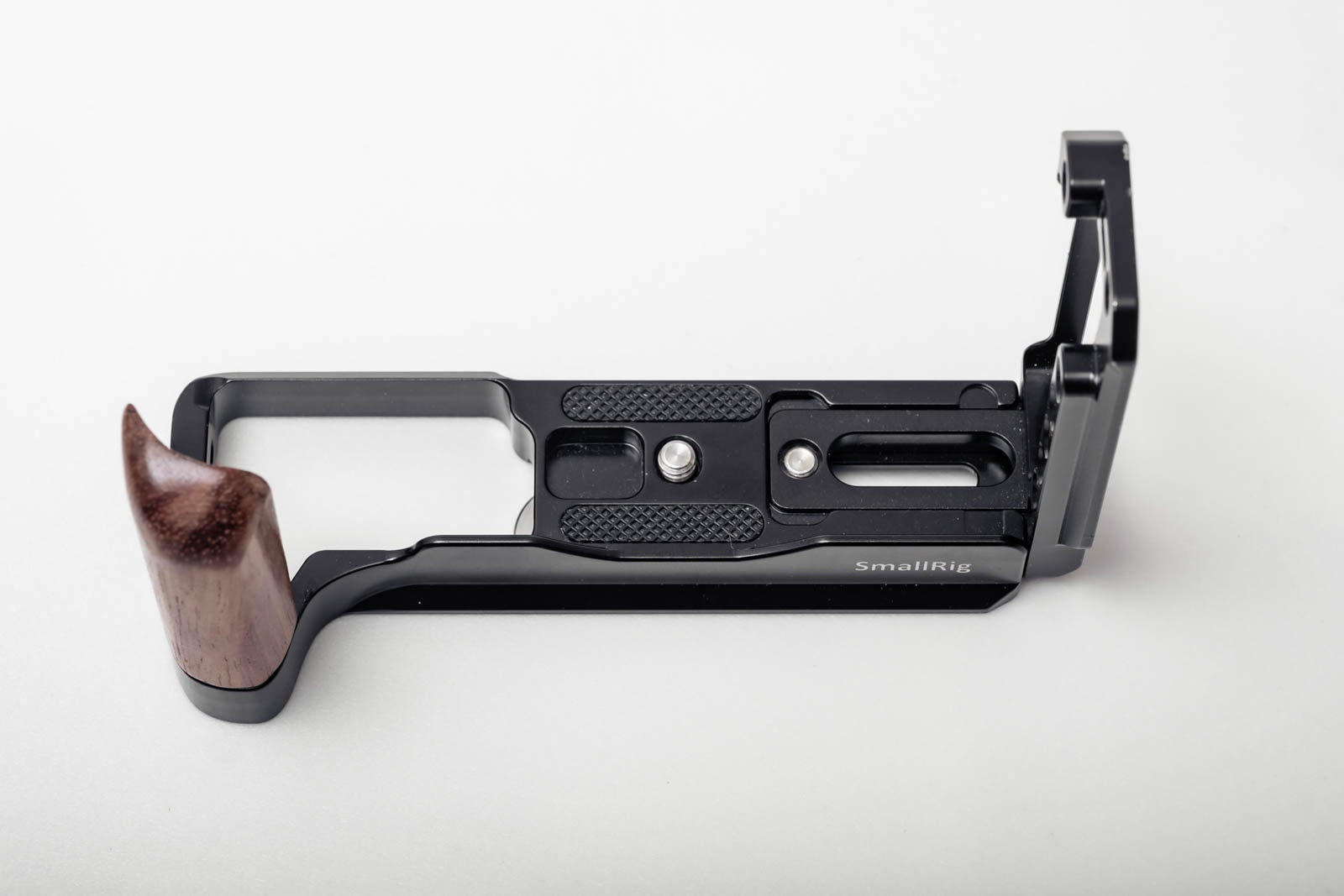
At its most simple, it is an L-shaped bracket that fits on a camera. The one I use has a simple screw to attach it. Once that’s on, it fixes to my tripod via the quick-release system.
When do I use mine?
I often use them for long-exposures. My bracket is especially handy when photographing skyscrapers like Shibuya Scramble Square. But, anytime you want to take a photo in a portrait-orientation while using a tripod, you’ll be happy you bought one.
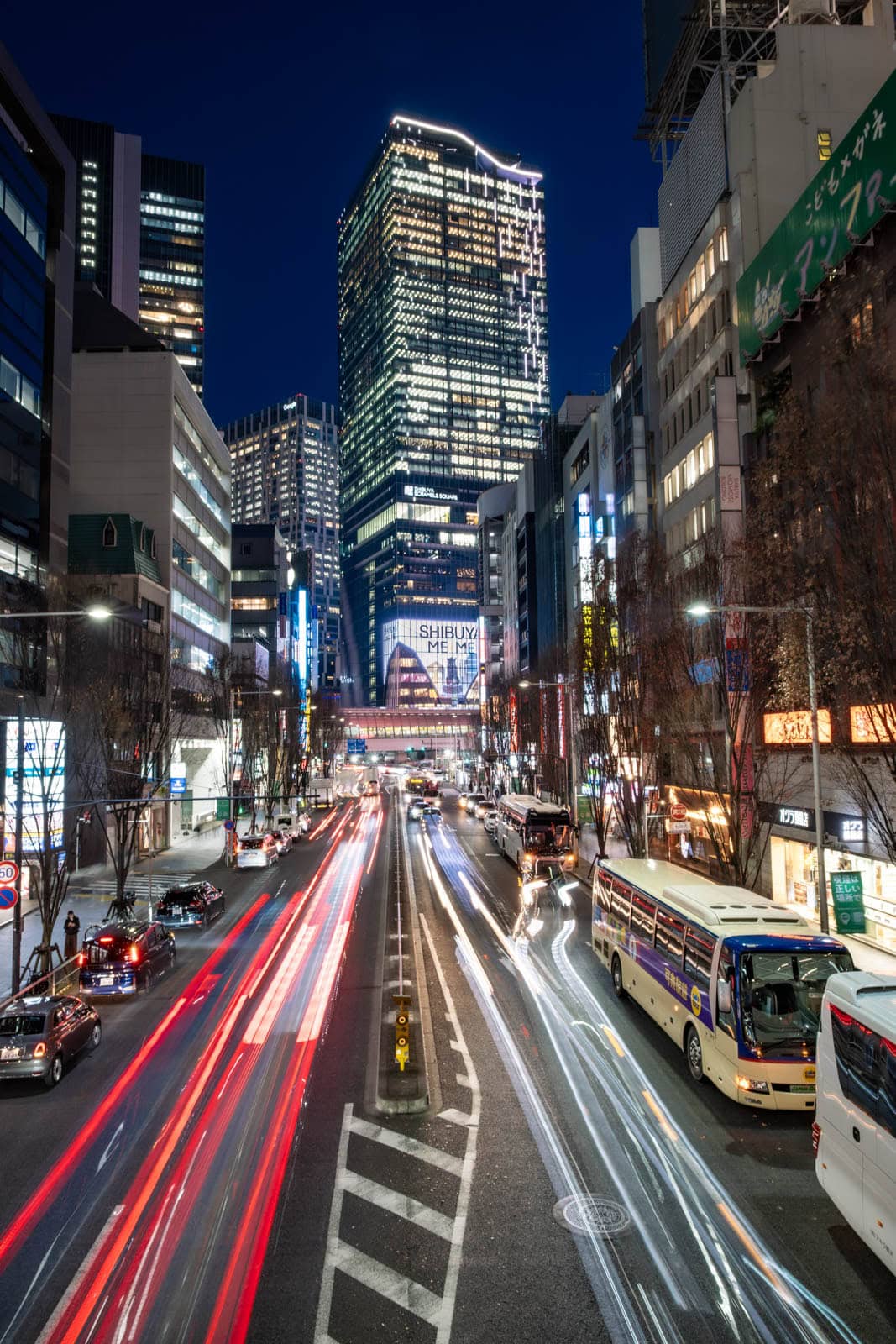
The advantage: Stable portrait-oriented shots
The primary reason to use an L-bracket is to quickly and securely switch your camera to a portrait orientation on a tripod. The process is simple and keeps your camera’s weight centered for maximum stability.
A bonus: Extra camera protection
An often-overlooked benefit is the added protection brackets provide. It acts as a protective cage around the bottom and side of your camera, guarding it against scratches when you set it down and offering some defense against accidental drops.
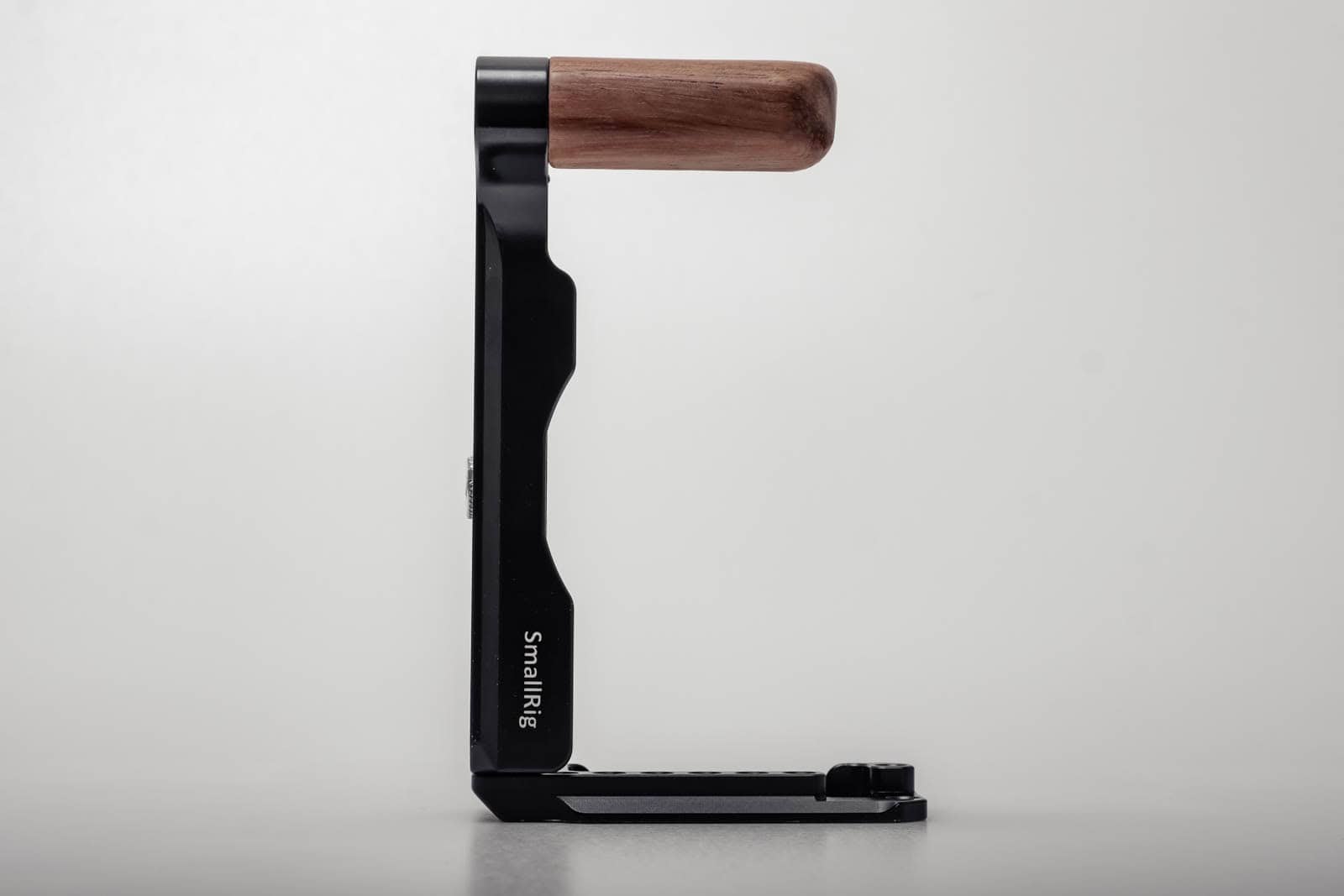
L-bracket vs. ball head: A matter of stability & simplicity
While a quality ball head is a great tool, it can be a more expensive and bulkier option. In contrast, L-brackets are typically lightweight and easy to pack. Furthermore, they offer a significant stability advantage.
Have you ever used a ball head for a vertical shot, only to find it wasn’t tightened enough? When you tilt a camera on its side, it’s no longer over the tripod’s center of gravity and can easily slip, ruining a photo. L-brackets avoid this problem entirely, making them a very sturdy and reliable solution.
What to consider before buying
Cameras come in many shapes and sizes. That means the bracket you buy today might not fit a future purchase or another brand. Think about your purchase carefully. Buy the right one.
Do you need an L-bracket?
For its ability to provide stable portrait shots and offer extra protection, my SmallRig (official website) L-bracket has become an indispensable part of my camera bag. Anyone who does portrait or long-exposure photography should buy one.
Now I’d love to hear from you. What do you use when you take a photo with your camera in portrait orientation? Share your experiences and preferences in the comments below! And if you want to see more gear articles, look at [Canon RF 24-105mm at Koenji Awa Odori].