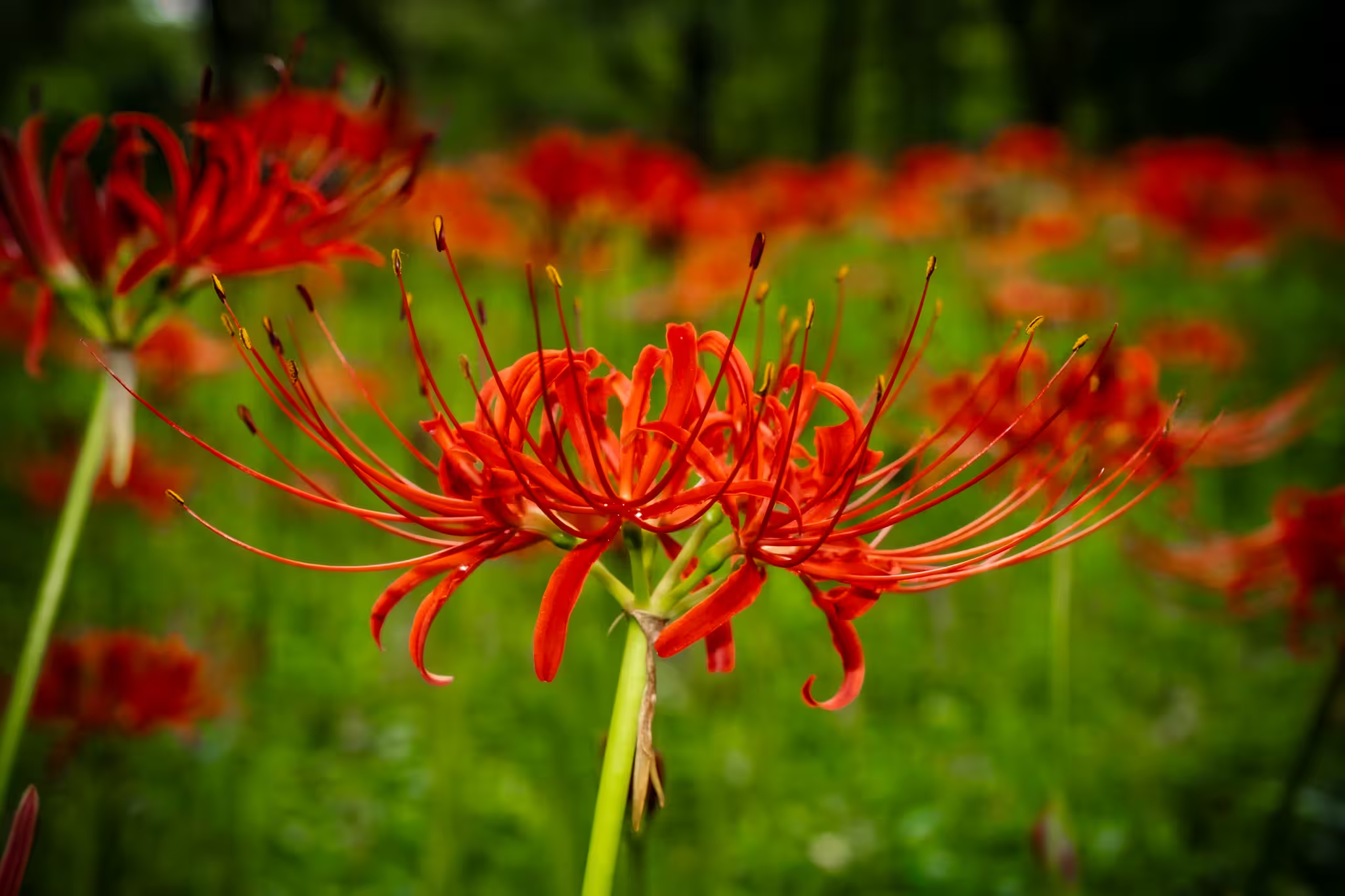
In Japan, it is a flower of delicate beauty that also carries the weight of final goodbyes. The red spider lily, or higanbana, is said to bloom when you part with someone for the last time.
For years, I seemed to be having my own goodbyes with them. For one reason or another, I always arrived too late in the season.
But in September 2022, I finally made up for my past failures. This time, they were at their best at Nogawa Park, and it was a perfect day for flower photography.
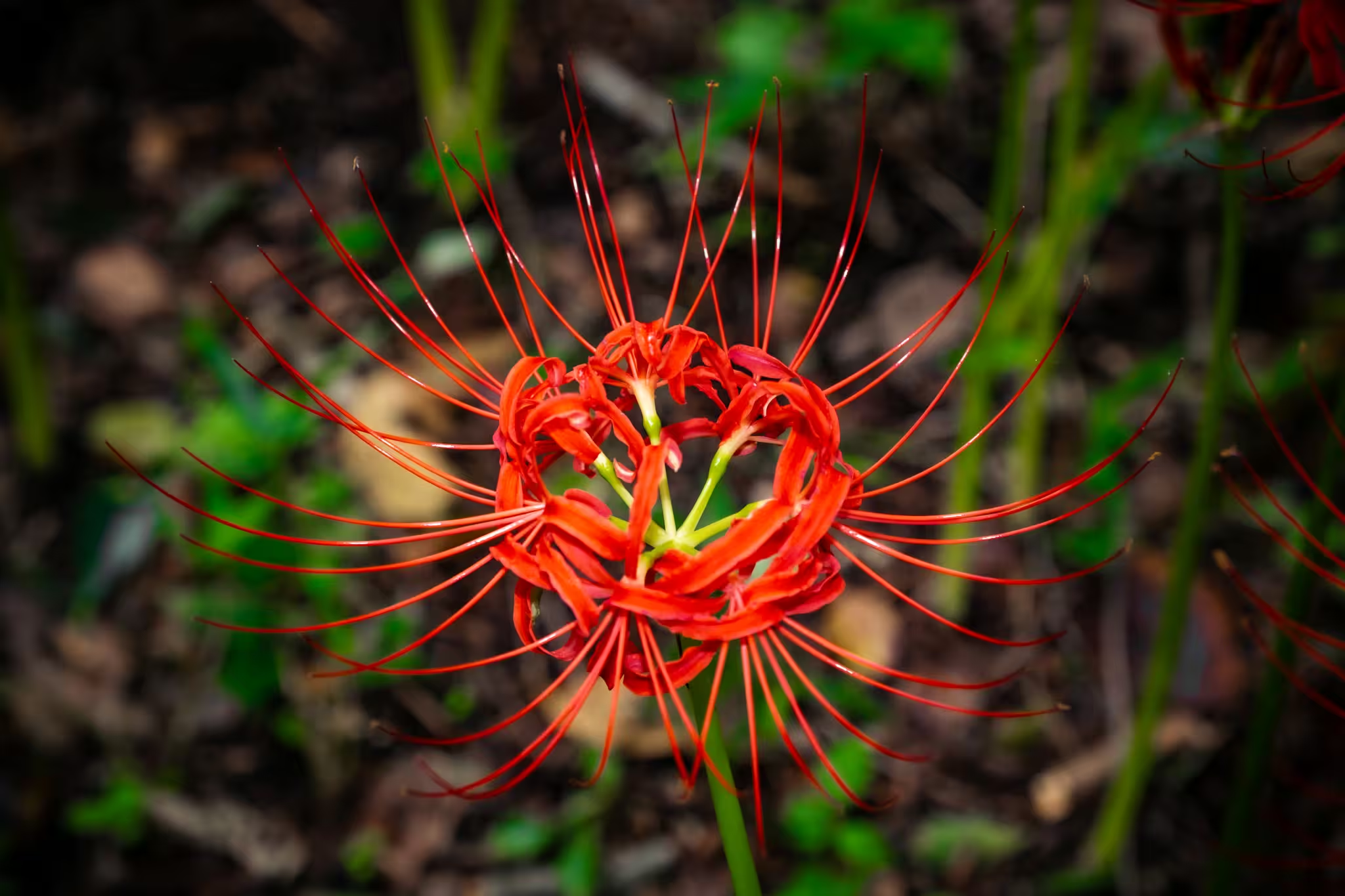
Photographing Higanbana at Nogawa Park
My goal was to finally use the extension tubes I’d bought earlier this year, but believe it or not, I forgot them. I was livid when I realized my mistake at the park. Oh well, I had my camera, lenses, and flash. I could still take photos.
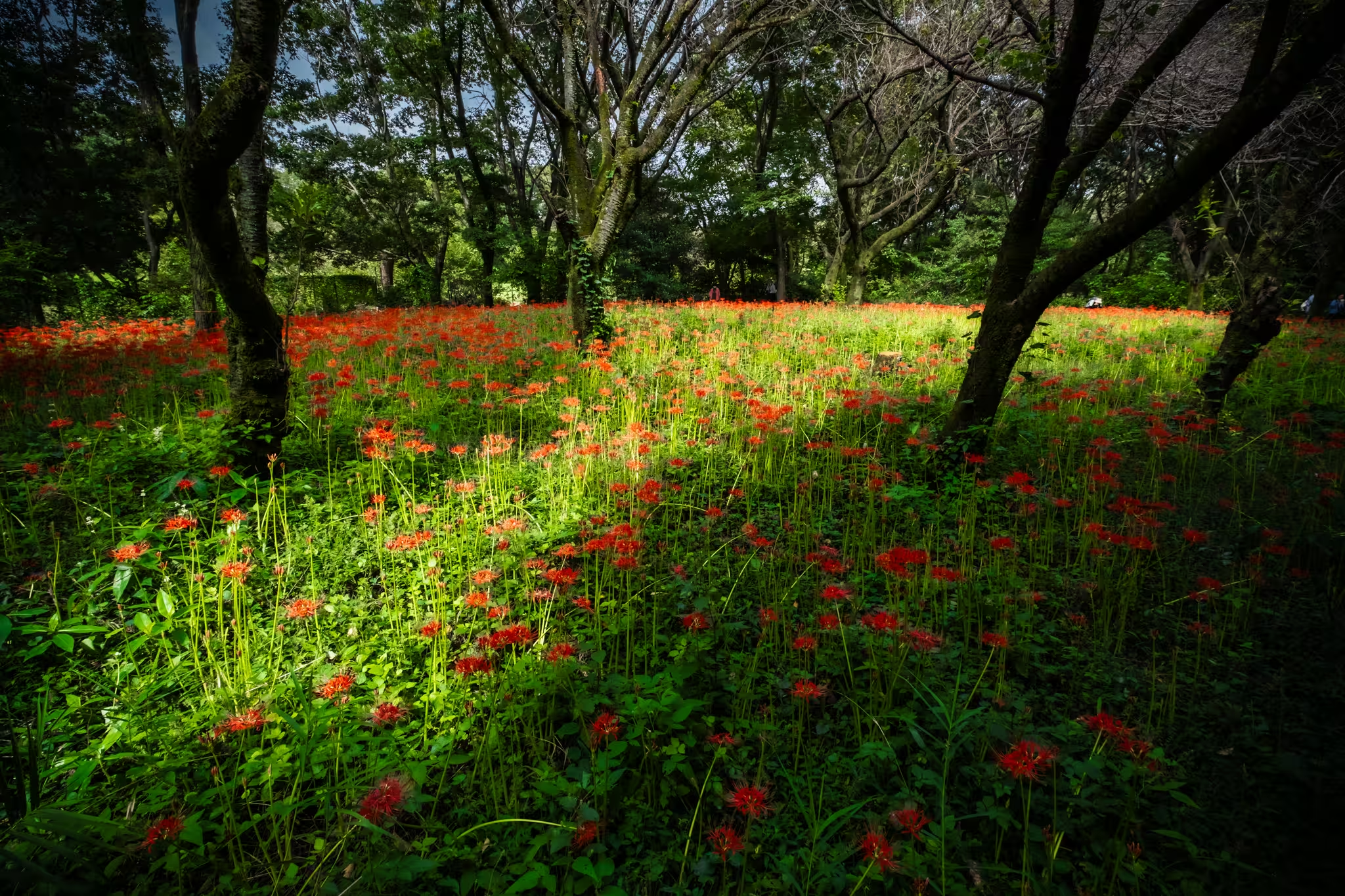
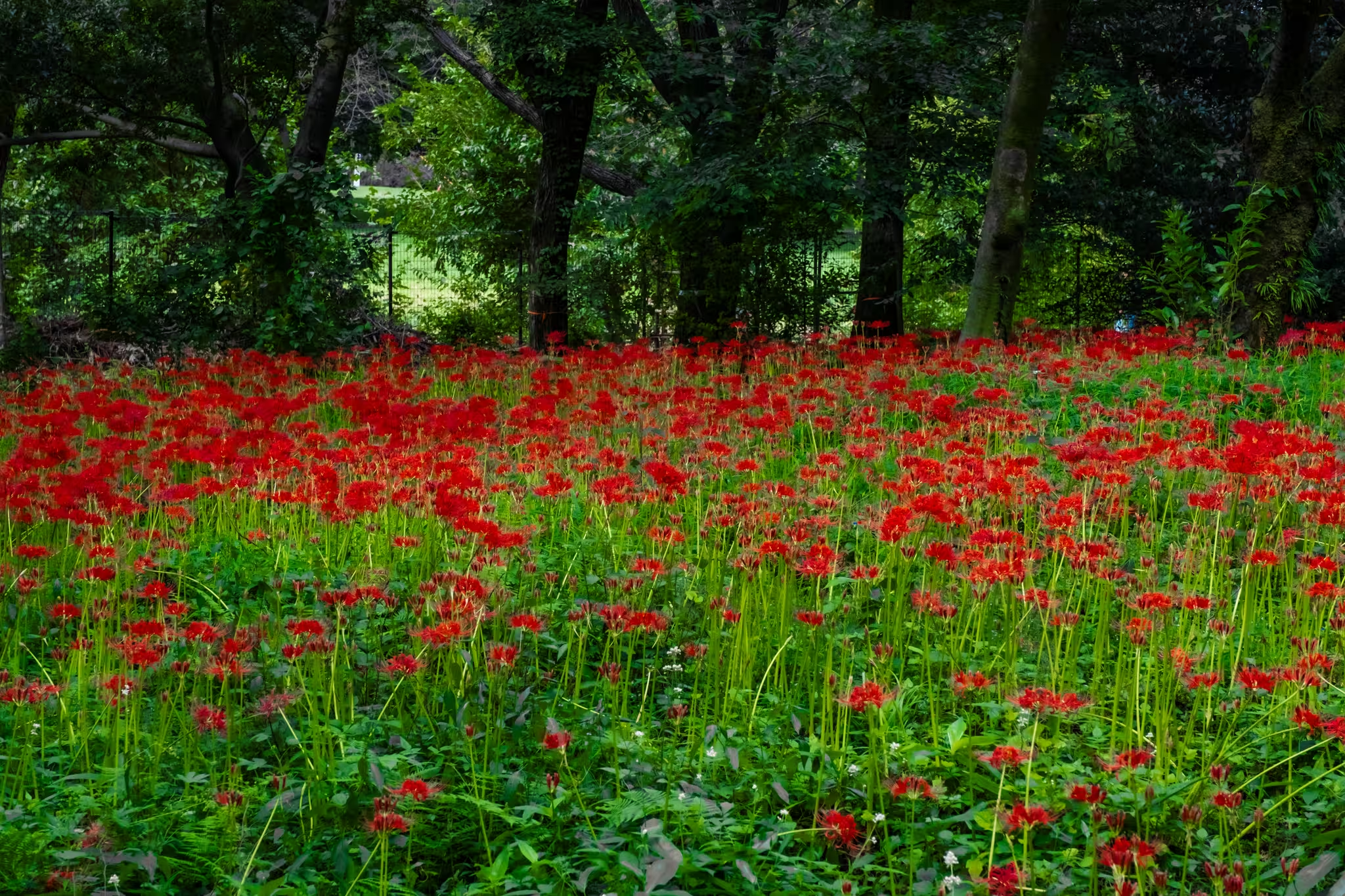
And the conditions were surprisingly perfect. The spider lilies didn’t cover the ground like a blanket, but it was close.
Overcast skies muted the light, but occasionally, beams of sun broke through the clouds, lighting up a few flowers while leaving others in shade. It created a fairy-tale feeling, and I was glad I brought my flash to capture it.
Plan your visit to Nogawa Park
If you’d like to see the lilies for yourself, here’s what you need to know:
- Address: 6 Chome-4-1 Osawa, Mitaka, Tokyo 181-0015, Japan.
- (In Japanese: 東京都三鷹市大沢6丁目4−1)
- Location: Nogawa Park is located between Tama and Shin-Koganei stations on the Seibu-Tamagawa line, about a 15-minute walk from either station.
- Finding the flowers: Once in the park, make your way to the Nature Observation garden. There are large maps on the pathways to guide you. After you enter the gate, walk to your left to find the main bloom.
- Important rules: To protect the flowers and ensure a pleasant experience for everyone, keep to the raised walkway. Note that tripods, monopods, and easels are not allowed in the garden.
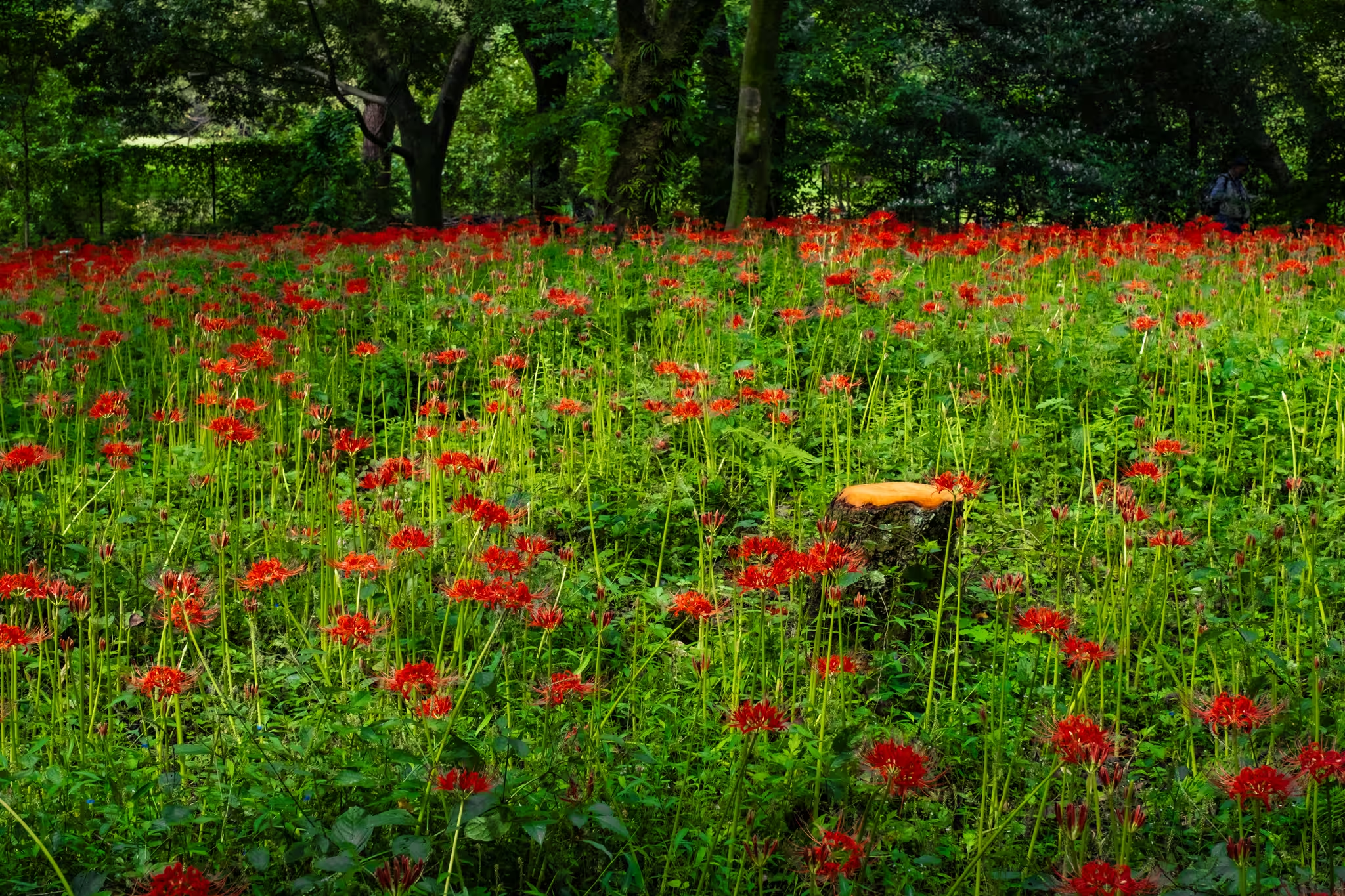
When do red spider lilies bloom?
- They bloom from mid-September to early October.
- For the most up-to-date information, check the official Nogawa Park website.
Higanbana’s legend (the Goodbye Flower)
Red spider lilies are as rich in story as they are in color. Their striking appearance, with narrow leaves that curve backward and long, projecting stamens, is what gives them their name.
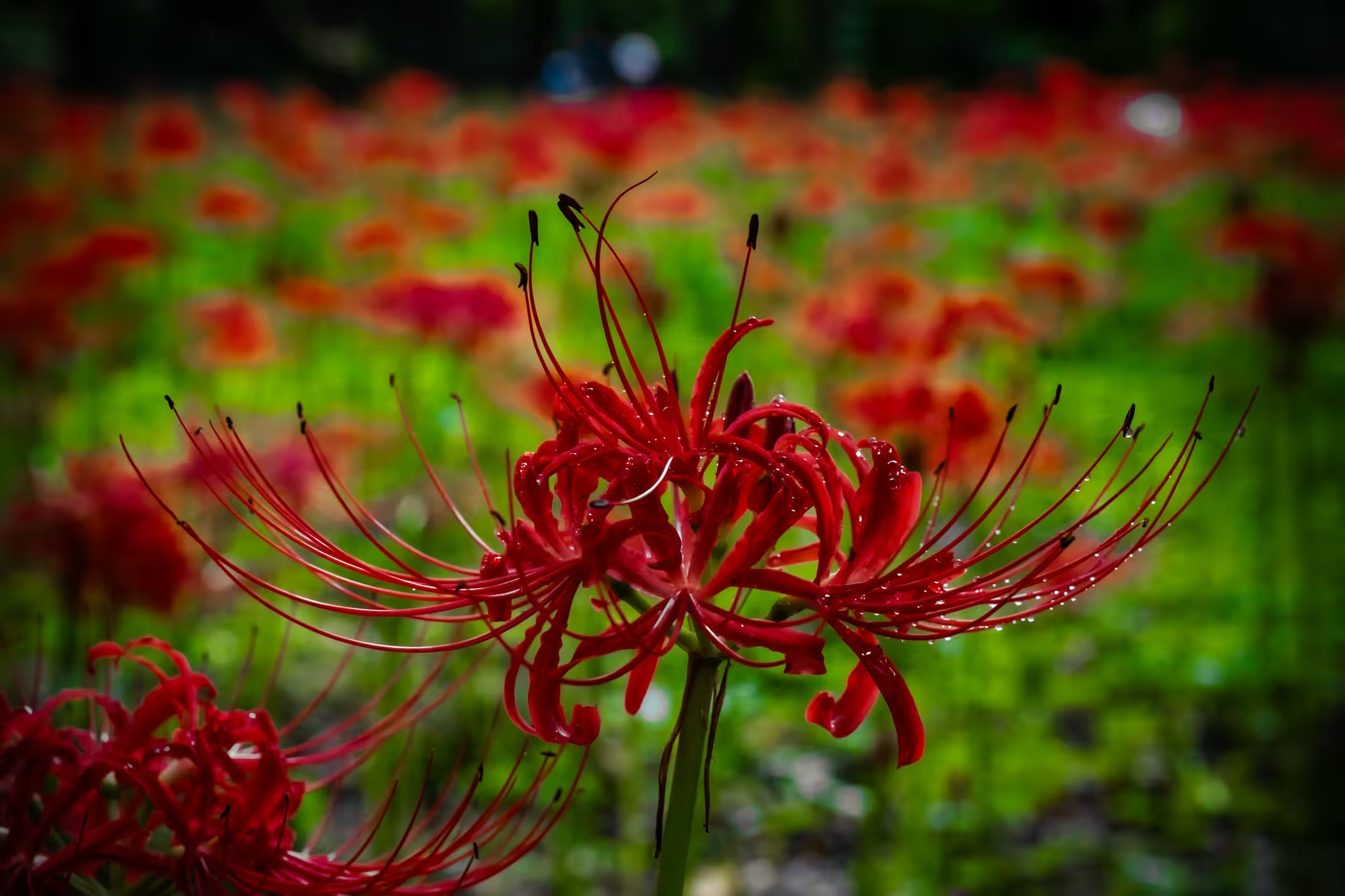
The Japanese name, higanbana (彼岸花), means “flower of higan.” Higan is a Buddhist holiday around the autumnal equinox, when people visit their ancestors’ graves. This association with death is why you should never give them as a gift in Japan.
Legends also say they marked the execution spots of Christian martyrs in Japan’s medieval period. For more information about these flowers, look at [Red Spider Lily: Japan’s Iconic Flower of the Afterlife].
Are Nogawa’s red spider lilies worth visiting?
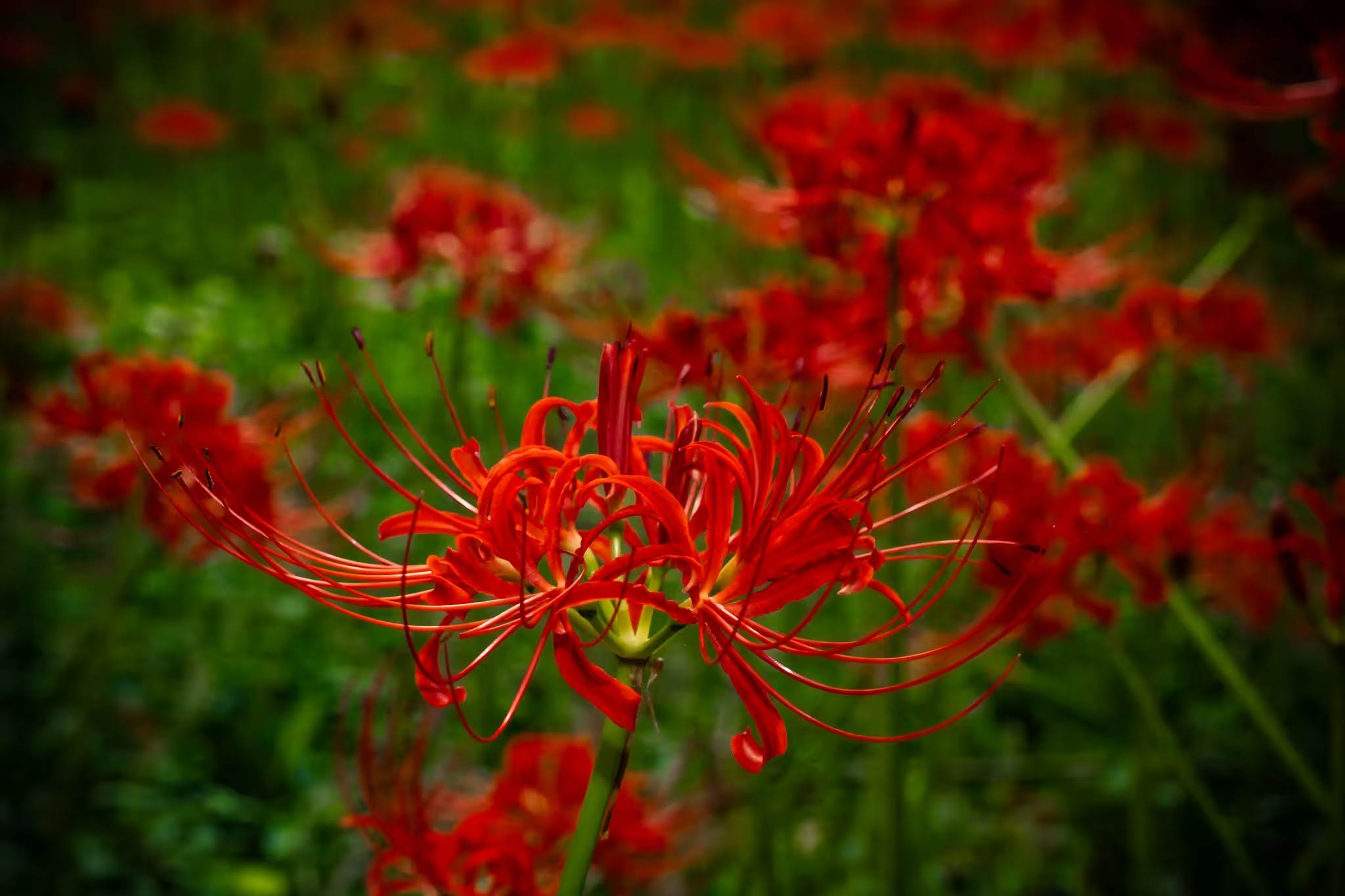
Looking at the red spider lilies, I found it difficult to reconcile their delicate beauty with their somber history. They were in perfect condition—a vibrant, living spectacle that legend ties so closely to death and parting.
My visit was a success, and I finally captured the flower that had eluded me for a long time. Now, I can’t wait to see them again and explore the other places they bloom in the Kanto area.
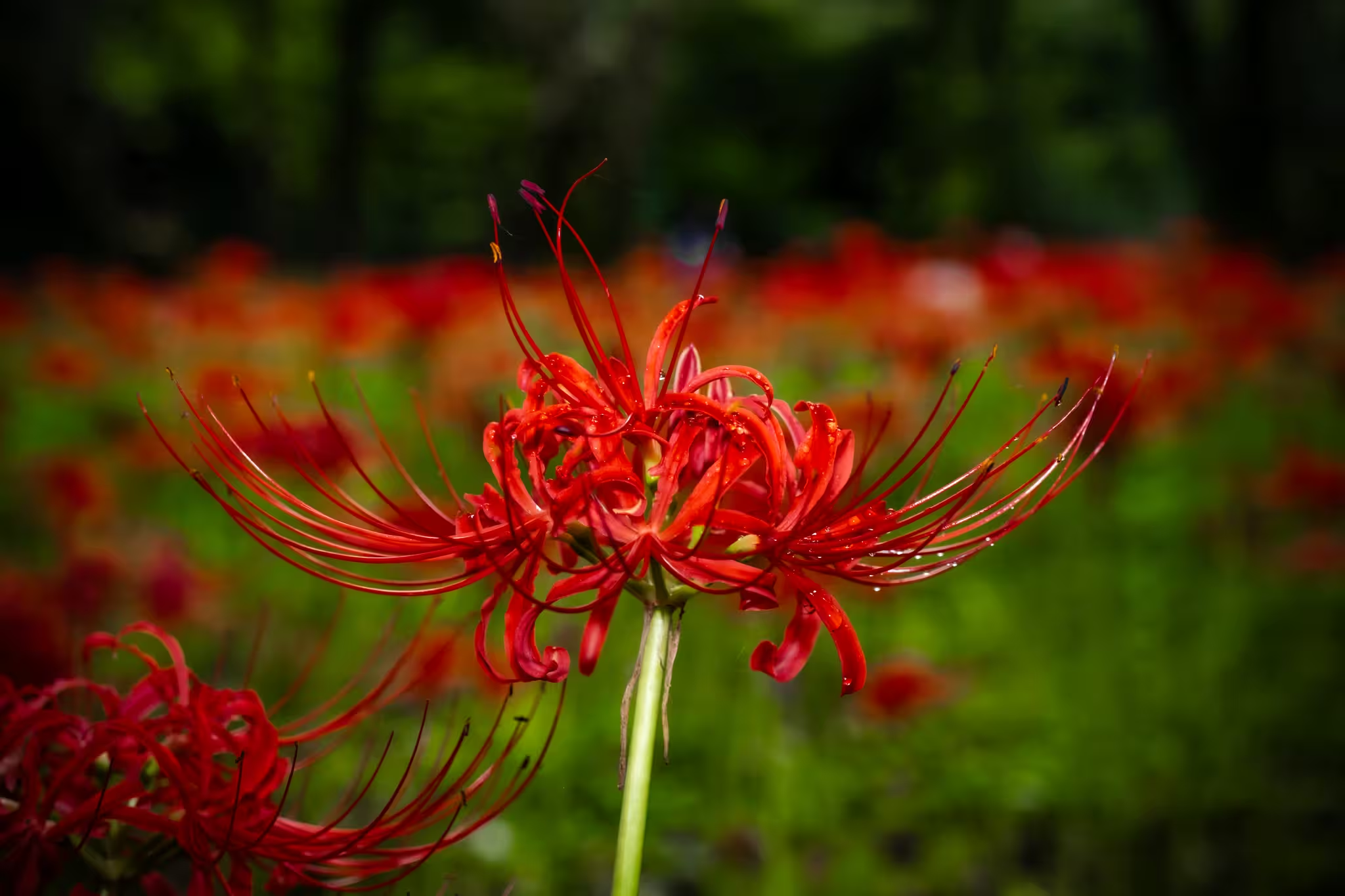
Are you ready to see the red spider lilies for yourself? I’ve compiled a [Nogawa Park Photo Guide] which has all the information you need to know.