Are you searching for a photography guide that shows nature, culture, and endless photo opportunities all in one place? I have one for you, and it’s for Inokashira Park.
It’s a place where you can capture the pink of spring cherry blossoms, the deep reds of autumn leaves, or the simple joy of a swan boat ride across a serene pond. You can even try to dodge a curse from a goddess there.
For a photographer, this park has everything for your camera. Let’s look at why Inokashira Park is one of Tokyo’s must-visit photography spots.
Things to photograph in Inokashira Park
Inokashira Pond & swan boats
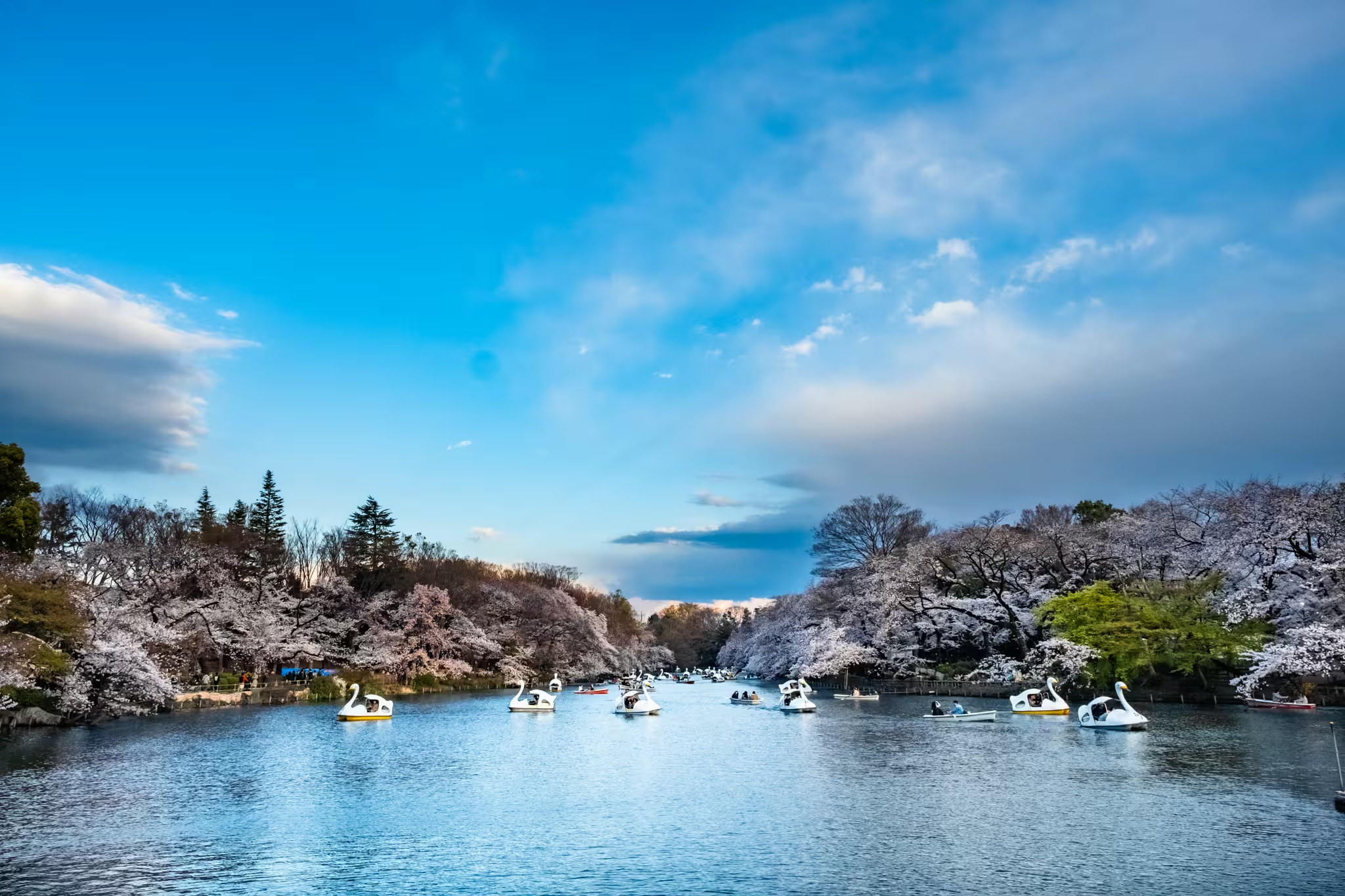
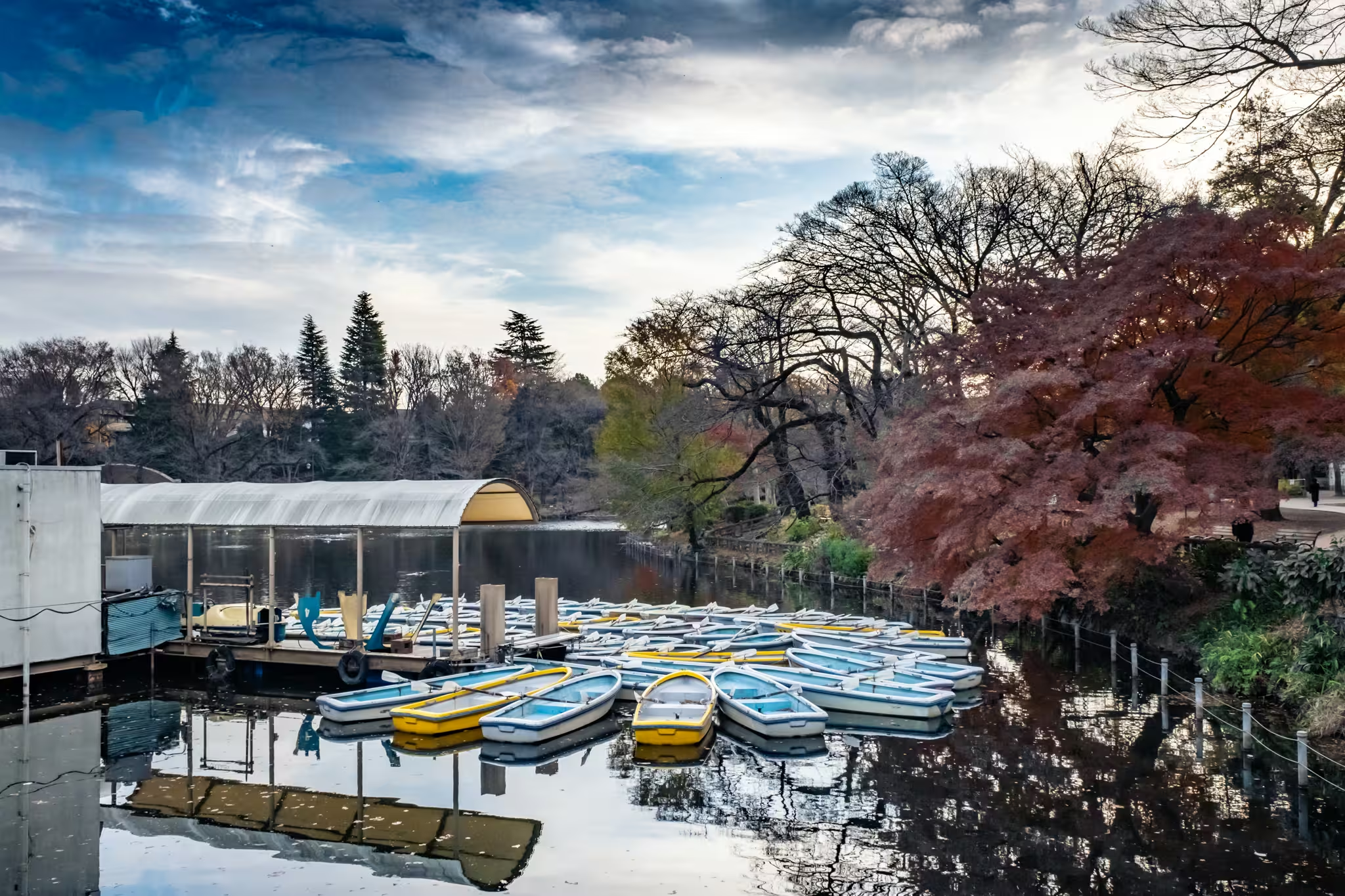
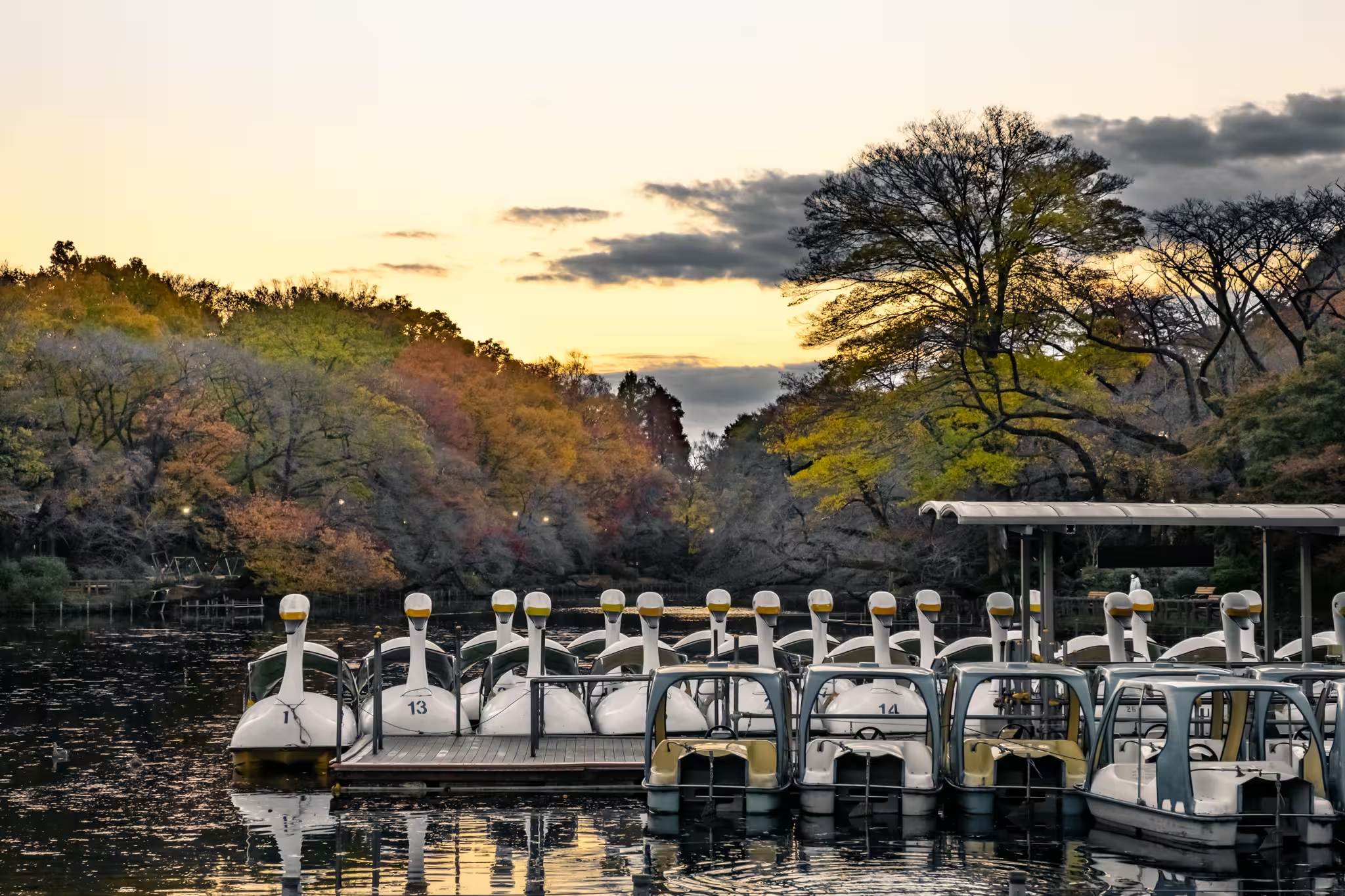
The pond is the heart of the park. It’s best known for the spectacular cherry blossom trees that line its banks, transforming the scenery in spring. Visitors flock to the water on the rowboats, paddleboats, and swan boats available for rent.
It is a place to enjoy, and that energy is why Tokyoites love it so much. For a photographer, it is a great place to capture genuine moments of life in Tokyo.
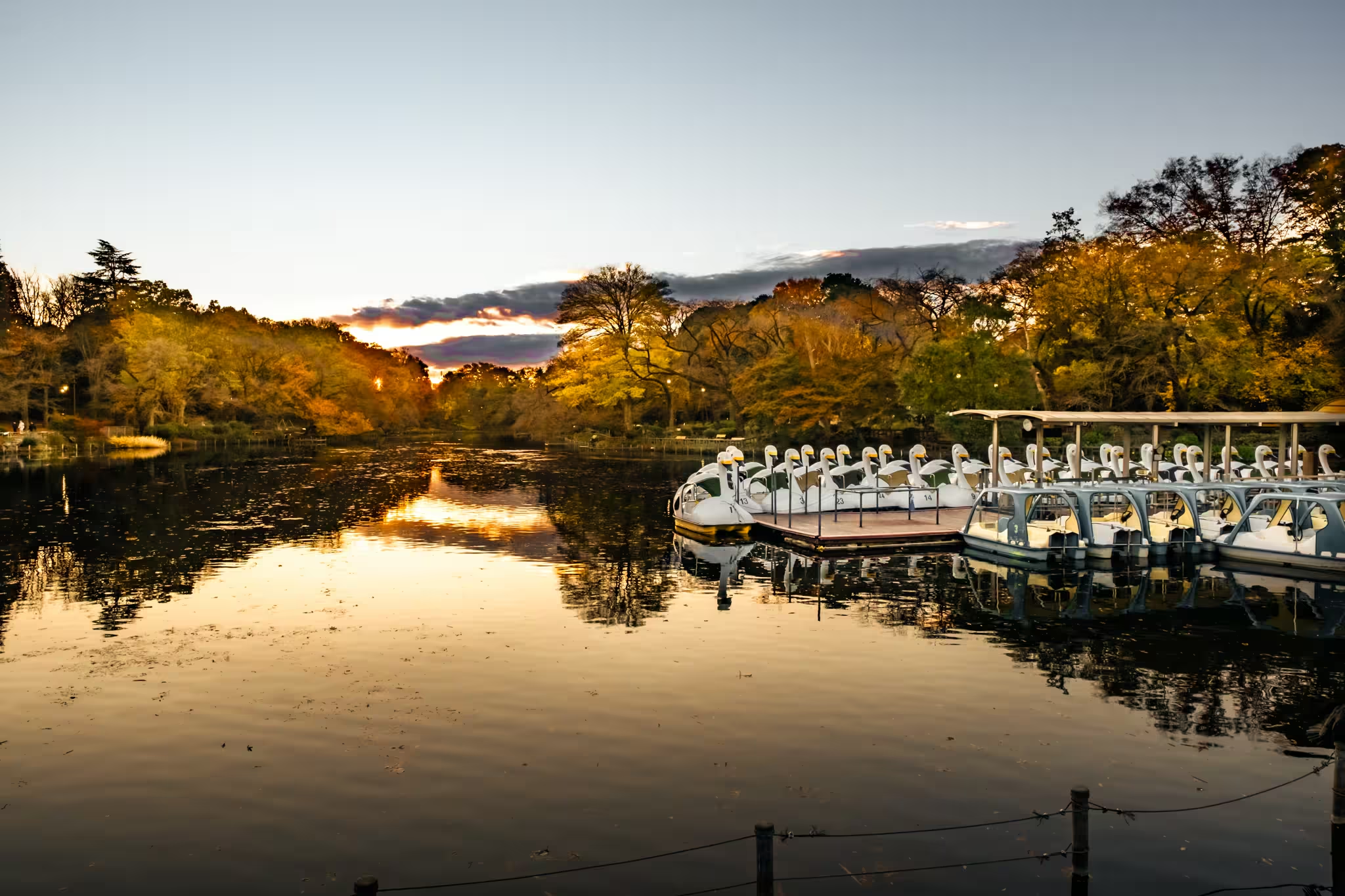
People rent them all year for exercise, a romantic afternoon, or just fun with friends. Whatever their reason, the boats offer fantastic photo opportunities against the backdrop of the changing seasons. Sunrises and sunsets over the pond can be particularly stunning.
Benzaiten Temple & its curse
Nestled on an island in the pond is a shrine dedicated to Benzaiten, the goddess of love, music, and knowledge. The temple’s intricate details and the pops of red against the natural landscape make for lovely shots.
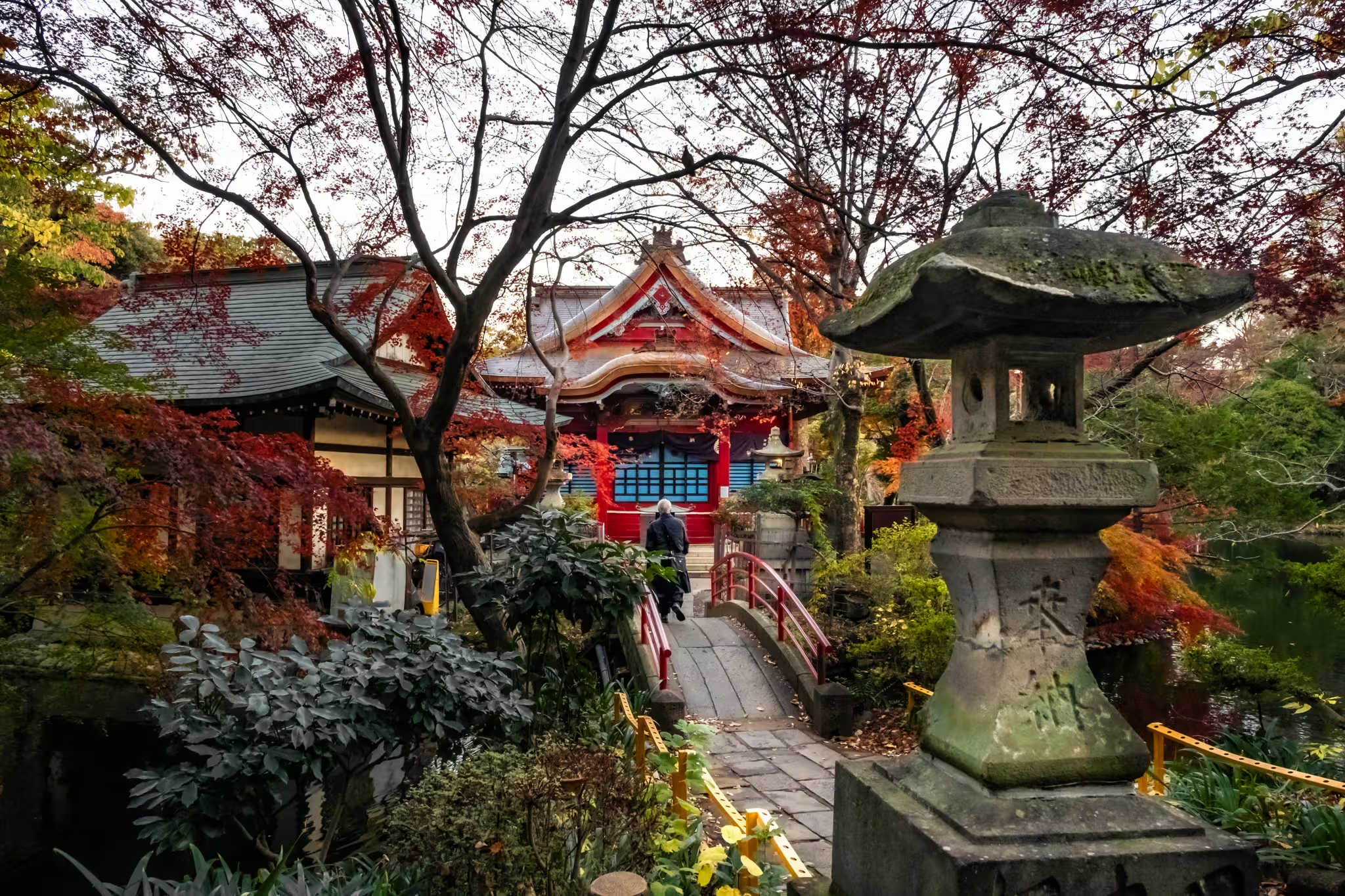
If you don’t know, rumor says Benzaiten is a jealous deity who has cursed the pond’s swan boats. Any couple that rides one together is destined to break up!
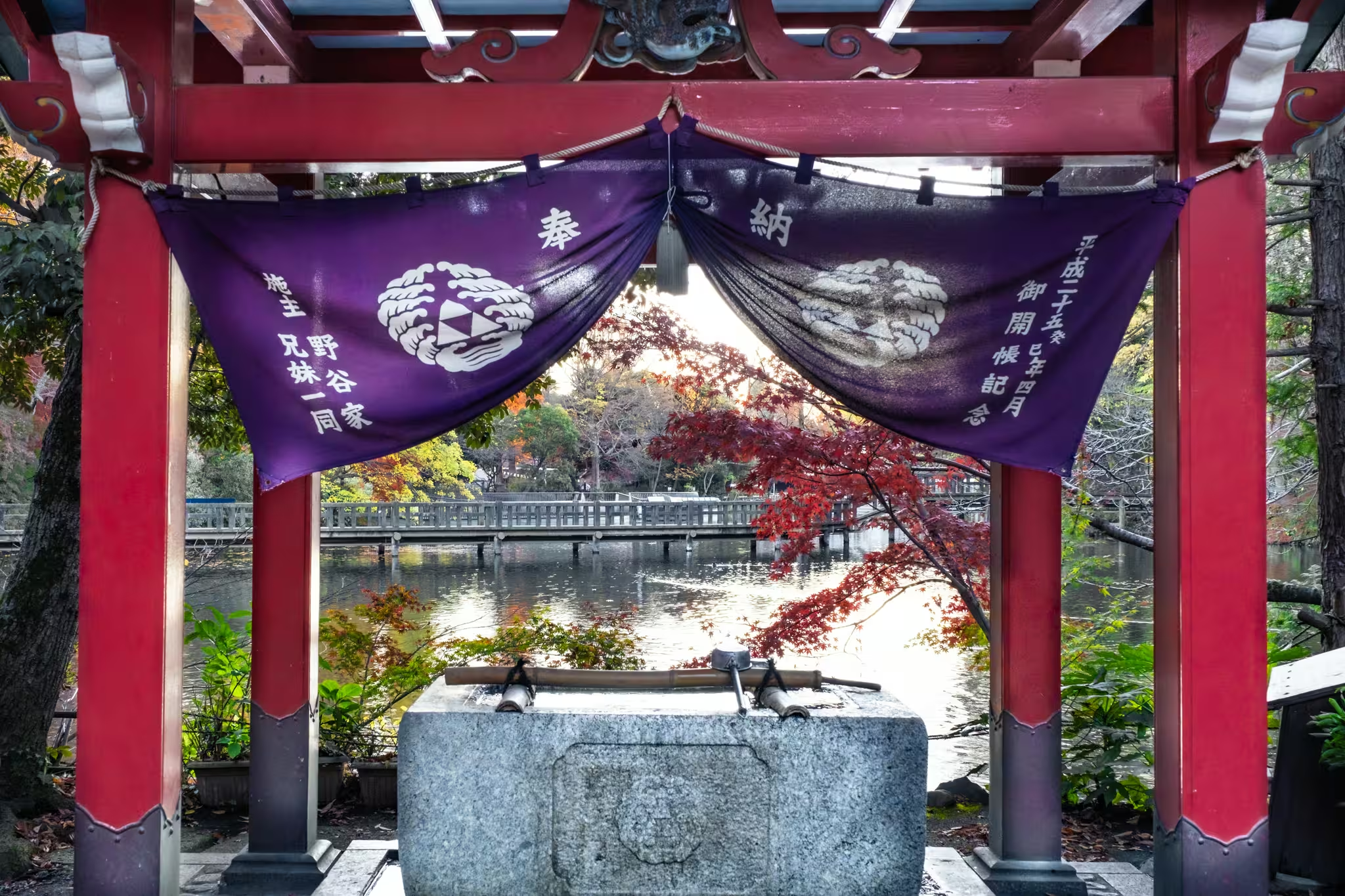
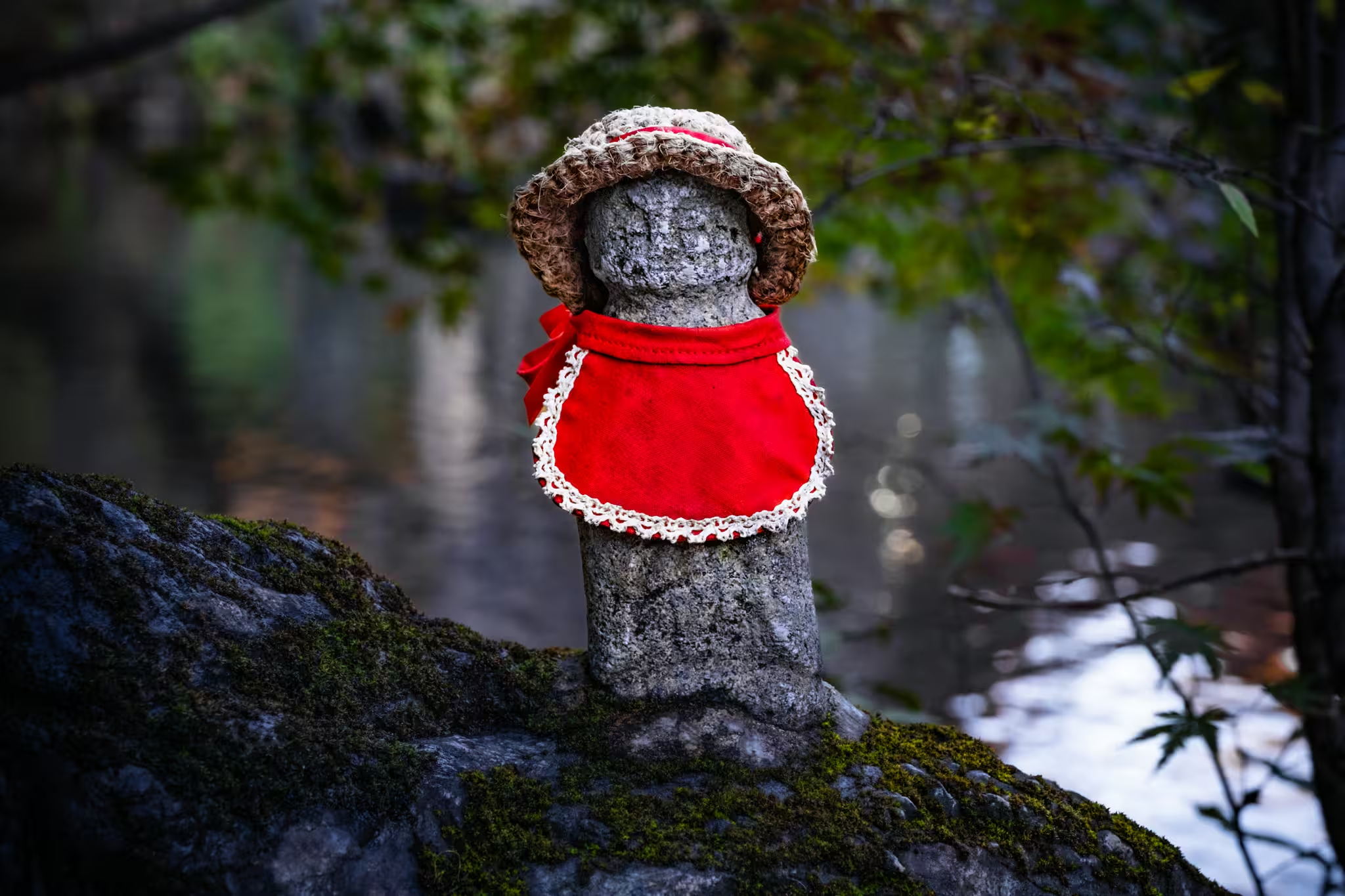
I don’t personally believe in it, but many people do, which adds a layer of legend to your photos. Keep an eye out for the small Jizo statues dotted around the park as well.
Seasonal offerings
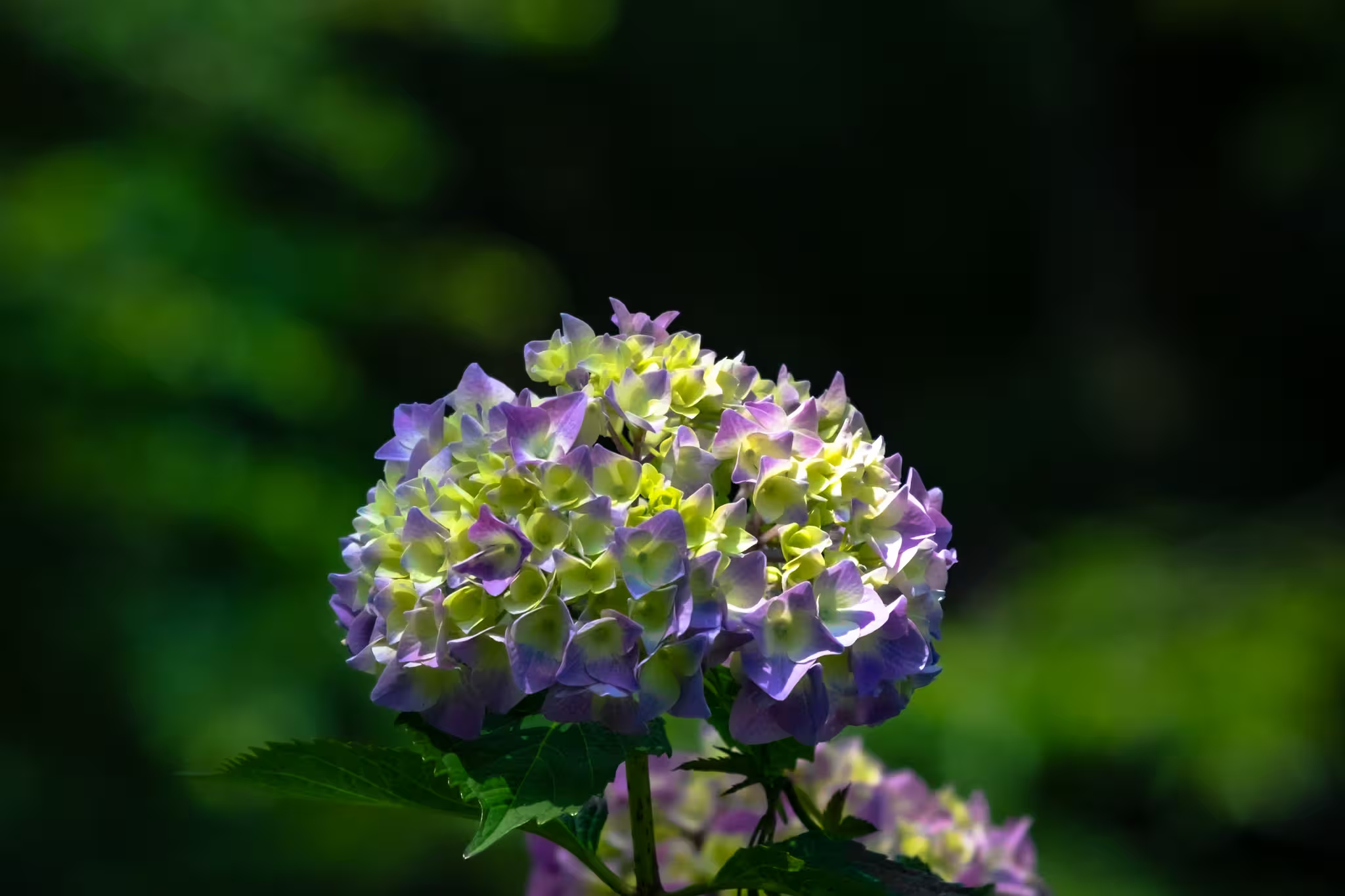
While spring is the main drawcard for cherry blossoms, every season offers a unique color palette. After the cherry blossoms, the park welcomes azaleas and lush summer hydrangeas.
Come autumn, the grounds are painted with brilliant fall leaves. Winter has a stark beauty of its own, with crisp light and bare branches creating dramatic silhouettes.
Do you want to see Inokashira Park’s cherry blossoms? Look at these articles from over the years:
- Inokashira Park’s Night Cherry Blossoms (2022)
- Inokashira Park Cherry Blossoms 2022
- 2017 Inokashira Park Cherry Blossoms
People, performers, & wildlife
Inokashira Park is a stage for daily life and impromptu performance. Talented buskers and street performers often entertain the crowds, providing lively subjects for your camera.
It’s also a haven for wildlife, especially birds. Birdwatchers and photographers can spend hours capturing the local avian residents.
Plan your Inokashira Park trip
Best times to go
With so much to capture, the “best” time depends on your goal. Here are a few ideas:
- Spring: For the iconic cherry blossoms that attract huge crowds for hanami parties.
- Summer: For deep greens, flowering hydrangeas, and people playing on the pond.
- Autumn: For beautiful and rich fall foliage.
- Dawn and late afternoon: For the softest light and the best opportunities for bird photography.
What lenses to take
With such a variety of subjects, every lens has a use:
- If you are into birding, take your longest telephoto lens.
- For those focused on flowers, a macro lens is a must.
- Primes and short zooms are versatile for capturing landscapes, street scenes, and portraits.
Visitor information
- Address: 1 Chome-18-31 Gotenyama, Musashino, Tokyo
- Train access:
- Kichijoji Station: A 10-minute walk from the park, served by the Chuo, Keio-Inokashira, Sobu, and Tozai lines.
- Inokashira-koen Station: Located right inside the park, served by the Keio-Inokashira line. It offers direct access from Shibuya in under 30 minutes.
- Entry cost: Free
- Opening hours: Always open
- For the most up-to-date information, consult the official Inokashira Park website.
- Here is the park on Google Maps:
Photo spots near Inokashira Park
Once you are finished in the park, the adventure doesn’t have to end.
- Inokashira Park Zoo: The park actually has two zoos. One is for birds within the main park, while other animals are over the road.
- Nogawa Park: Another park that is great for families and quiet picnics. It’s also famous for red spider lilies.
- Kichijoji: The area around the station is full of shops, restaurants, and interesting streets to explore.
Quirky vending machine food
This isn’t photo-related, but you might stumble upon a unique culinary experience. Find the unusual vending machine that sells canned bread, grasshoppers, and bee larvae! I’m warning you, they are expensive!
Why is Inokashira Park so popular?
Unlike the historically formal settings of Edo-period parks like the amazing Kiyosumi Gardens or the manicured landscapes of Shinjuku Gyoen, Inokashira Park offers a different feeling.
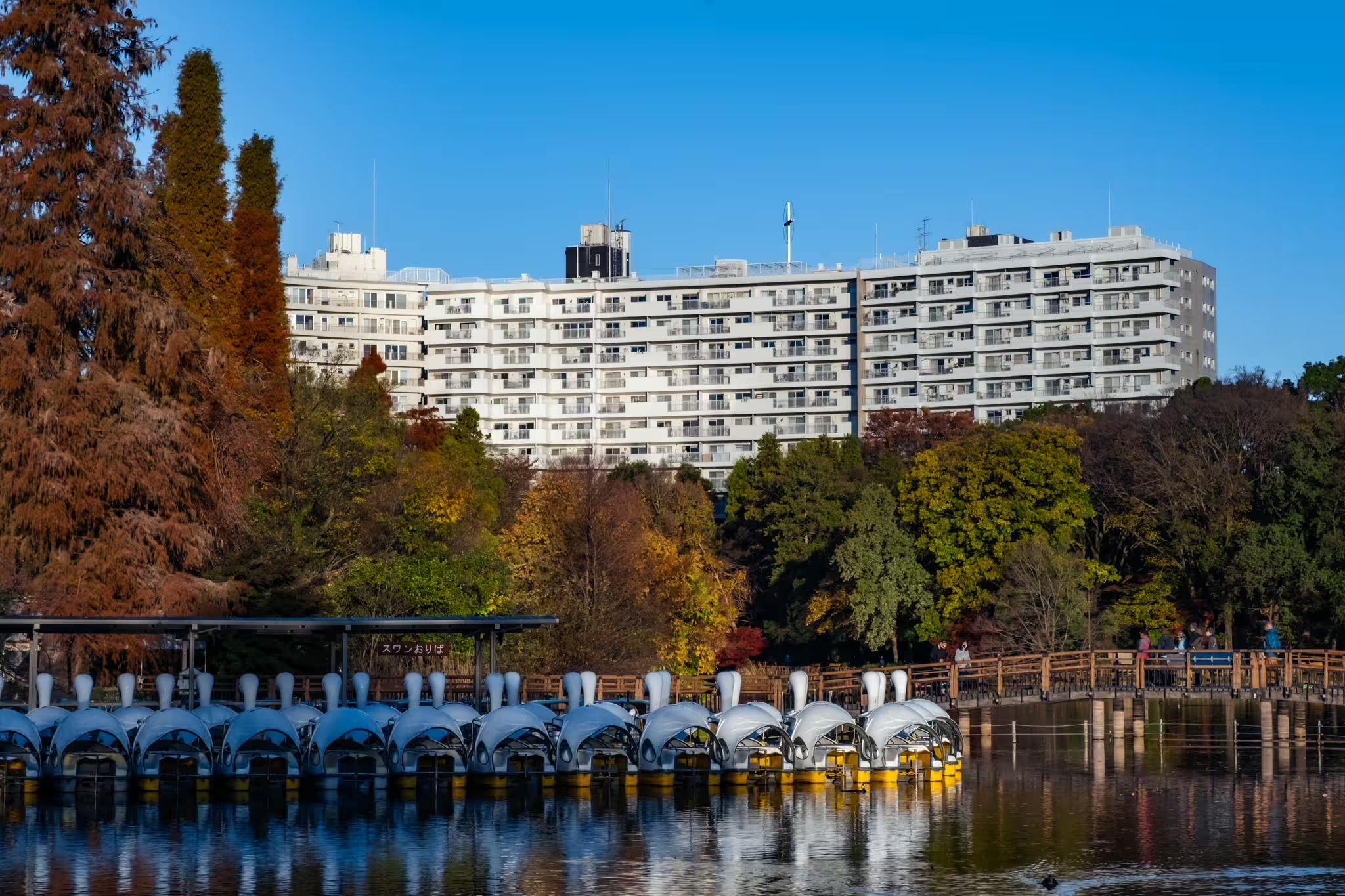
The first thing you’ll notice is the dense canopy of trees. In the sweltering Tokyo summer, their branches provide welcome shade, creating a true escape from the concrete jungle. People come for fun and relaxation, creating an atmosphere full of photographic moments.
On any fine day, the park is alive with activity. You’ll see families on picnics, friends laughing on boats, artists painting watercolors, and locals walking their dogs.
It is a place to enjoy, and that energy is why Tokyoites love it so much. For a photographer, it is a great place to capture genuine moments of life in Tokyo.
History of Inokashira Park
When Ieyasu Tokugawa established his government in Edo, the castle lacked a reliable source of fresh water. He tasked his son, Hidetada, with finding one.
The pristine water of Inokashira Pond was the solution. To transport it, the Kanda River was constructed, and you can still see where the pond feeds the river today. Follow it to Takaido Station and you’ll find another great cherry blossom spot.
In the Meiji period, the land was acquired by the city and placed under the control of the Ministry of the Imperial Household. In 1913, it was passed back to the city, and in 1917, it was officially opened to the public as Inokashira Onshi Kōen (Inokashira Imperial Grant Park).
Is Inokashira worth photographing?
Inokashira Park is more than just a beautiful Tokyo photo spot; it’s an experience. It offers a remarkable variety of subjects for every type of photographer, from landscapes and nature to street photography and cultural details.
You could easily spend a whole day getting lost with your camera, and once you’re done, the lively Kichijoji area provides even more to explore. And if you love the park’s cherry blossoms, but want to see the flowers in a more urban setting, head to the tree-lined Nakano-Dori.