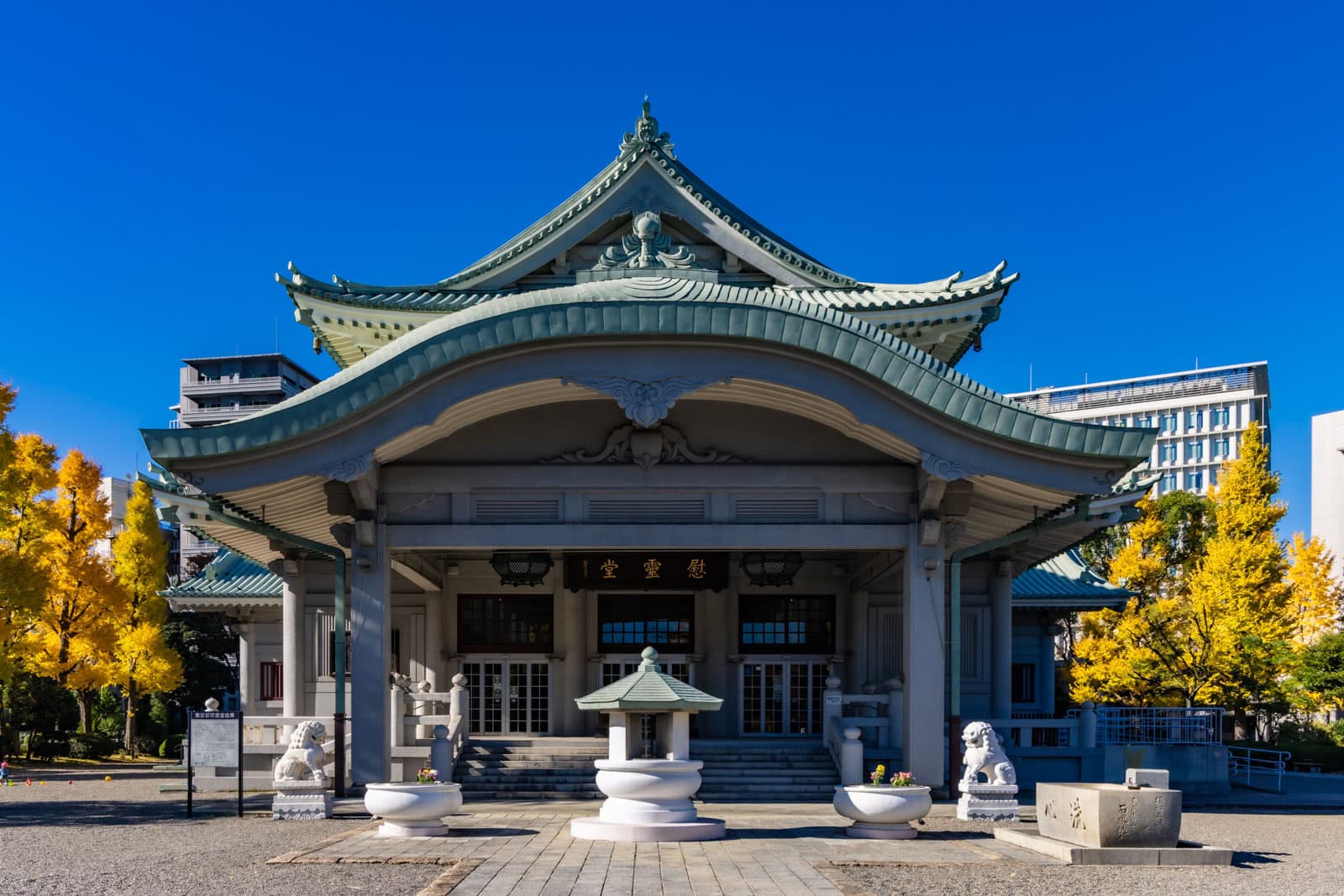
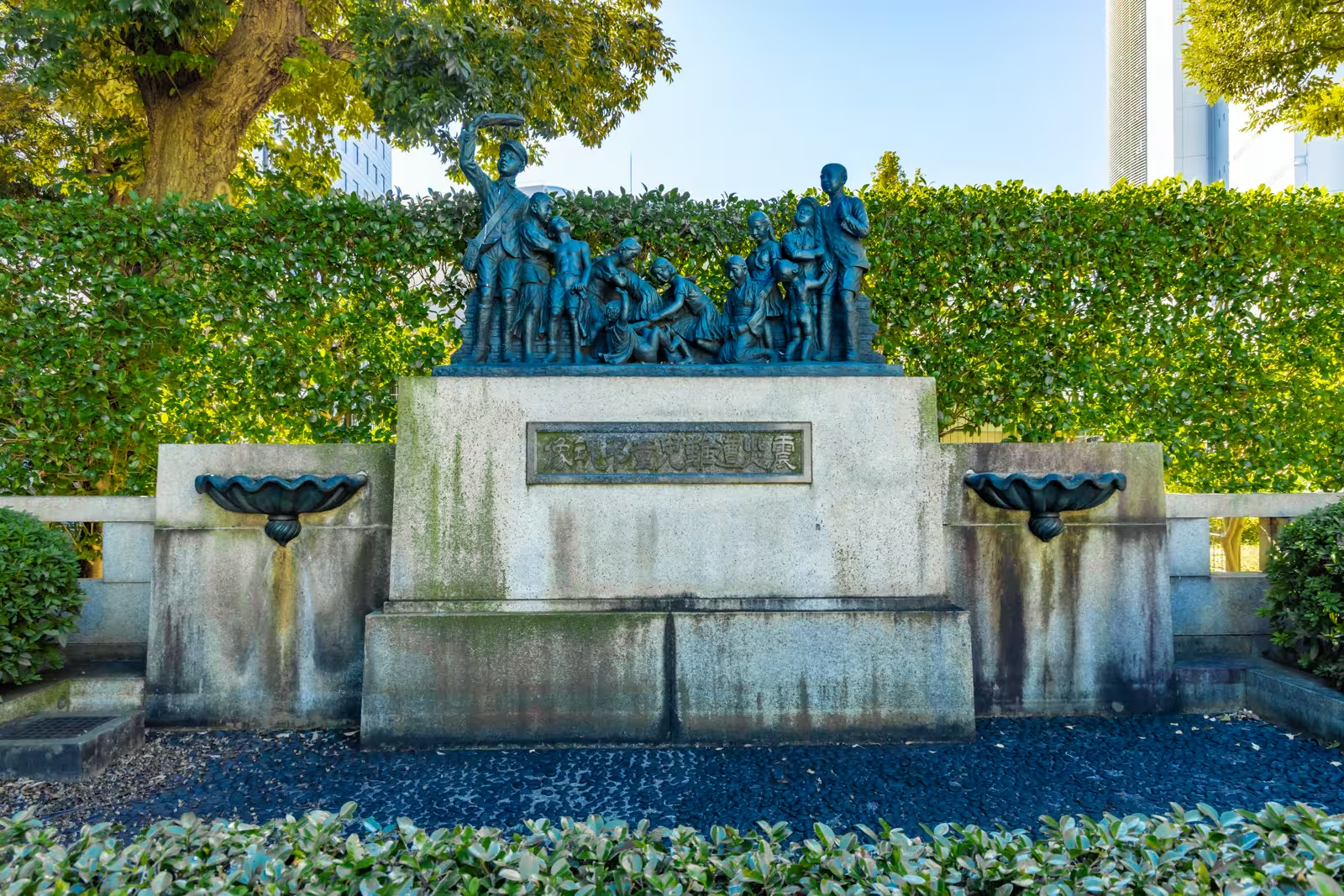
The Tokyo Metropolitan Memorial Hall was born from two enormous tragedies. One was the 1923 Great Kanto Earthquake; the other was the 1945 Bombing of Tokyo. Each event claimed over 100,000 lives that Tokyo hasn’t forgotten.
Within these grounds, tribute is paid not only to the victims of quake and fire, but also to those lost in a darker, more hidden chapter of the city’s history.
Memorial services are held annually to remember the events of 1923 and 1945. Politicians, members of the general public, and survivors attend them. The earthquake and air raids will never be forgotten. Tribute is paid to history.
Remembering the massacre of Koreans
Tokyo Metropolitan Memorial Hall also commemorates another event connected with the earthquake. That was the massacres of Koreans in the aftermath. This must be the darkest stain on Tokyo’s history. To call it a tragedy would be considered by some to be an understatement.
During the earthquake, the Ministry of Home Affairs declared martial law. It warned the police that certain groups might take advantage of the situation. Unfortunately, rumors said Koreans were planning acts of terrorism and arson.
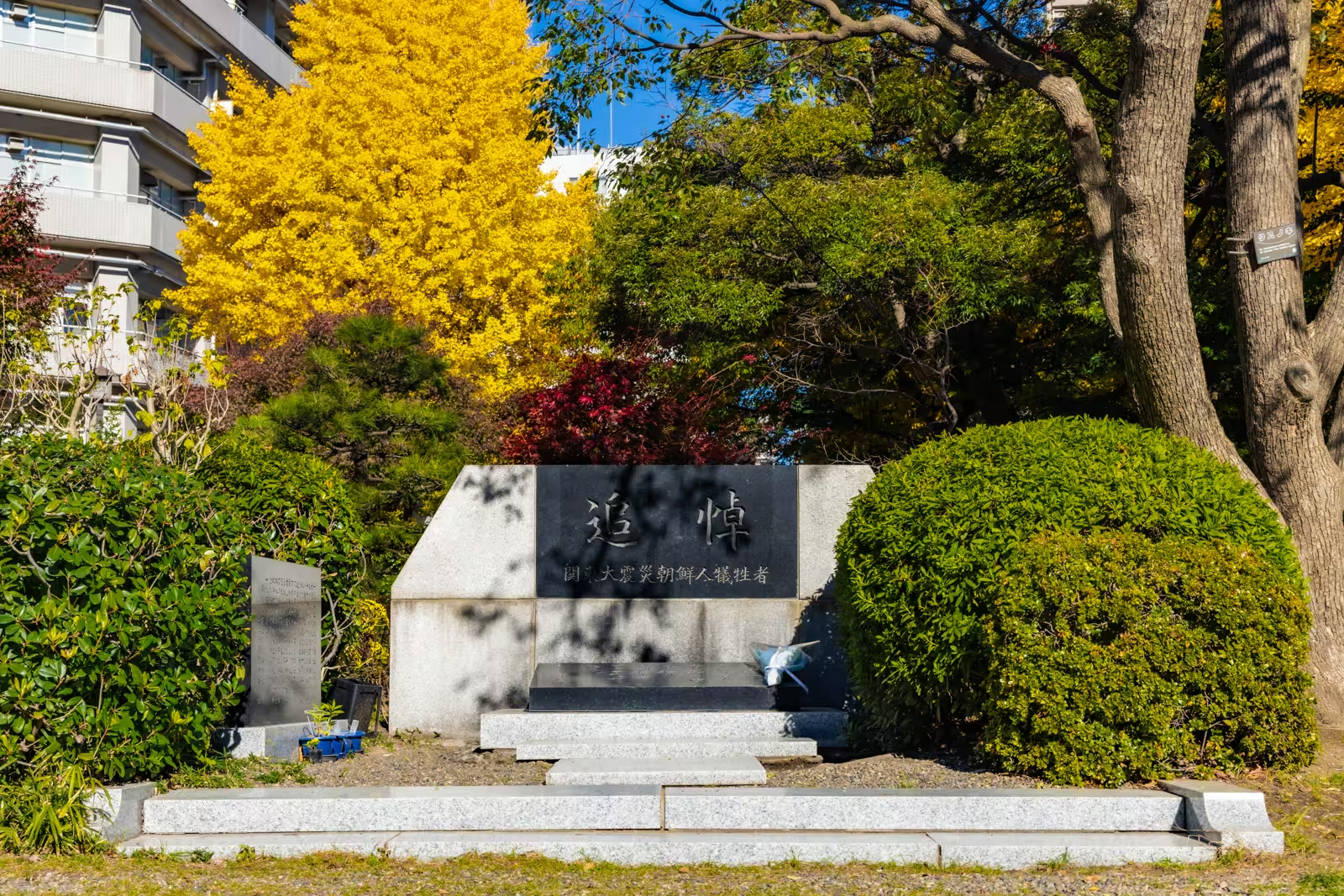
Newspapers ran the story without fact-checking. One thing led to another, and approximately 6000 Koreans were murdered. Some sources claim higher numbers. Prosecutions were few. The sentences were lenient.
People wonder why the relationship between Japan and Korea can be rocky. Tokyo Governor Yuriko Koike’s attitude towards the event doesn’t help.
The visitor experience
Confronting these three intertwined tragedies—the earthquake, the bombings, and the massacres—is a heavy experience. It leaves a visitor wrestling with very different, conflicting emotions.
Of course, one is sadness due to the sheer number of people who died during those events long ago. The other is thinking about how the earthquake and bombings affected Tokyo.
Inside the hall are pictures of the earthquake and the bombings aftermath. The stark monochrome images show whole areas completely flattened, gone. Nothing was left but rubble. One picture shows many bodies burnt beyond recognition, stacked upon each other.
What could the city do? It got up and rebuilt itself.
Seeing this forces a reflection on the nature of history. If these tragedies hadn’t happened, how different would Tokyo be? But to even ask if it would be ‘better’ feels like an impossible, almost obscene question. What is certain is the astonishing resilience on display.
These events undeniably forged the city we see today; it did not just rebuild, it reinvented itself from the ashes. It’s that unyielding spirit of endurance that resonates most of all.
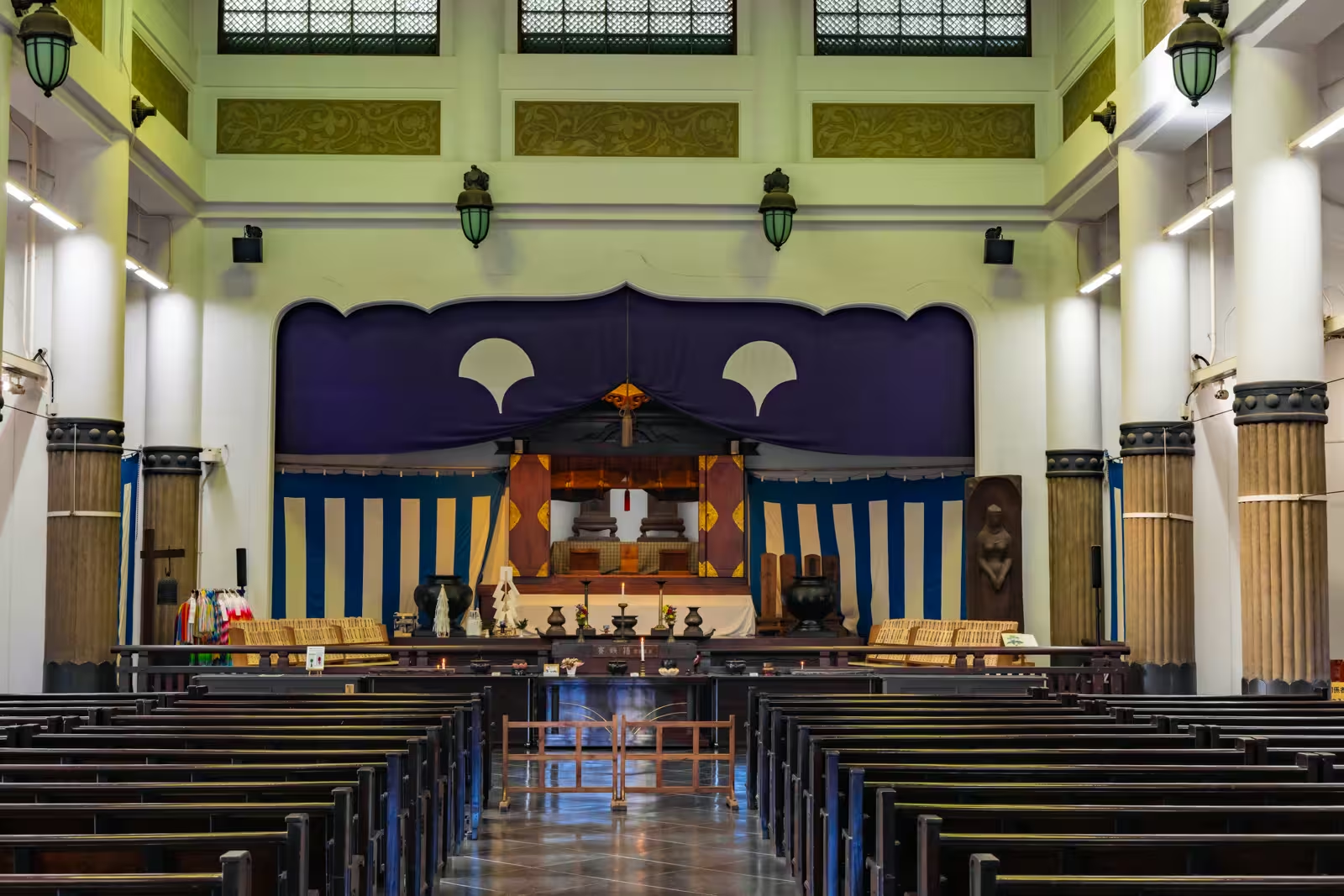
If you ever visit Tokyo Memorial Hall, give a thought to the people enshrined there. Think about the destruction that happened around them. It must have been terrifying when they met their fates.
Photography tips for the memorial
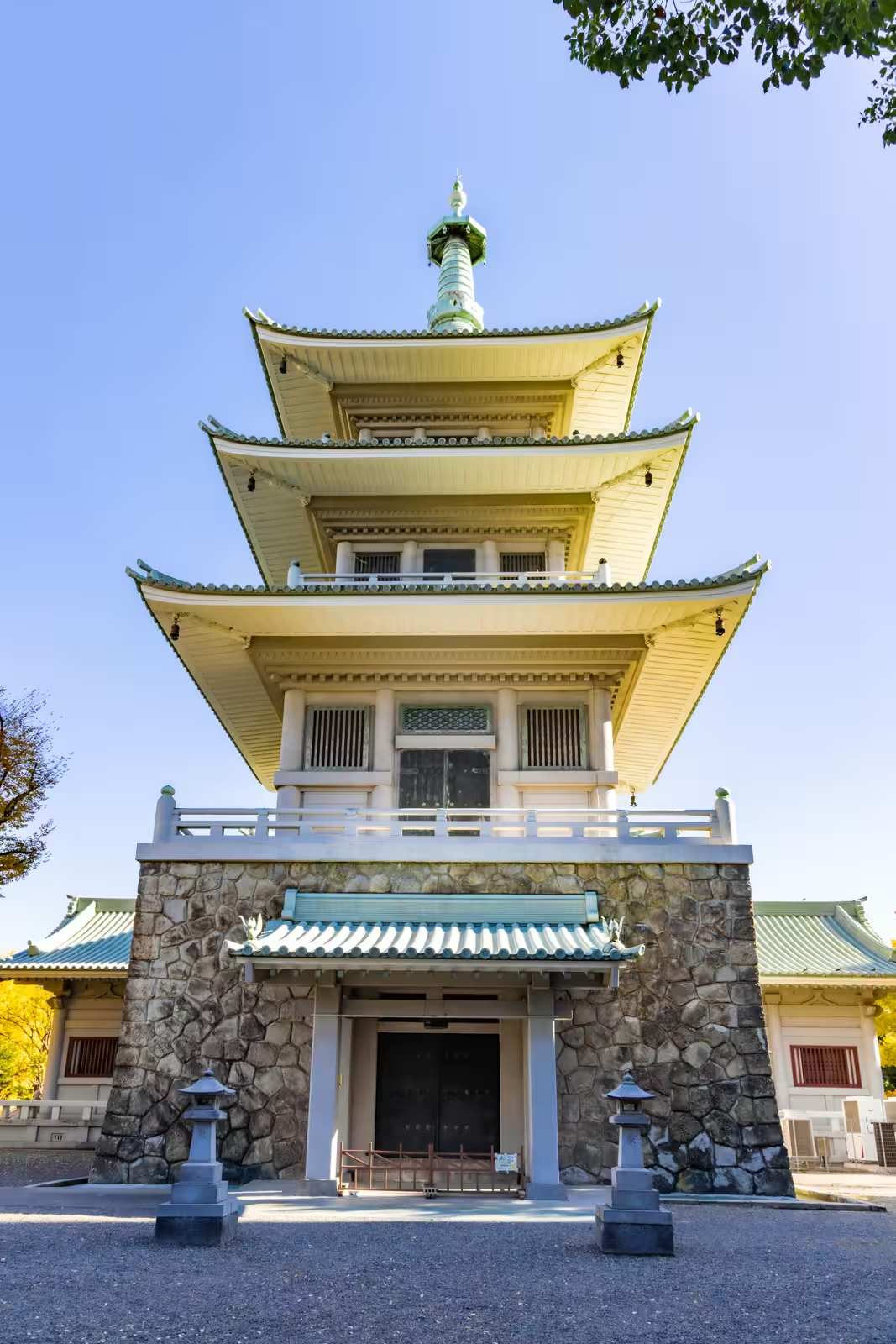
- The building faces east, so it will be well lit in the morning. Shooting it in the afternoon, looking into the sun.
- Photography is allowed inside, but allow other visitors their privacy.
- The building’s interior and exterior is large so take a wide-angle if you have one.
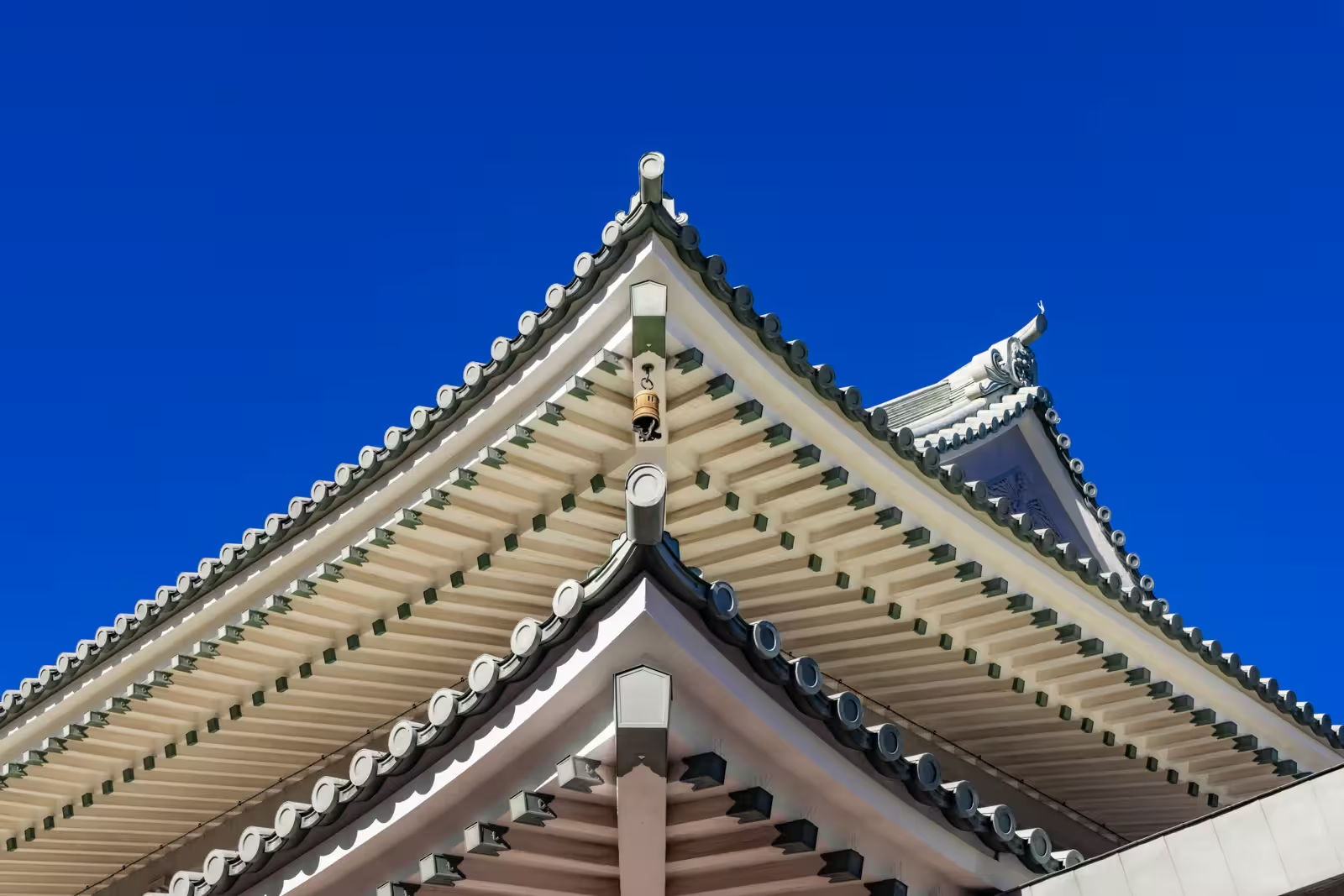
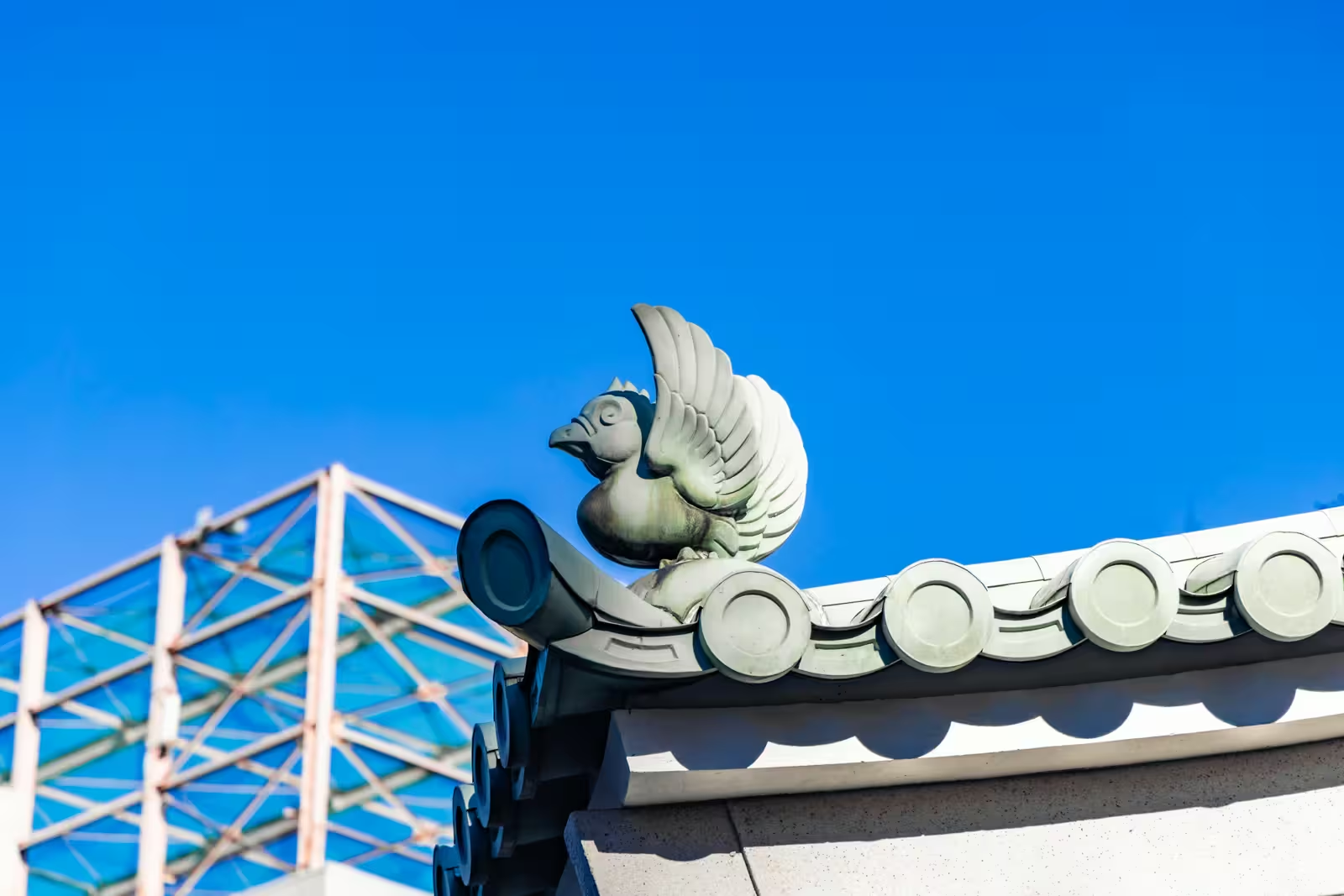
- Bird carvings are on the roof so you will need a zoom to capture them.
A museum for the 1923 Kanto earthquake
Next to the hall is the Kanto Earthquake Memorial Museum. Entry is free, and I urge you to visit it. The museum is small, old, and needs upgrading, but the exhibits are compelling. They tell the story of September 1, 1923, very well.
It is one of my favorite museums in Tokyo. While your visit there will probably be brief, it gives plenty to ponder. The exhibits offer insight into that fateful event.
A visit here is emotionally taxing. After paying your respects and absorbing the weight of this history, you may find yourself in need of a different perspective on Tokyo’s long and complex story. Thankfully, the Ryogoku area offers just that.
When to visit the hall
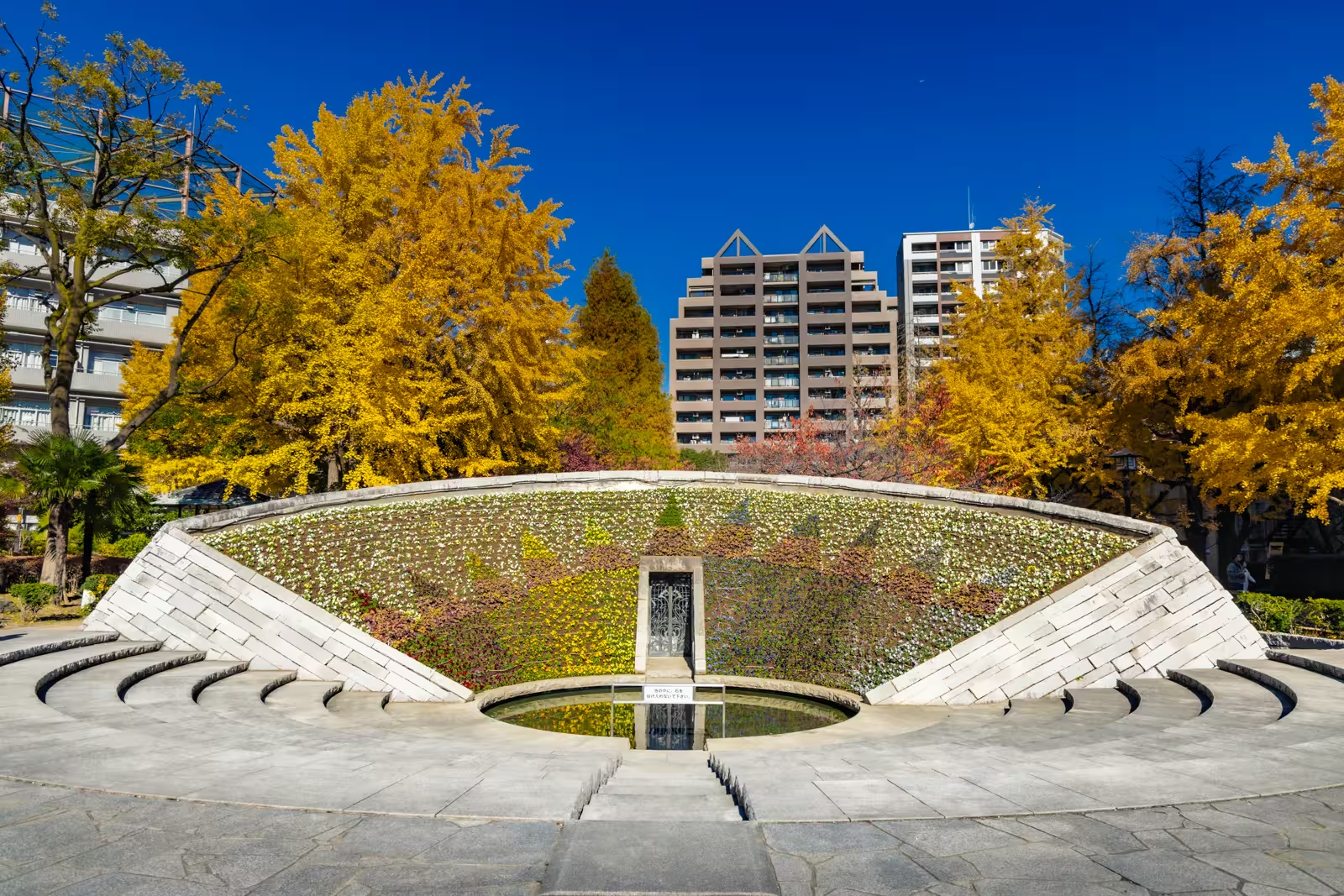
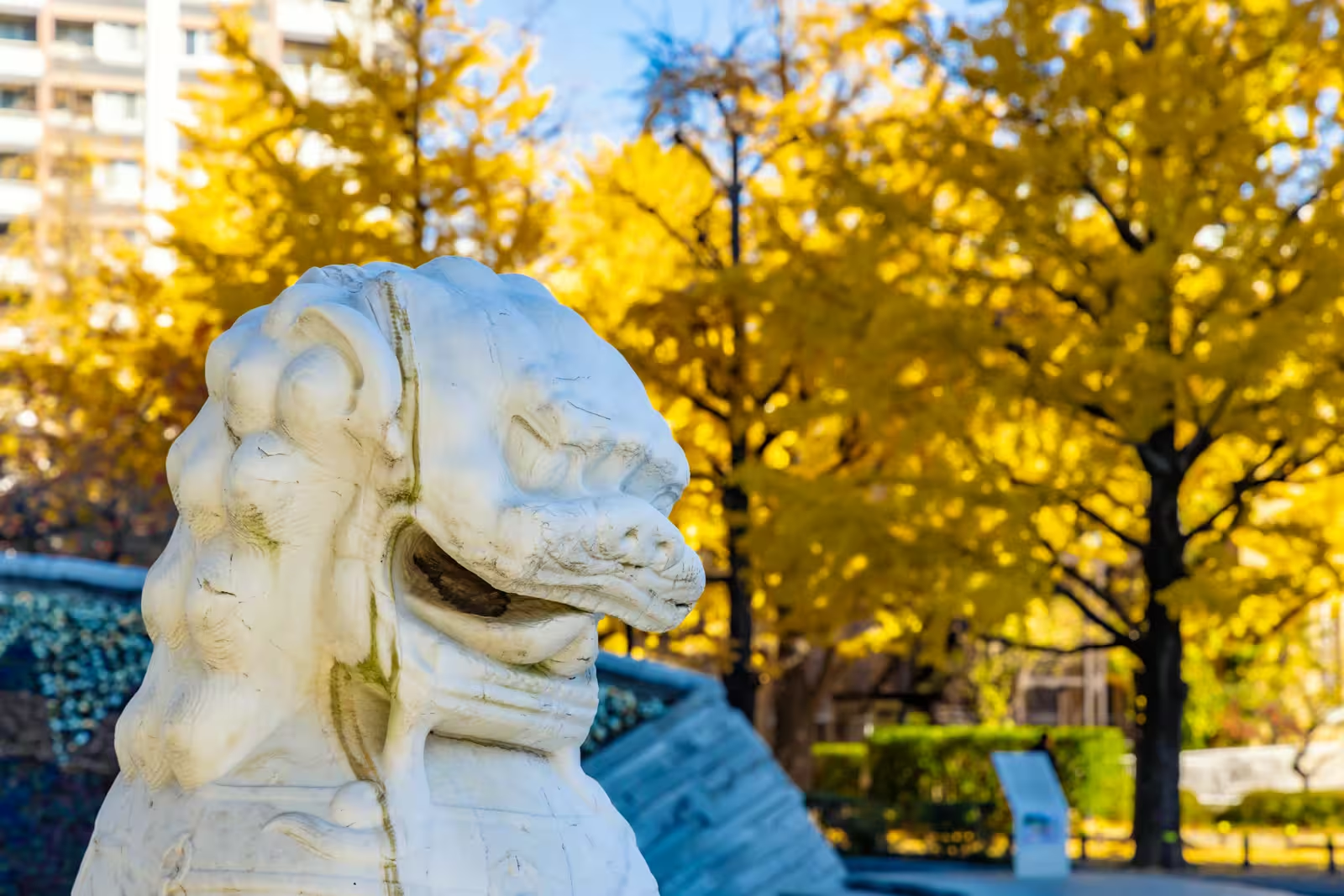
A final note. If you can, visit the hall in autumn. The grounds are filled with ginkgo trees that blaze in brilliant yellow. They add a stunning touch of color and life to this solemn space.
Against the grey stone of the memorial, it’s a beautiful, poignant reminder that even after the deepest darkness, life and beauty find a way to return. If ever a place needed that reminder, this is the one.
Visitor information
- Tokyo Metropolitan Memorial Hall Address: 2-3-25 Yokoami, Sumida City, Tokyo
- Closest train stations:
- Ryogoku has two. One is JR and the other is a Metro. From the JR, the hall is a ten-minute walk. The subway is about a five-minute walk.
- Opening hours: 9 a.m. to 4:30 p.m.
- Admission costs: None
- You can find the most up-to-date information on the official Tokyo Metropolitan Memorial Hall website.
- Here is the hall on Google Maps:
Photo spots near the hall
- Edo-Tokyo Museum (it tells the whole Tokyo story)
- Japanese Sword Museum (weapons of the samurai presented as art)
- Sumida Hokusai Museum (artworks of the great ukiyoe master)
- Yasuda Gardens (where you’ll find the Japanese Sword Museum)
Share your thoughts
Have you visited Tokyo Metropolitan Memorial Hall? What did you think about it? Share your thoughts by leaving a message in the comments below.