
The roar of a jet engine has a way of commanding attention. While I have been an aviation enthusiast for as long as I can remember, I realized in 2021 that I had never actually attempted to capture jetliners with a camera.
Well, I shot military aircraft at Iruma Air Base Open Day in 2019, but that wasn’t the same. To begin my journey into civilian aviation photography, I needed a location that balanced accessibility with high-frequency action.
Tokyo offers several options for aspiring spotters, but choosing the right one requires a bit of strategy.
A beginner planespotter’s dream
Tokyo’s aviation landscape is diverse, but many of its smaller airports are situated on outlying islands, making them impractical for a day trip. This left me with three contenders within the metropolitan area.
Narita International was my first thought. But it’s in Chiba Prefecture makes for a long, expensive commute.
Then there was Chofu Airport, which is conveniently located just a few kilometers from my home. The only problem is that only light propeller aircraft use it. For my first outing, I wanted something exciting, but with some convenience.
That was Haneda Airport. With three massive terminals and a location significantly closer to the city center, it was the logical choice.
By taking the Tokyo Monorail from Hamamatsucho Station, I could be at the observation deck in under an hour. For a first-time expedition, minimizing travel time allowed me to focus entirely on the craft itself.
How to get to Haneda Airport
Haneda Airport is situated in Tokyo’s Ota Ward and is exceptionally easy to access. You have two primary rail options: the Keikyu Line from Shinagawa or the Tokyo Monorail from Hamamatsucho.
Both provide a smooth, scenic transition from the urban sprawl to the airfield. Here it is on Google Maps:
For more information, consult the official Haneda Airport website.
Terminal 3 observation deck experience
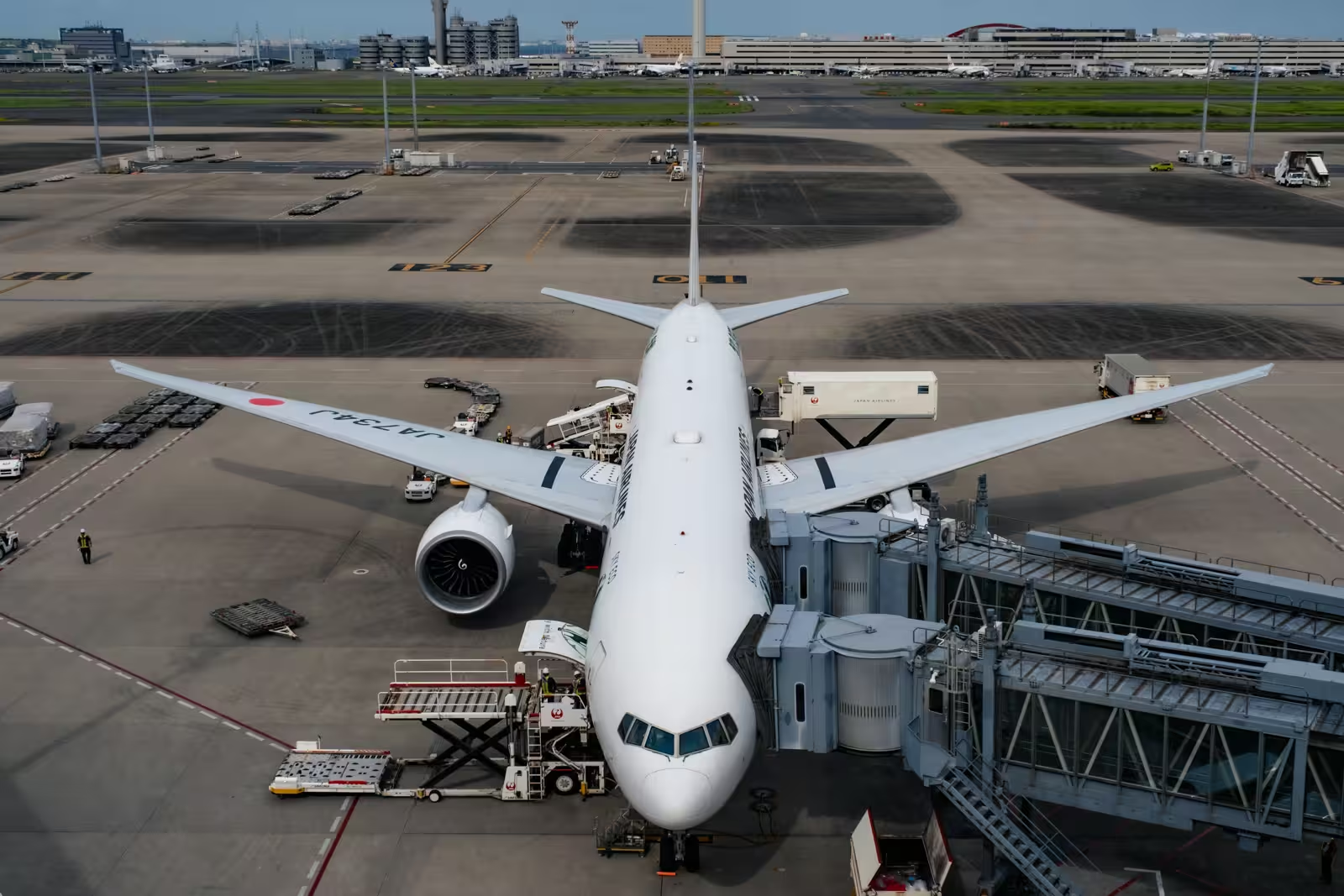
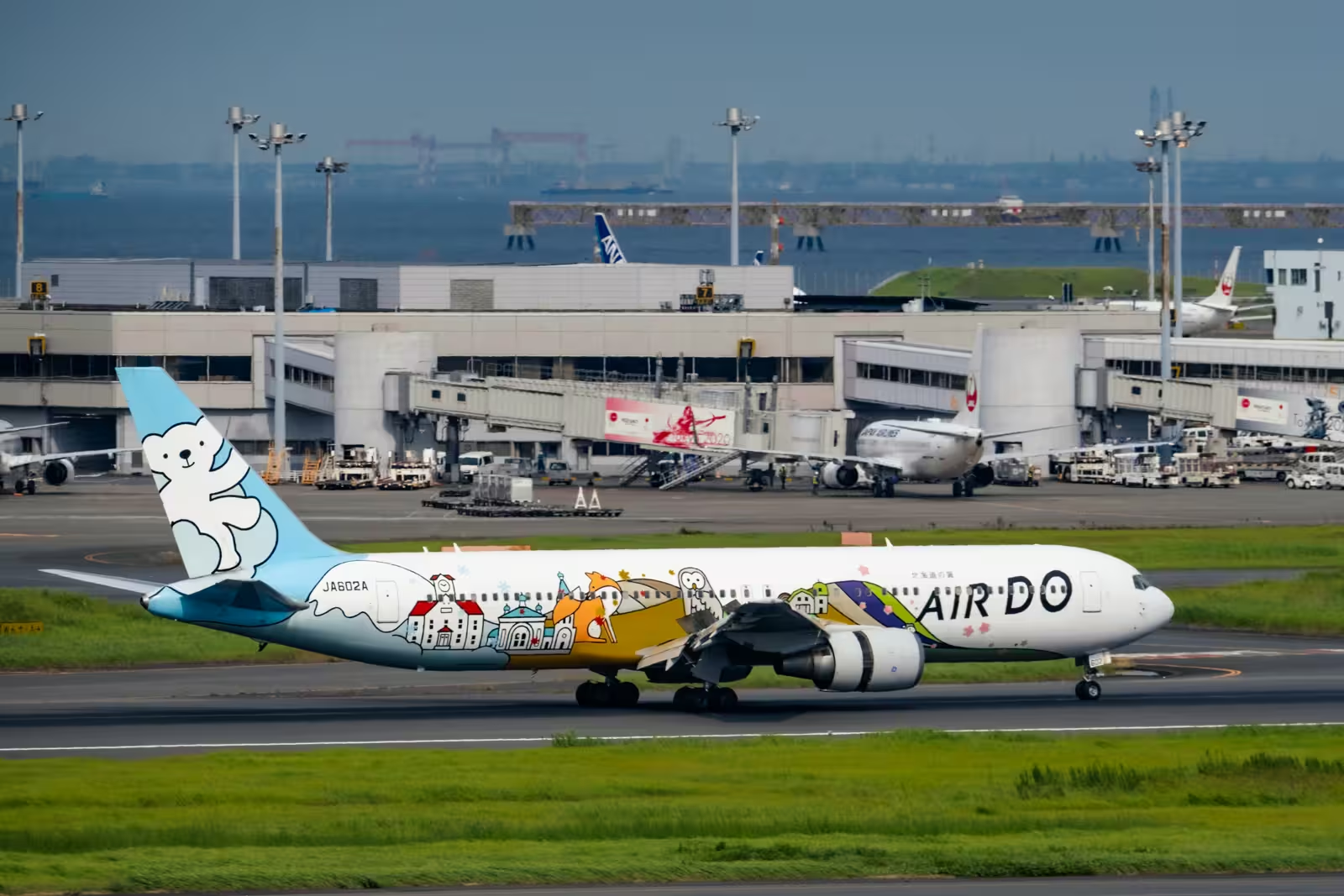
For this session, I set up camp at the Terminal 3 observation deck. Located on the fifth floor, the deck is outdoors, expansive and provides an incredible vantage point over the tarmac.
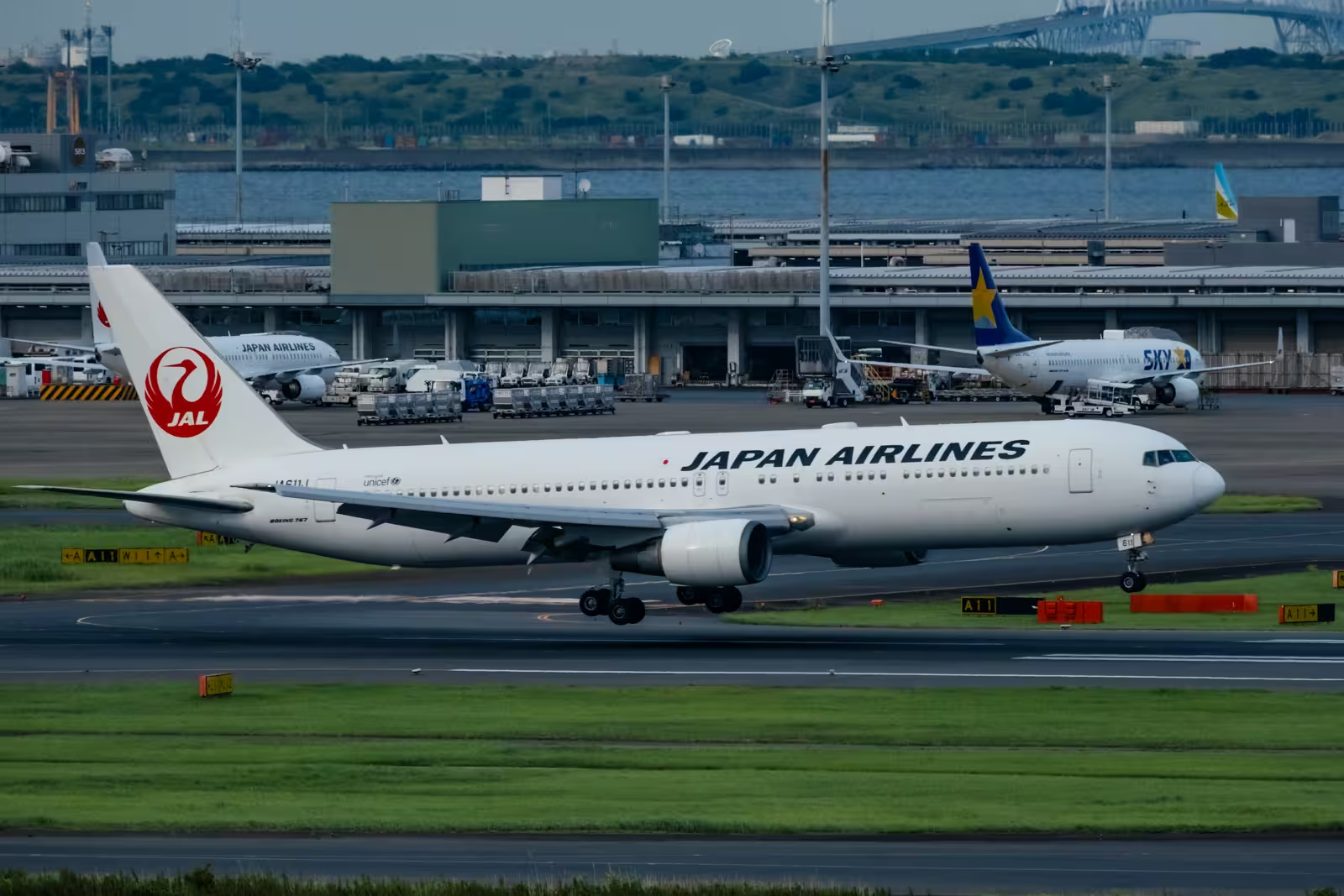
The experience of being there is visceral. A runway sits directly in front of you, and the rhythm of the airport is relentless; takeoffs and landings occur every few minutes.
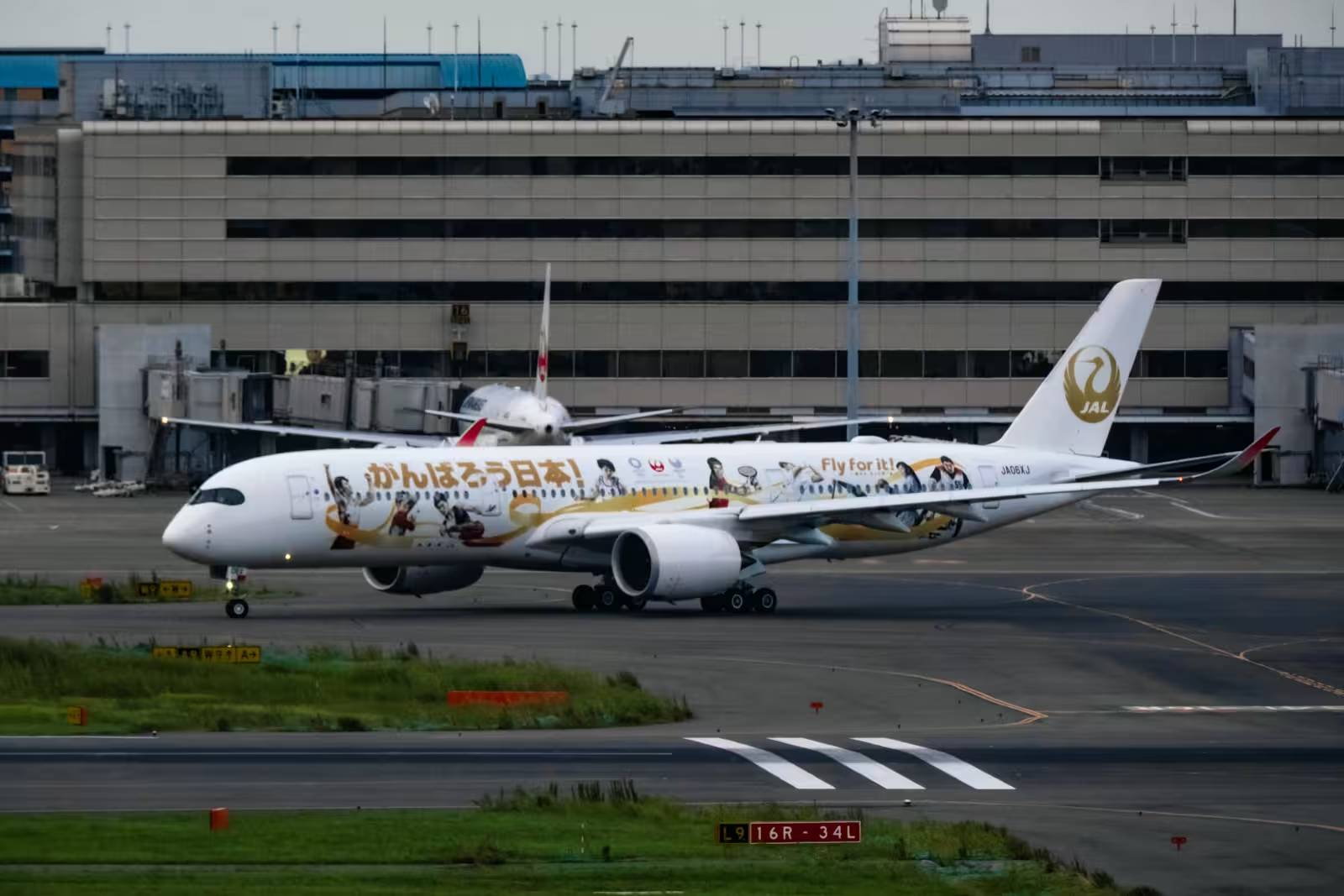
There was more than enough action to keep my camera busy throughout the afternoon. I found myself particularly captivated by the various liveries, from special Olympic-themed designs to the famous Pokémon jets.

Haneda aircraft spotting tips
Based on my first experience, there are several factors to keep in mind for anyone planning a visit:
- Timing the light: Lighting conditions generally improve after 11:00 a.m. However, keep in mind that if you photograph from Terminal 1 in the afternoon, the aircraft will be backlit.
- The barrier strategy: Safety is paramount, so a mesh exists between the deck and the aircraft. The gaps are roughly ten centimeters wide. That’s not enough to fit a 400 mm zoom lens through, but wide enough to shoot through clearly if you align your glass carefully.
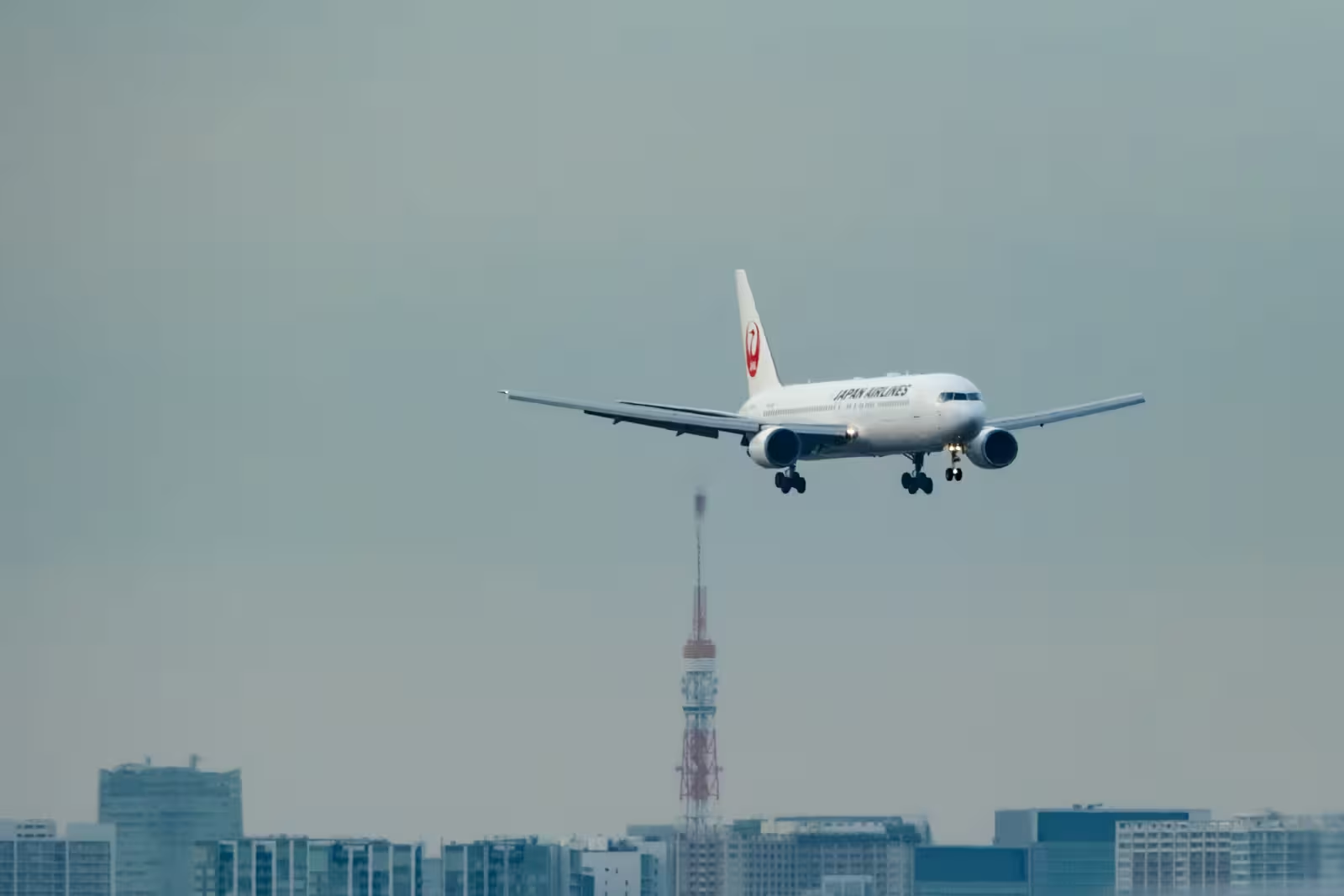
- Lens selection: The boarding gates are situated directly beneath the deck, making shorter lenses useful for close-ups. However, for the drama of a takeoff or landing, a long telephoto lens is essential as the runways are a considerable distance away.
Managing heat haze & weather
I visited on a warm day, which presented two specific challenges. First, the observation deck is entirely open to the elements. While there are plenty of drink machines, tables, and chairs, the summer sun can be punishing. Fortunately, the air-conditioned terminal is only a few steps away if you need a reprieve.
The second challenge was the heat haze. The combination of a hot summer day and the shimmering exhaust from jet engines meant that some distant objects appeared blurred or distorted. It is an atmospheric reality of Haneda Airport that requires a bit of patience and post-processing to manage.
Views from the observation deck
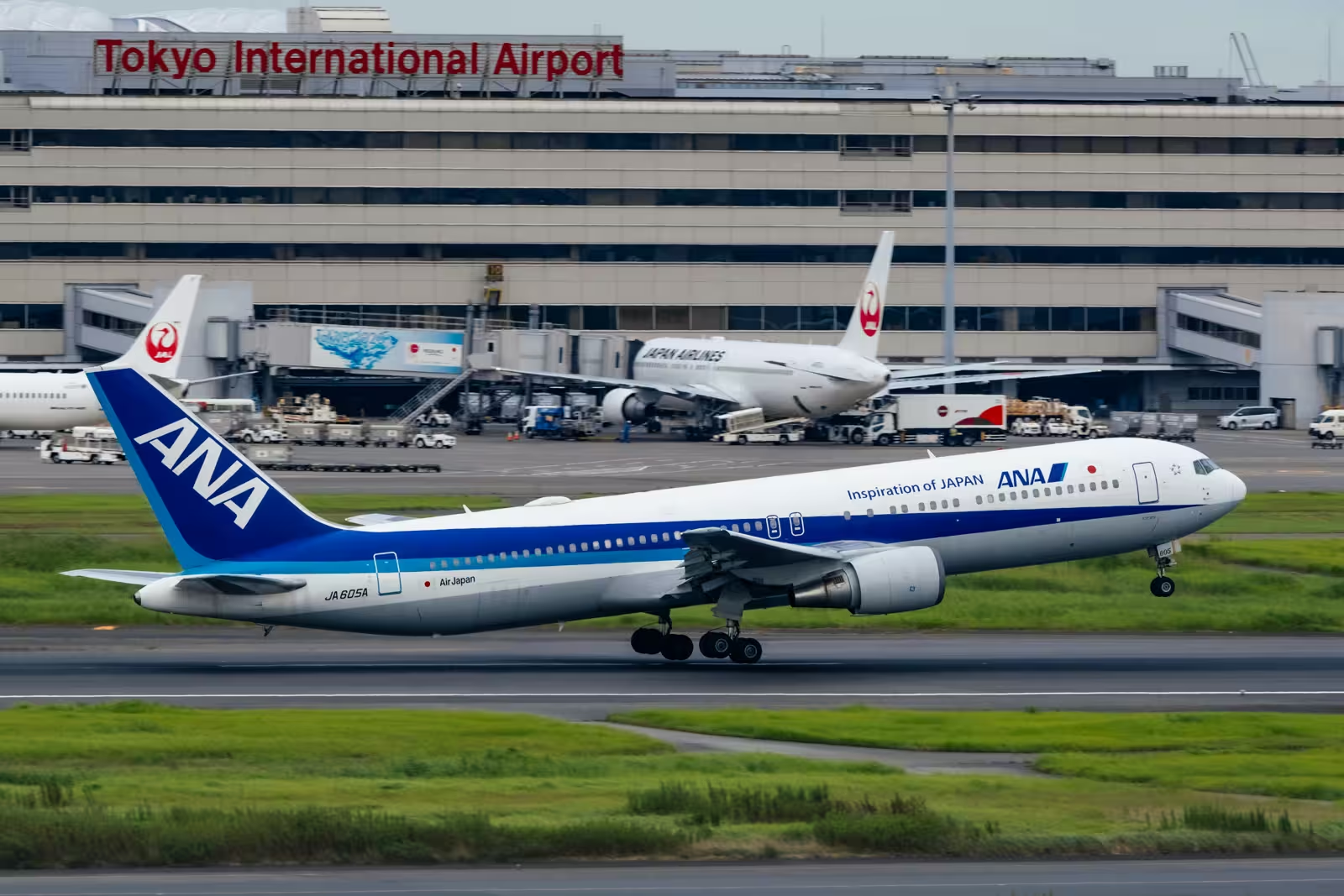
While the aircraft are the primary draw, the Terminal 3 deck offers a panoramic look at the Tokyo skyline. If the visibility is clear, you can capture several iconic landmarks in the background of your shots:
- Tokyo Skytree
- Tokyo Tower
- Rainbow Bridge
- Tokyo Gate Bridge
Is Haneda Airport good for planespotting?
My first foray into aircraft photography at Haneda Airport was successful. There is a specific thrill in capturing a massive airliner at the exact moment of rotation or touchdown, and the variety of international carriers kept the session engaging from start to finish.
Even the technical hurdles, like the cable barriers and the summer heat, were easily managed with a bit of preparation.
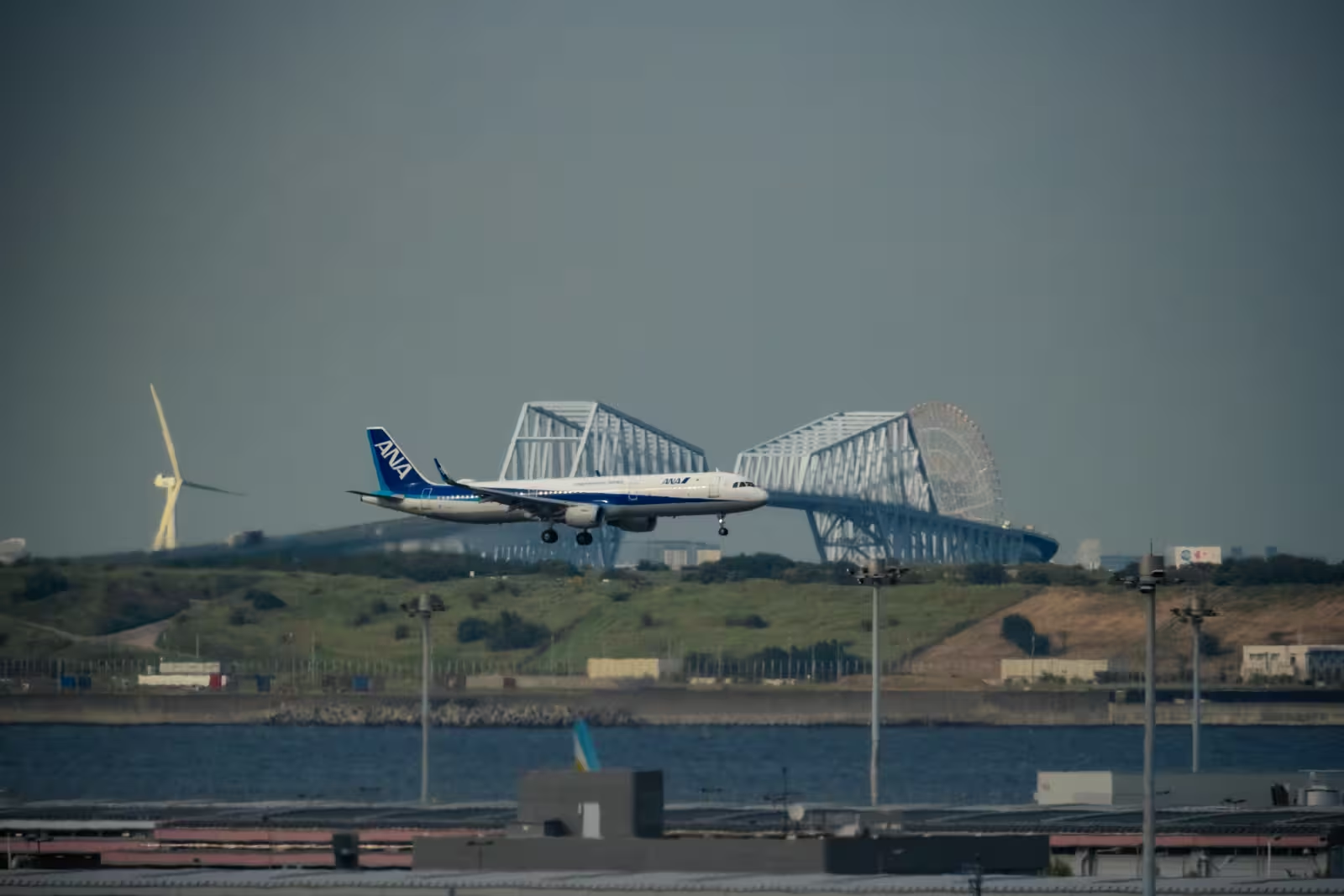
For any photographer looking to dip their toes into aviation, Haneda Airport is Tokyo’s premier starting point. It offers the perfect blend of convenience, variety, and view. While I look forward to exploring Narita and the smaller airfields in the future, Haneda has certainly set a high bar.
My photography gear for this shoot
- Camera body: Fufilm X-T3
- Lens: Fujifilm Fujifilm XF100-400mm F4.5-5.6 R LM OIS WR
Date of Photos: August 11, 2021