Josiah Conder: English Architect in Tokyo
In the heart of Tokyo, a city renowned for its futuristic skyscrapers and neon-lit streets, lies the foundational work of a visionary from across the seas. Josiah Conder, an English architect, left a mark on Japan’s capital, and that influence continues to be heard in the architectural landscape.
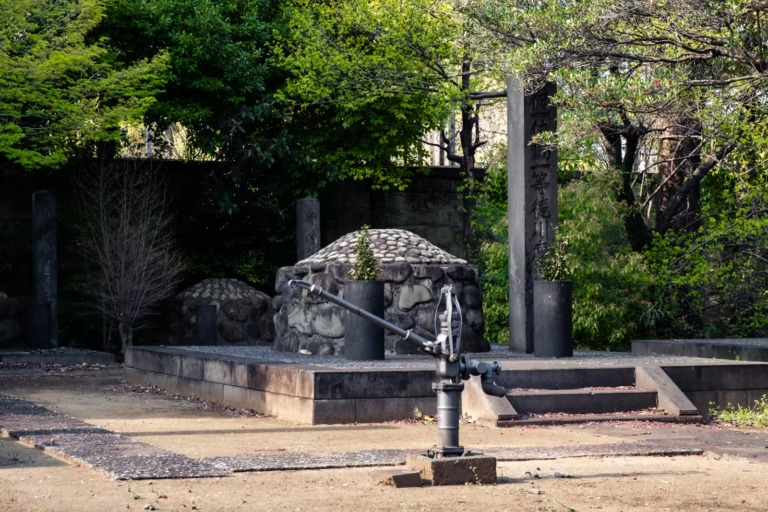
His story is one of cultural exchange and lasting innovation. It culminated in a quiet resting place under a shady tree in Gokokuji Cemetery.
The father of modern Japanese architecture
Invited by the Japanese government during the Meiji period, Josiah Conder arrived in Tokyo in 1877 to teach at the Imperial College of Engineering. He taught design theory, architectural history, and technical draftsmanship. It was through this role as an educator that Conder made his impact, earning him the moniker “father of Japanese modern architecture.”
His students, including future luminaries like Tatsuno Kingo, Katayama Tōkuma, and Sone Tatsuzo, would go on to design some of Japan’s most iconic modern structures. Conder’s teachings provided them with the principles of Western architecture.
They blended that with Japanese aesthetics, propelling Tokyo into a new era of construction and design. His protégés’ works include landmarks such as Tokyo Station and the Akasaka Palace.
Blending Western & Japanese aesthetics
Conder’s devotion to Japan extended beyond his professional life. He immersed himself in Japanese culture, studying ikebana and becoming a student of the painter Kawanabe Kyosai.
His appreciation for his adopted home was also reflected in his personal life. He married Maenami Kume, whom he met while learning traditional Japanese dance.
His cross-cultural engagement is evident in his architectural style. It often incorporated a blend of European, colonial, Islamic, and Oriental elements. This fusion of sensibilities can still be seen in his surviving works.
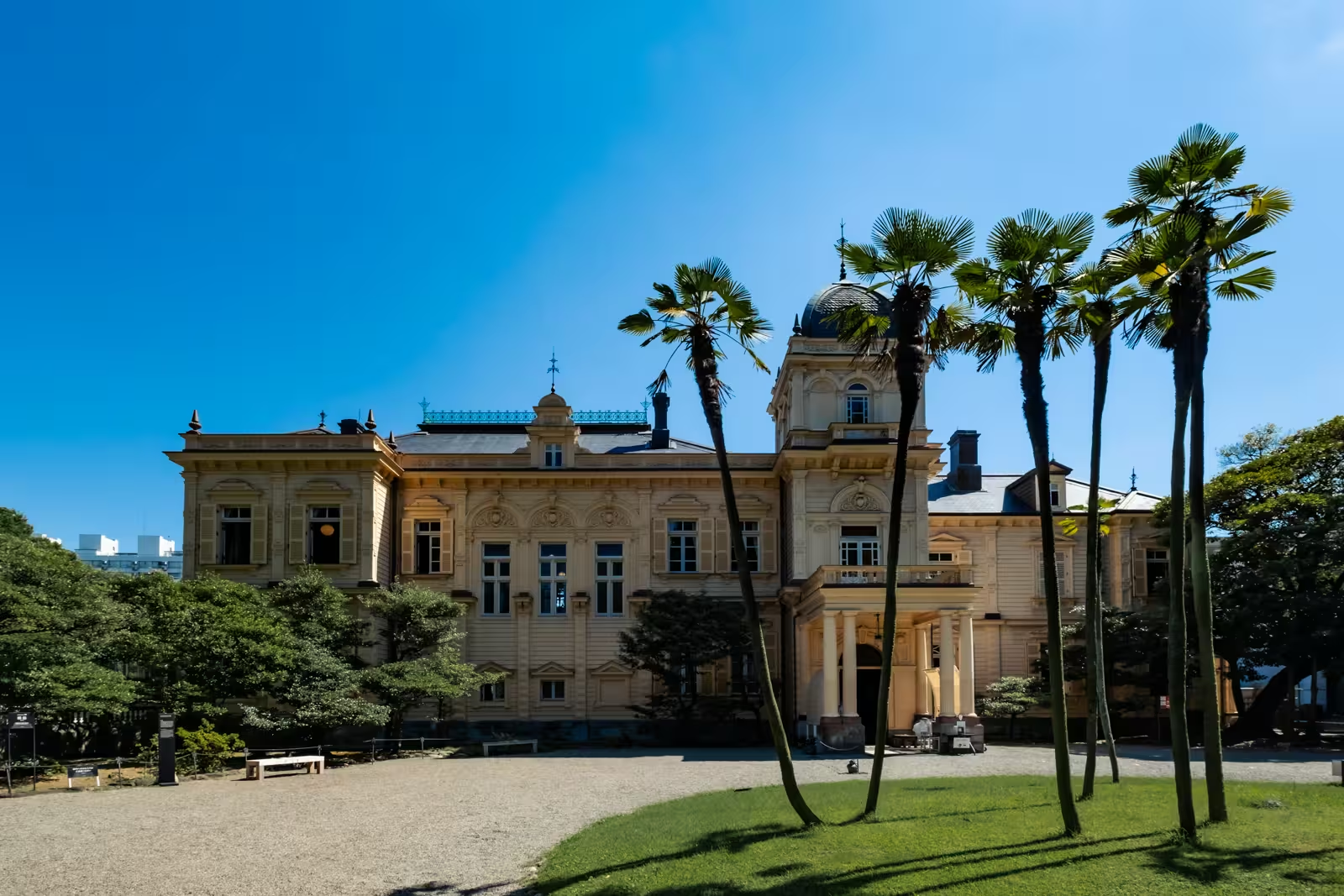
What did Josiah Conder design in Tokyo?
While many of his more than fifty buildings have been lost to time, several of Josiah Conder’s masterpieces remain a part of Tokyo’s landscape:
- Kyu-Iwasaki-tei Gardens: The former residence of the Iwasaki family, founders of Mitsubishi, showcases Conder’s elegant design.
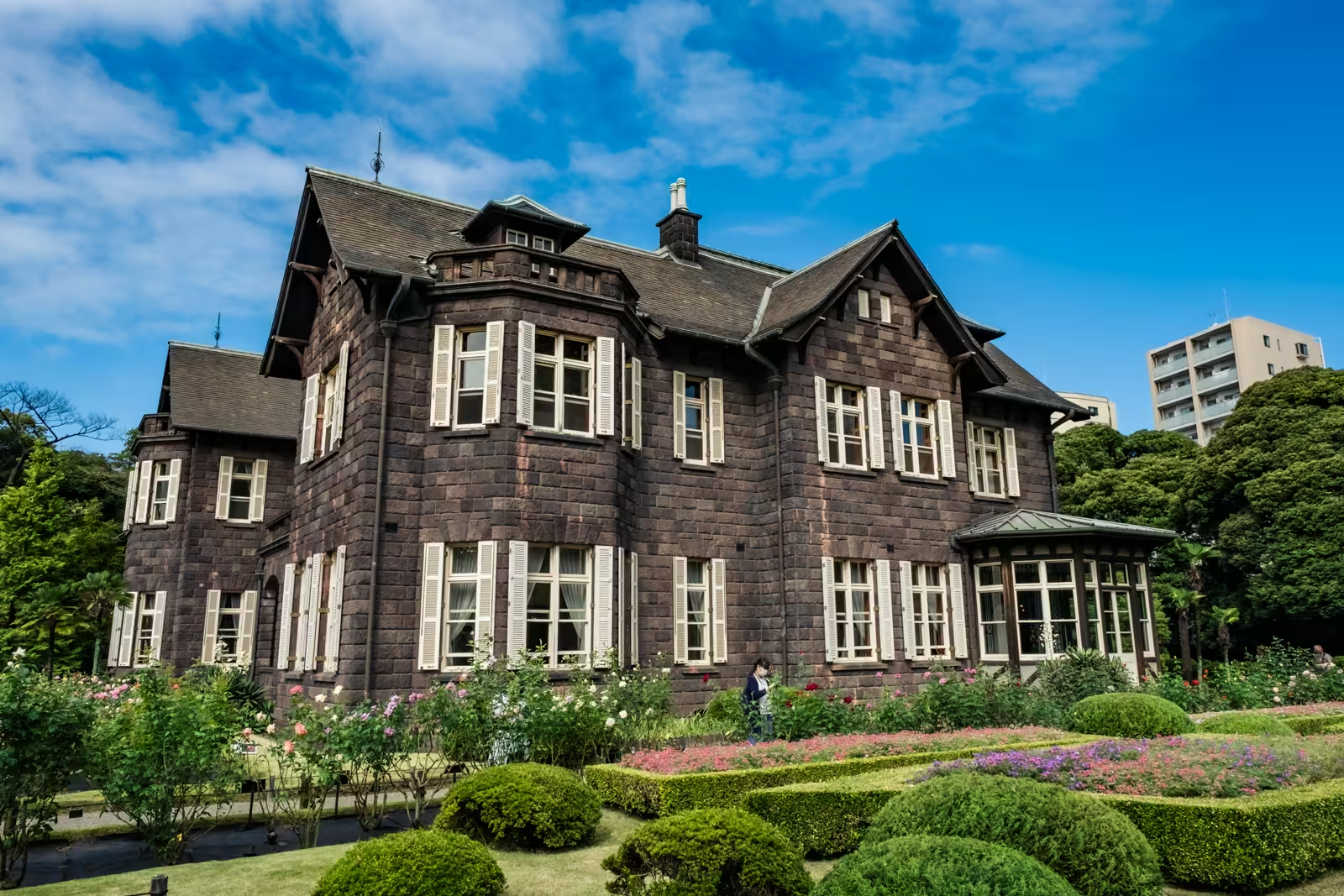
- Kyu-Furukawa Gardens: This estate features a stunning Western-style mansion designed by Conder, set against a traditional Japanese garden.
- Holy Resurrection Cathedral (Nikolai-do): An iconic landmark in Tokyo, this cathedral is a testament to Conder’s versatile architectural prowess.
- Mitsubishi Ichigokan Museum: Though the original was demolished, a faithful reconstruction of Conder’s first office building in the Marunouchi district now stands as a museum.
- Myohoji: Conder designed the intricate iron gate at this temple.
- Tsunamachi Mitsui Club: Another of his designs for a prominent family, this building continues to be a symbol of Meiji-era grandeur.
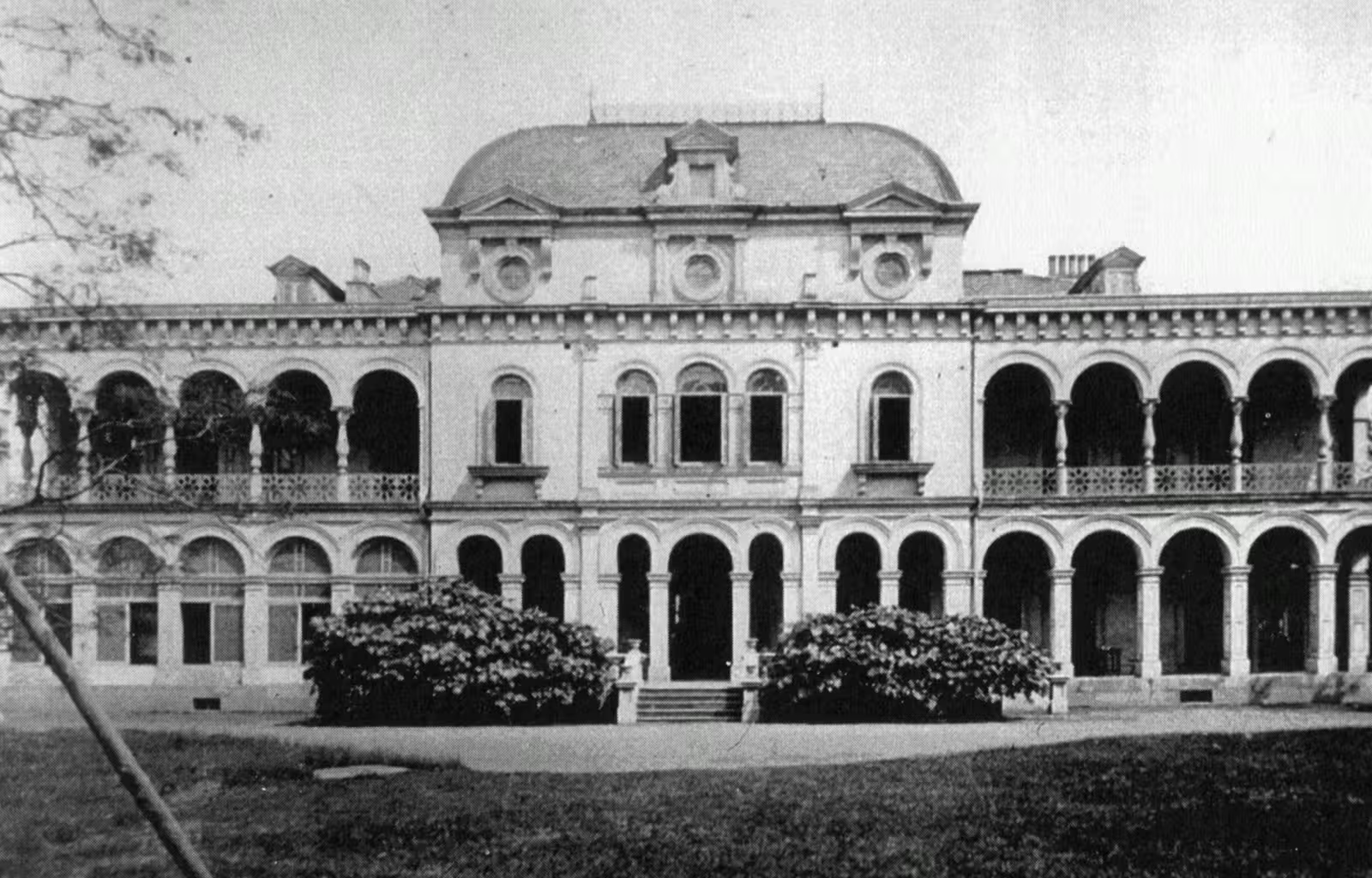
Conder also designed the original main building of the Tokyo National Museum and the controversial Rokumeikan, a symbol of Westernization in the Meiji period. Neither of these still stands.
Visit his grave at Gokokuji’s Cemetery
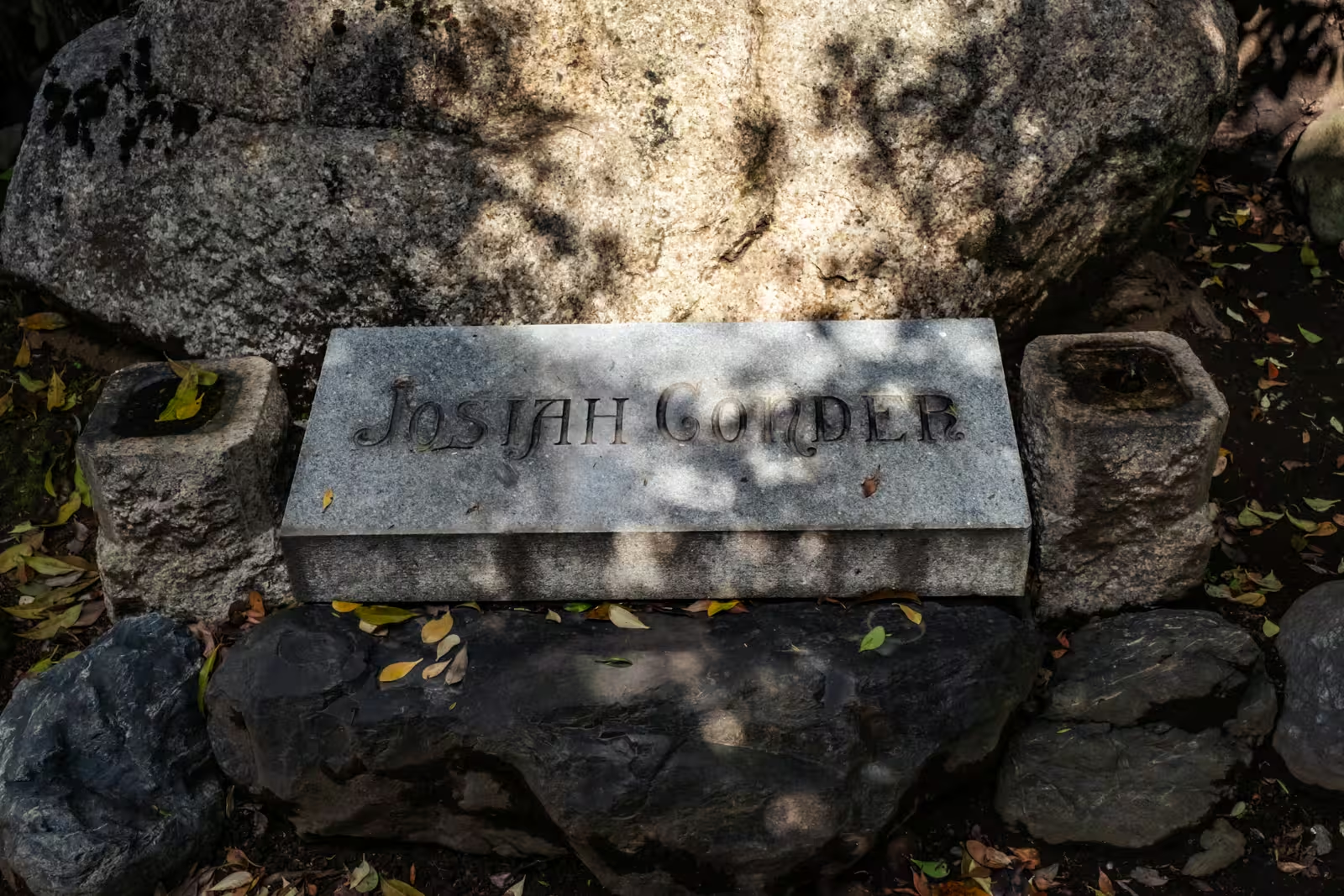
Josiah Conder passed away in 1920. He was laid to rest in the serene Gokokuji Temple cemetery, near Ikebukuro. His grave, a modest Japanese-style monument, lies next to that of his wife, who predeceased him by just ten days.
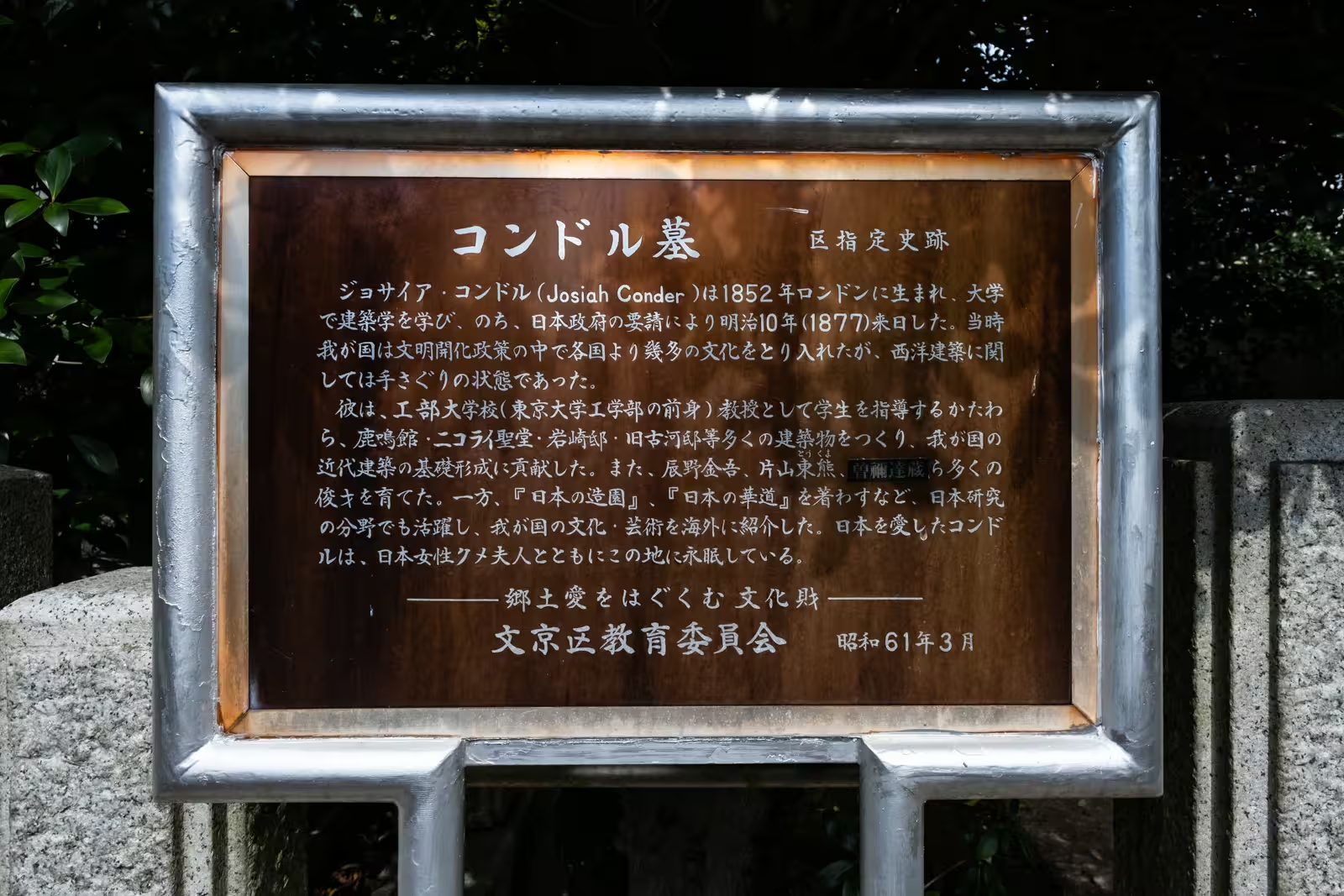
A nearby plaque, though only in Japanese, offers a brief account of his significant contributions to his adopted nation. The tranquil beauty of the cemetery offers a peaceful final tribute to the man who helped shape the city that surrounds it.
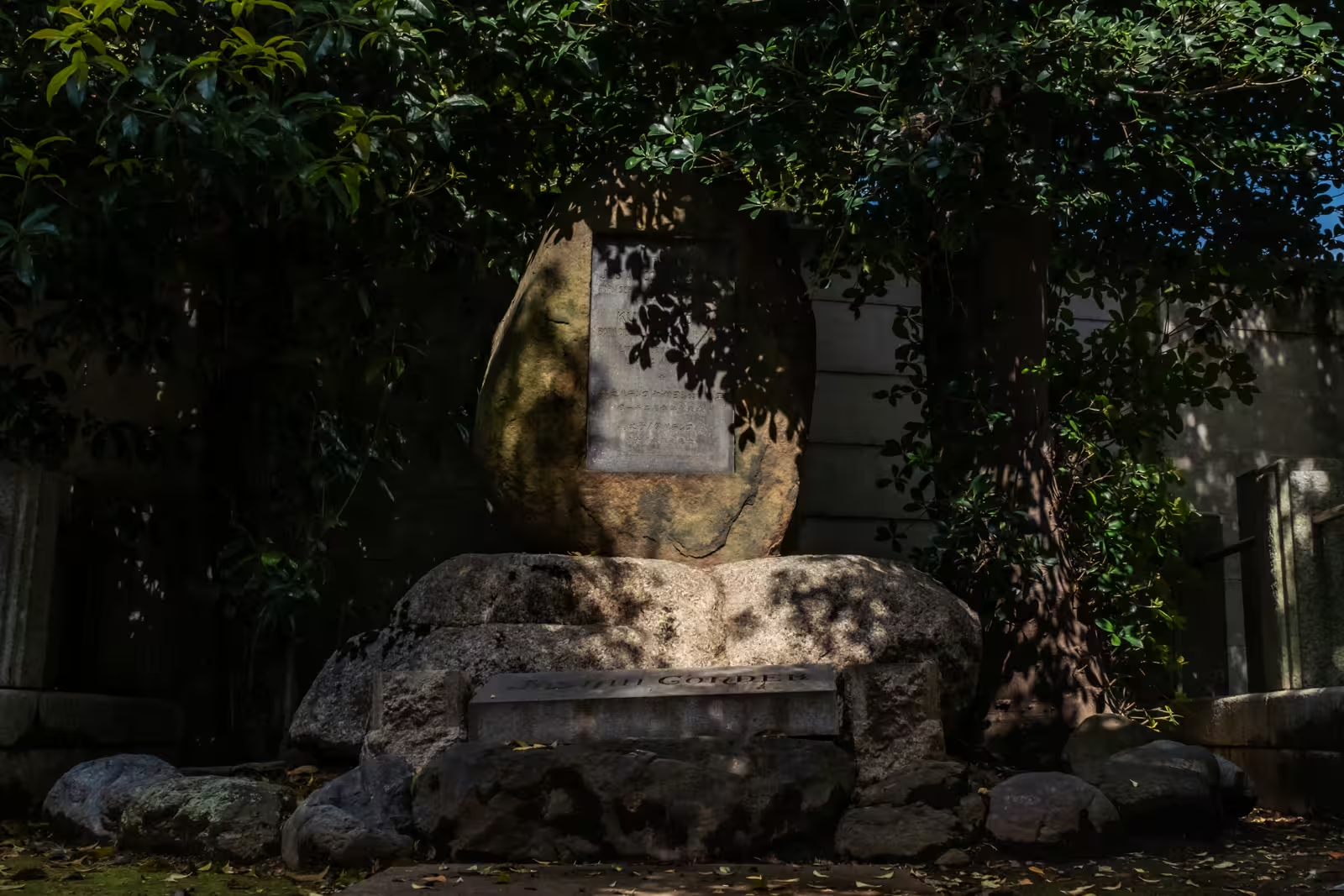
I’ve always found Conder’s grave difficult to photograph. Due to its position and the trees around it, shadows cover it all through the day. I might use a flash to banish them next time.
Josiah Conder: Key dates & timeline
- 1852: Born in London, England.
- 1876: Wins the prestigious Soane Medallion for architecture.
- 1877: Arrives in Tokyo at the invitation of the Japanese government.
- 1881: Becomes a student of the Japanese painter Kawanabe Kyosai.
- 1883: Designs the influential Rokumeikan in Tokyo.
- 1888: Establishes his own architectural design office.
- 1890: Becomes an advisor to Mitsubishi, overseeing the development of the Marunouchi business district.
- 1893: Marries Maenami Kume.
- 1894: Awarded the Order of the Sacred Treasure.
- 1915: Receives an honorary doctorate from Tokyo Imperial University.
- 1920: Dies in Tokyo.