Bujin-ga: Masayuki Kojo’s Samurai Portraits
This article was originally written in 2022 (on the now defunct Tokyo-in-Pics.com) to cover Masayuki Kojo’s “Preparation” exhibit at the Kanda Myojin shrine. While the exhibit has concluded, the art of Bujin-ga (samurai portraits) and the work of this artist continue to captivate audiences. This updated post serves as an introduction to Masayuki Kojo’s unique style and the rich history of this powerful art form.
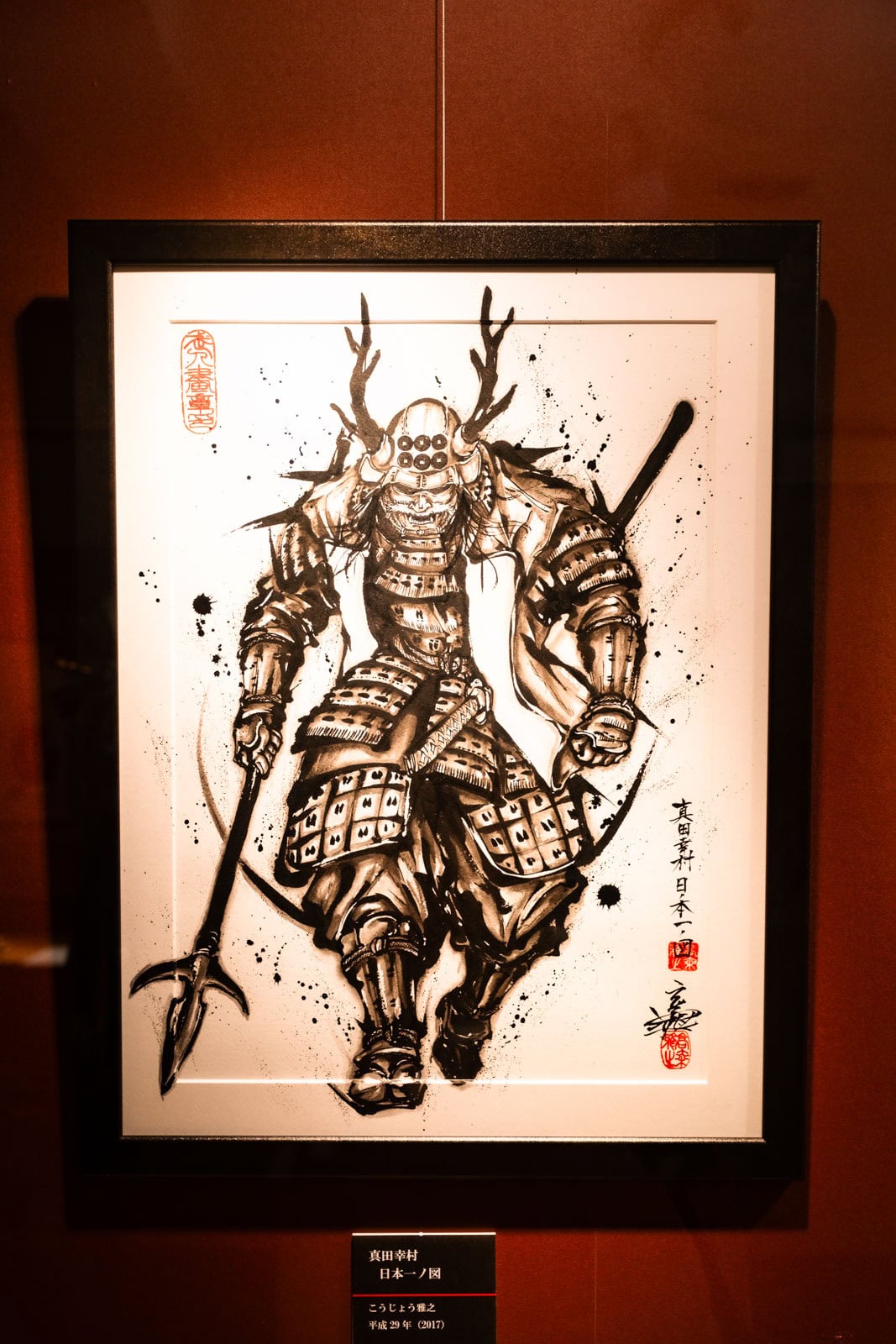
Bujin-ga is a fantastic Japanese word. Have you heard of it? It means samurai portraits, a powerful art form capturing the spirit of Japan’s legendary warriors.
I deep dived into this world during a 2022 exhibition at Kanda Myojin, one of Tokyo’s most important shrines, which featured the incredible work of samurai painter Masayuki Kojo.
What is Bujin-ga? A traditional ink art
Bujin-ga is a traditional art form that began during Japan’s Kamakura period (1185-1333). These portraits are traditionally rendered in the simple yet profound Sumi-e style, using only black ink on paper.
The focus is not just on the warrior’s likeness but on capturing their inner essence and resolve. Masayuki Kojo is a modern artist who is brilliantly continuing this age-old tradition for a new generation.
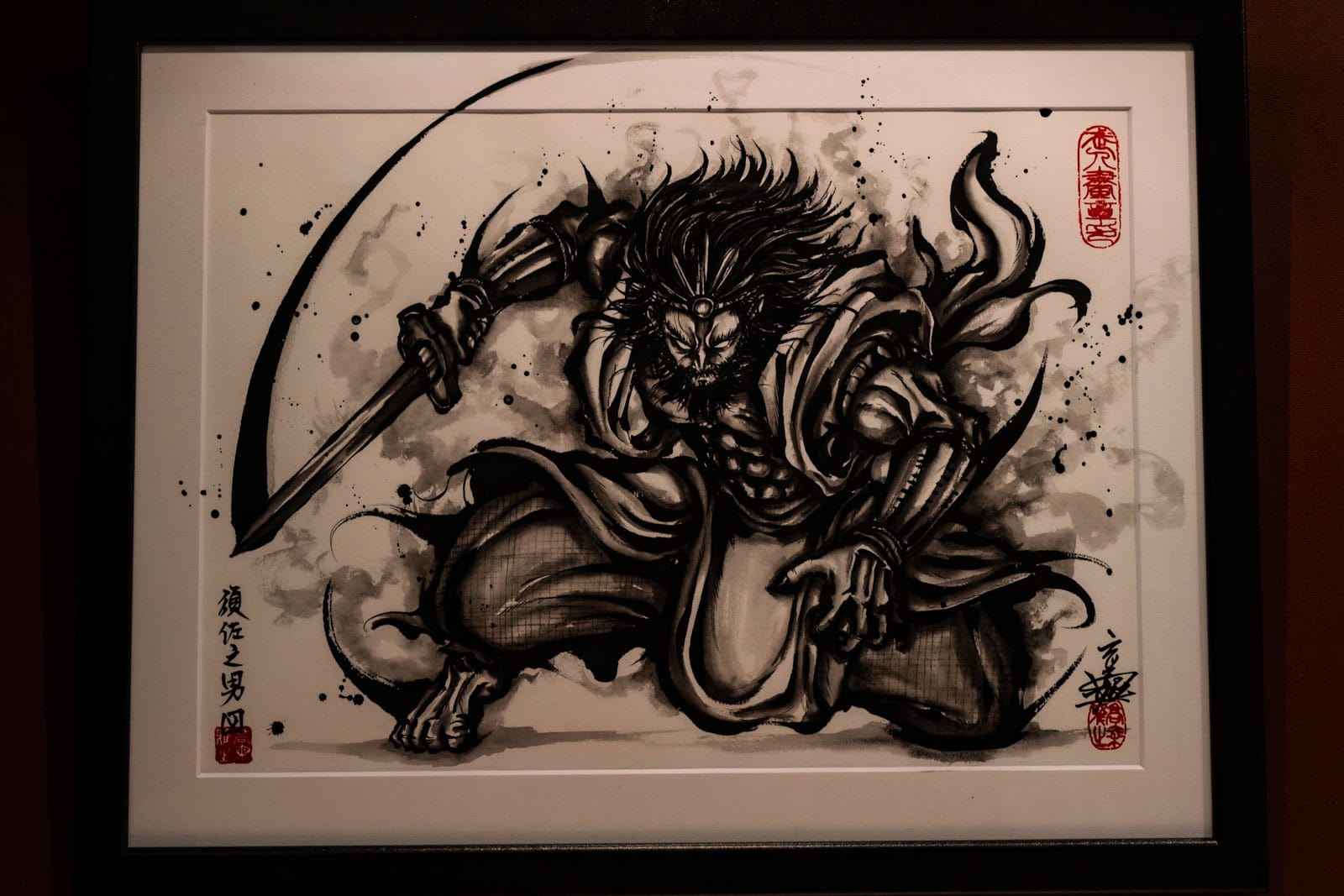
Masayuki Kojo: The artist of preparation
Celebrating the 10th anniversary of his career in 2022, Masayuki Kojo has become a renowned painter of Japan’s samurai. His unique philosophy is what makes his work so compelling. He sees the samurai not merely as a fighter, but as “a person who is prepared.”
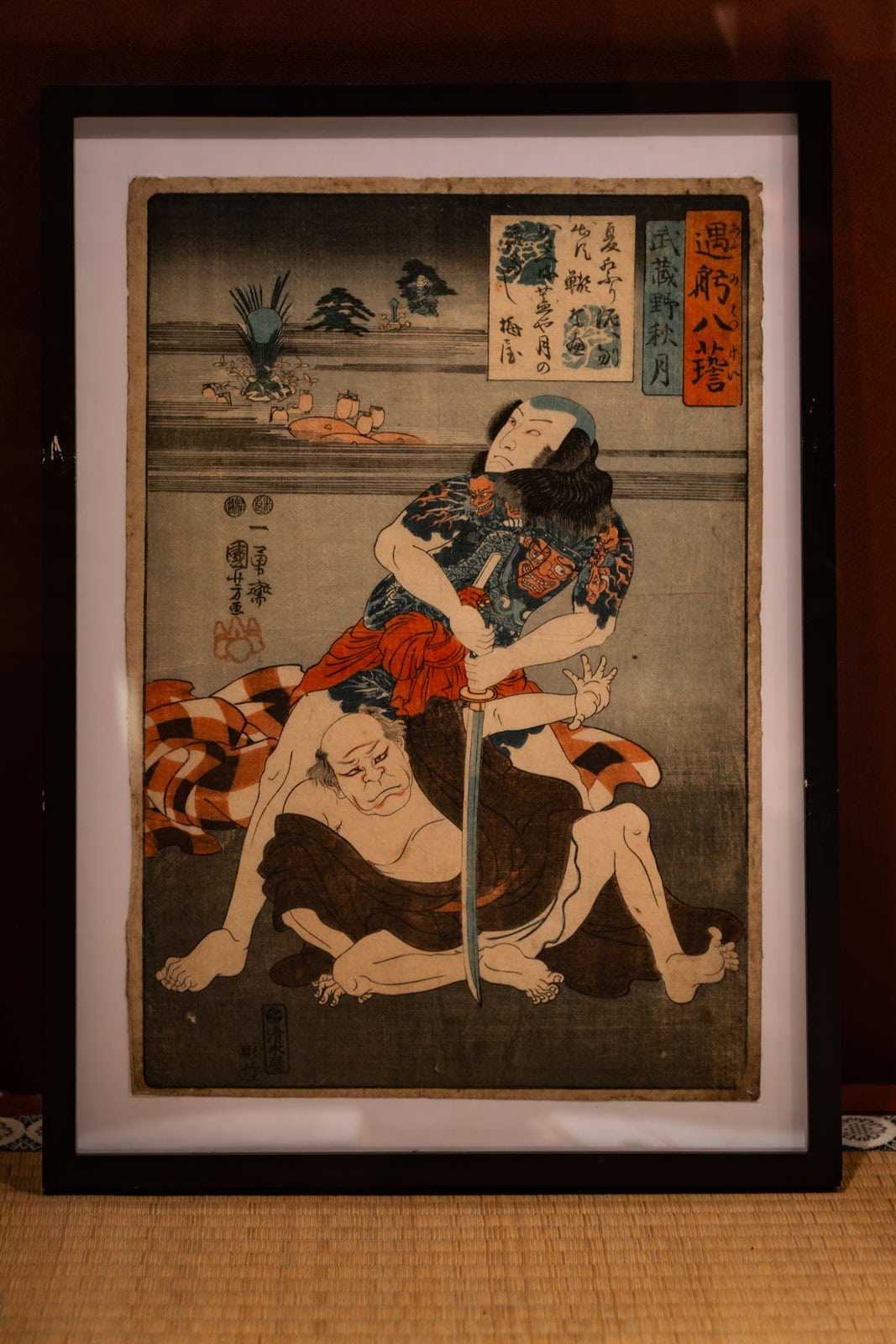
His paintings depict these moments of quiet preparation before a conflict. When you look at the faces of his subjects, you see the calm readiness for what they are about to face. This perspective transforms the art from simple warrior portraits into deep character studies.
While he honors tradition, Kojo is not confined by it. His work also includes modern fictitious characters from pop culture phenomena like Star Wars and One Piece, reimagined in his signature Bujin-ga style.
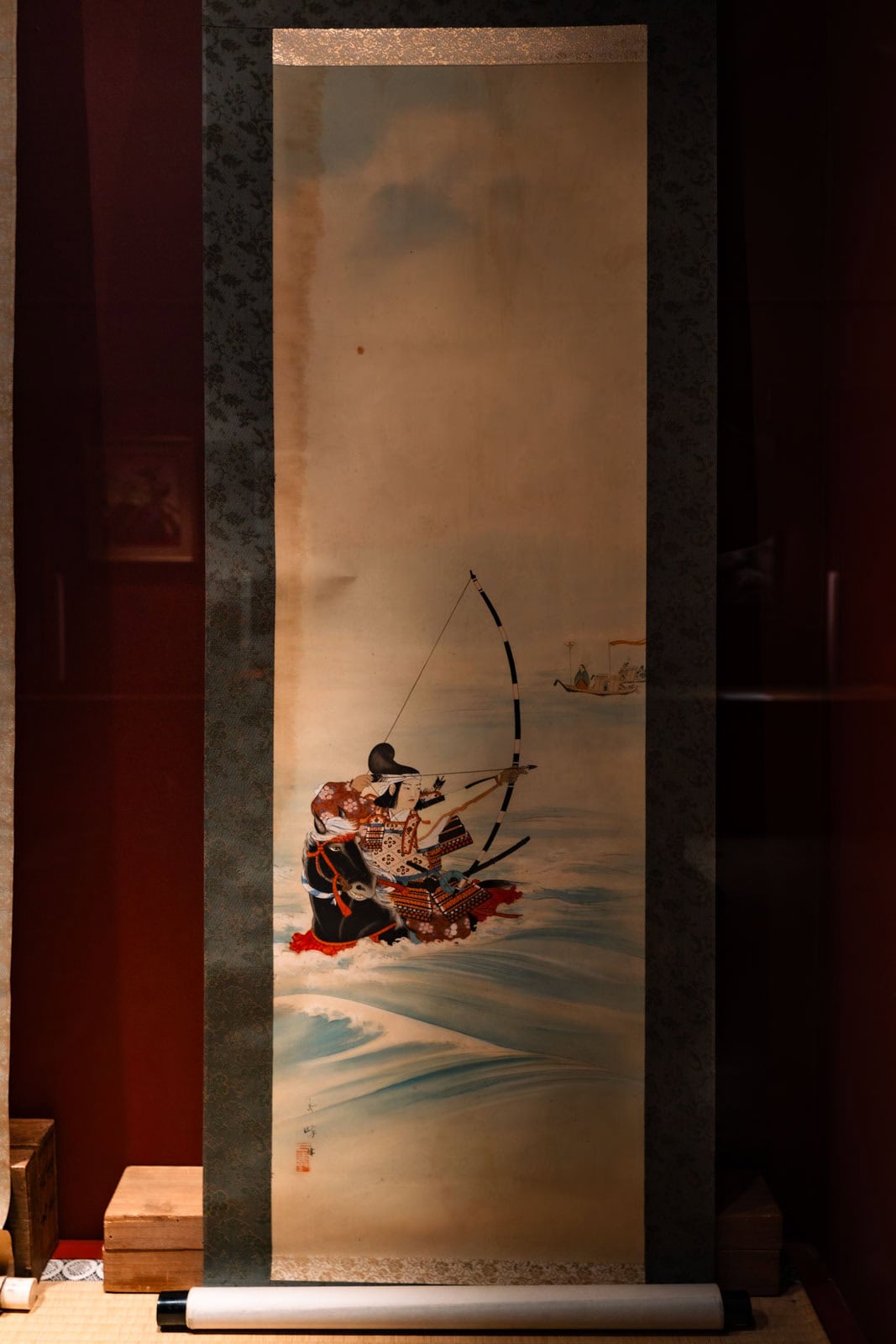
The Preparation exhibit at Kanda Myojin
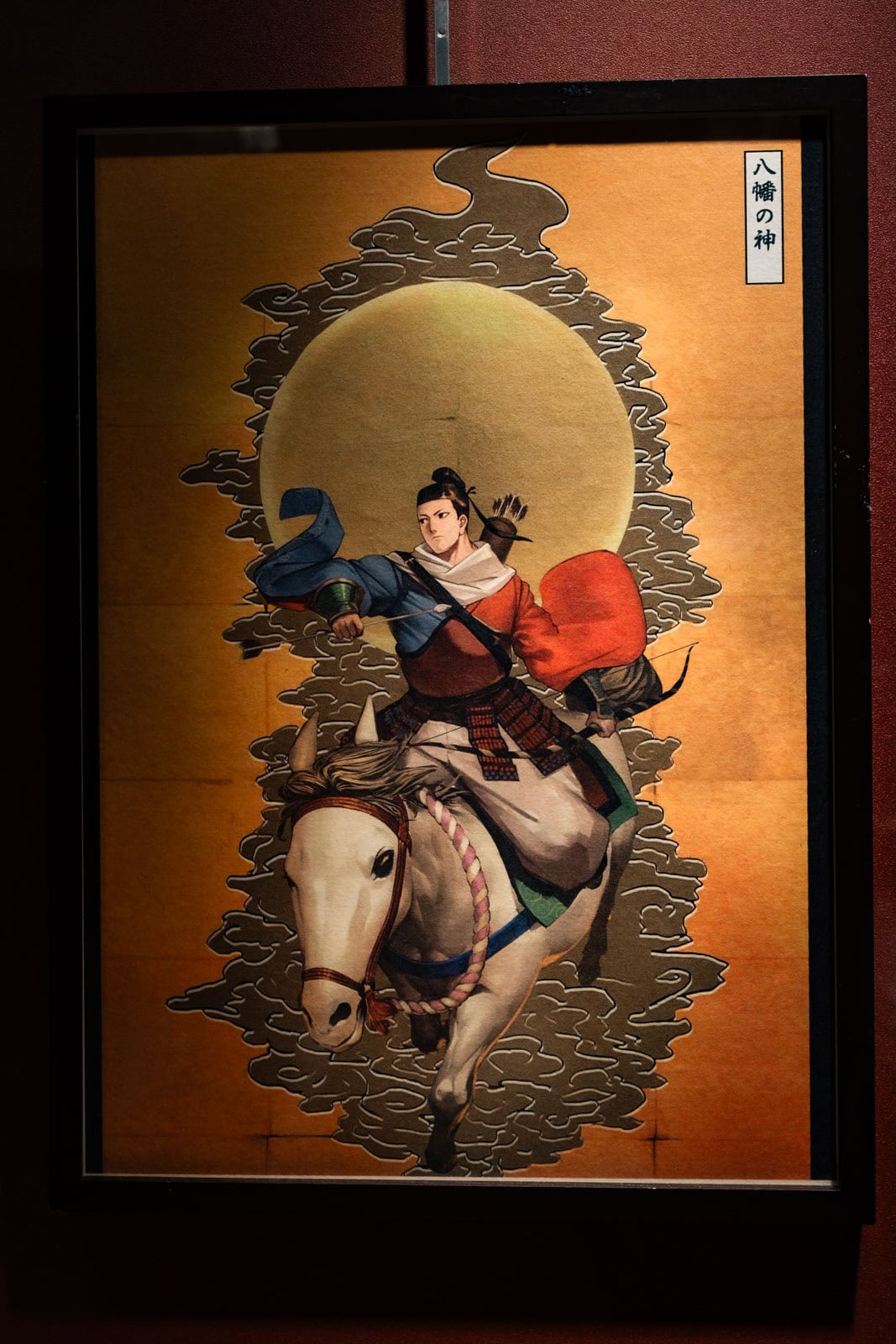
“Preparation,” was held at the Kanda Myojin Cultural Exchange Center. While it focused on portraits from the Heian era (794-1185), it was a fantastic showcase of Kojo’s artistic vision.
The experience itself was memorable. To get to the exhibit rooms, you had to move through dark, spooky corridors. After a moment of hesitation, I stepped forward, and motion-sensor lights flickered on for a dramatic entrance!
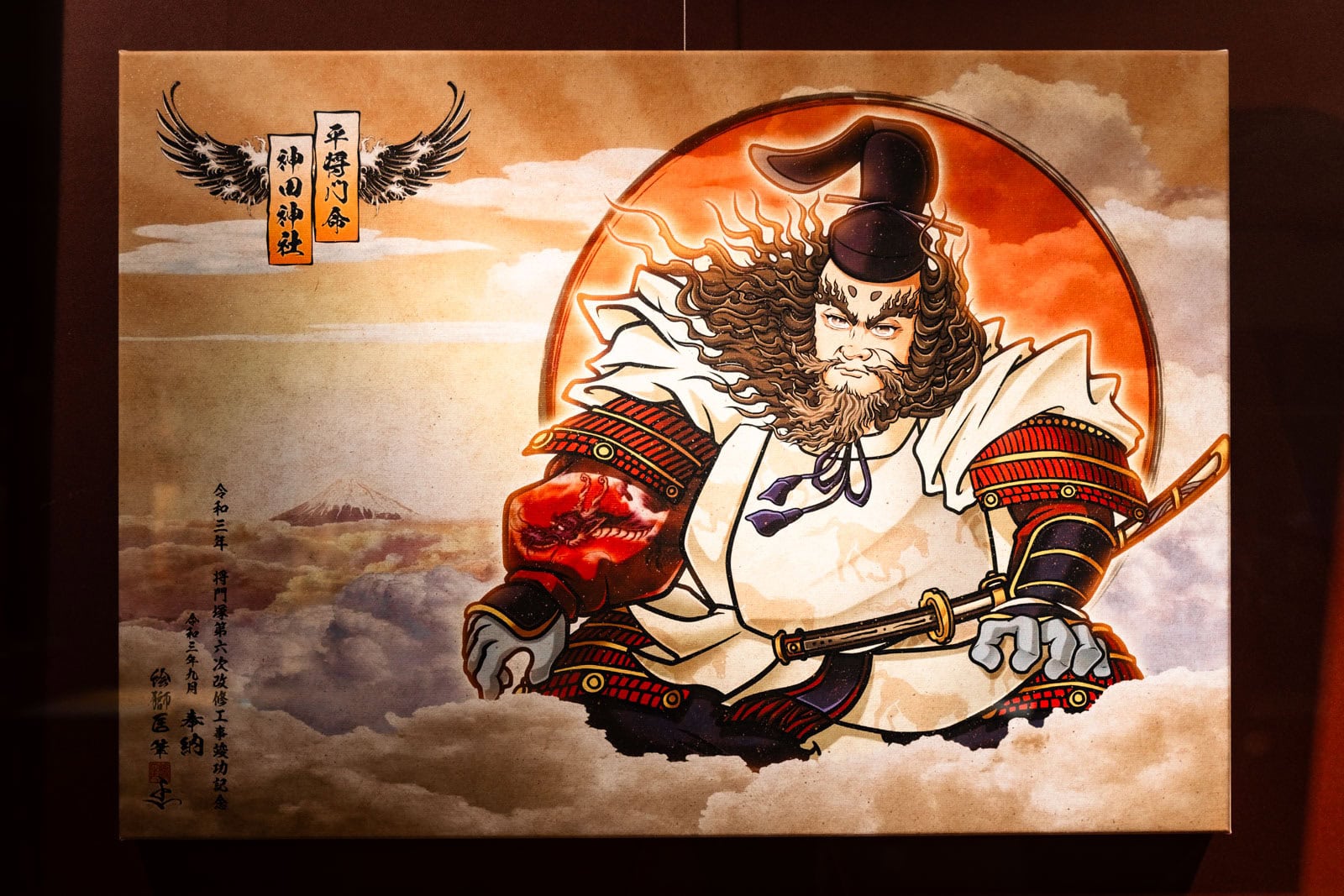
In addition to Kojo’s samurai portraits, he also displayed items from Japan’s medieval period. The shrine supplemented these with its own treasures, including:
- Wrestling masks
- Ema (prayer tablets)
- Armor and saddles
- Flags
- A mikoshi (portable shrine)
Unfortunately, photography wasn’t allowed on the third floor, which housed the impressive mikoshi and armor. Luckily, I was there for the bujin-ga on the second floor, where cameras were thankfully permitted.
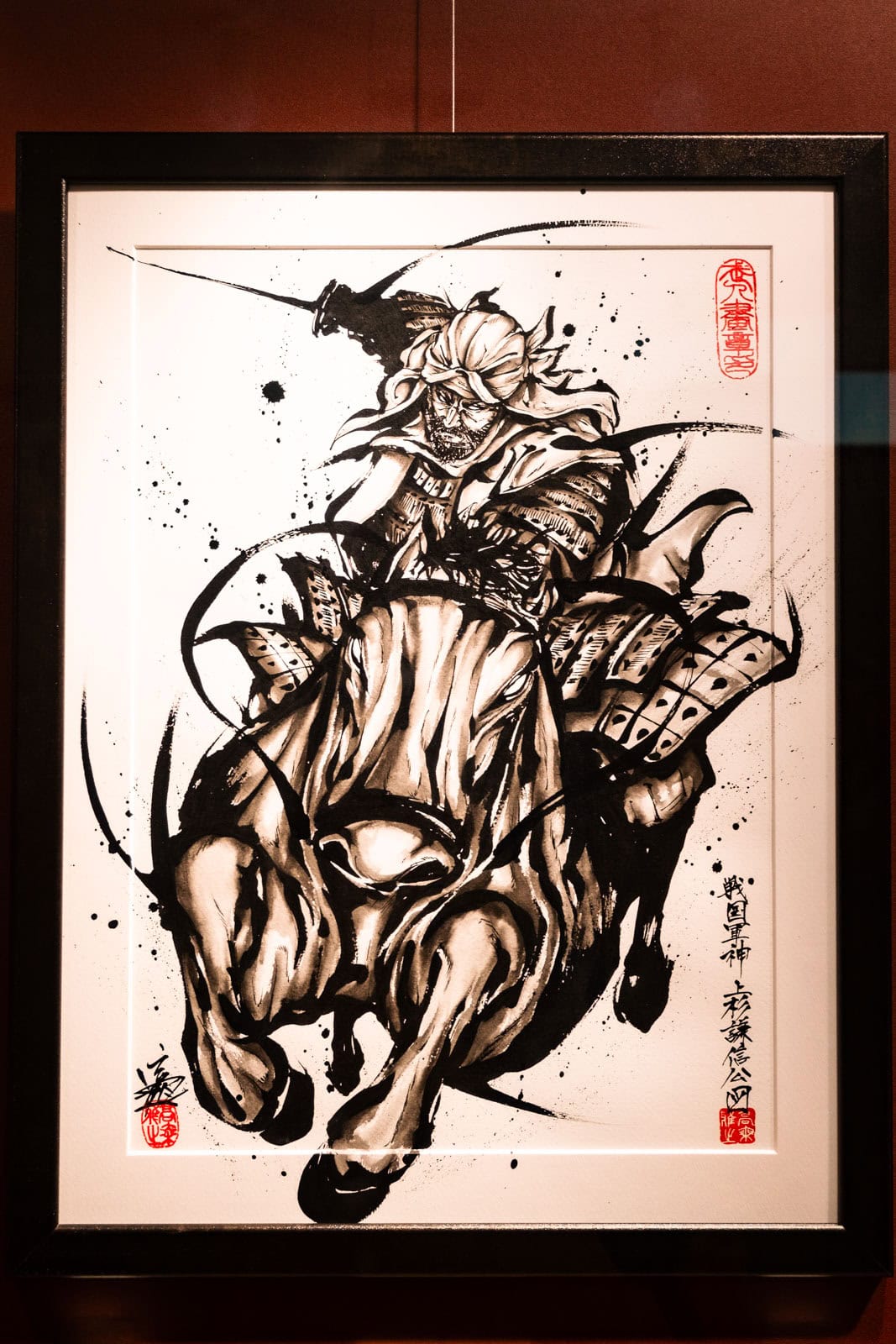
Was the legendary warrior art worth seeing?
While Masayuki Kojo’s “Preparation” exhibit is now a part of history, the power of his art and the tradition of Bujin-ga are timeless. His work serves as a beautiful bridge, connecting Japan’s feudal past with its dynamic present.
You can see more of his art on his official Instagram account. And if you find yourself in Tokyo, a walk around the grounds of the Kanda Myojin shrine is an experience in itself, especially in spring when the cherry blossoms are in bloom.
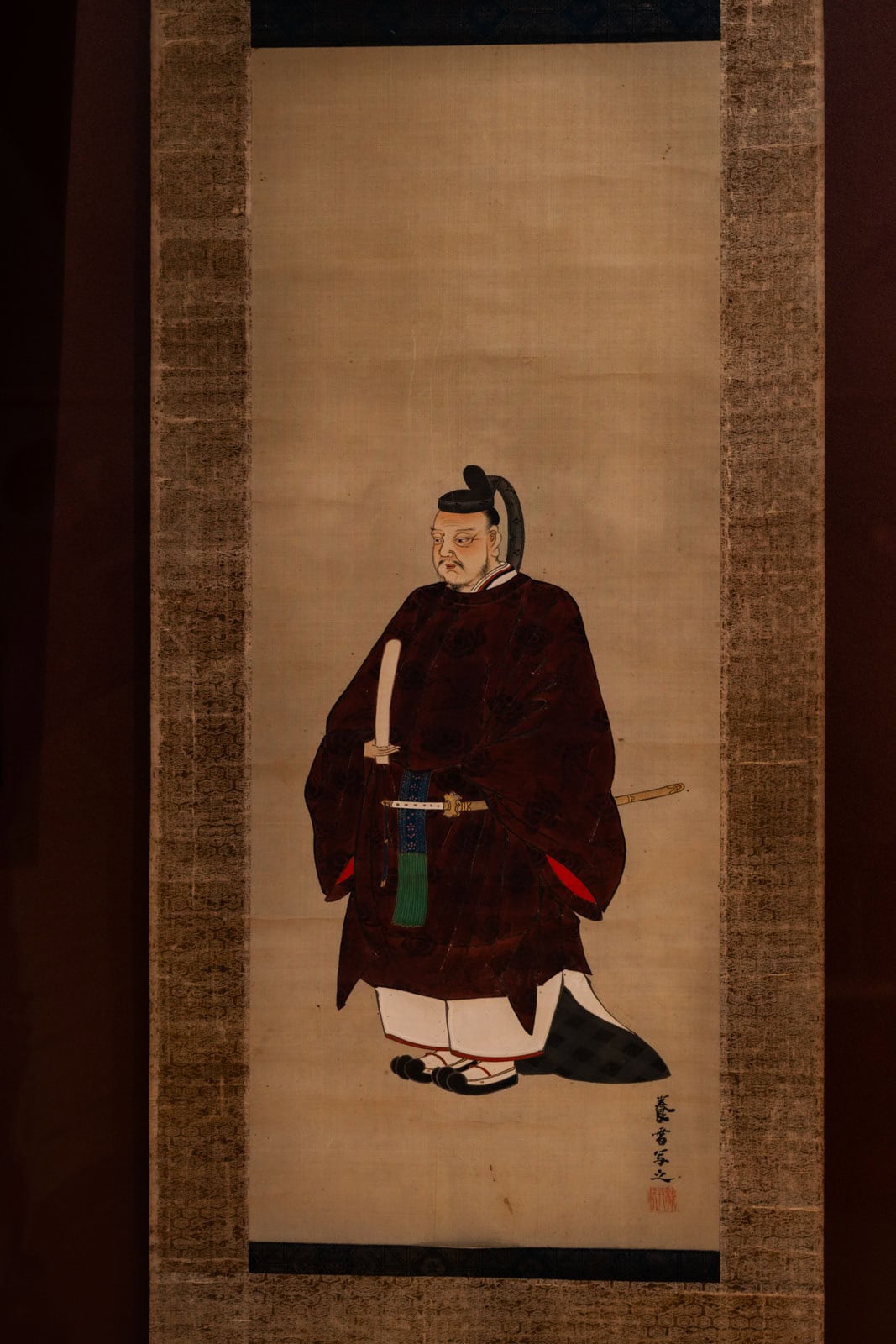
Have you ever seen Bujin-ga art? Tell us about it in the comments below!
My photography gear for these samurai portraits
- Camera body: Fujifilm X-T3
- Lens: Fujifilm XF 16-55mm F2.8 R LM WR