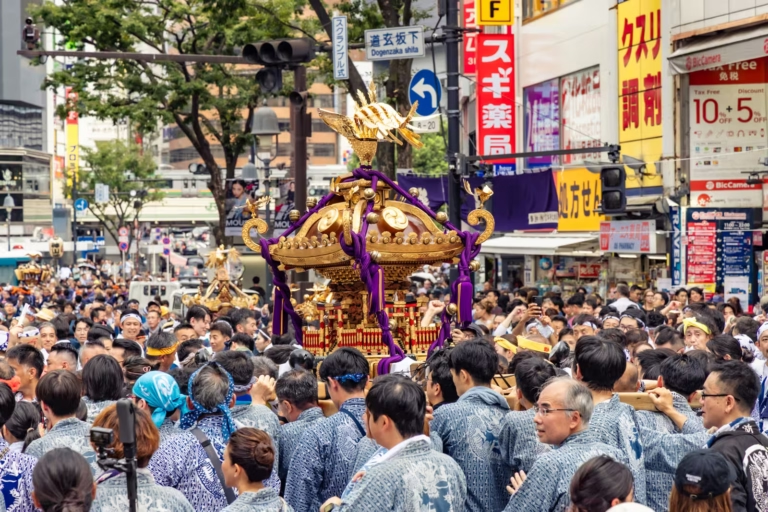
Nebuta at Yasukuni Shrine
The heat of a Tokyo July has gained quite a reputation in recent years, but nothing burns quite as bright as the Mitama Festival at Yasukuni Shrine. In 2026, I joined thousands of others under the glow of 30,000 yellow lanterns to celebrate one of the city’s most visually stunning Obon-style events.
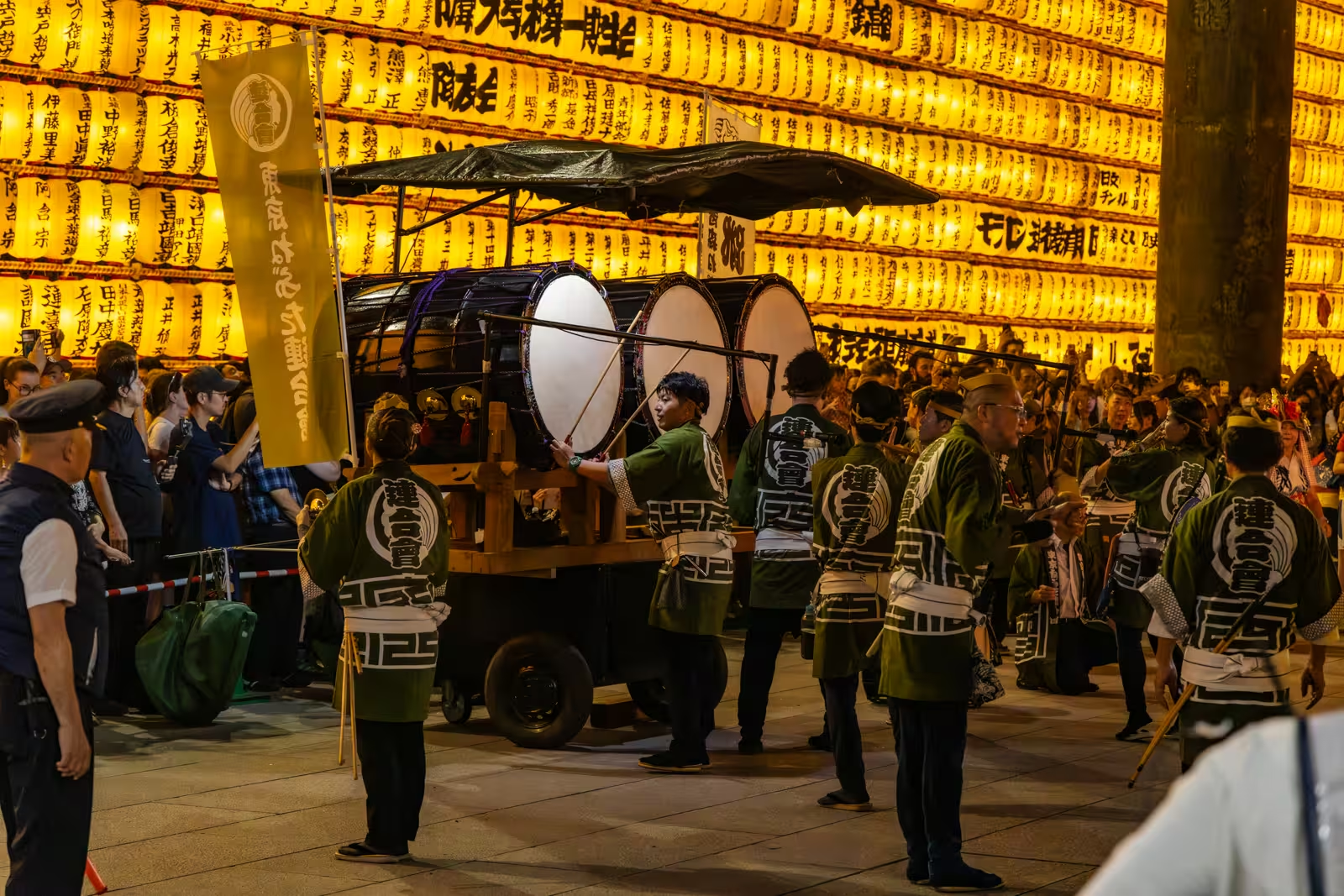
While the event ran for four days, my highlights were split: a powerful wadaiko (drum) performance and mikoshi parade on July 14th, and the grand finale on July 16th, the arrival of the Nebuta.
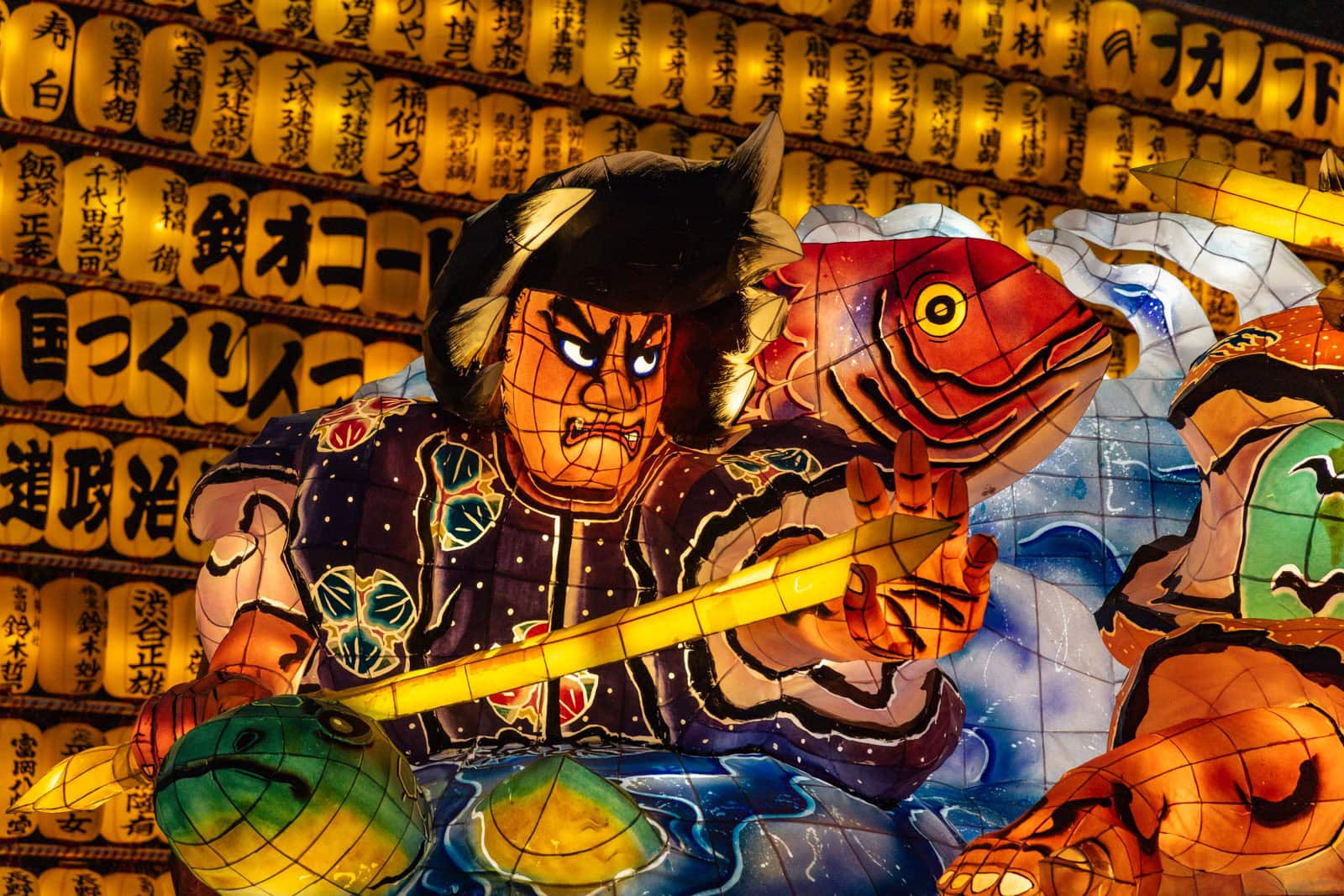
Aomori style nebuta in Tokyo
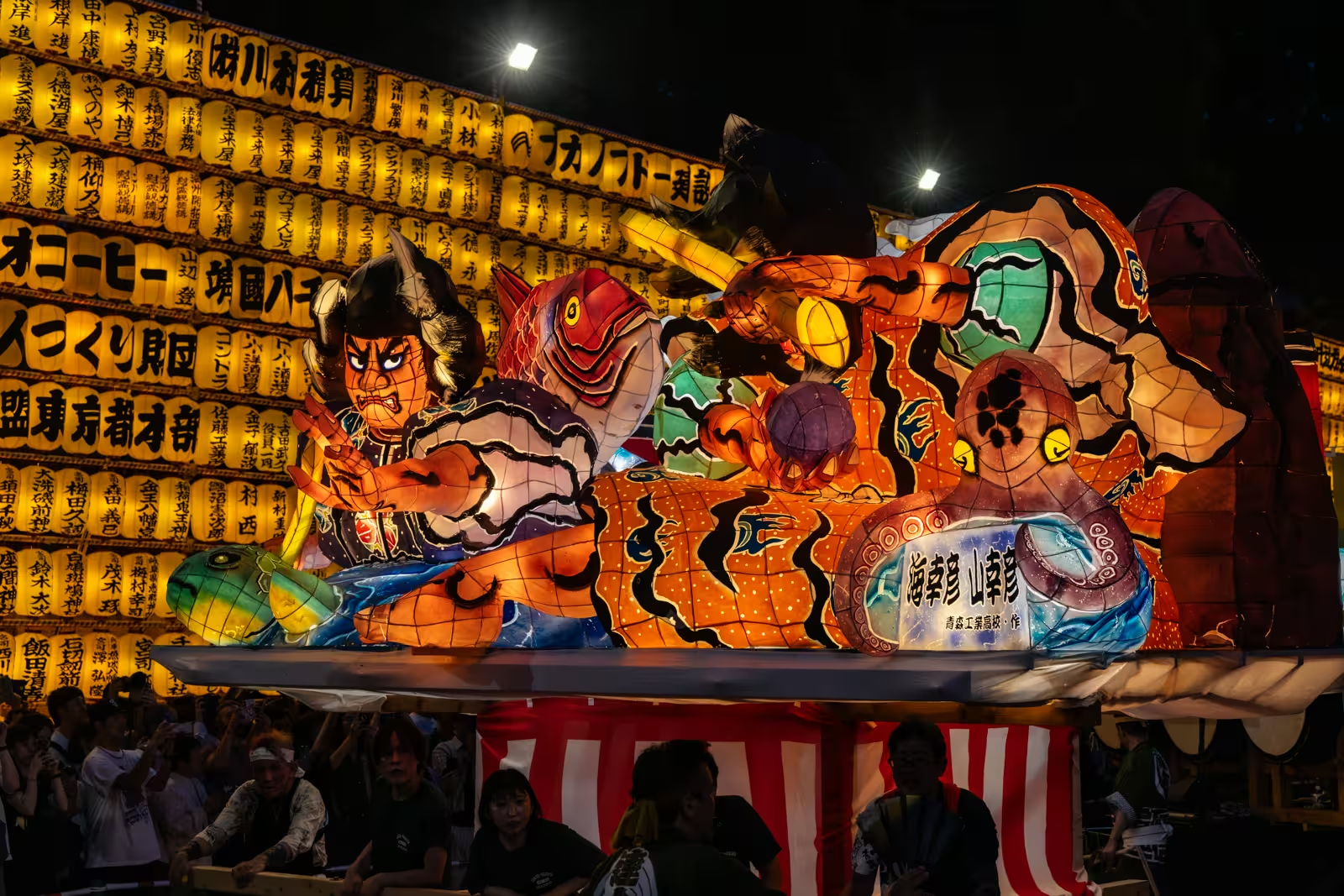
If you haven’t been to Japan’s far north, you might only know them from photos of the famous Aomori Nebuta Matsuri. These are massive, illuminated floats made of painted washi paper stretched over intricate wire frames.
In Aomori, these floats are giants, reaching up to 9 meters wide and weighing 4 tons. They depict mythical gods, legendary warriors, or Kabuki actors frozen in mid-strike. While I hope to see them one day, seeing a Nebuta in Tokyo during the 2026 Mitama Festival was the next best thing.
Yasukuni’s Nebuta: Something different
- Only one appears at the Mitama Festival.
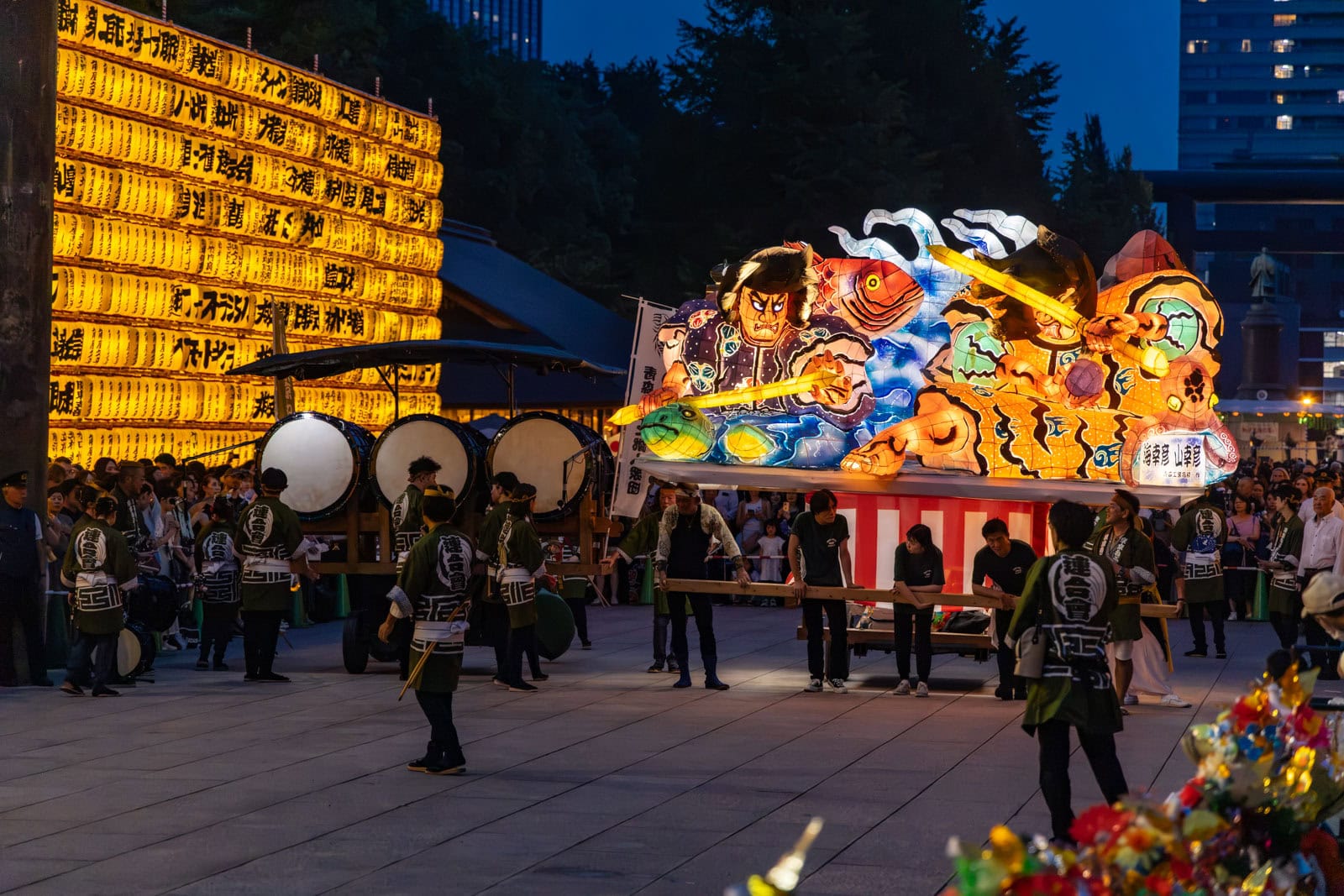
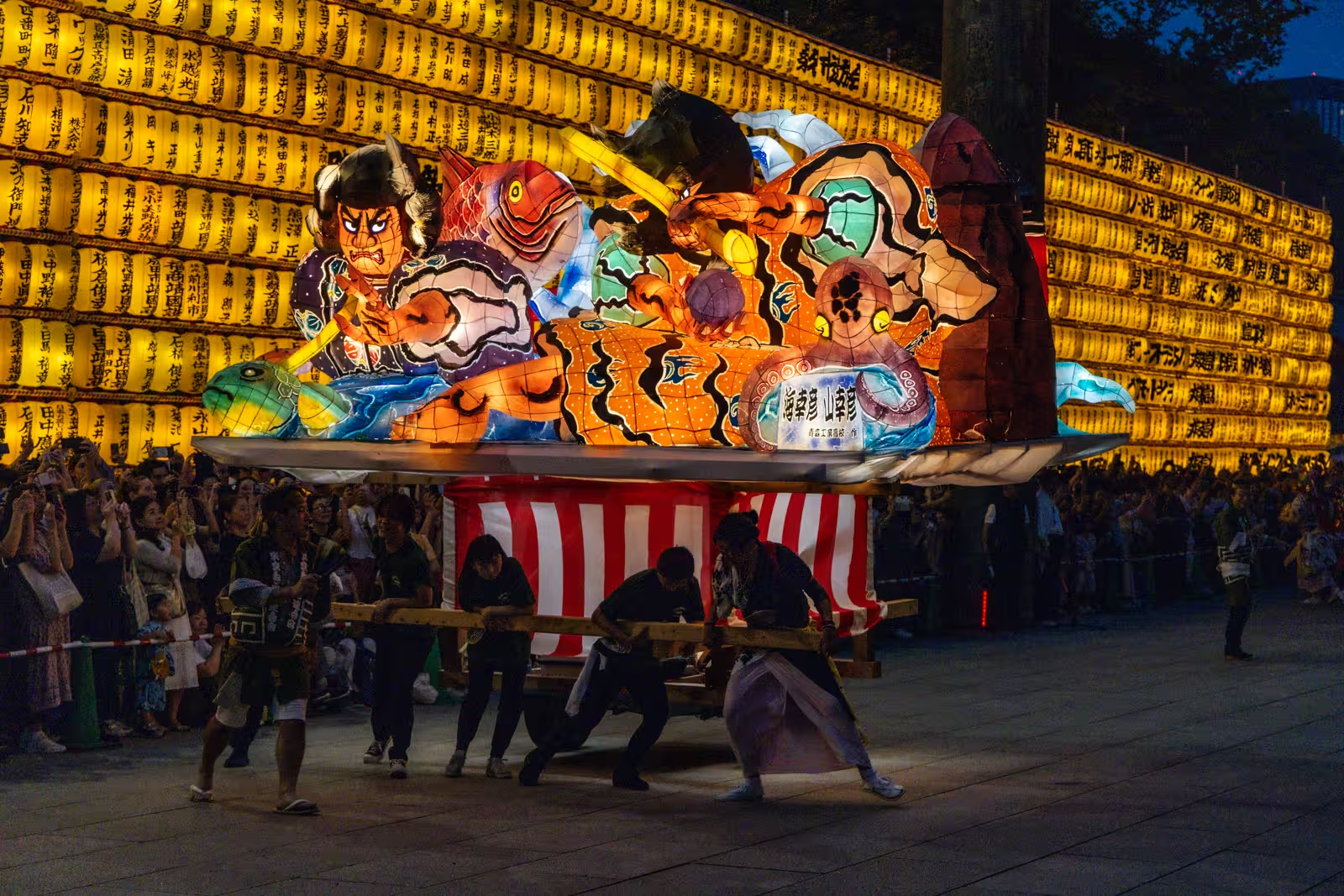
- Size: Yasukuni’s float was smaller than the massive 9-meter-wide versions you see in Aomori. This is due to the challenge of maneuvering through the shrine’s gates. However, it is still large, brightly colored, and built using the same washi paper and wire techniques.
- A four-person crew pushed and pulled the Nebuta through the crowds.
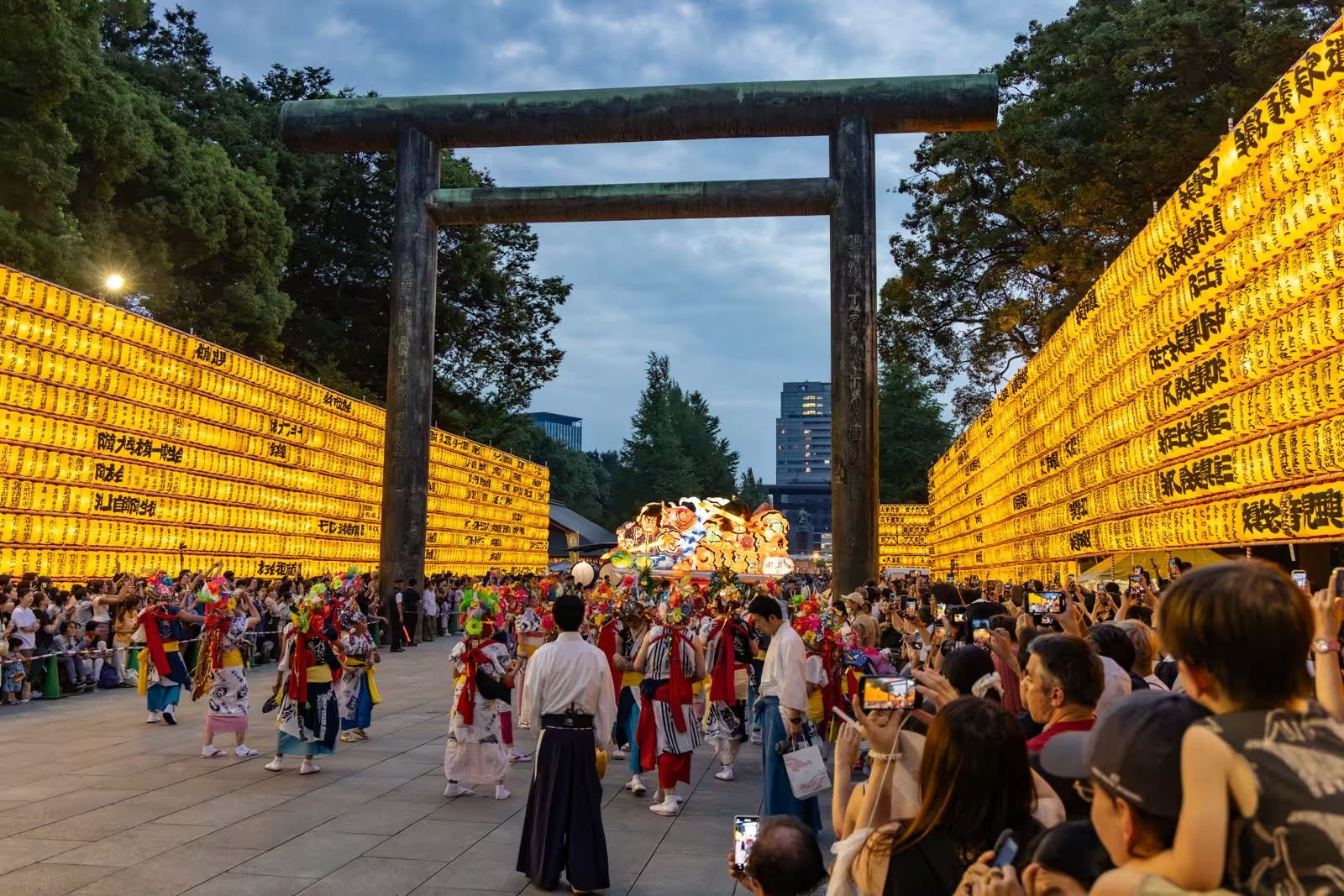
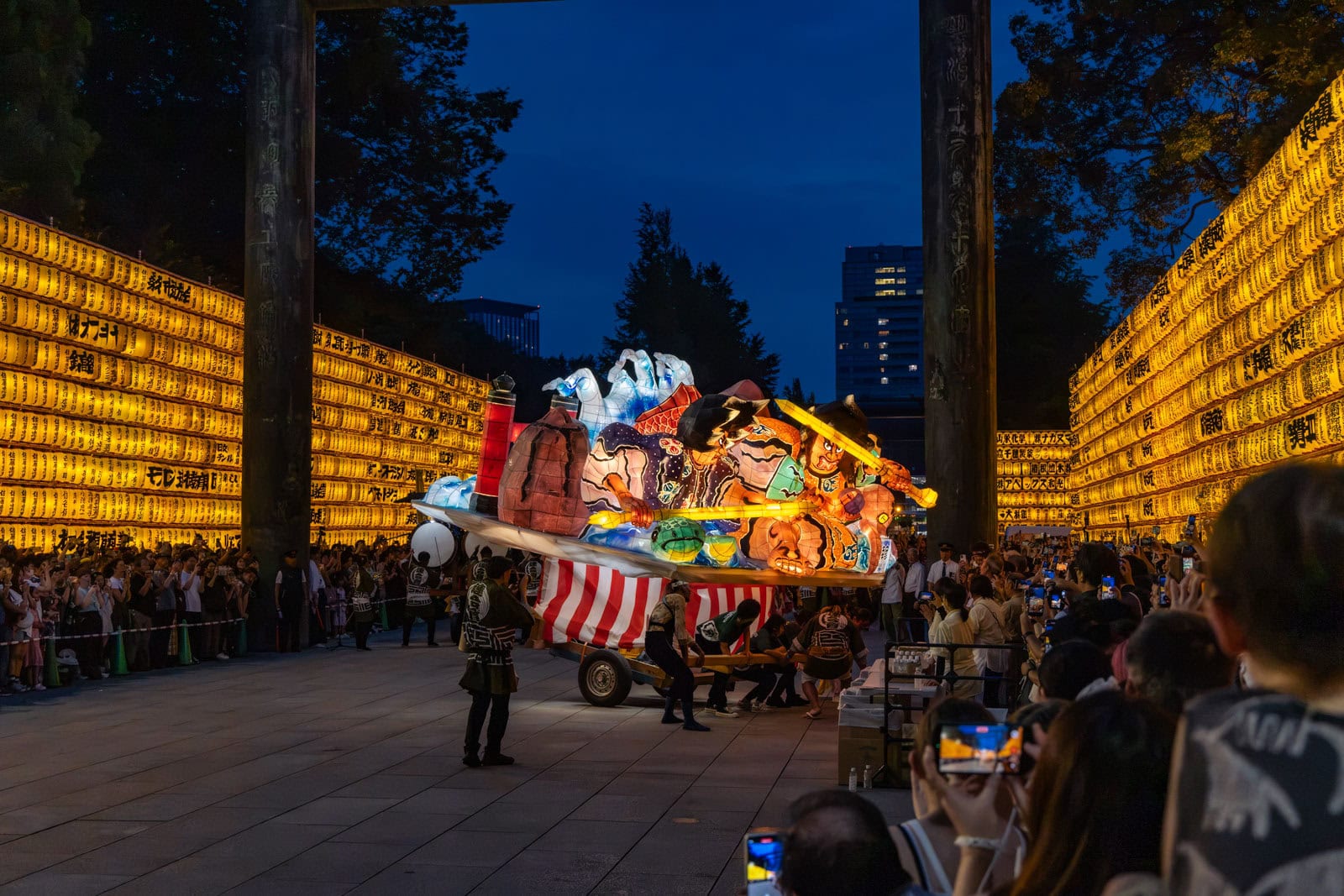
- The route: Instead of a long city-wide parade as in Aomori, the Yasukuni Nebuta is paraded down the sando (the main approach to the shrine), framed by thousands of yellow lanterns. The sight of the glowing float passing under the massive Torii gate is a photographer’s dream.
- Schedule: The Nebuta performance happens on specific days of the four-day festival. In 2026, it appeared on July 16th (the final night).
Why does a Nebuta appear at Yasukuni?
The Mitama Festival is spiritual, held to console and honor the spirits (mitama) of those who died defending Japan in its conflicts. The Nebuta fits this theme; the float depicts brave warriors and protective deities, acting as a symbolic bridge to the spiritual world.
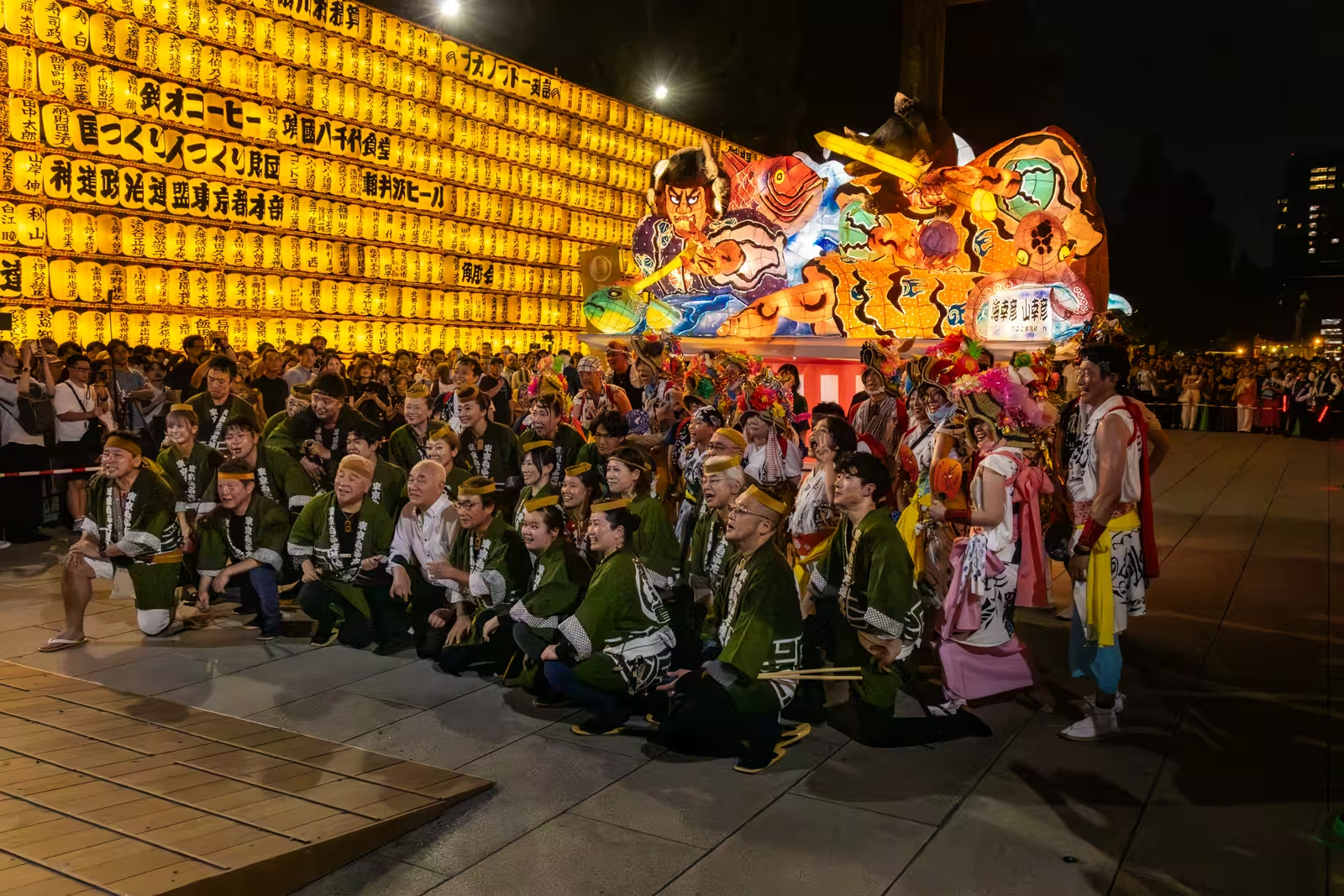
The performance
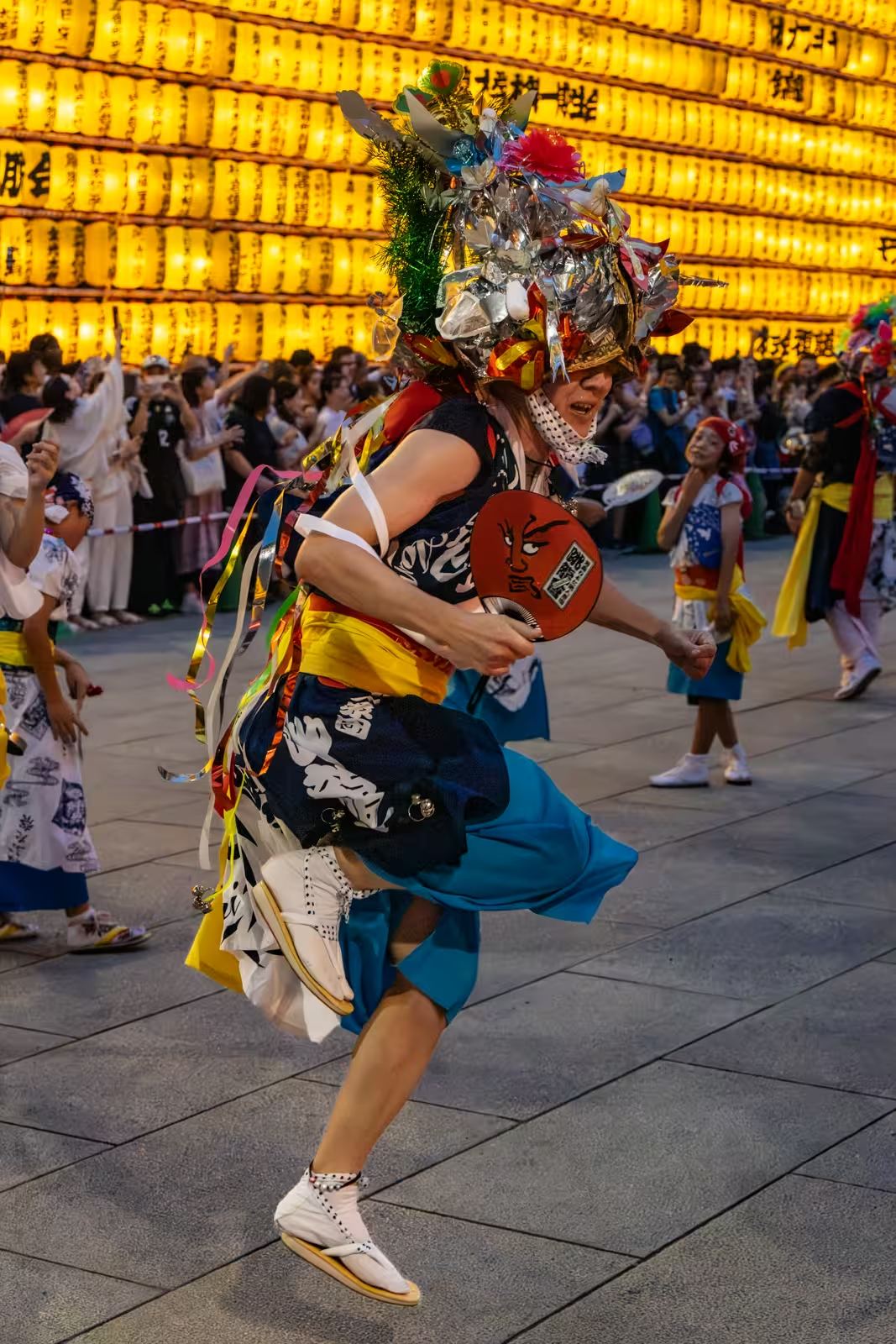
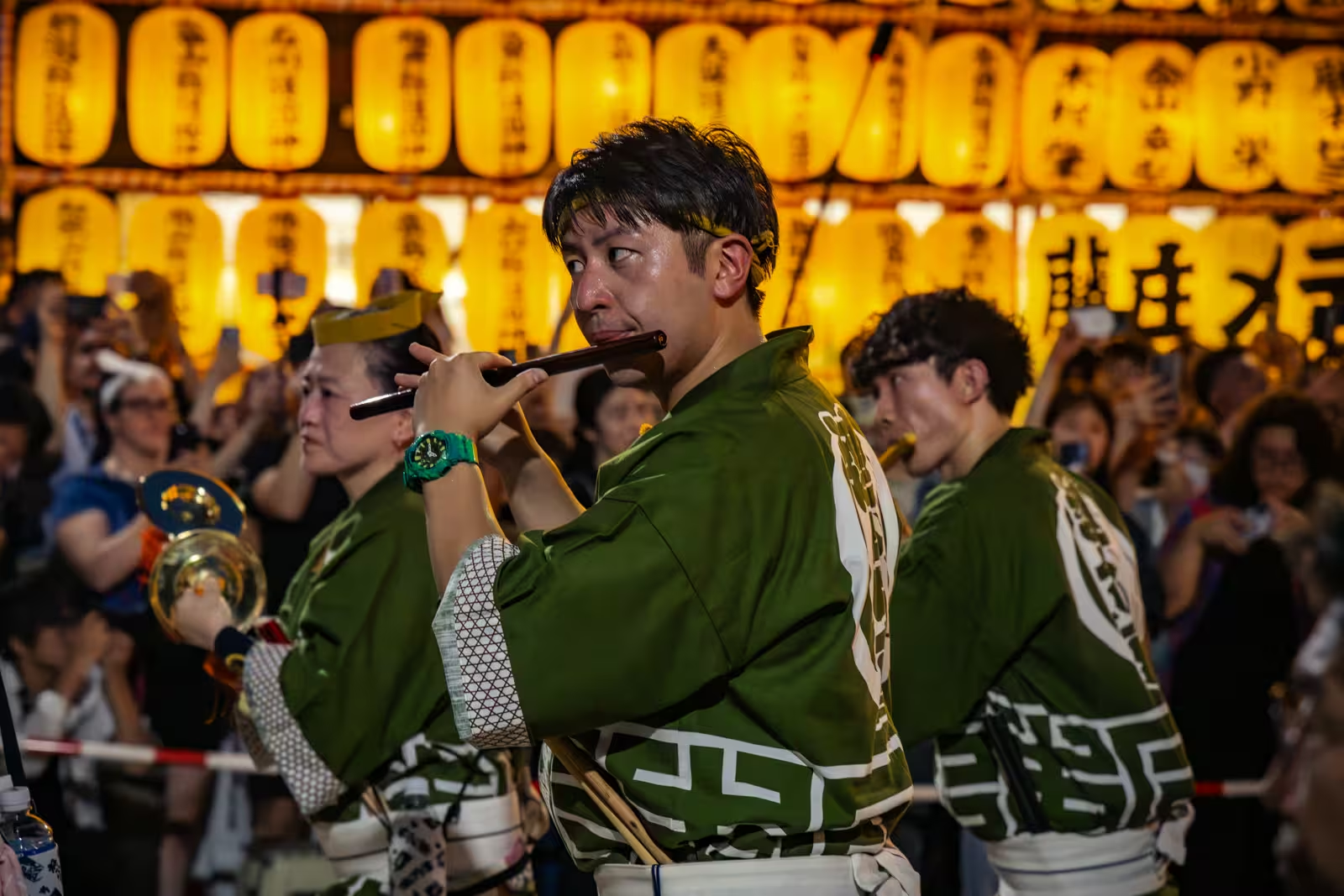
The atmosphere shifted when the Hayashi, a musical cart carrying taiko drums, arrived with flutists and cymbalists walking behind. Haneto dancers accompanied them.
In their traditional costumes, the dancers performed a rhythmic skipping dance, their voices rising in the signature chant: “Rassera! Rassera!”
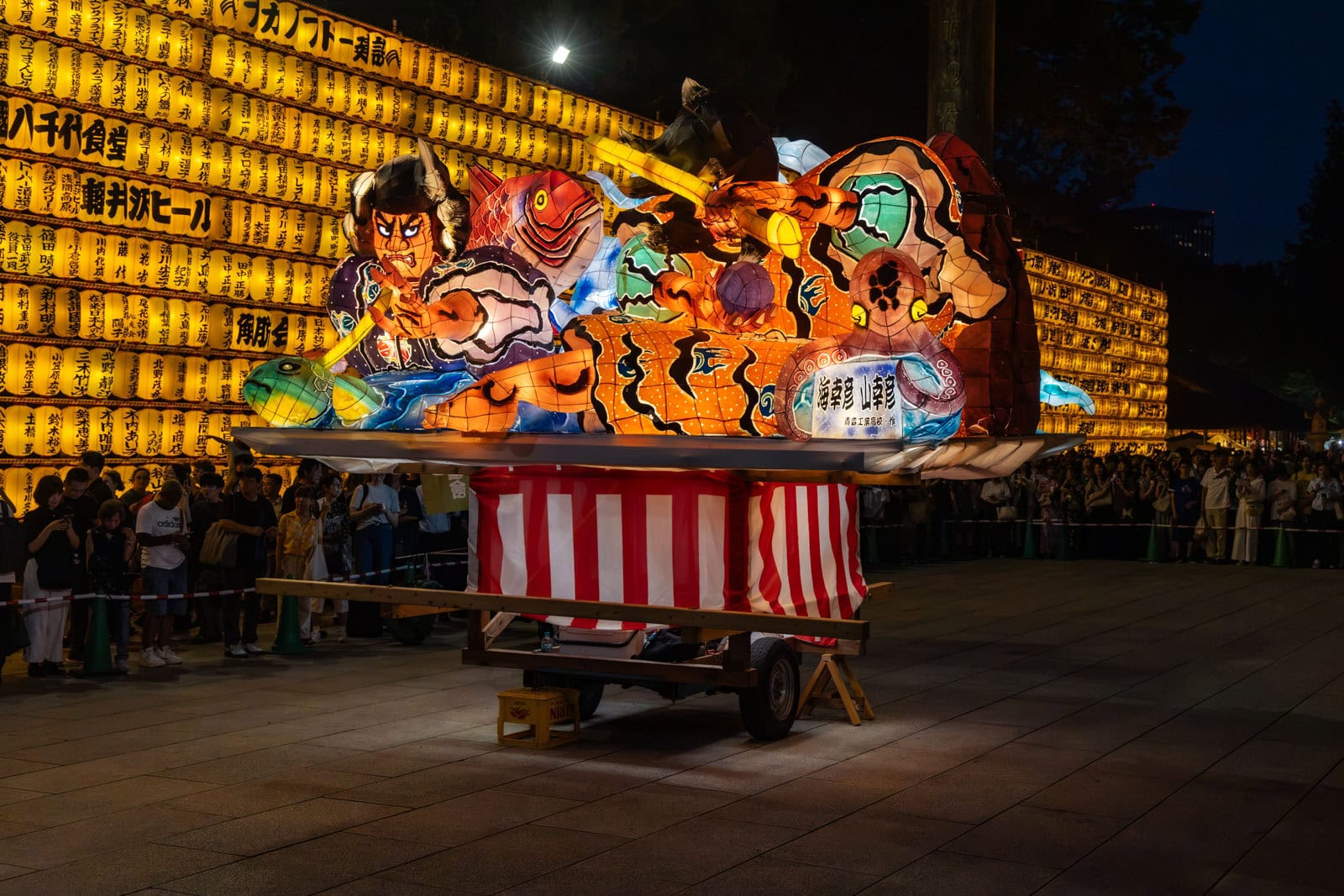
The Nebuta’s path was interesting. The crew steered it in a zigzag pattern up the path. Just as they reached the edge of the crowd, they would heave their weight to “dip” the nose of the float toward the spectators. The crowd would erupt in cheers as the glowing face of a warrior loomed over their heads!
The procession ended at the Shinmon (the great gate before the inner sanctuary). The crew left the float to perform a short, somber ceremony in the main hall before returning to lead the Nebuta back out, marking the end of the 2026 festivities.
Tips for visiting
- Crowds: If you want to see the Nebuta move, arrive at the main approach (between the First and Second Torii gates) at least an hour before the scheduled 6:30 p.m. or 7:00 p.m. start time. Arriving late means you’ll be at the far back, making photography difficult.
- Take your fastest lens as the performance area is quite dark.
Is the Nebuta performance worth it?
Watching the Nebuta glow against the dark Tokyo sky was one of my 2026 summer highlights. It gave me another great photo opportunity from the Mitama Festival.
If you ever have the chance to see a Nebuta, in Aomori or at Yasukuni, do not miss it. It is a very memorable experience. To learn more about the shrine, please read my full article about it.