Nezu Shrine: A Photography Guide to an Edo-Era Sanctuary
Nezu Shrine commands a quiet confidence in a city known for its kinetic energy. It may not possess the global name recognition of other Tokyo heavyweights, but the atmosphere here more than compensates for the lack of crowds. Two things define this location: the history, which is palpable, and the seasonal explosion of color during the Azalea Festival. For photographers, this place simply beckons.
Why Nezu Shrine captivates photographers
Nezu is often cited as one of the city’s oldest shrines and is frequently lauded as its most beautiful. However, beauty is subjective, so I’ll leave that final decision to you. Regardless of where it ranks on your personal list, the shrine possesses undeniable magnetism.
Rare Edo-era architecture in Tokyo
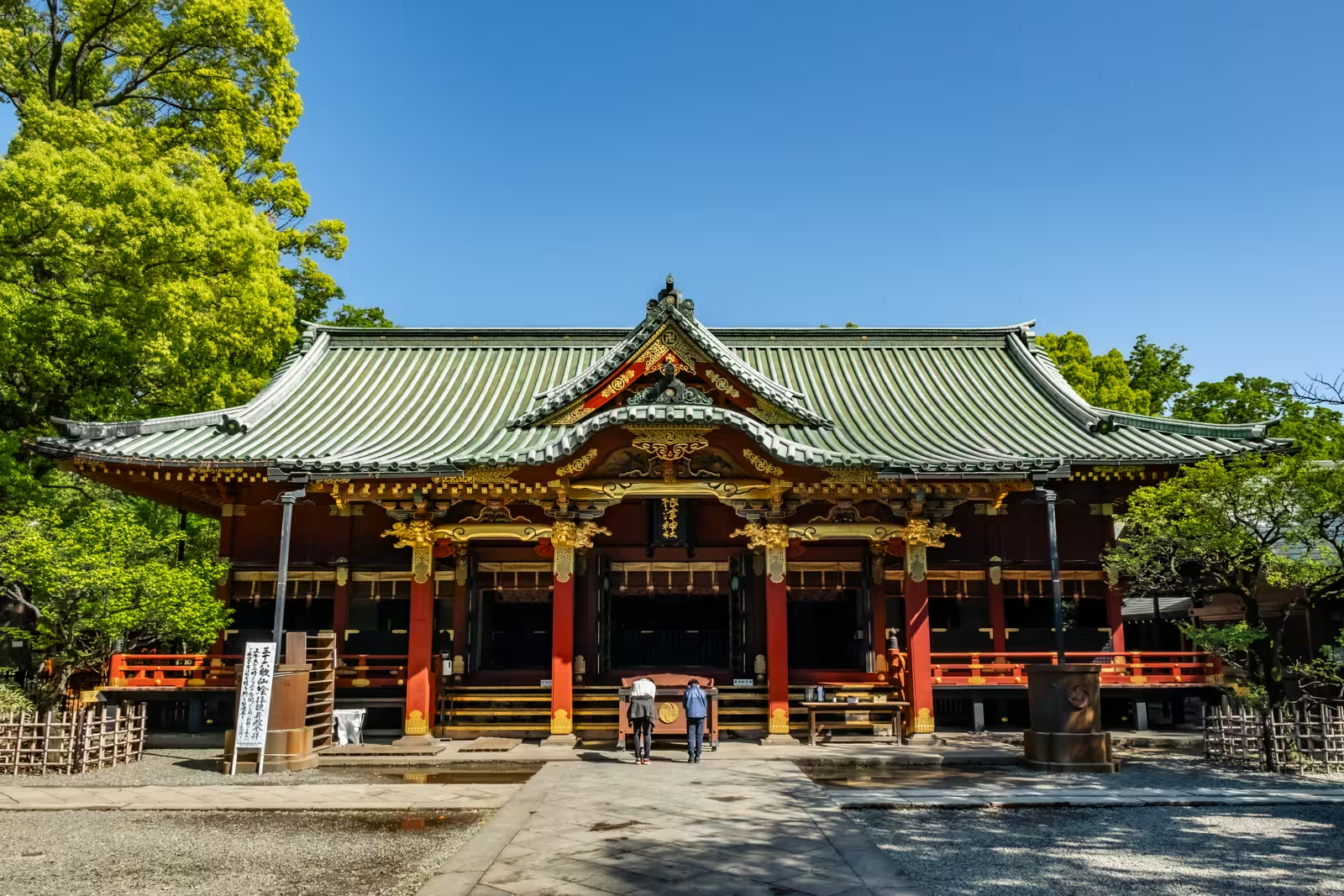
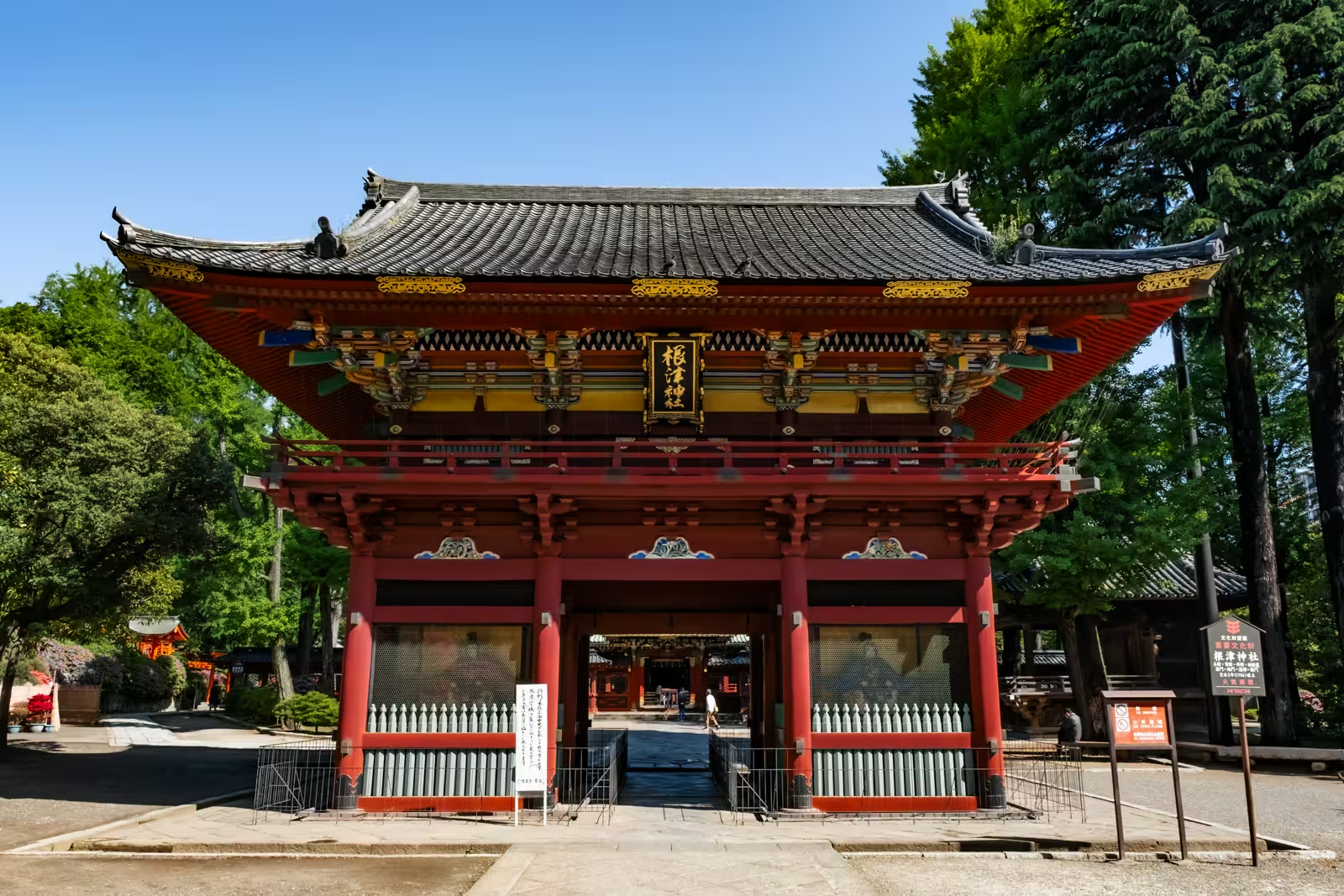
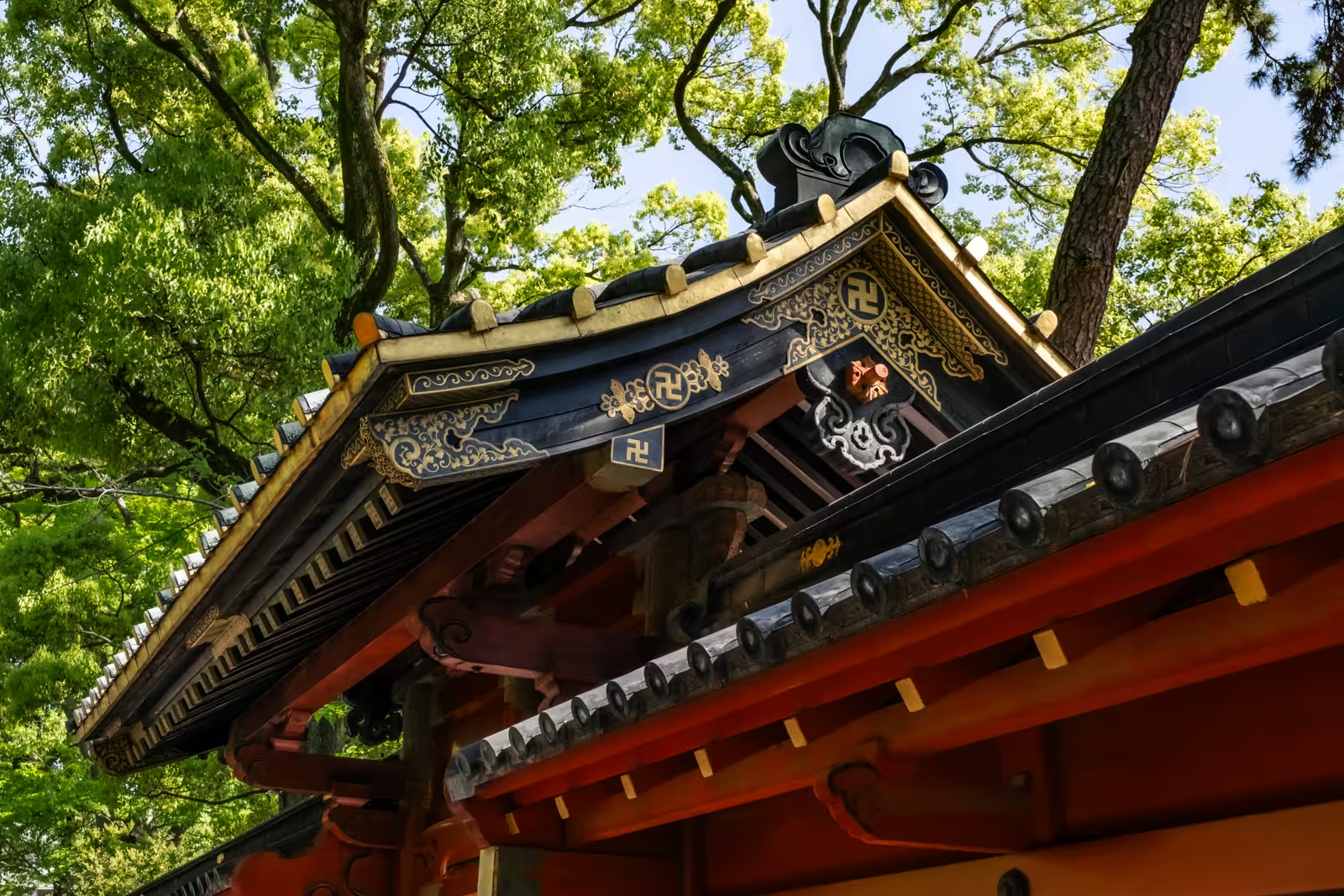
The architectural significance here is profound. Fans of Japanese history will recognize the gongen or ishinoma-zukuri style—the same elaborate aesthetic found at Toshugu in Nikko.
Nezu Shrine is truly special in this regard. Not many wooden structures in Tokyo have survived centuries of fires, earthquakes and air raids; the list is incredibly short and also includes the famous Gokokuji Temple. The government has designated both Important Cultural Properties.
Capturing an authentic local atmosphere
I find myself drawn to Nezu because it feels uncurated and authentic. Unlike the tourist-heavy locations of Asakusa or Harajuku, visitors here do not overrun the grounds—except, perhaps, during the peak of spring.
On a normal day, locals make up the majority of the foot traffic. I often see people here at all hours using the space as a community living room. Some read books on the benches, others eat a quiet lunch, and some simply wait for friends to chat with. Of course, offering prayers is part of the rhythm, too.
For shrine lovers and photographers, Nezu belongs high on your itinerary. Many people I know place this Tokyo sanctuary in their top ten.
Best photo spots at Nezu Shrine
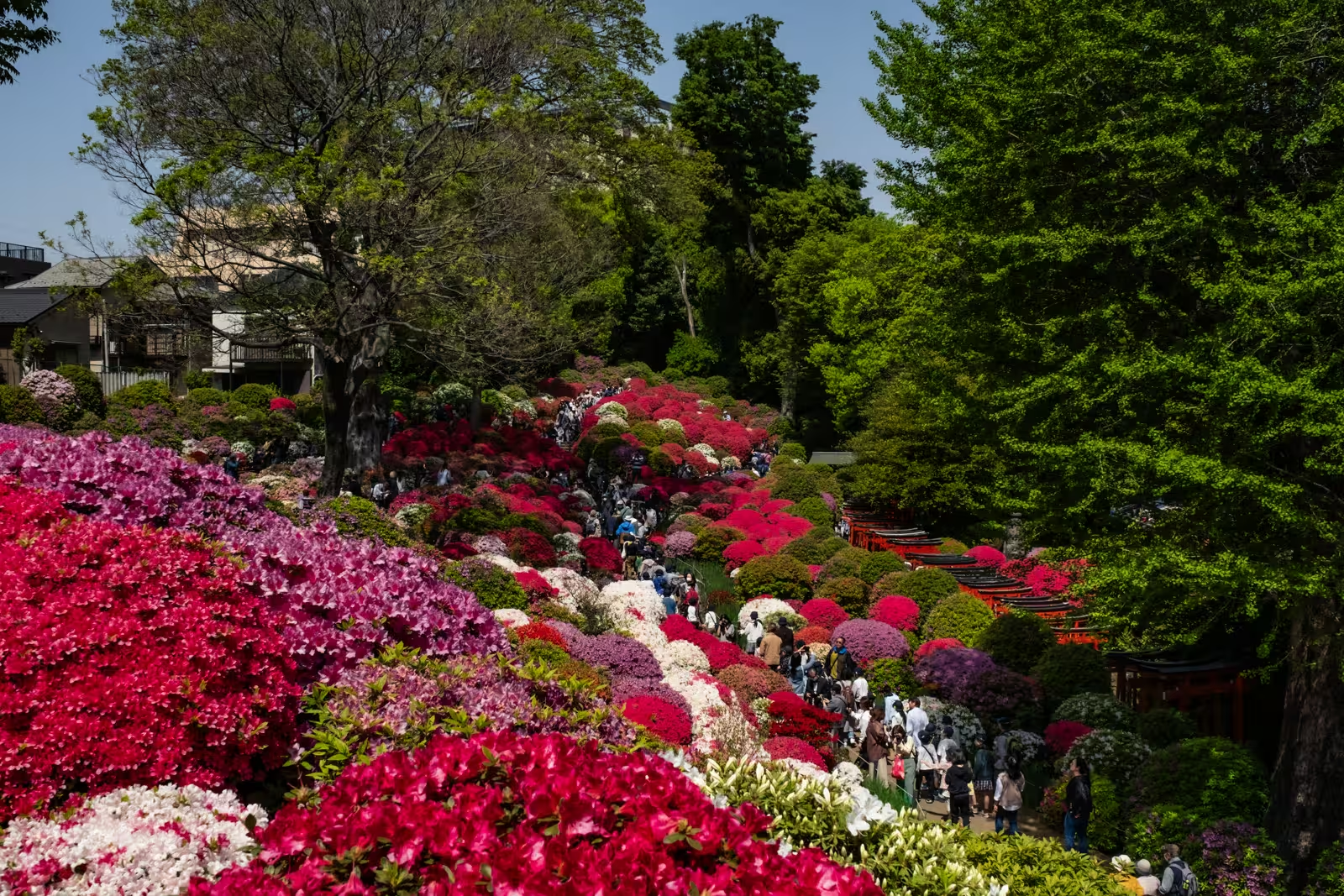
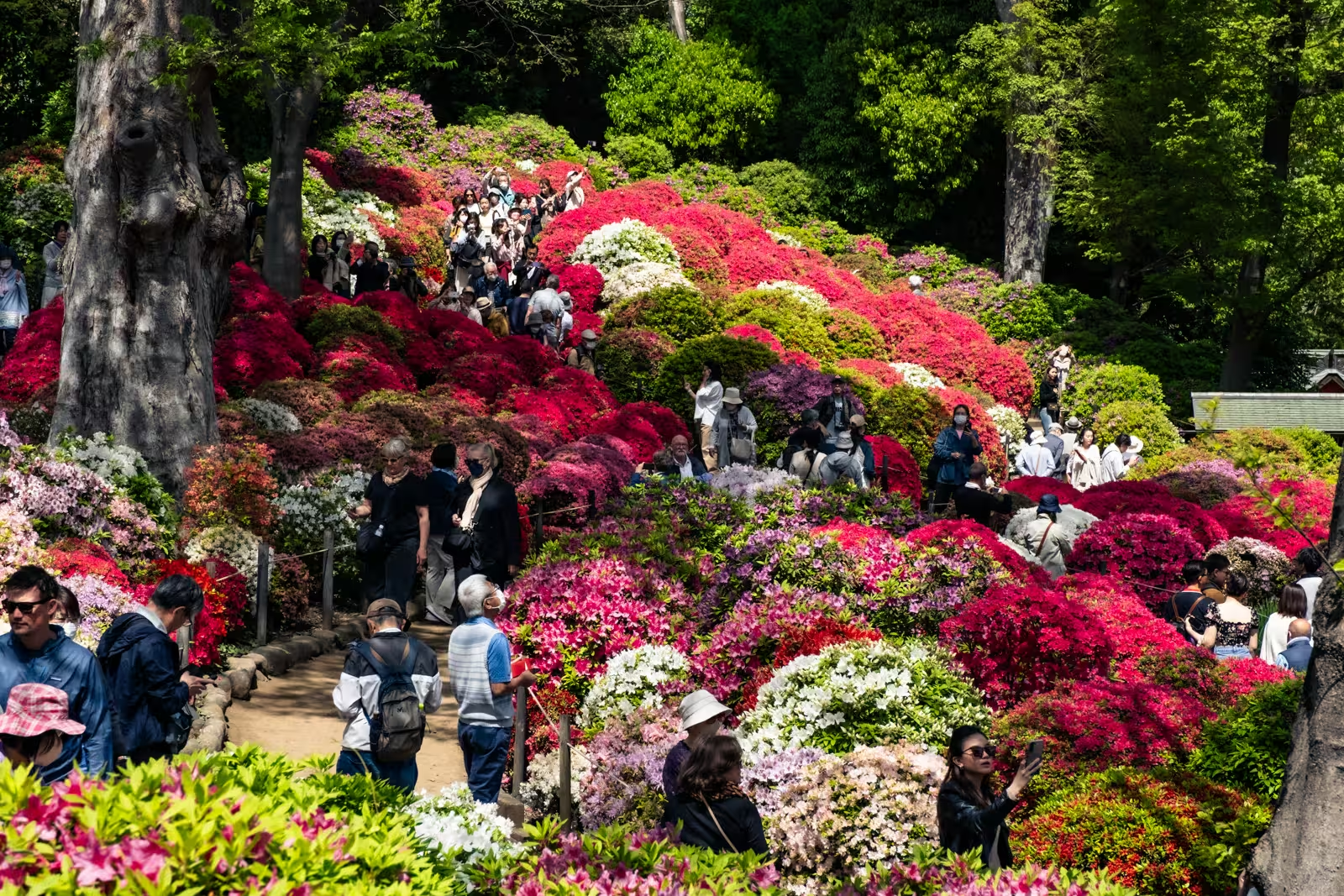
The grounds are extensive, though perhaps not as massive as Sensoji Temple or Meiji Shrine. However, the layout requires space to fully appreciate. When the annual Azalea Festival arrives in April, the 3,000 plants transform the hillside into a kaleidoscope of brilliant hues. It is easily one of Tokyo’s premier flower events.
Here is what you should focus your lens on:
- The architecture: The intricate details of the Edo-period craftsmanship.
- Bunkyo Azalea Festival (Tsutsuji Matsuri): This is one of Tokyo’s most popular flower festivals. When the flowers bloom, the hill above the shrine explodes into color. Go and you’ll soon understand why so many people visit it. Make sure to leave your tripod at home as they aren’t allowed.
- Shrine halls: The main structures offer excellent symmetry.
- Sukibei: The lattice wall surrounding the honden (main hall) adds texture to wide shots.
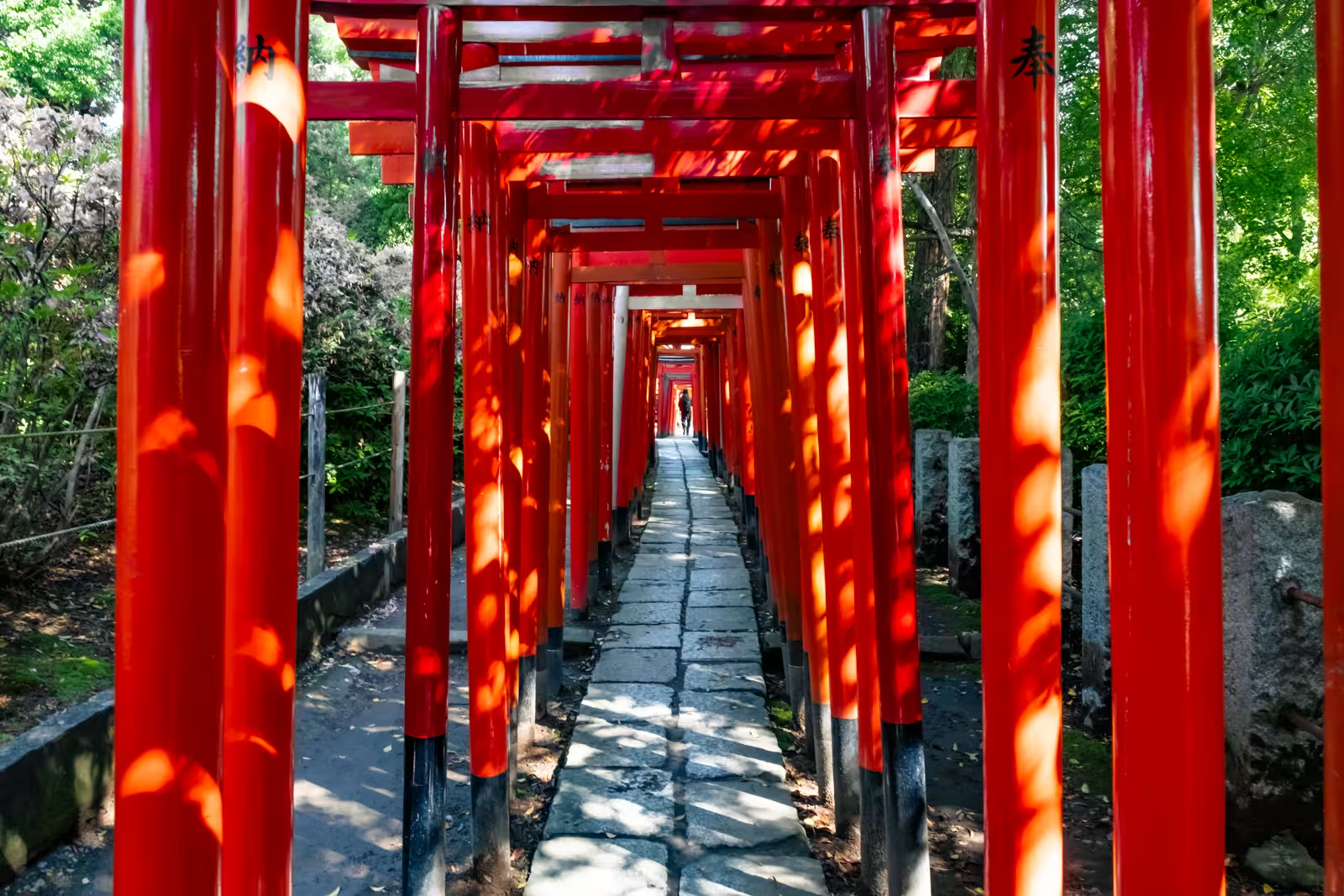
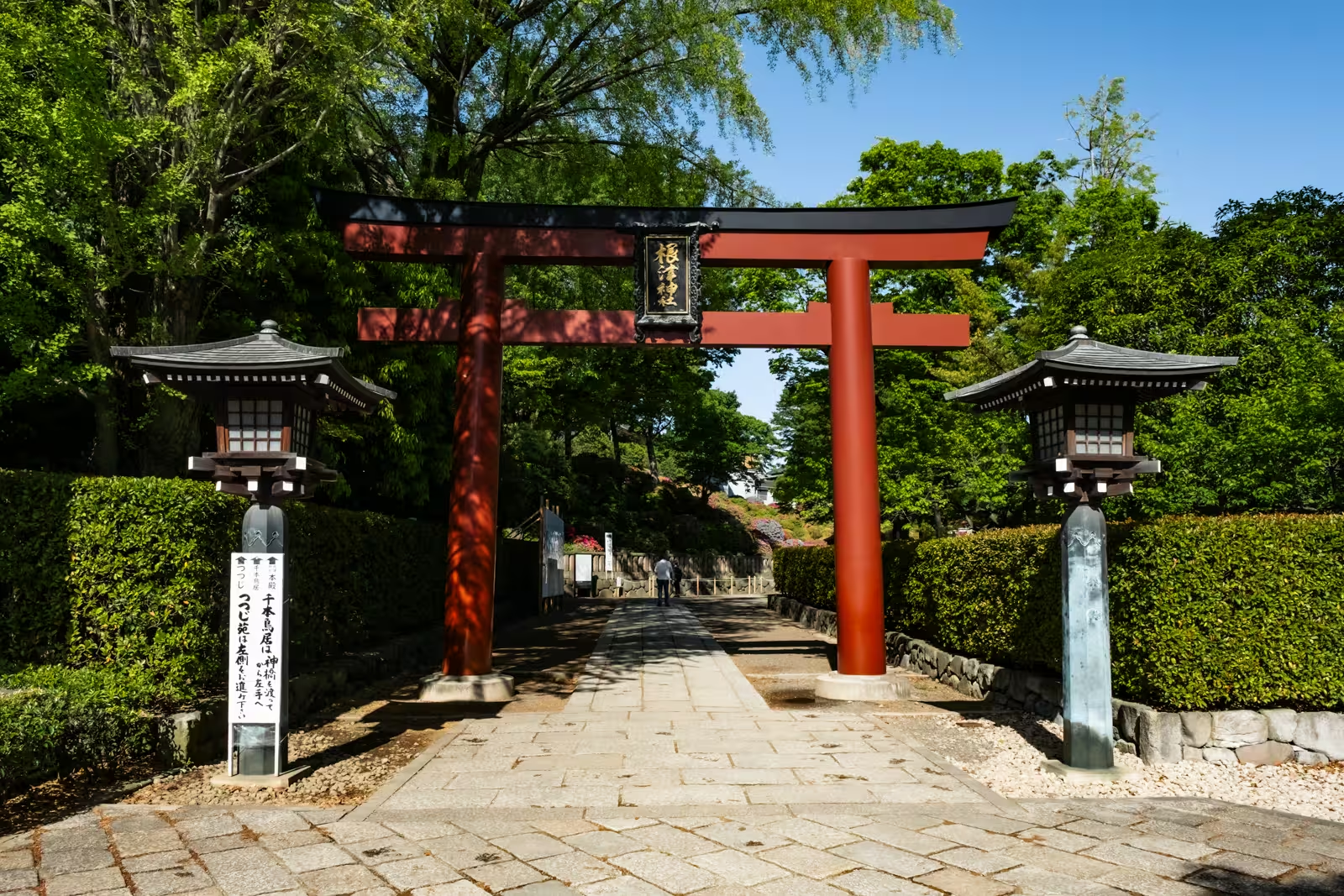
- Torii gates: Use a wide-angle lens (16-35mm) to capture the tunnel effect.
- Local context: The shrine sits in a residential valley. Above Azalea Hill, you can see private houses, offering a glimpse of suburban Tokyo life.
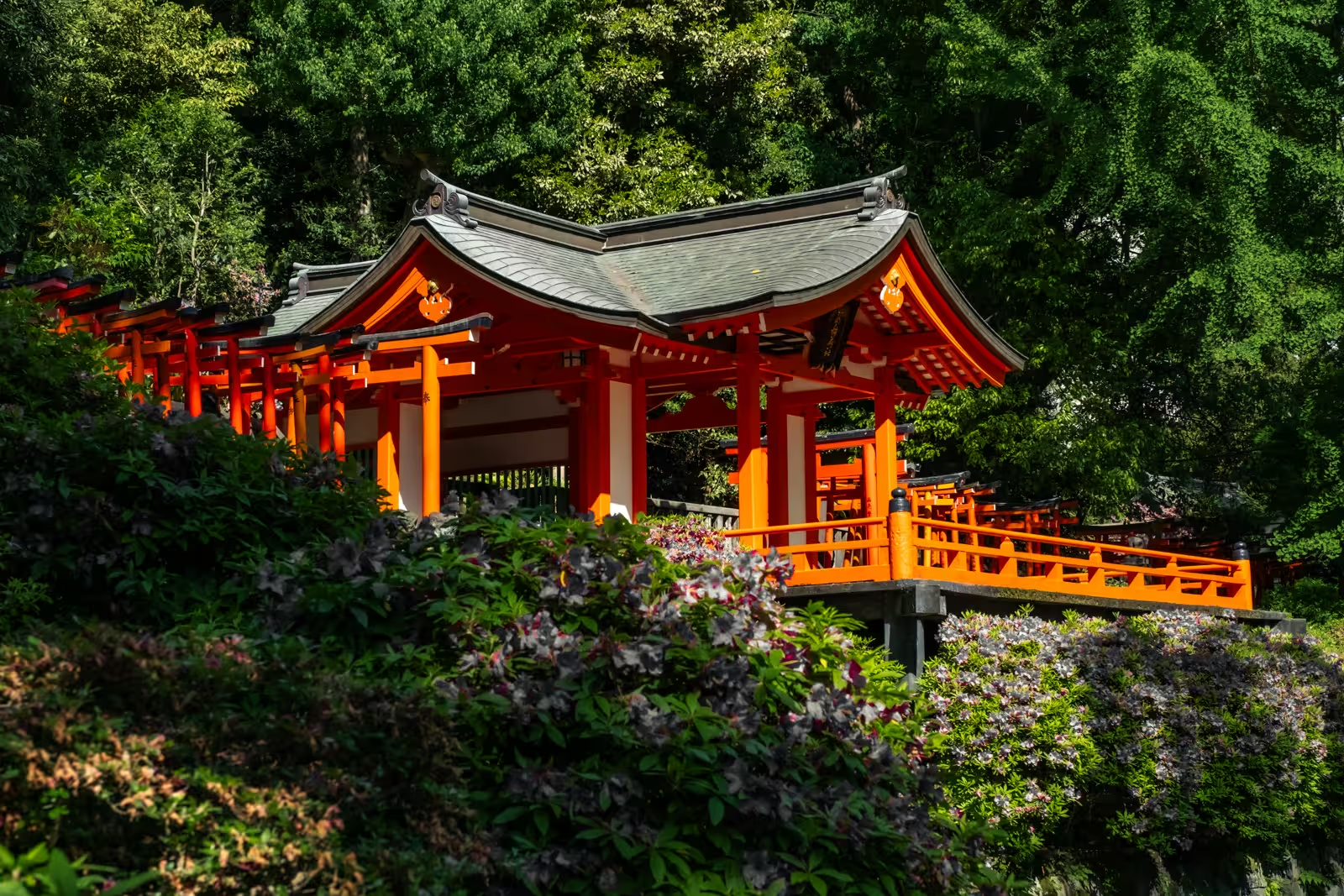
- Otome-Inari Shrine: A smaller sub-shrine dedicated to the rice goddess.
- The viewing deck: Provides a high vantage point to look down upon the pond and the main hall.
Tips for photographing Nezu Shrine
- Best time to shoot: To capture the vermilion torii gates without crowds, arrive as early as possible. 7 a.m. or earlier might be best. The morning light provides soft, diffused illumination ideal for portraiture.
- While April is the peak for color, the shrine is also a major destination for Hatsumode (New Year’s), offering dynamic shots of festive crowds and traditional kimonos.
- Gear recommendations: Pack a wide-angle lens (16mm-24mm) for the architectural shots and the gate tunnel. If visiting during the Bunkyo Azalea Festival, bring a telephoto lens (85mm+) to compress the layers of flowers and isolate specific blooms.
- Tripod rules: Note that tripods are strictly forbidden during the festival to keep traffic flowing. Boost your ISO or use a lens with image stabilization during these times.
Visitor information: Location, access, costs, & hours
Address
- 1-28-9 Nezu, Bunkyo City, Tokyo
- Here is the shrine on Google Maps:
Train access
- Nezu Station or Sendagi Station: Tokyo Metro Chiyoda Line (5-minute walk)
- Todaimae Station: Tokyo Metro Namboku Line (5-minute walk)
- Hakusan Station: Toei Mita Line (10-minute walk)
Opening hours
The grounds are accessible 24 hours a day. However, the shrine office acts as the administrative hub and is open from 9:30 a.m. to 5:30 p.m.
Entry costs
- General admission: Free
- Azalea garden entrance: ¥500
- For the most up-to-date information, consult the official Nezu Shrine website.
Top photo spots near Nezu Shrine
The surrounding area is rich with culture. After you finish shooting, I recommend visiting:
- Koishikawa Botanical Gardens: A beautiful Edo-period park
- Ueno Park and Museums
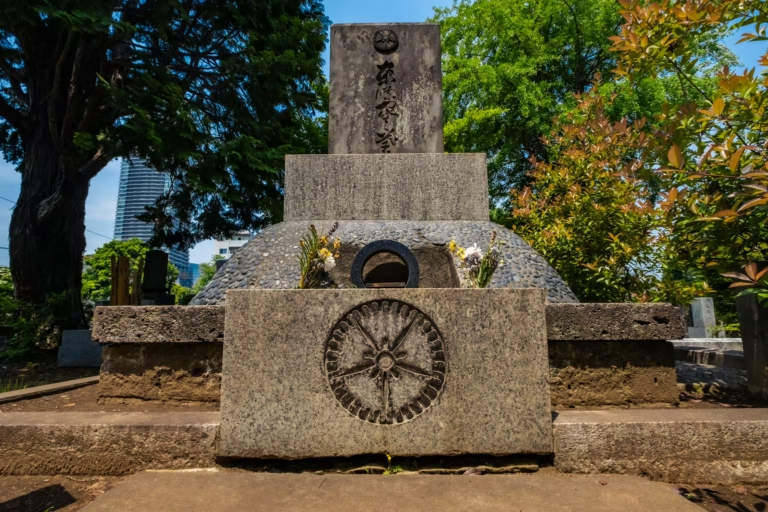
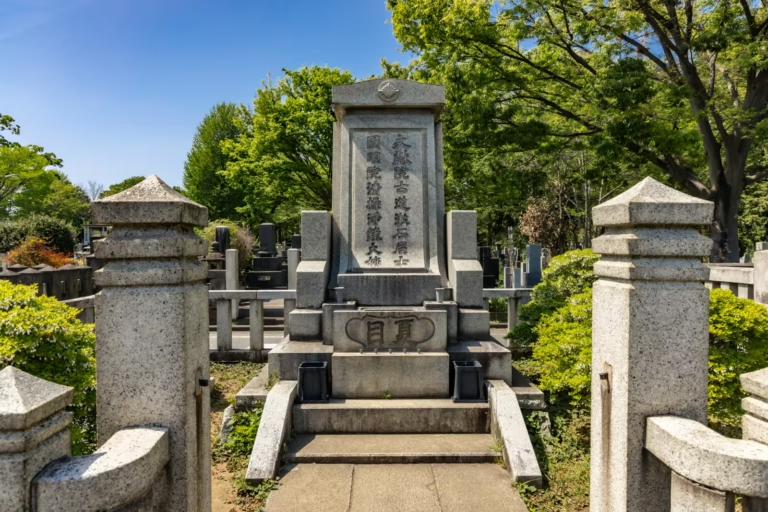
- Yanaka Cemetery: The resting place of Japan’s last shogun
- Yanaka Ginza (a charming retro shopping street)
A brief history of Nezu Shrine
According to ancient records, Nezu Shrine was originally established in Sendagi (slightly to the north) during the first century. It is said that Yamato Takeru dedicated the shrine to Susanoo-no-Mikoto, the god of seas and storms.
In 1705, the fifth shogun, Tsunayoshi Tokugawa, relocated it to its current site to mark the occasion of choosing his successor, Ienobu. Later, in 1868, Emperor Meiji designated twelve major shrines in the Tokyo area as quasi-imperial shrines. Nezu Shrine was honored as one of them.
Is Nezu Shrine worth it?
Nezu Shrine is a joy to explore, largely because it remains mostly unchanged from its original design. It serves as a rare time capsule in a modern metropolis. Visitors are guaranteed to leave with a collection of memorable images, but if you can time your trip for the Azalea Festival, the view from the hill is unforgettable.