Shinjuku’s Giant Jizo: More Than Just a Buddha
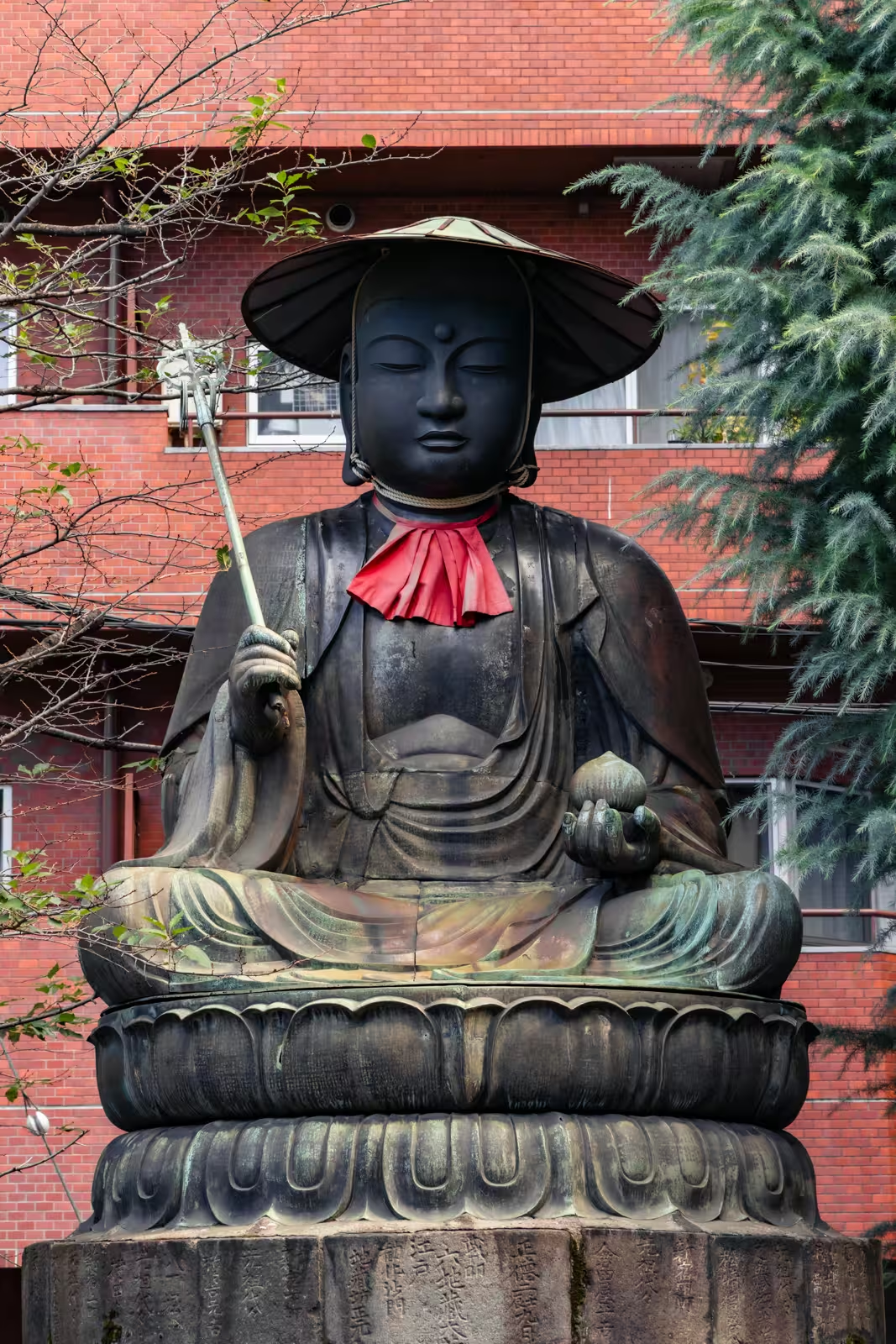
While doing some street photography with a fellow photographer years ago, he introduced me to a Shinjuku secret. He took me to Taisoji Temple, near Shinjuku Gyoen. Upon arrival, I got a huge surprise.
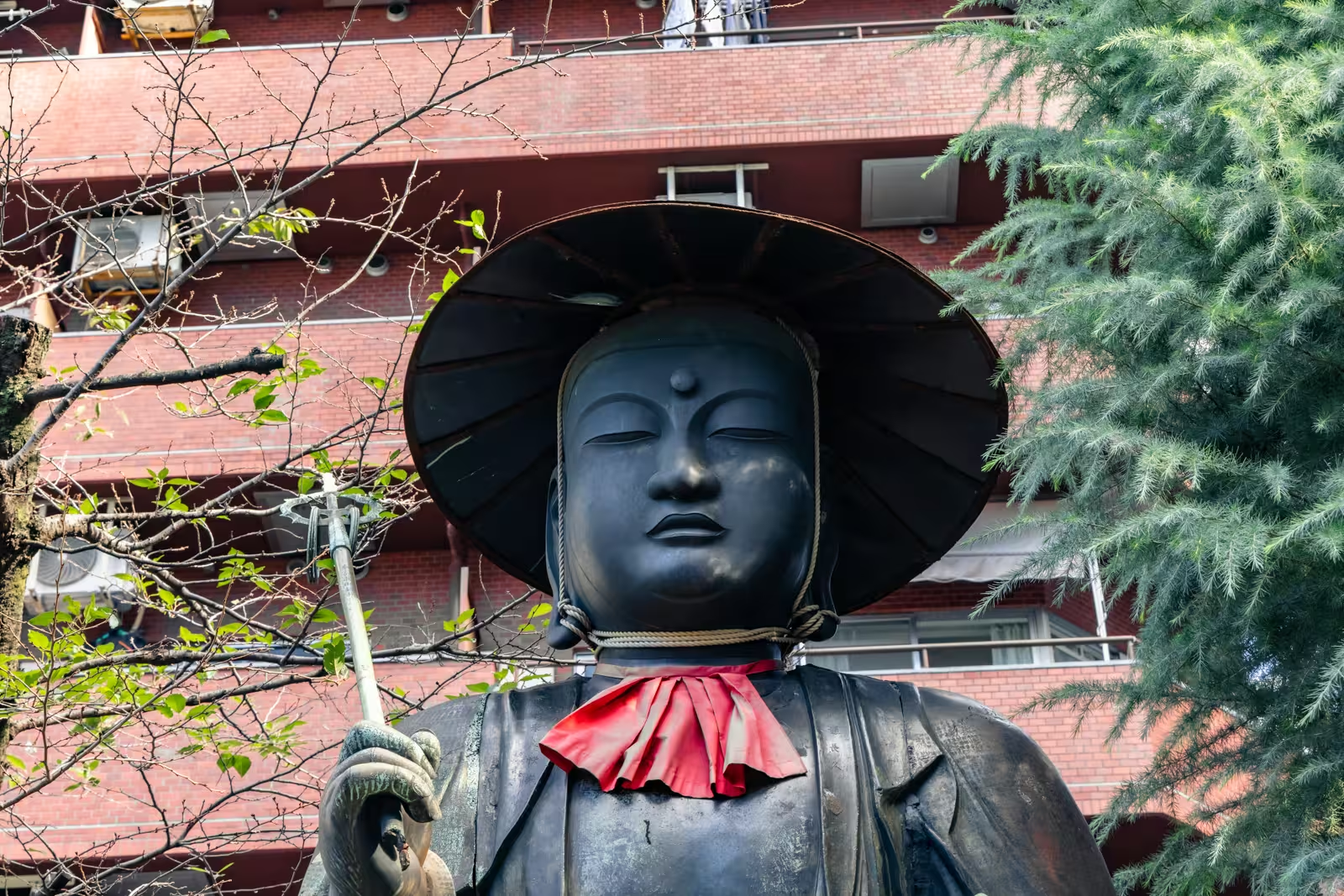
Just inside the entrance was an enormous statue. Its sheer size was inspiring, and I was thrilled to find such a significant landmark so close to the bustling Shinjuku Station. I’d never seen it nor heard of it before. With winter light fading, we captured a few images and continued on our way, leaving the temple’s story for another day.
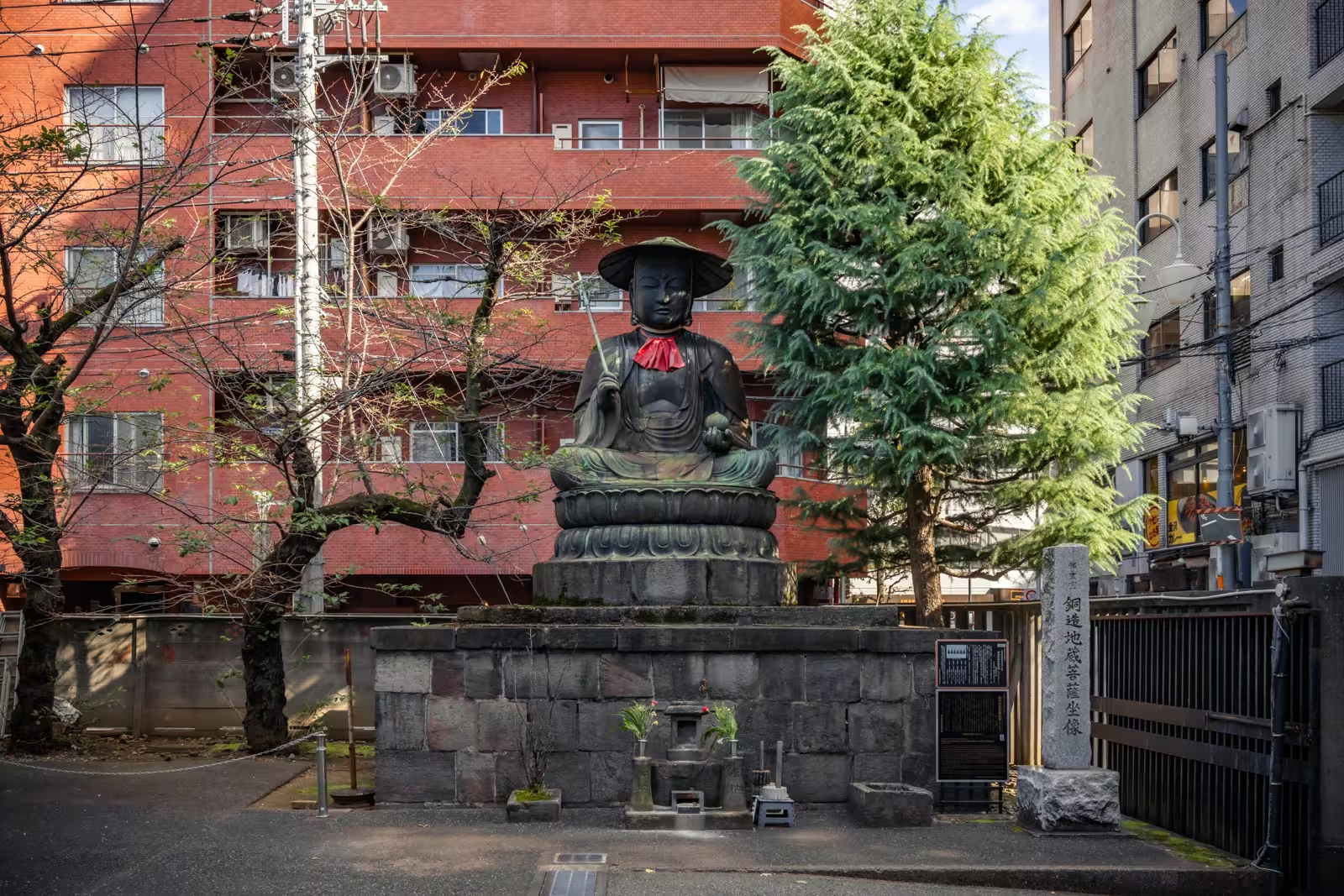
It wasn’t until a return visit that a nagging feeling about the statue crystallized into a revelation: it wasn’t a Buddha. The giveaway, I eventually realized, was the simple red bib adorning its neck. That’s a distinctive feature of Jizo statues. My initial assumption, swayed by its grand scale, had caused me to overlook this crucial detail.
What is a Jizo statue? (The red bib meaning)
So, what exactly is a Jizo? These stone figures hold a special place in Japanese Buddhism as guardians of children, travelers, and firefighters. Jizo is a Bodhisattva, a being who delays their own enlightenment to help others. The red bibs they often wear are offerings from parents seeking protection for their children, both living and deceased. The color red is believed to ward off evil and illness, adding a layer of symbolic protection.
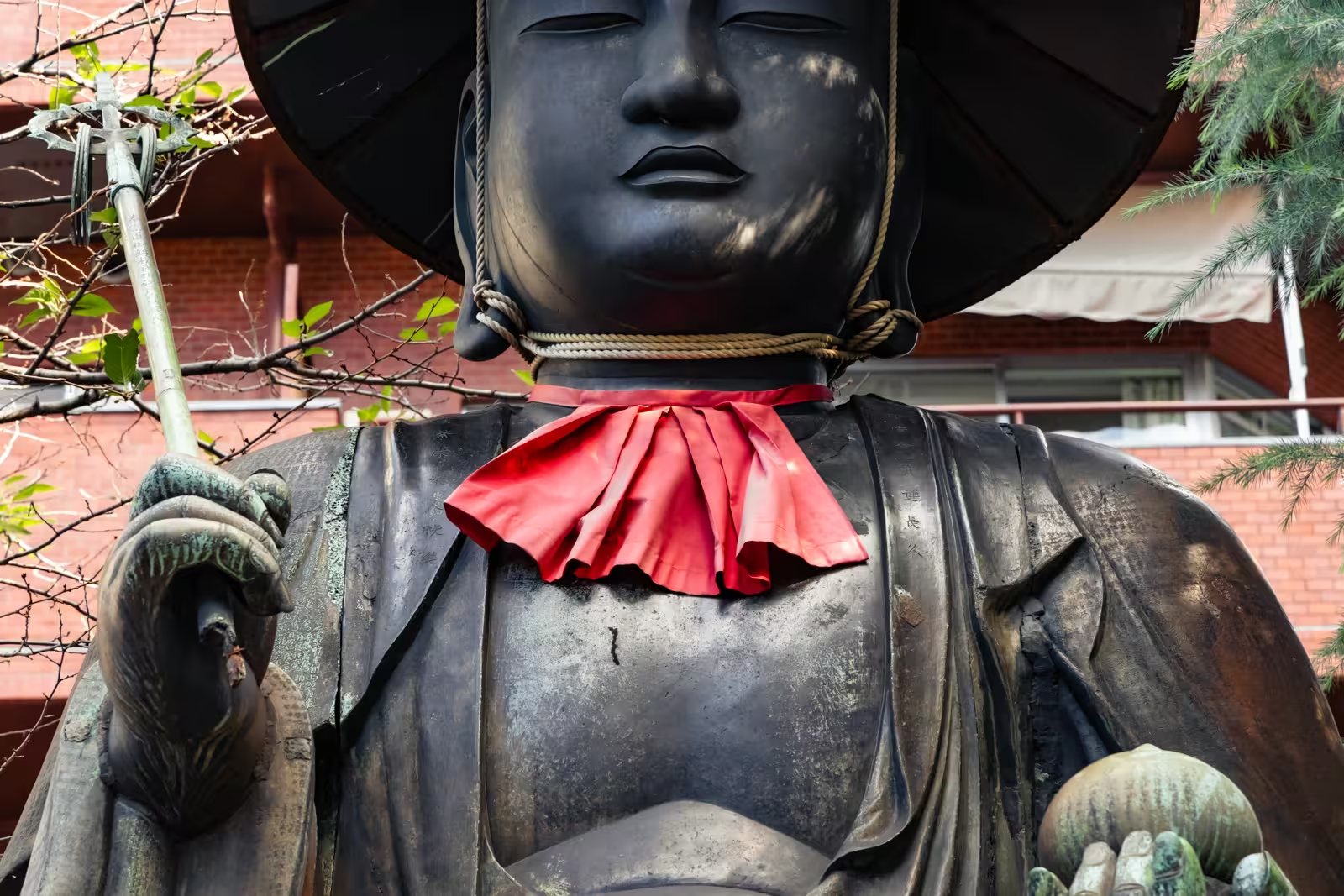
Taisoji Temple: Home to one of Tokyo’s Six Great Jizo (Edo Roku Jizo)
A plaque at the temple, which I had overlooked on my first visit, revealed the statue’s true significance. This impressive figure, standing at 267 cm, is one of the famed “Edo Roku Jizo,” or the Six Great Jizo Statues of Edo (the former name for Tokyo).
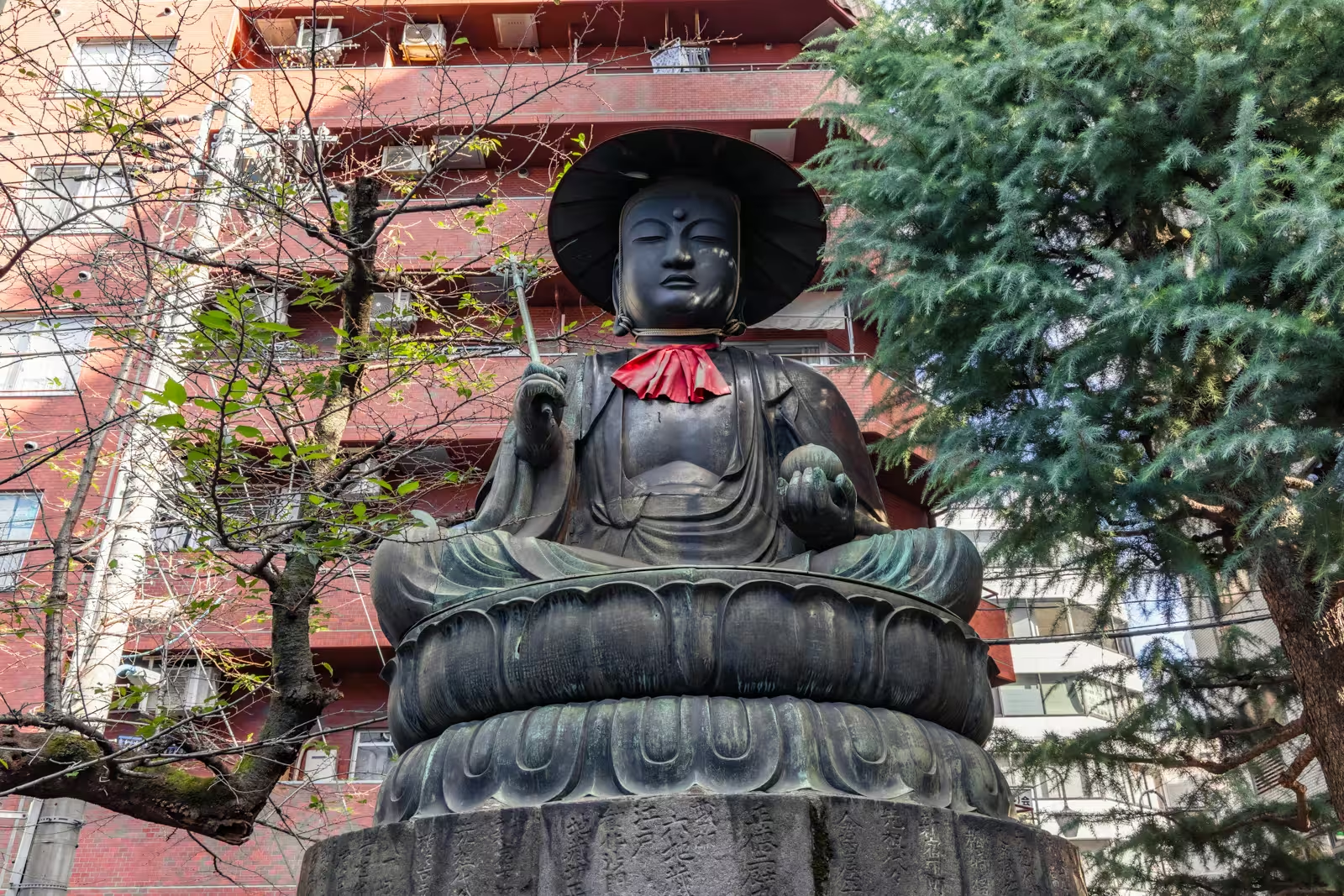
The creation of these statues was initiated by a priest named Jizobo Shogen in the early 18th century. After miraculously recovering from a serious illness through prayer, he vowed to erect six large Jizo statues at the main entrances to Edo to protect travelers and guide the deceased. All six bronze statues were cast by the master metalworker Ota Masayoshi and funded by donations from over 72,000 people.
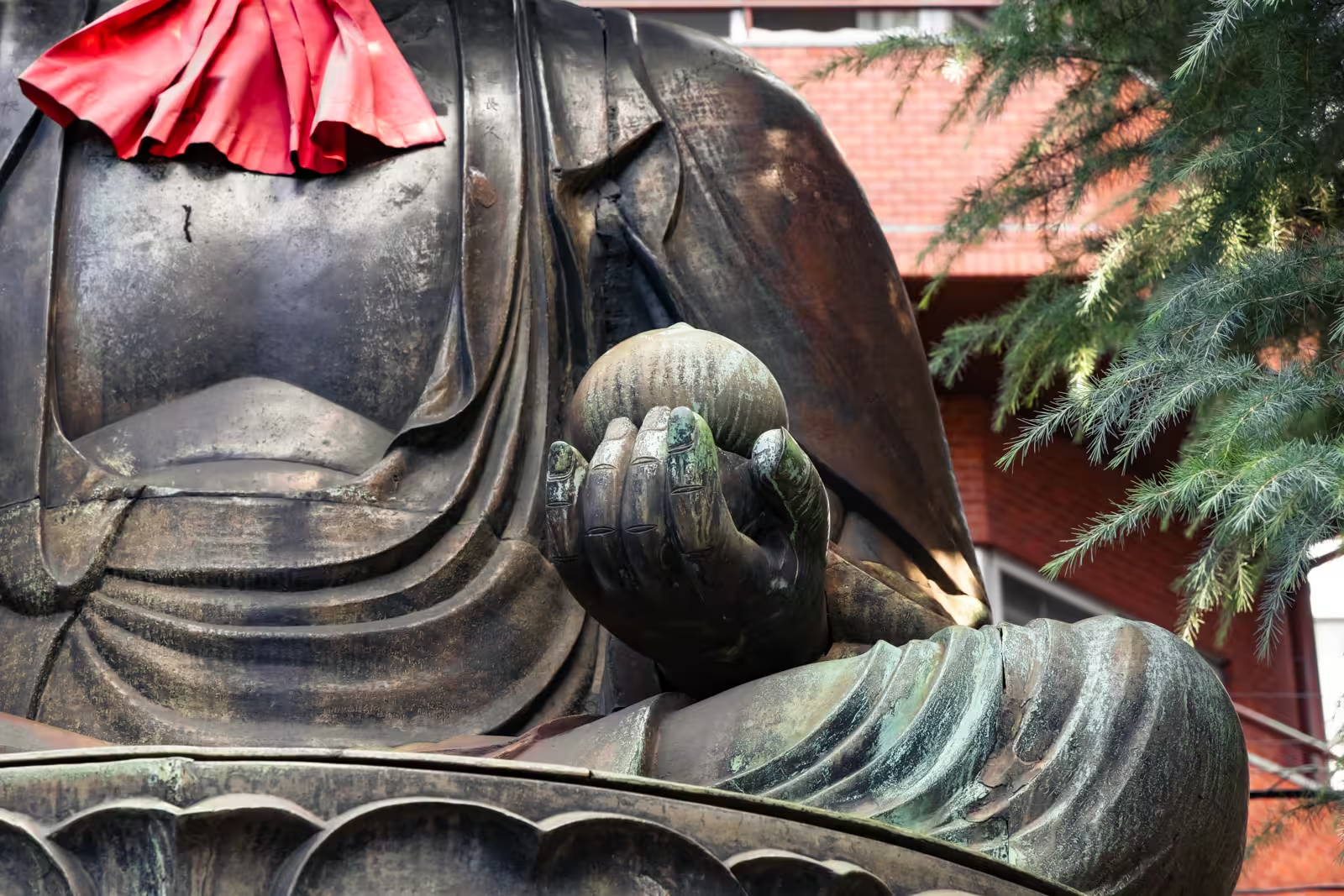
Today, five of the original six statues remain and are recognized as Tangible Cultural Properties by the Tokyo Metropolitan Government. The statue at Taisoji Temple, designated as the third, watches over the Koshu Kaido, a major historical highway. For those interested in a unique pilgrimage, visiting all the remaining statues offers a fascinating journey through different corners of Tokyo. Vicki L. Beyer details this journey and the history of the statues on her website, Jigsaw Japan.
The Shiokake Jizo: Shinjuku’s salt-covered statue
Beyond its famous giant, Taisoji Temple holds another unique statue: the “Shiokake Jizo” or salt-covered Jizo. Tucked away in a corner, this statue is almost completely buried in a thick layer of salt. It is believed that if you are suffering from an ailment, you can take a pinch of salt from the statue and apply it to the affected area of your body. If you recover, you are to return and offer double the amount of salt you took.
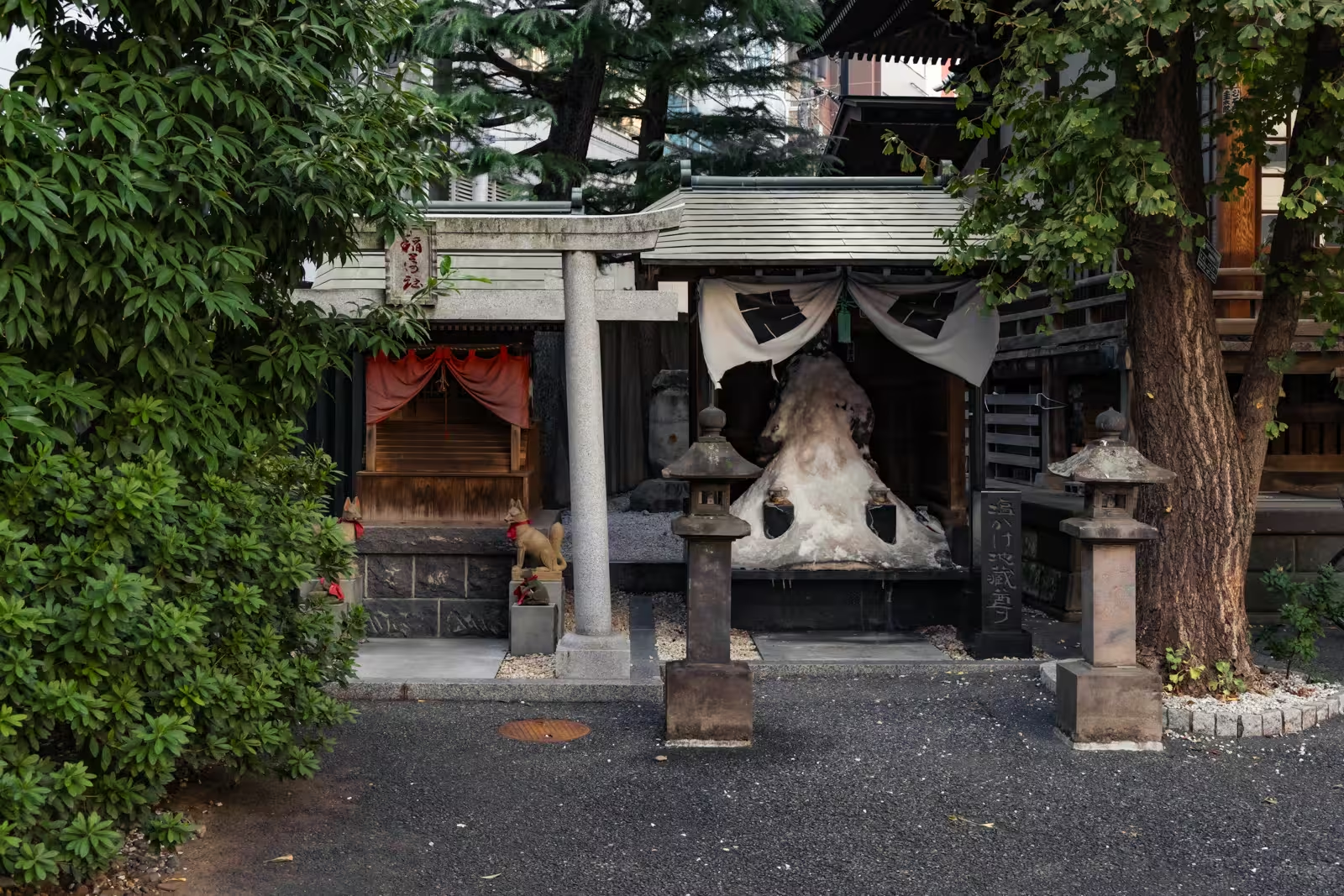
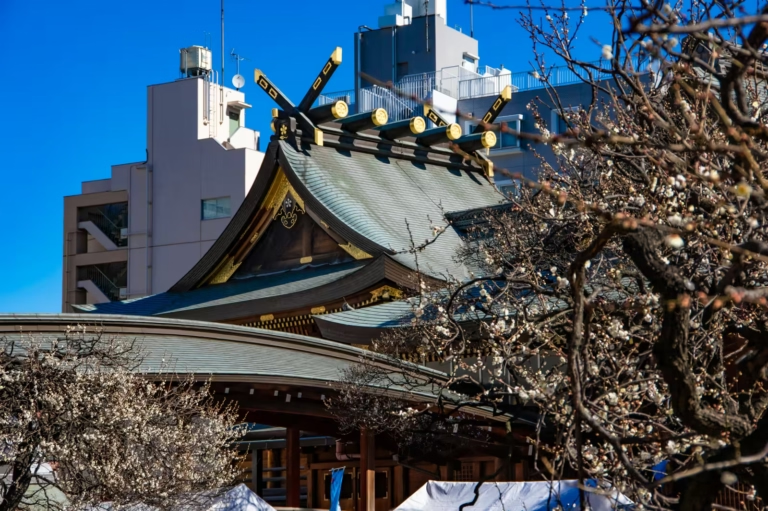
The temple itself offers a peaceful retreat from the energetic streets of Shinjuku, with a history stretching back over 400 years. Visitors can also find a hall dedicated to Enma, the King of the Underworld.
Visitor information: Location, access, costs, & hours
- Location: Taisoji Temple is approximately a ten-minute walk from the JR Shinjuku Station.
- Address: 2-9-2 Shinjuku, Shinjuku City, Tokyo
- Opening hours: 9:00 a.m. to 5:00 p.m.
- Entry fee: Free
- For the most up-to-date information, consult the official Taisoji website.
- Here is the temple on Google Maps:
Top photo spots near Taisoji
After visiting Taisoji, consider exploring these other iconic Shinjuku locations:
- Godzilla Head: Catch a glimpse of the monstrous movie star peering over the Toho Cinema in Kabukicho.
- Golden Gai: A collection of over 200 tiny, atmospheric bars crammed into six narrow alleys, offering a nostalgic glimpse into Tokyo’s past.
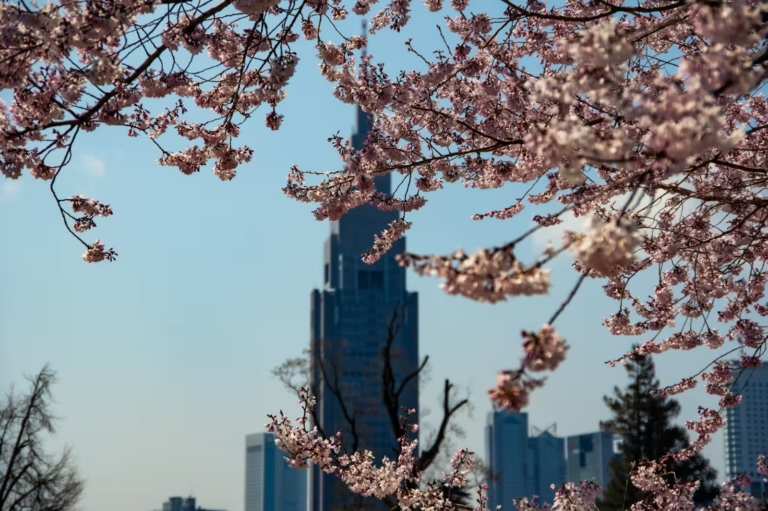
- Mode Gakuen Cocoon Tower: An easily recognizable landmark in Nishi-Shinjuku, this 50-story tower features a unique, web-like design.
- Shinjuku Gyoen National Garden: Once an imperial retreat, this beautiful park is a favorite spot for locals and visitors alike, especially during cherry blossom season.
- Tokyo Metropolitan Government Building: On the 45th floor of both its towers, is a free observatory.
Photography gear for this shoot
- Camera body: Canon EOS R5
- Lens: Canon RF24-105mm F4 L IS USM