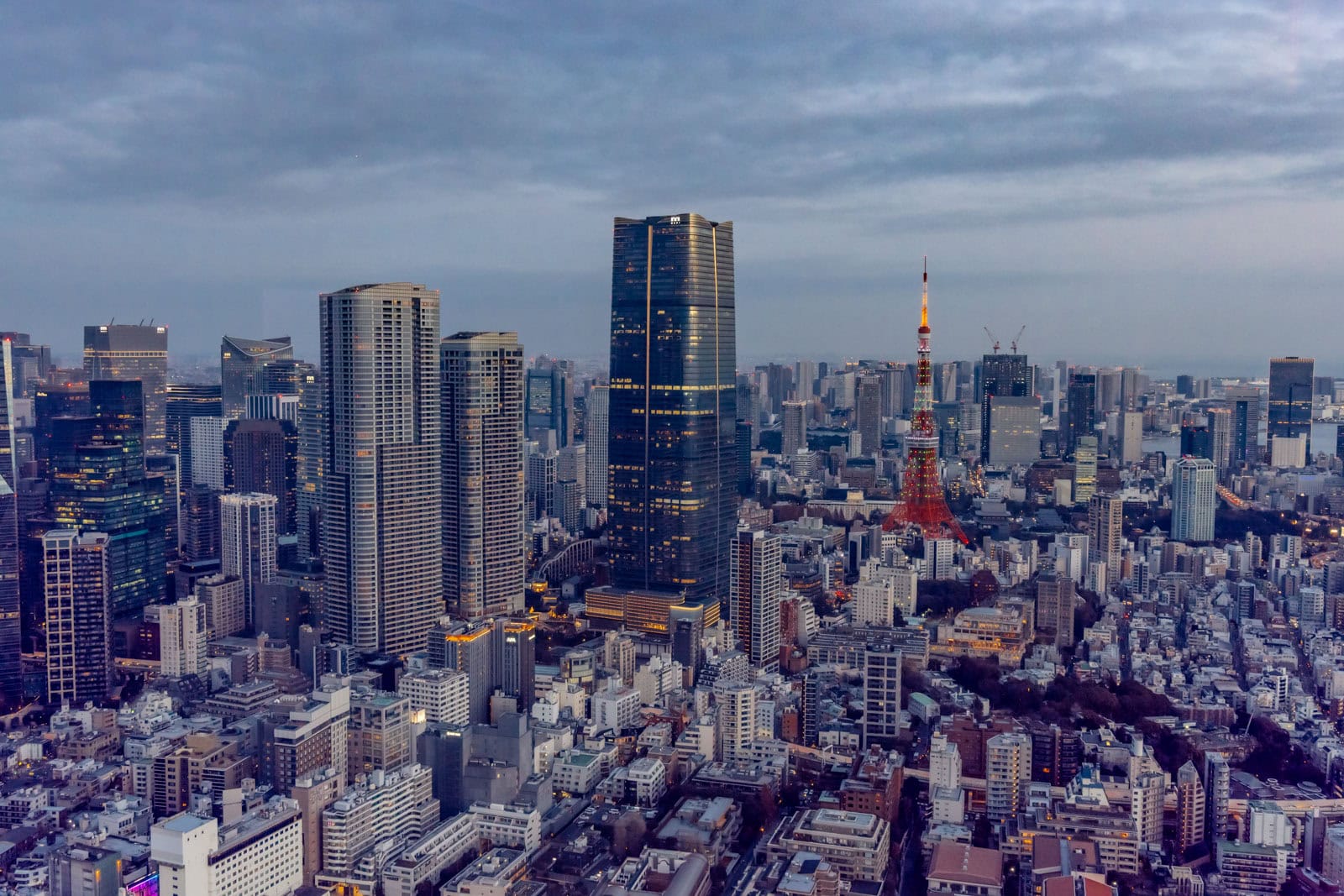
Tokyo reveals its true scale only from above. Whether you are a professional landscape shooter or an enthusiast chasing that elusive, perfect frame of Tokyo Tower, one vantage point consistently commands attention: Tokyo City View.
Situated on the 52nd floor of the Roppongi Hills Mori Tower, this observatory provides a sophisticated “Sky Gallery” experience. Here’s my guide to help photographers navigate this location throughout the year.
Photography rules
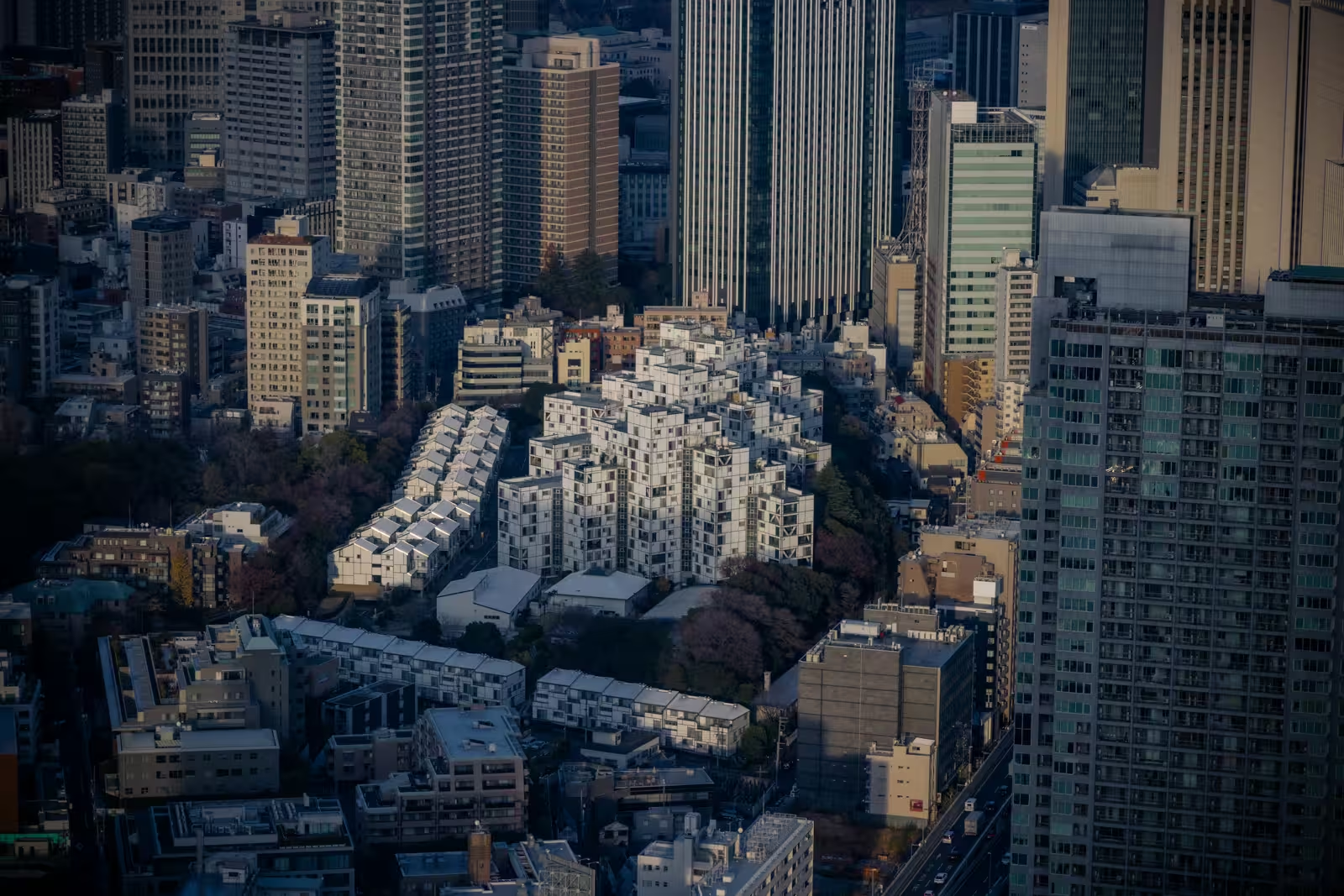
The most critical factor to consider before your arrival is the observatory’s photography policy. As of June 20, 2025, tripods and monopods are prohibited within the gallery.
The policy was created to improve the flow of visitors, but it does not preclude you from achieving sharp, high-quality night imagery.
- Use fast glass: Because you will be shooting handheld, take the fastest lens (i.e. wide aperture) you have. This allows you to maintain a high shutter speed to avoid blur while keeping your ISO at a minimum.
- Reflections are everywhere: You are working with 11-meter-high glass walls, and interior lighting is your enemy. Bring a silicone lens hood or a black “lens skirt” that can be pressed directly against the glass to seal out glare.
- Stabilization techniques: In-Body Image Stabilization (IBIS) or lens stabilization will be a bonus here. If you don’t have it, a steady hand and bracing oneself against the window pillars, can often help photographers execute 1/2 or 1-second exposures.
Best times for shooting
Tokyo City View transforms with the shifting seasons, offering distinct atmospheric opportunities:
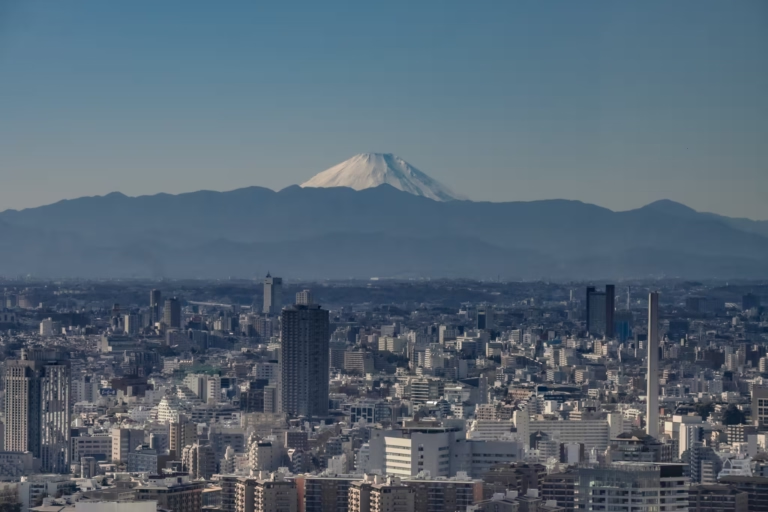
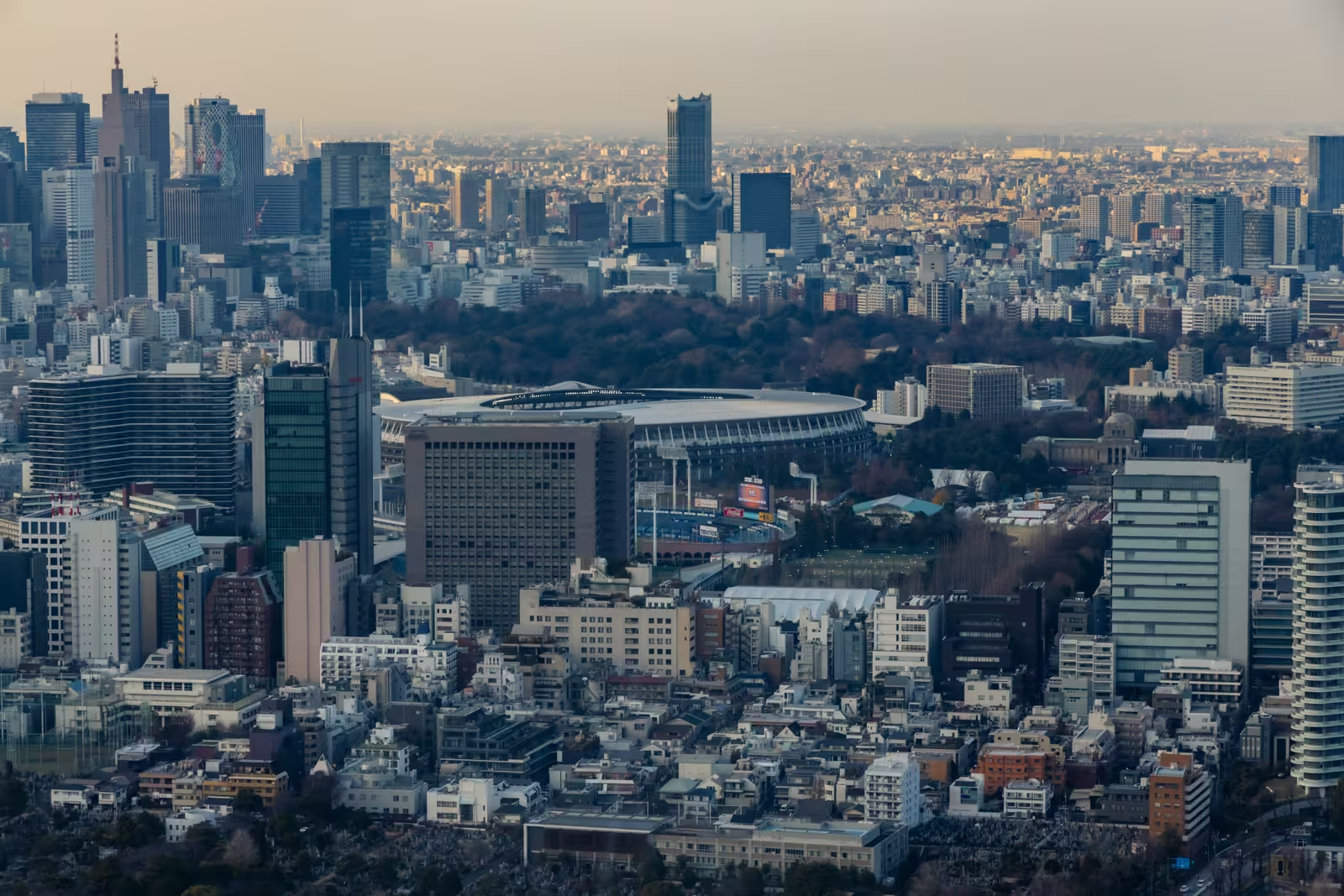
- Winter (December–February): This season is for unparalleled clarity. The cold, dry air strips away atmospheric haze, making it the best season to capture Mount Fuji. But remember, there will be days when heavy clouds will ruin the view.
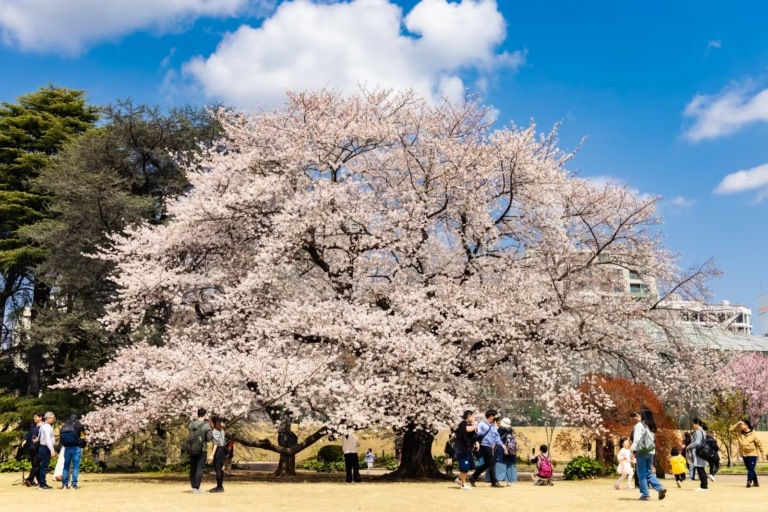
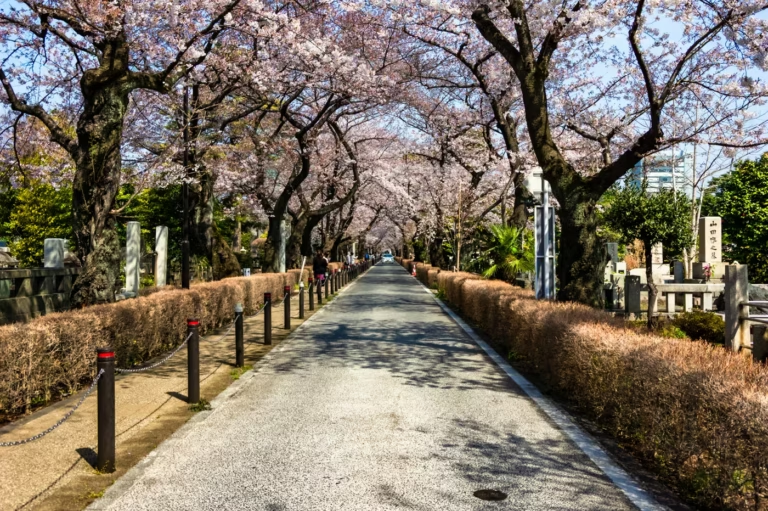
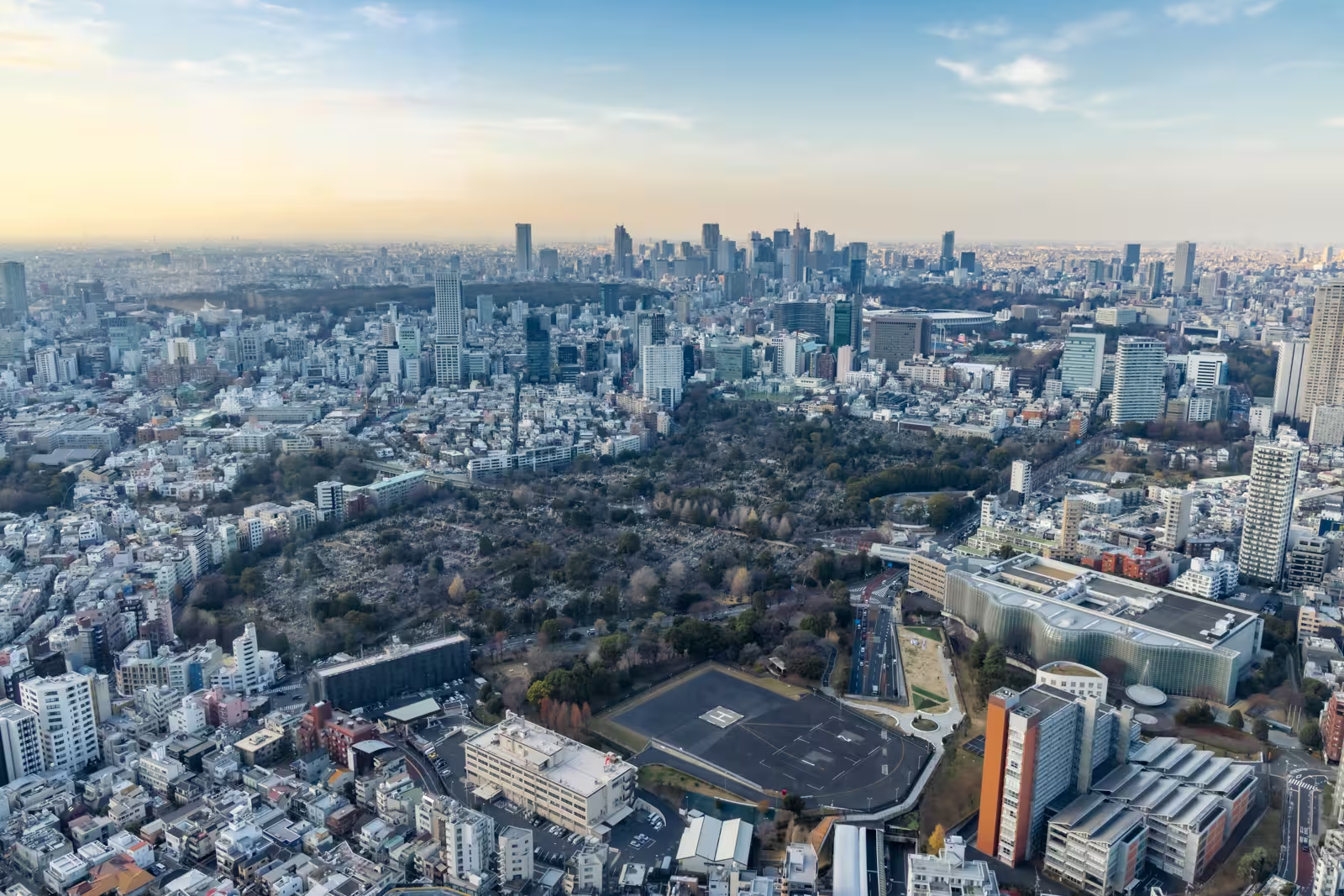
- Spring (March–May): Direct your lens toward the northwest. You can capture the Aoyama Cemetery draped in floral pinks. It is undoubtedly one of the best cherry blossom spots in Tokyo when viewed from above.
- Summer (June–August): Though humidity rises, summer introduces dramatic cloud formations and occasional lightning. The Sky Gallery often hosts curated events that introduce artistic lighting elements to the interior space.
- Autumn (September–November): Ideal for golden hour enthusiasts. In late October, look for “Diamond Fuji,” the rare moment when the sun aligns perfectly with the peak of the mountain.
How to photograph Tokyo Tower
For most people, the East View is the money shot. It’s where Tokyo Tower is in the center of the urban sprawl.
The golden 20 minutes: Arrive approximately 45 minutes before sunset. This allows you to secure a window and prepare for the Blue Hour, the brief 20-minute window after sunset when the city lights balance perfectly with the ambient sky.
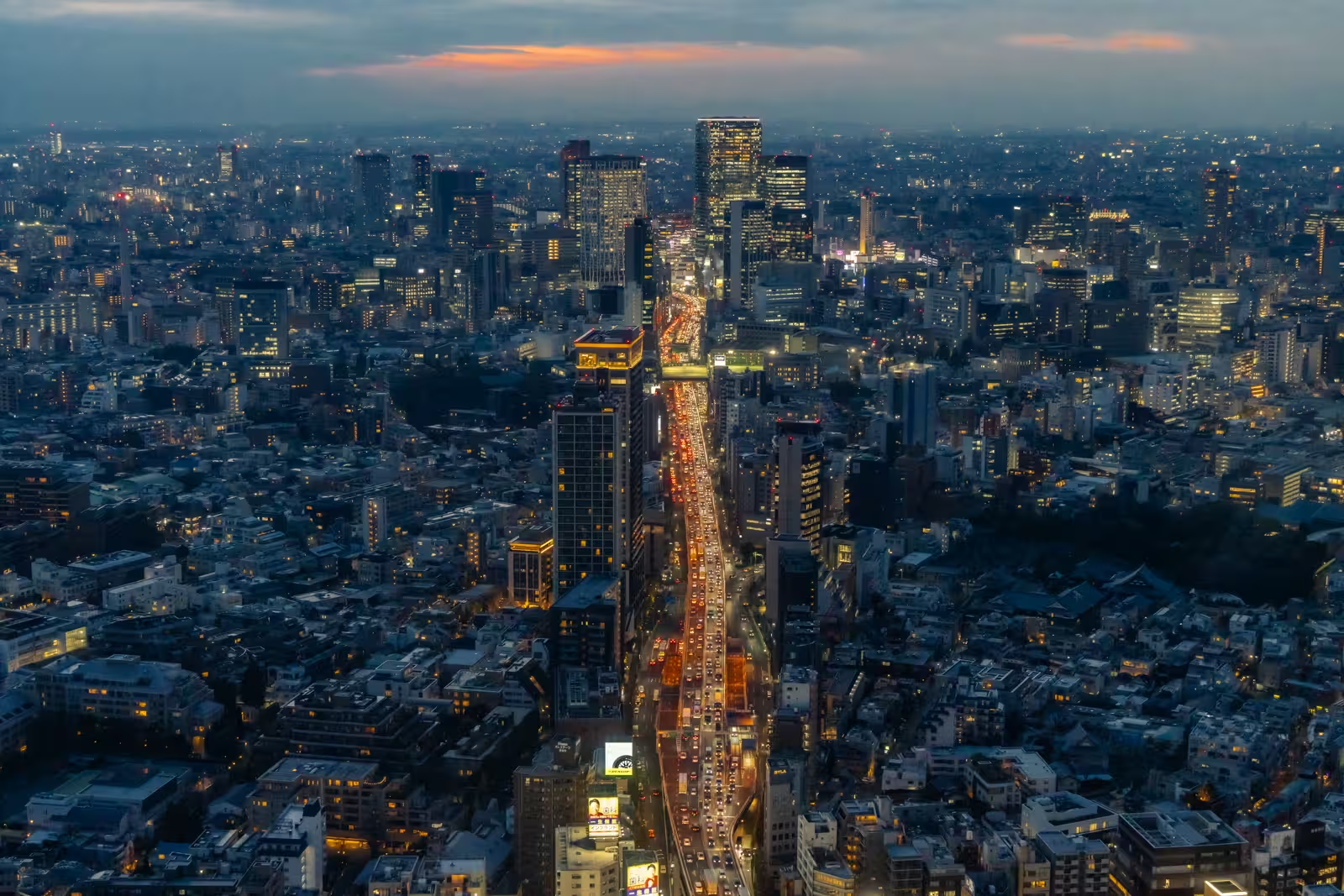
Sky Deck Closure: Shooting on the 52nd floor
For those accustomed to the open-air rooftop, please note that the Sky Deck has been closed indefinitely. All photography now occurs within the climate-controlled 52nd-floor gallery.
While the loss of open-air access is felt, the indoor environment allows for hours of shooting in comfort, regardless of the weather. Despite the lack of roof access, many still consider this the best photo spot in Tokyo for its central location and height.
Visitor information
- Address: Roppongi Hills Mori Tower, Roppongi, 6−10−1, Minato City, Tokyo
- It’s on the 52nd floor of the Roppongi Hills skyscraper
- How to get there: Use Roppongi Station which is served by the Hibiya and Oedo Metro Lines.
- Admission costs
- ¥2400 at the door
- ¥2200 online (link to the website is just below)
- Opening hours
- It is open daily from 10 a.m. to 10 p.m. (with last admission at 9:30 p.m.)
- Consult the official Tokyo City View website for the most up-to-date information.
- Here is Roppongi Hills on Google Maps:
Managing crowds
- Reservations: Booking your Tokyo City view tickets online in advance is highly recommended; it is more cost-effective and guarantees your entry time.
- Crowd management: Weekdays offer a more serene experience. If visiting on a weekend, arrive at least an hour early to claim a prime position.
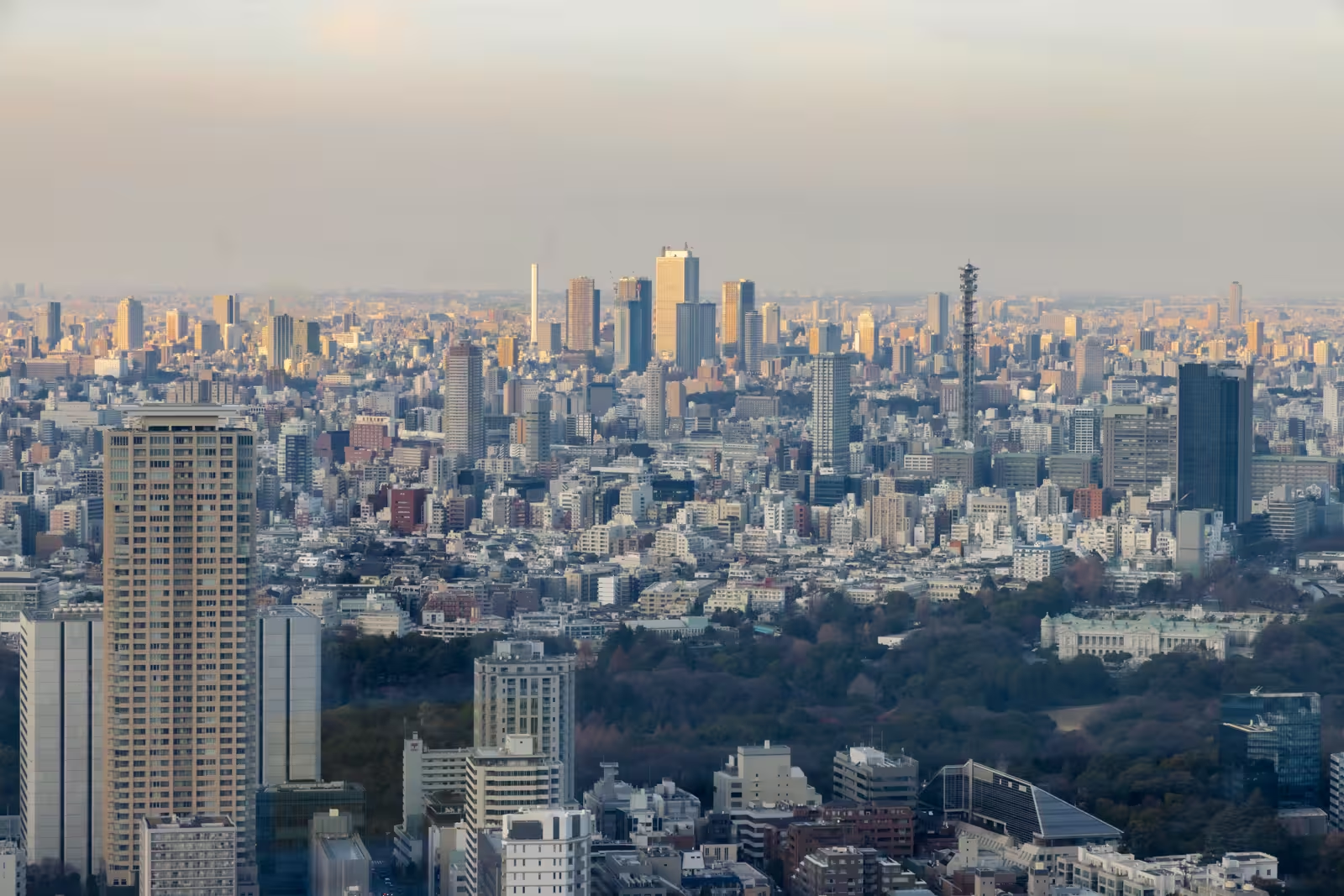
- Pro tip: If the Tokyo Tower side is congested, migrate toward the Sky Gallery 3 area. It is frequently overlooked and offers an expansive view of the Shinjuku, Shibuya, and Ikebukuro skylines.
- There is an excellent art museum there too, so if you’re into that, check it out.
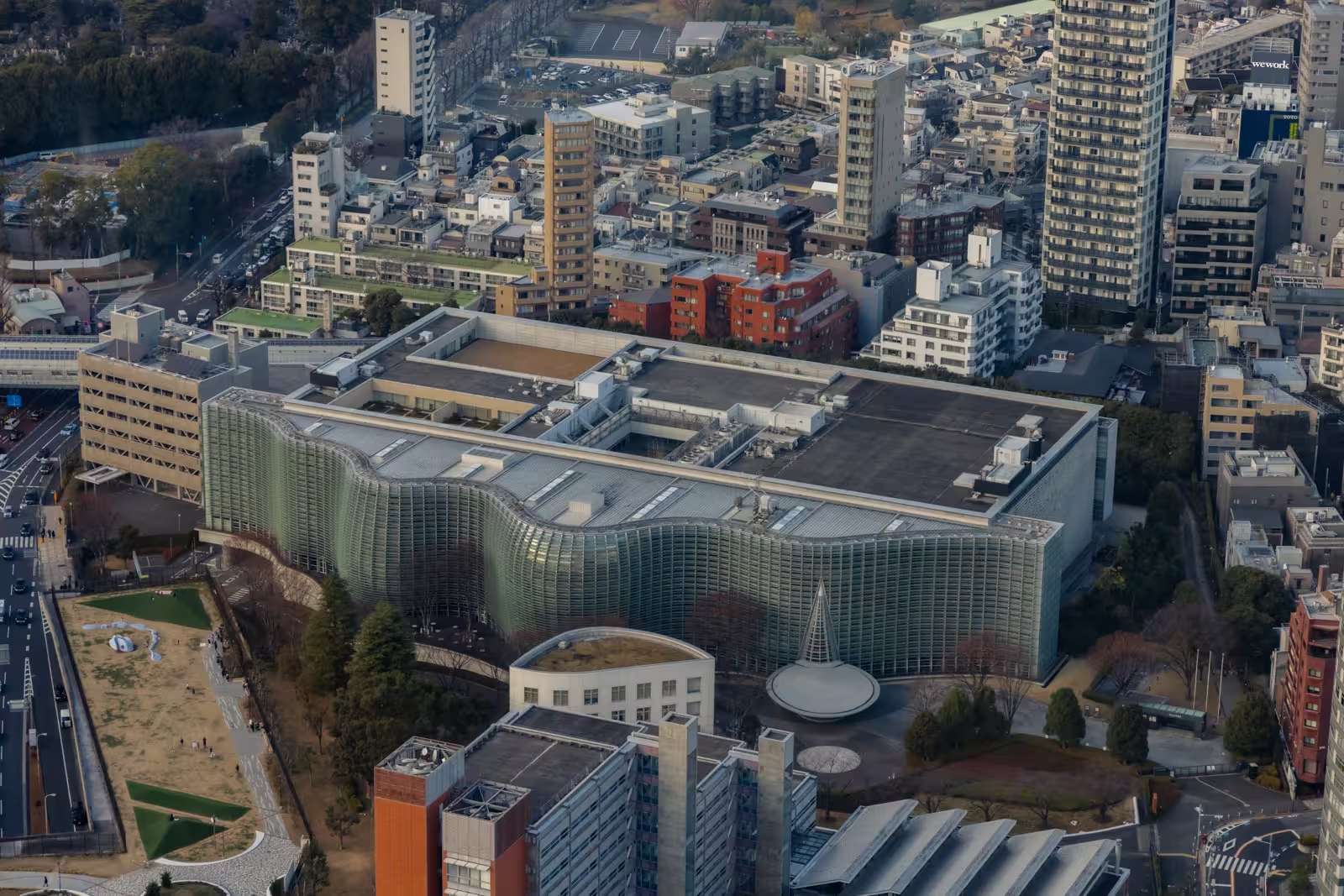
Photo spots near Roppongi Hills
- Aoyama Cemetery (if you like tomb tourism, this is for you)
- Azabudai Hills
- Keyakizaka (a Christmas season photo below Roppongi Hills)
- National Art Center (great for architectural and shadow photography)
- Tokyo Tower (one of the oldest observatories in Tokyo)
Is Tokyo City View worth visiting?
Returning to Tokyo City View after several years provided a few surprises. The closure of the Sky Deck certainly changed the dynamic, and as sunset approached during my visit, the weather shifted abruptly which is a common challenge for any photographer.
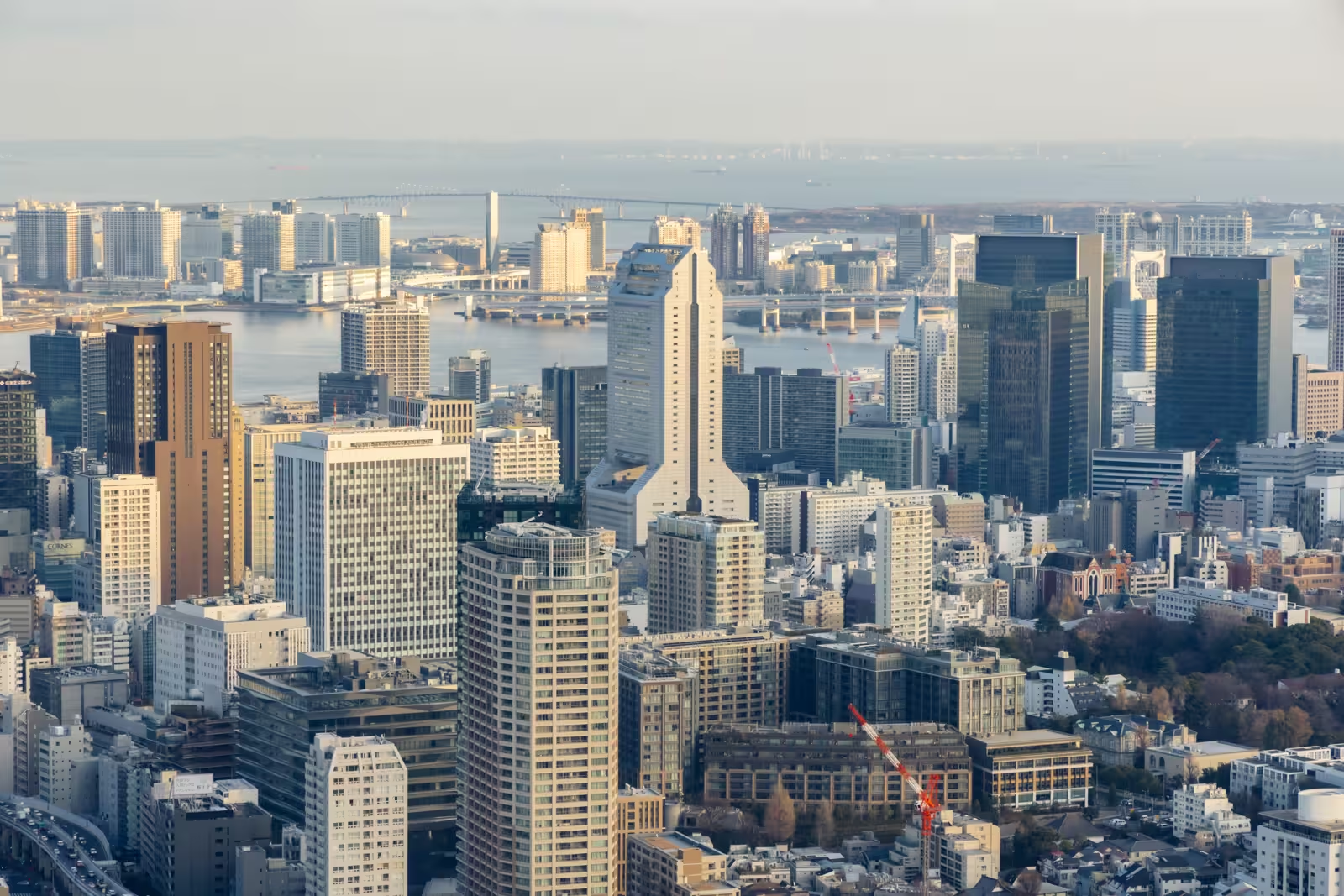
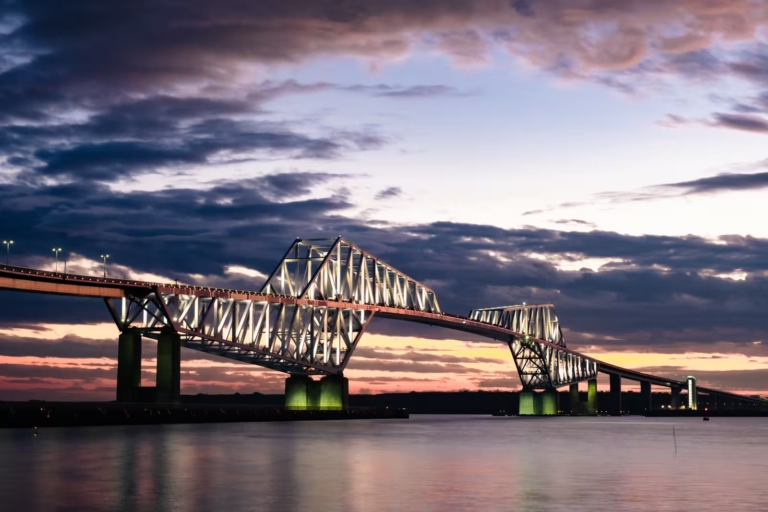
The location remains unparalleled for its central reach. You can observe the Rainbow Bridge, Tokyo Gate Bridge, and the sprawling “sea of pink” at the Aoyama Cemetery, which is truly one of the best cherry blossom spots in Tokyo.
Just be aware that the view is not a full 360 degrees. Parts of the eastern wall are occupied by restaurants, and architectural columns occasionally interrupt the view.
Glare is also a persistent issue. During my visit, an Evangelion exhibition was active, and once night fell, the red interior lights caused significant havoc with reflections.
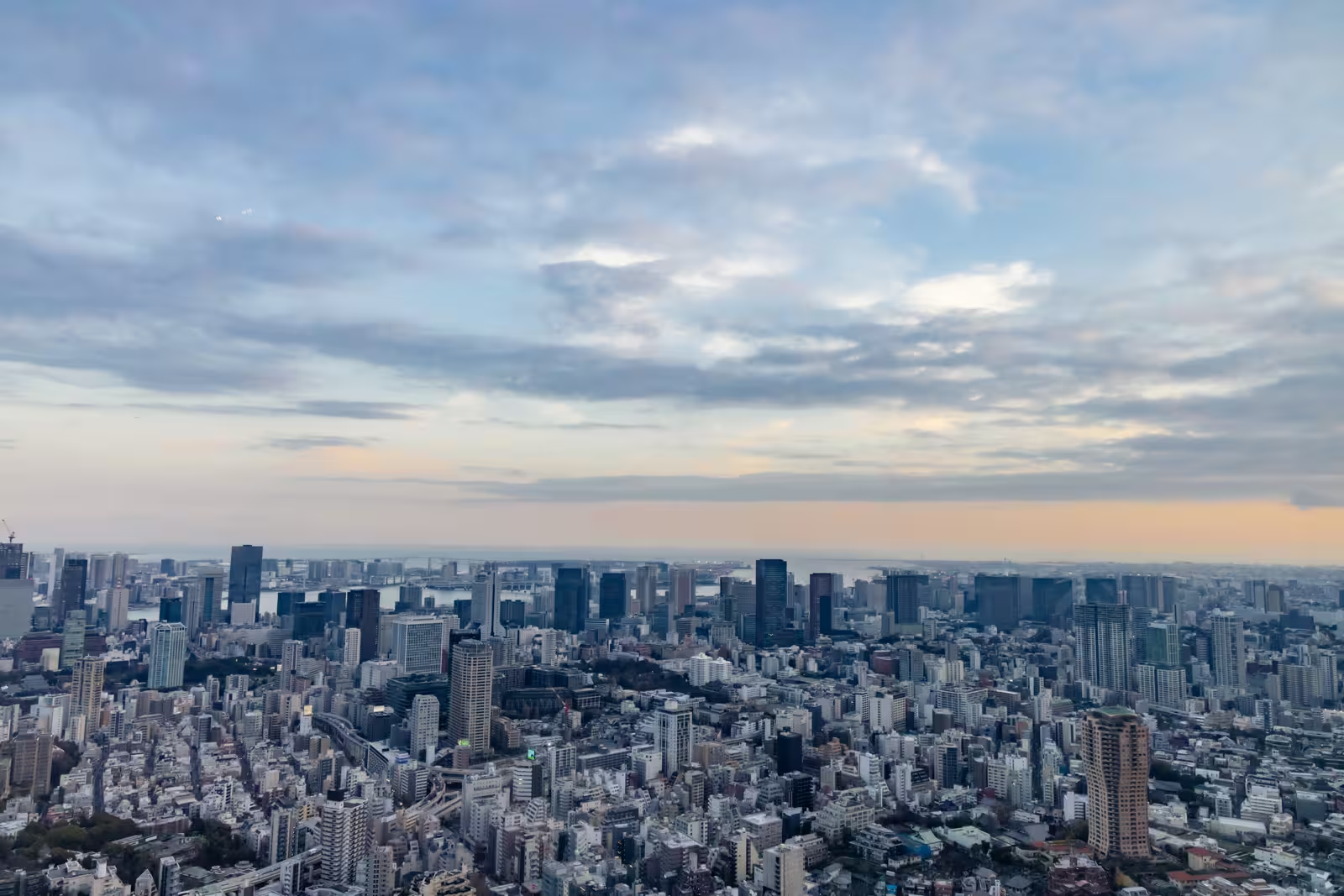
The most taxing element, perhaps, was the “window hogging.” Many visitors claimed benches or ledges for extended periods, scrolling through social media while waiting for a specific light, rather than sharing the space. You need to be patient and persistent.
Even with the current restrictions and the closure of the Sky Deck, Tokyo City View remains an essential destination for anyone looking to capture the architectural grandeur of Japan’s capital. If the weather aligns and you manage the reflections with care, the result is nothing short of spectacular.
Focus on the Blue Hour, bring your fastest lens, and prepare for a sophisticated study of the world’s largest metropolis.