Tokyo Port Wild Bird Park Photo Guide
Tokyo is famous for its neon lights and concrete canyons, yet the Tokyo Port Wild Bird Park remains a sanctuary for the city’s wildlife. Home to approximately 200 species, the park hosts both permanent residents and those stopping by on their annual migrations.
With such high density in one location, it has become a favorite haunt for local birders. I am happy to admit, I am one of them.
Wildlife oasis near Tokyo Bay
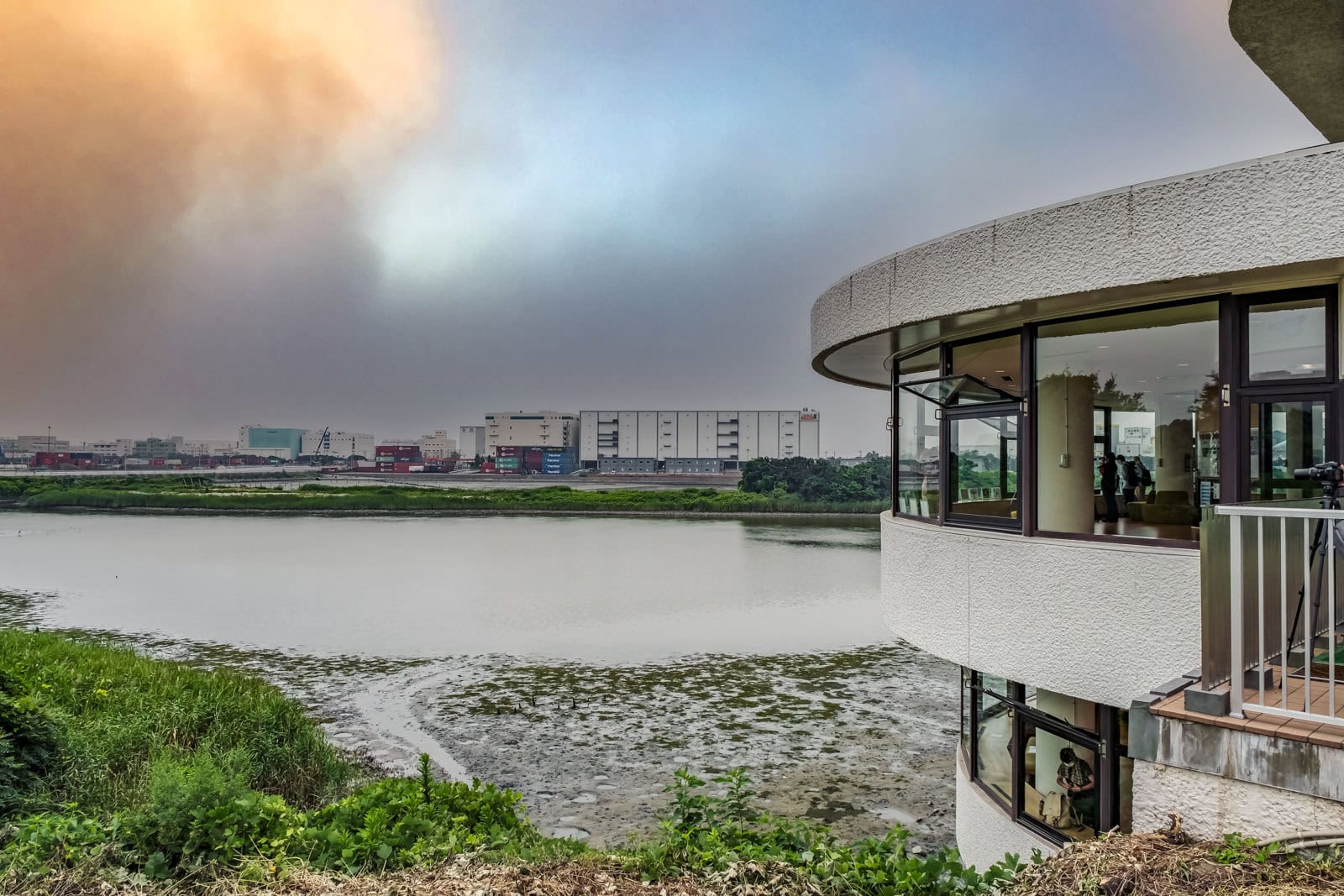
Tokyo Port Wild Bird Park’s location is fascinating, primarily because of where it sits: right on the edge of a busy port. Outside the gates, you see industrial zones, ships navigating the harbor, and planes passing overhead.
But once you step inside, none of that matters because the interior is incredible. Tidal ponds in the park connect directly to Tokyo Bay, bringing in specific maritime birds with the shifting tides.
Further inland, freshwater ponds, streams, wooded areas, and grassy fields create a diverse habitat. It is remarkable to think that this thriving ecosystem exists comfortably inside a massive port district.
Summer photography tips
The first time I visited the park was in August several years ago. Getting there was a trial, to say the least. The weather was scorching hot and humid, typical for a Tokyo summer.
Lacking a car, I walked from Ryutsu Center, the closest train station. Even though it was only a fifteen-minute trek, I arrived completely drenched in sweat.
Upon entering the wetlands, the humidity rose, and my personal “sweat meter” went up another notch. I later realized that the best time for birding here is either spring or autumn.
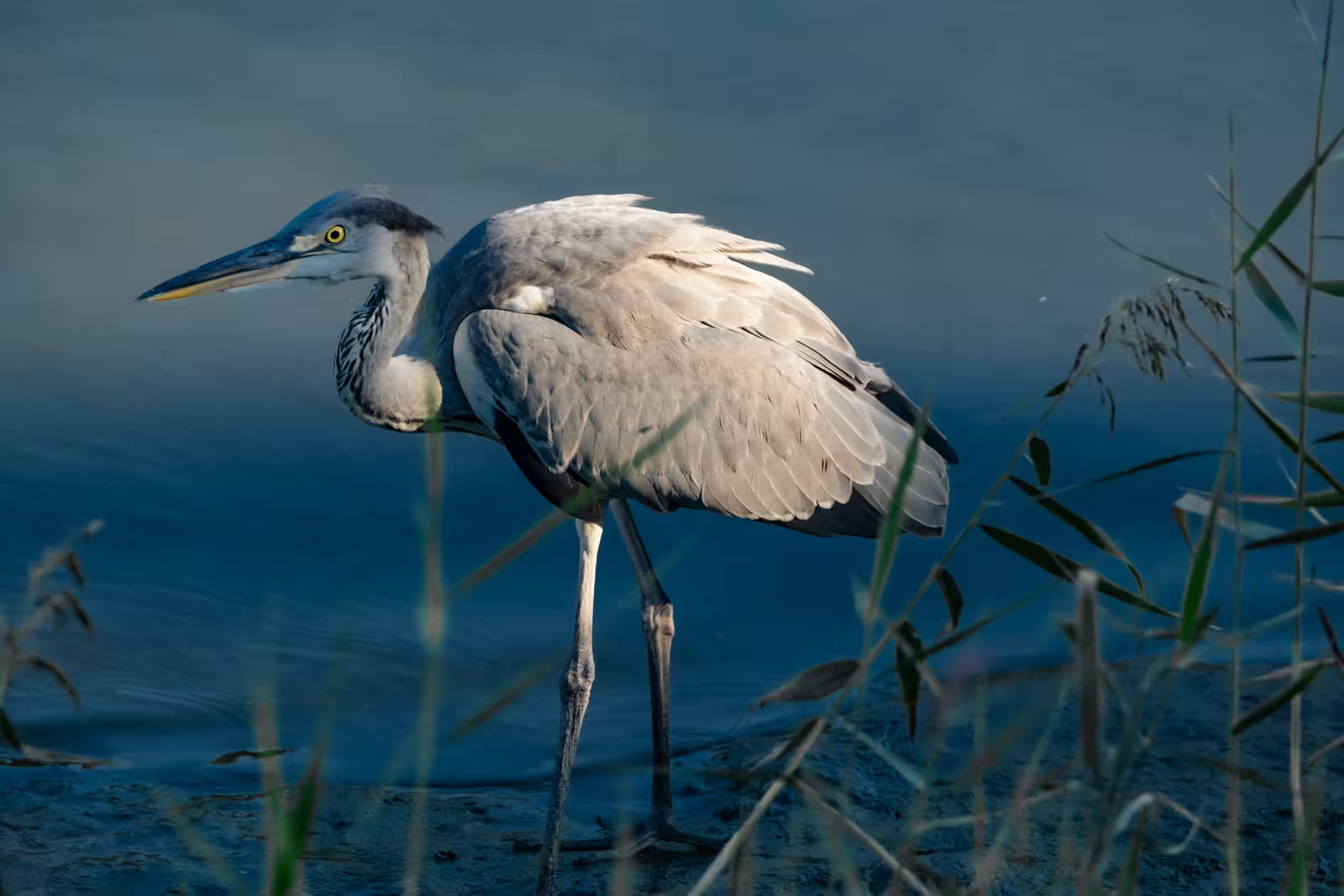
Summer might be too oppressive for some, though visiting in that season isn’t a waste, as there is still plenty to photograph. Just be warned: if you visit in summer, stay hydrated.
Observation huts & facilities
The park is well-thought-out, offering creature comforts that allow humans to observe nature with ease. Each pond features at least one hut (or large blind) from which you can shoot. They are sparse inside but equipped with chairs and benches, allowing you to wait comfortably for the perfect shot.
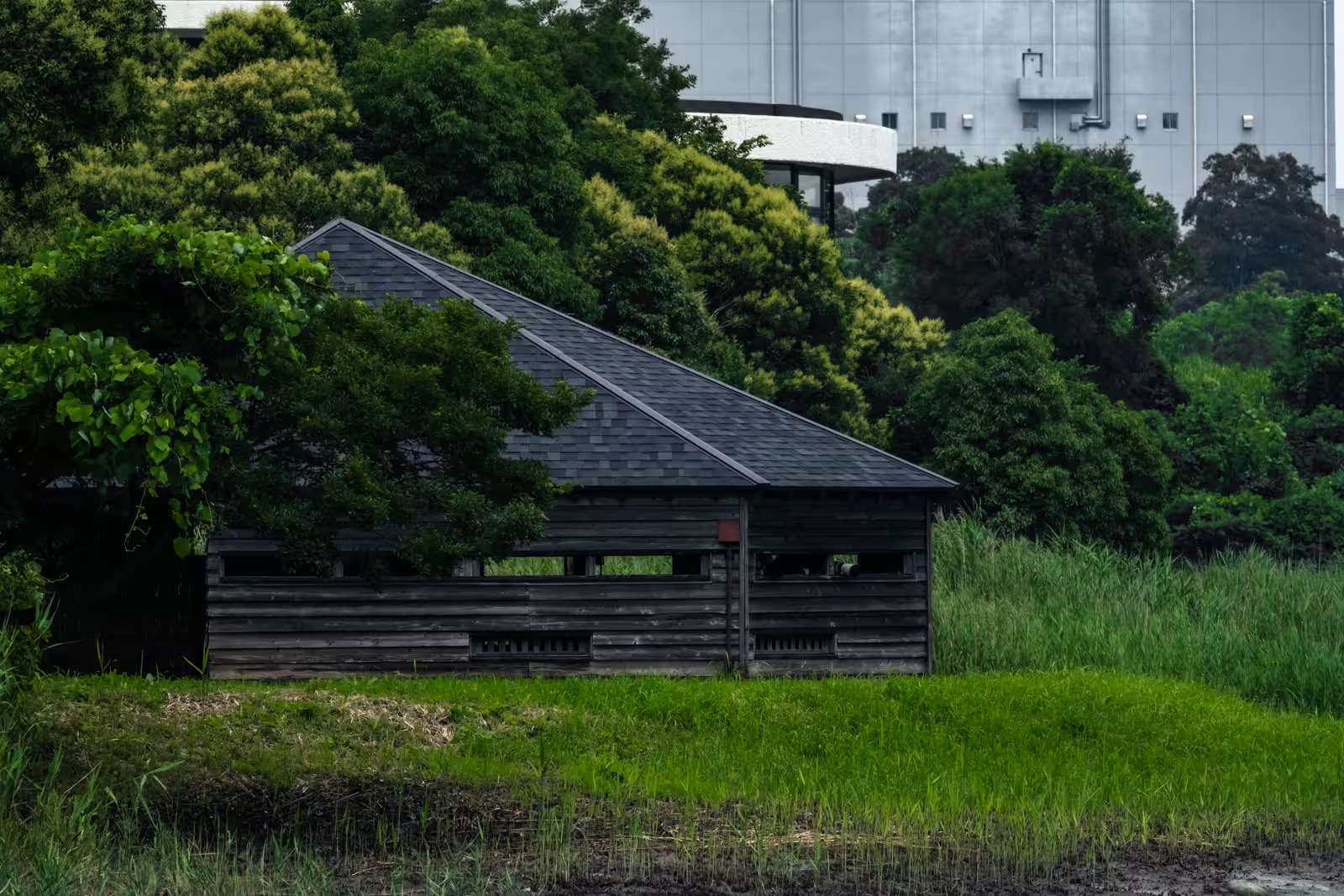
If you need a break from the elements, there is the four-story Nature Center. It is spacious, air-conditioned, and features large windows facing a freshwater pond.
Inside the building are bird books and staff members ready to chat (though I can’t guarantee English fluency). The observation areas even provide free-to-use binoculars. It is an excellent facility.
While there are no restaurants or kiosks on-site, the park offers an open field with tables and benches. It’s the perfect spot for a picnic, and there are plenty of vending machines and toilets available for convenience.
Camera gear & lighting challenges
For my fellow photographers, here are a few honest realities about shooting at the park:
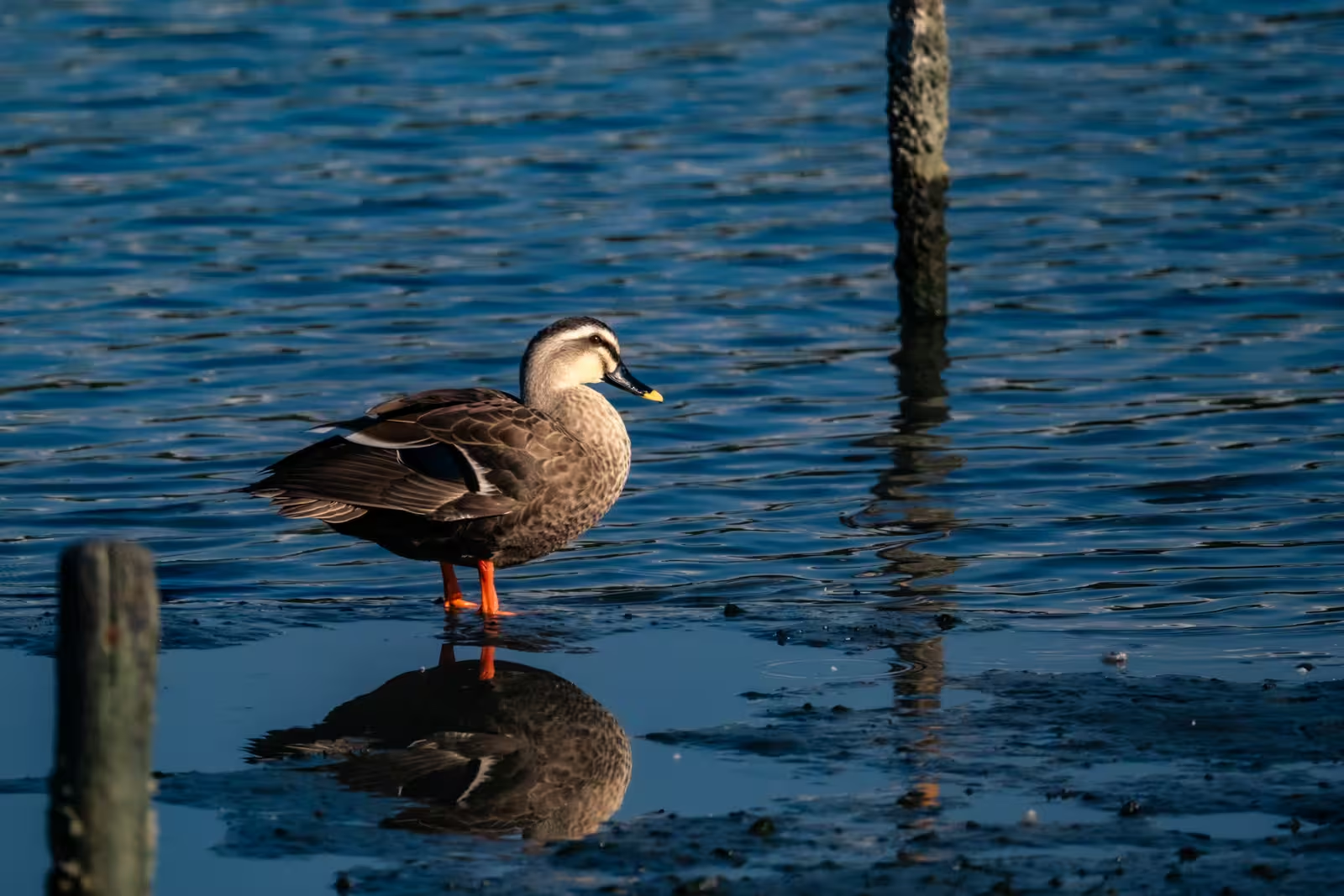
- Lens selection: With birding, the longer your lens, the better. You will struggle to capture the birds with smartphones, as you are restricted to paths or huts. The distances are simply too great.
- The lighting challenge: Photographing the ponds at golden hour is nearly impossible. The trees and the setting sun are positioned behind the blinds, meaning shadows cover the water well before sunset. Plan your shoot accordingly.
Tokyo Port Wild Bird Park birds
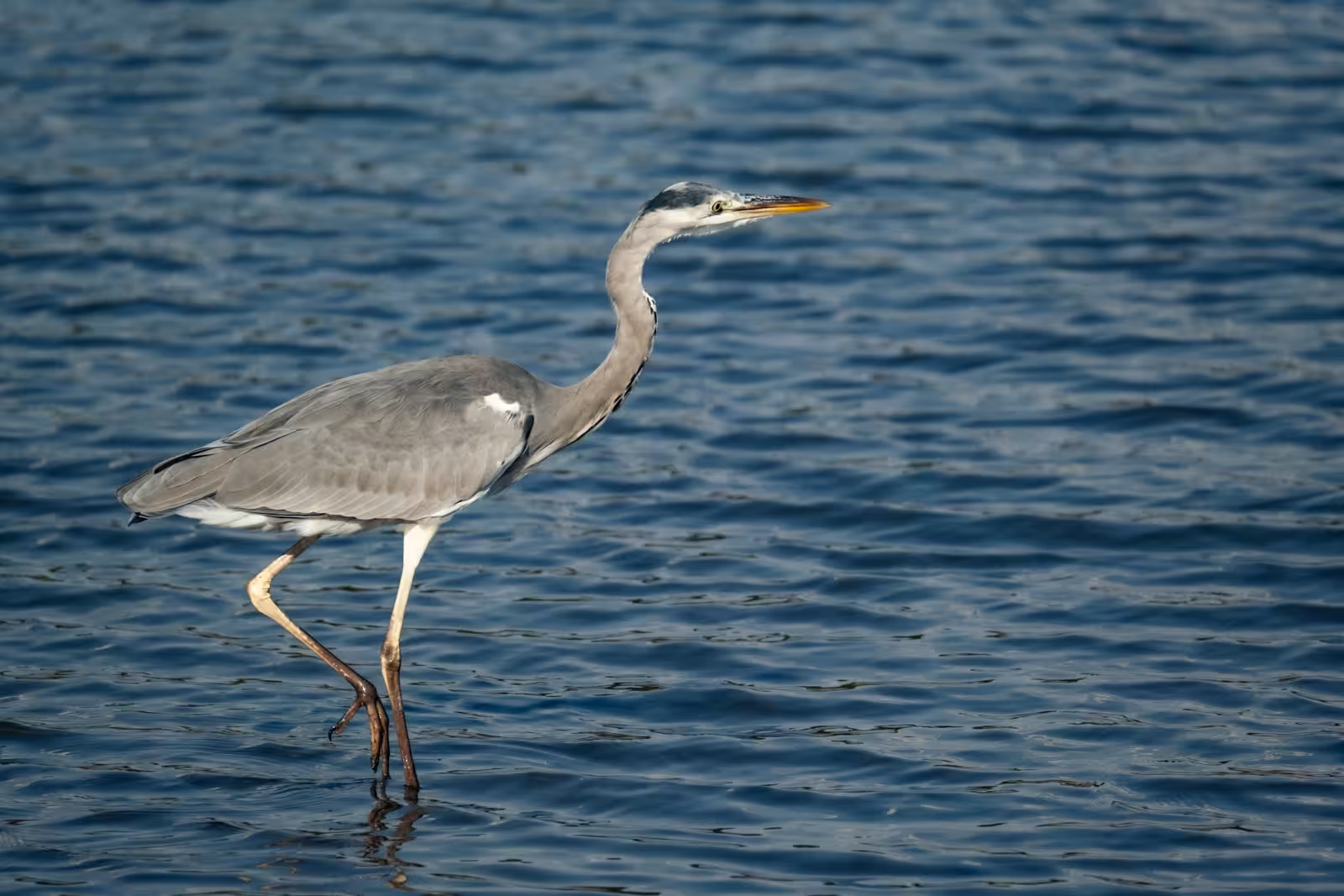
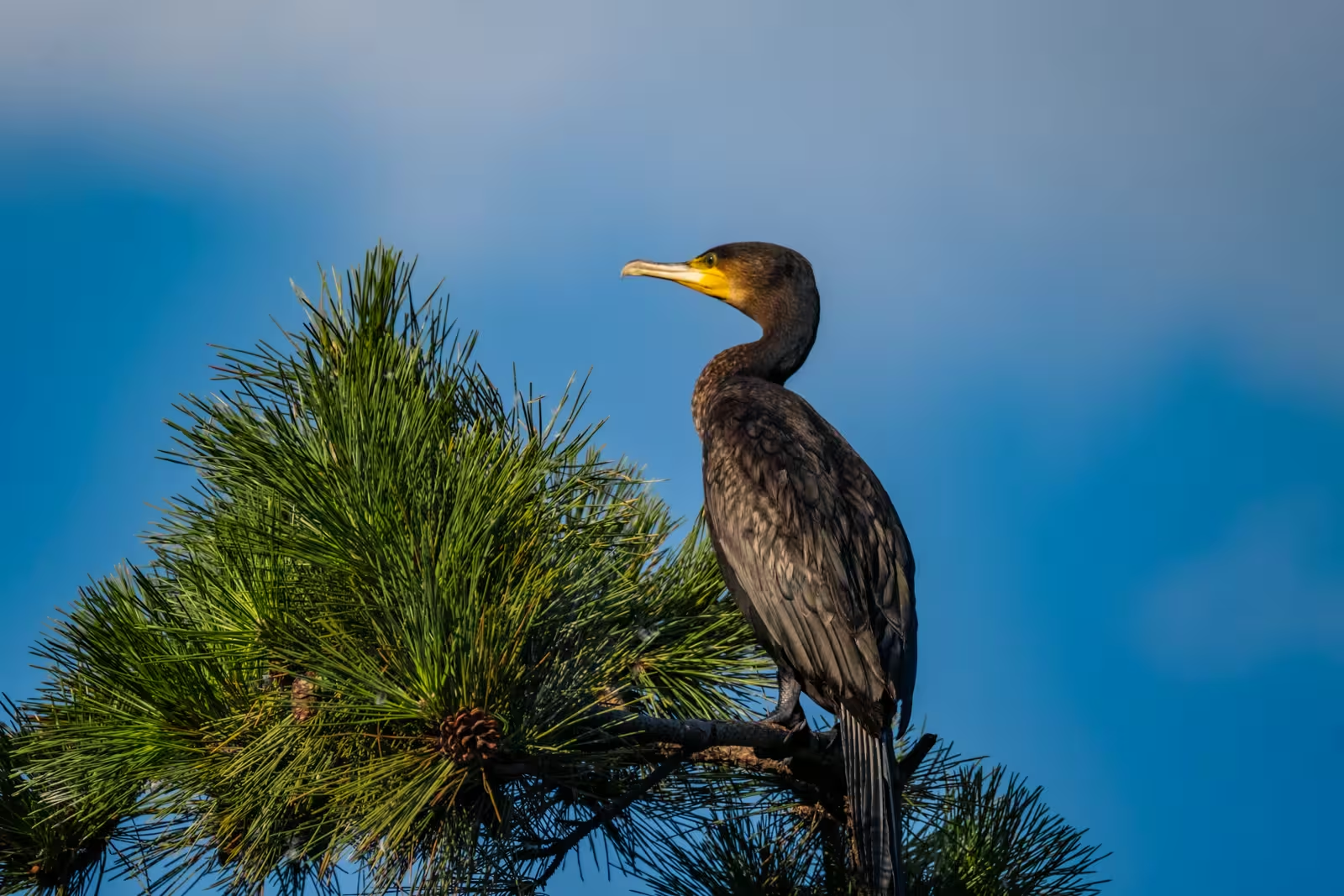
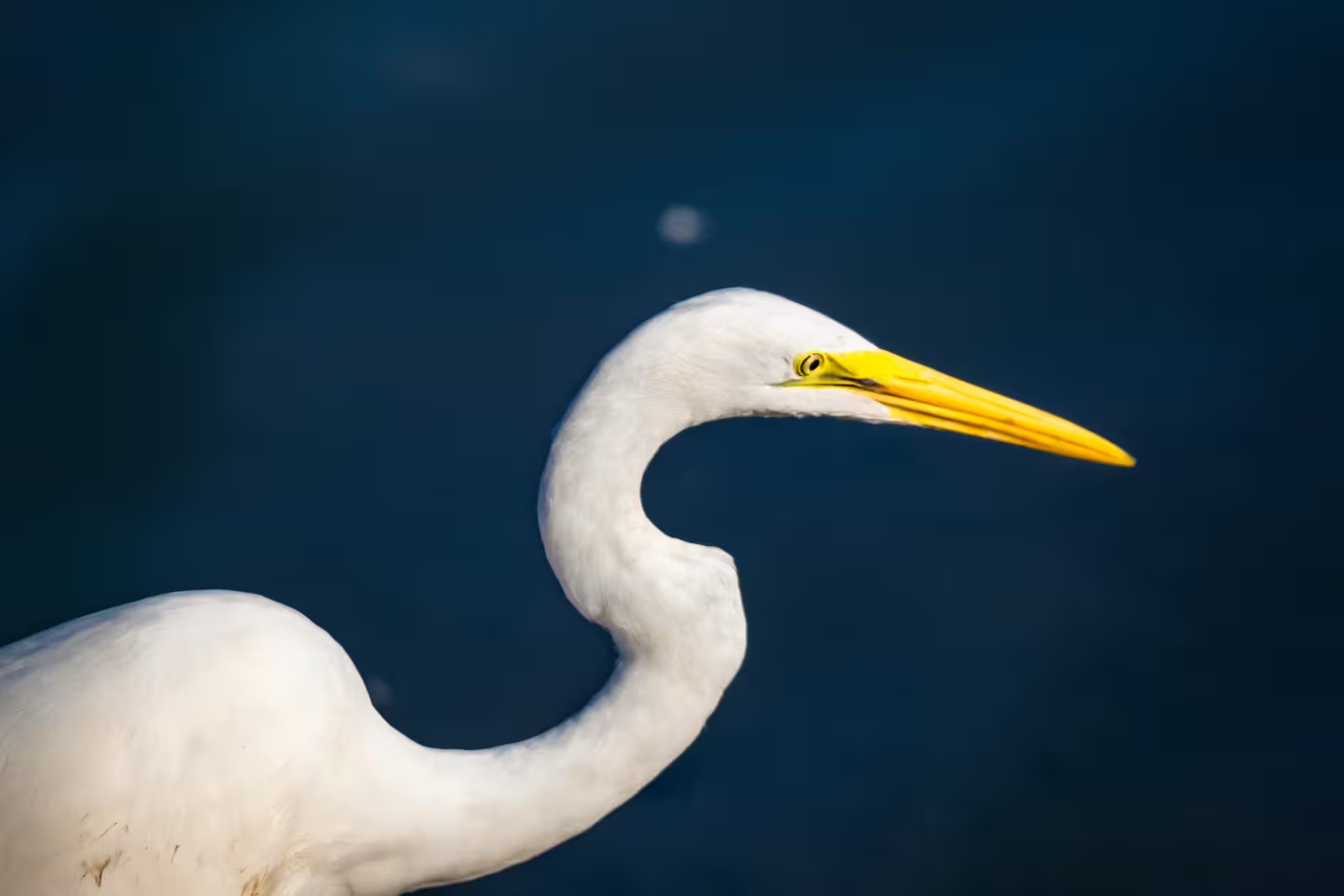
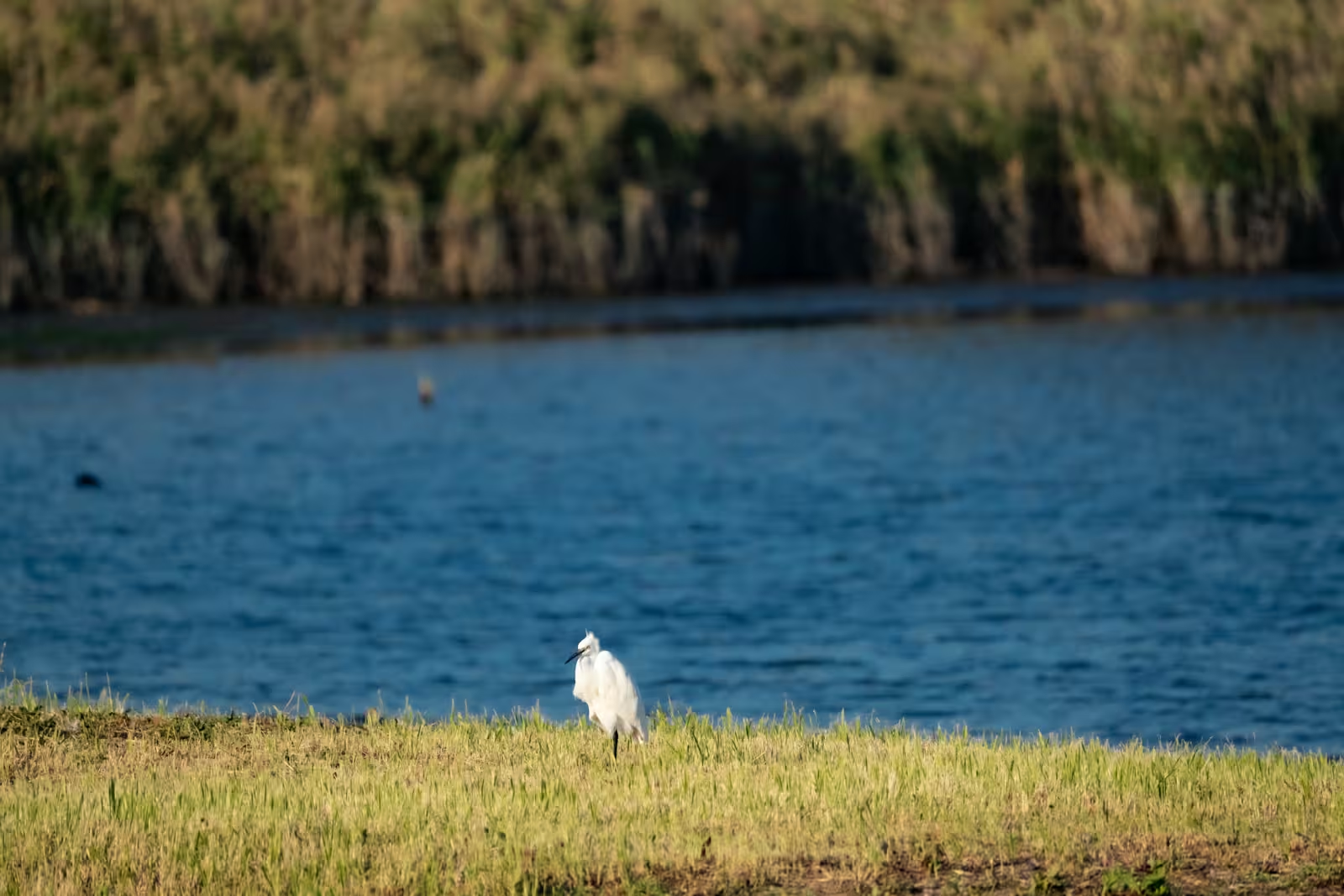
The variety of birdlife here is terrific. A potential list of species you might encounter includes:
- Brown-Eared Bulbul
- Common Kingfisher
- Cormorants
- Black-winged Stilts
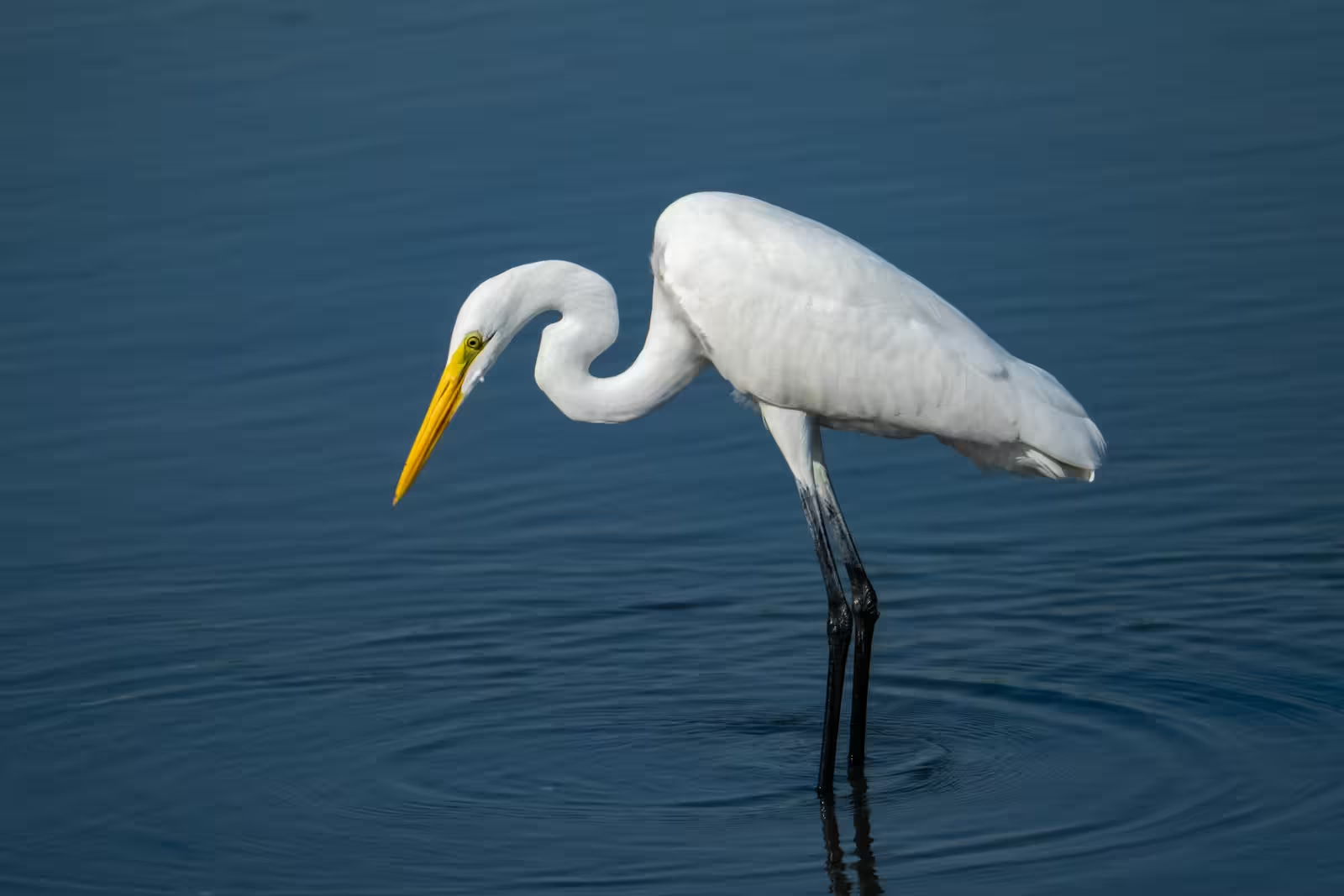
- Egrets
- Grebes
- Herons
- Naumann’s Thrush
Visitor information
- Park address: 3-1 Tokai, Ota City, Tokyo.
- Train Access: Take the Tokyo Monorail Haneda Airport Line to Ryutsu Center Station. From there, it is a sixteen-minute walk to the park.
- Observation positions: Four observation huts and two blinds.
- Equipment: Binoculars are available for loan at the ticket office.
- Food & drink: No restaurants; vending machines and picnic areas available.
- Events: Scheduled weekend events (mostly in Japanese, occasionally bilingual). Contact the admin office for details.
- Opening hours
- February to October: 9:00 to 17:00
- November to January: 9:00 to 16:30
- Last entry is 30 minutes before closing.
- Closed: Mondays (If Monday is a holiday, the park closes the following Tuesday). Closed over New Year’s holidays (usually Dec 29–Jan 3).
- Admission cost: ¥300
- For complete information check the official Tokyo Port Wild Bird Park website.
- Here is the park on Google Maps:
More birdwatching spots in Tokyo
- Kasai-Rinkai Park (my first visit in 2022)
- Zenpukuji Park (great for kingfishers)
History of the park
It is hard to believe that this area was once covered entirely by Tokyo Bay. Eventually, the land was reclaimed to become the Tokyo Metropolitan Central Wholesale Market. However, nature persisted; grasslands remained along the shoreline, attracting birds and wildlife.
Recognizing the value of this accidental habitat, many people advocated for its protection. This led to the park officially opening in October 1989. While the markets retained about thirty-eight hectares, twenty-five were dedicated to the birds. The result is a beautiful nature reserve for the city.
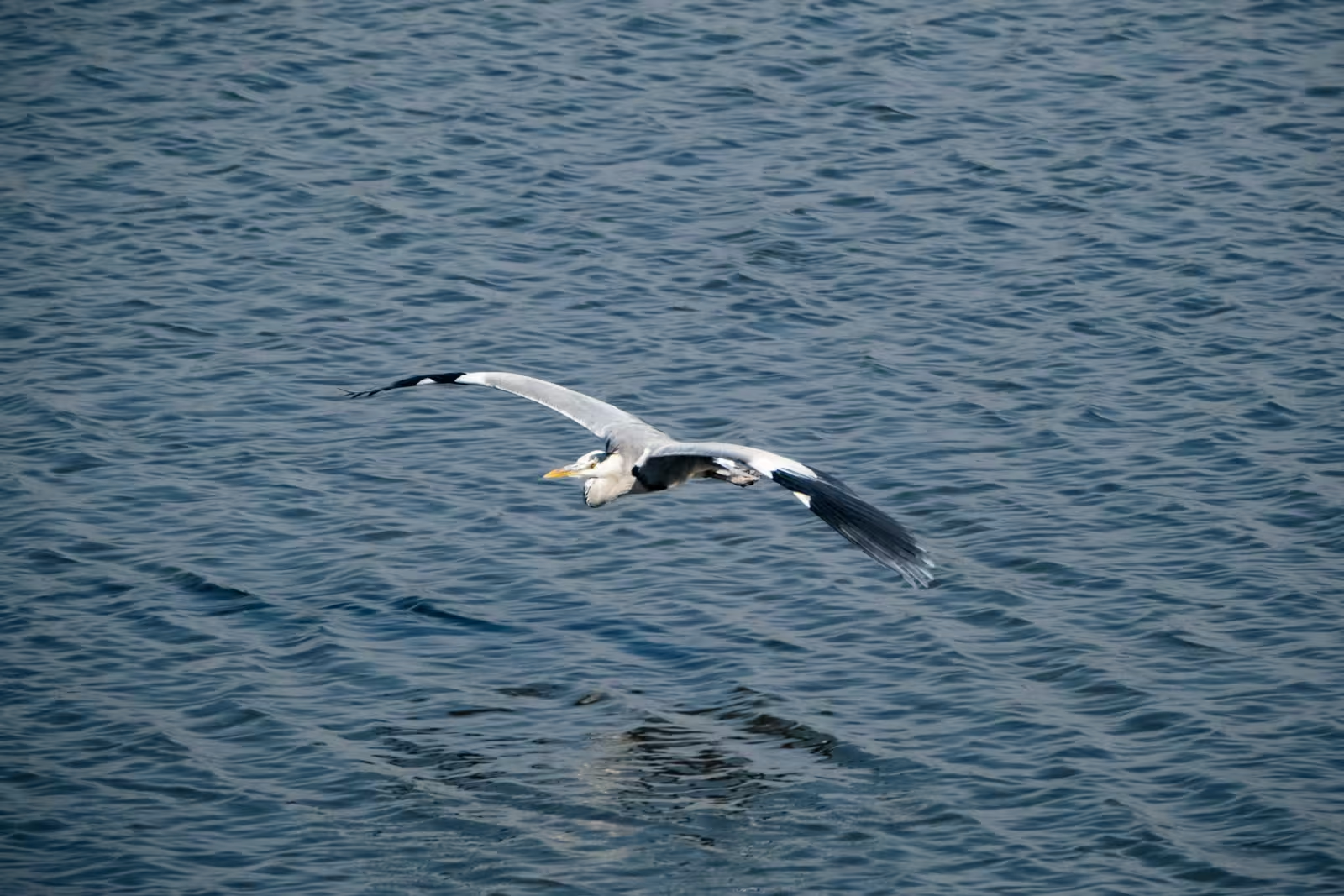
Is the Tokyo Port Wild Bird Park worth visiting?
Tokyo Port Wild Bird Park is a remarkable destination for nature lovers. It offers a rare chance to escape the urban sprawl and witness a diverse range of wildlife without leaving the city limits. Whether you are a serious birder with a long lens or just looking for a quiet walk, it is well worth the visit.
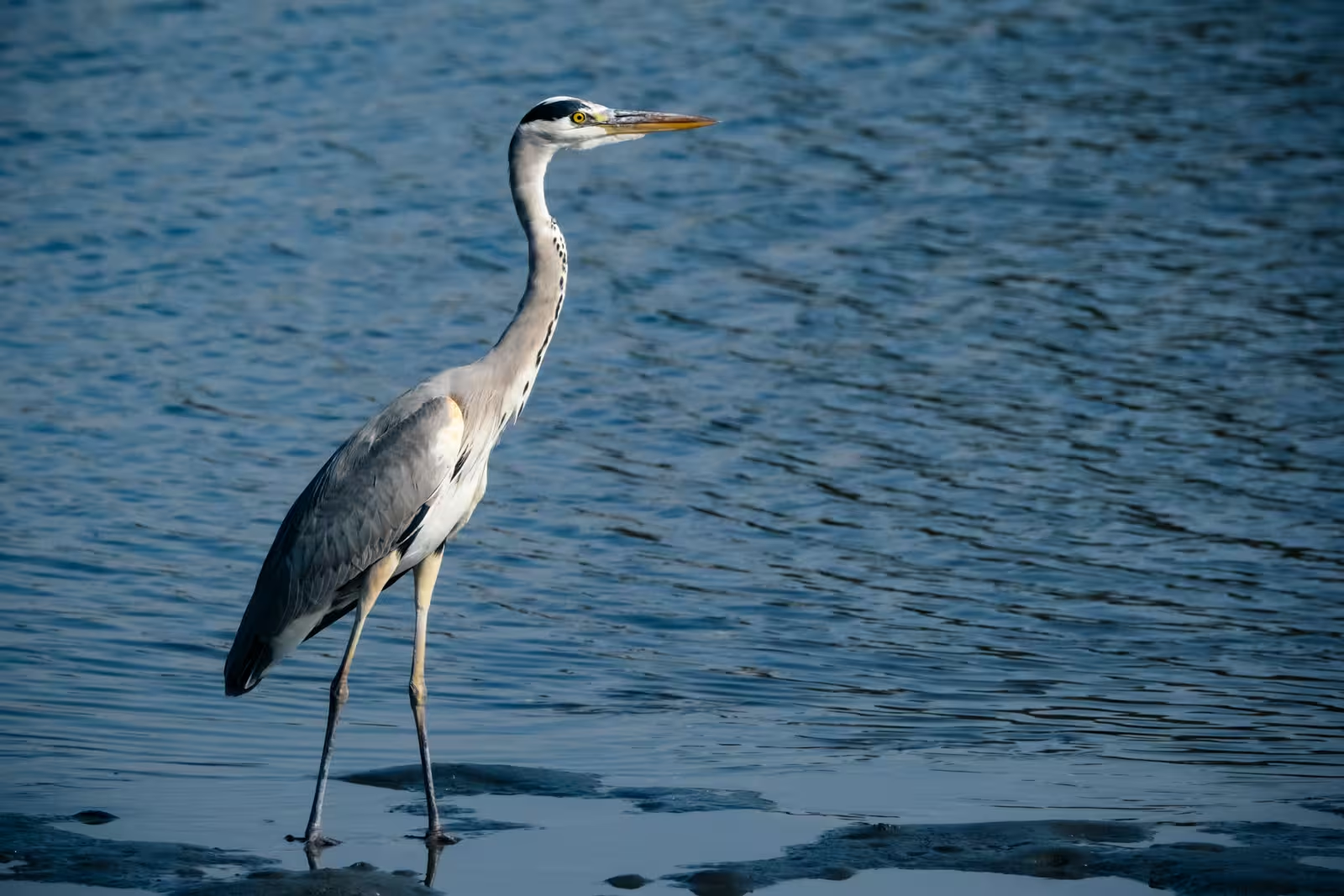
Come back to check this article in the future, as I will update the pictures as the seasons change. If you have questions or comments, please leave them below. And for those birders out there, have you visited this place? Let us know your experience!