Tokyu Plaza Omotesando Harajuku Mirrors (Omokado)
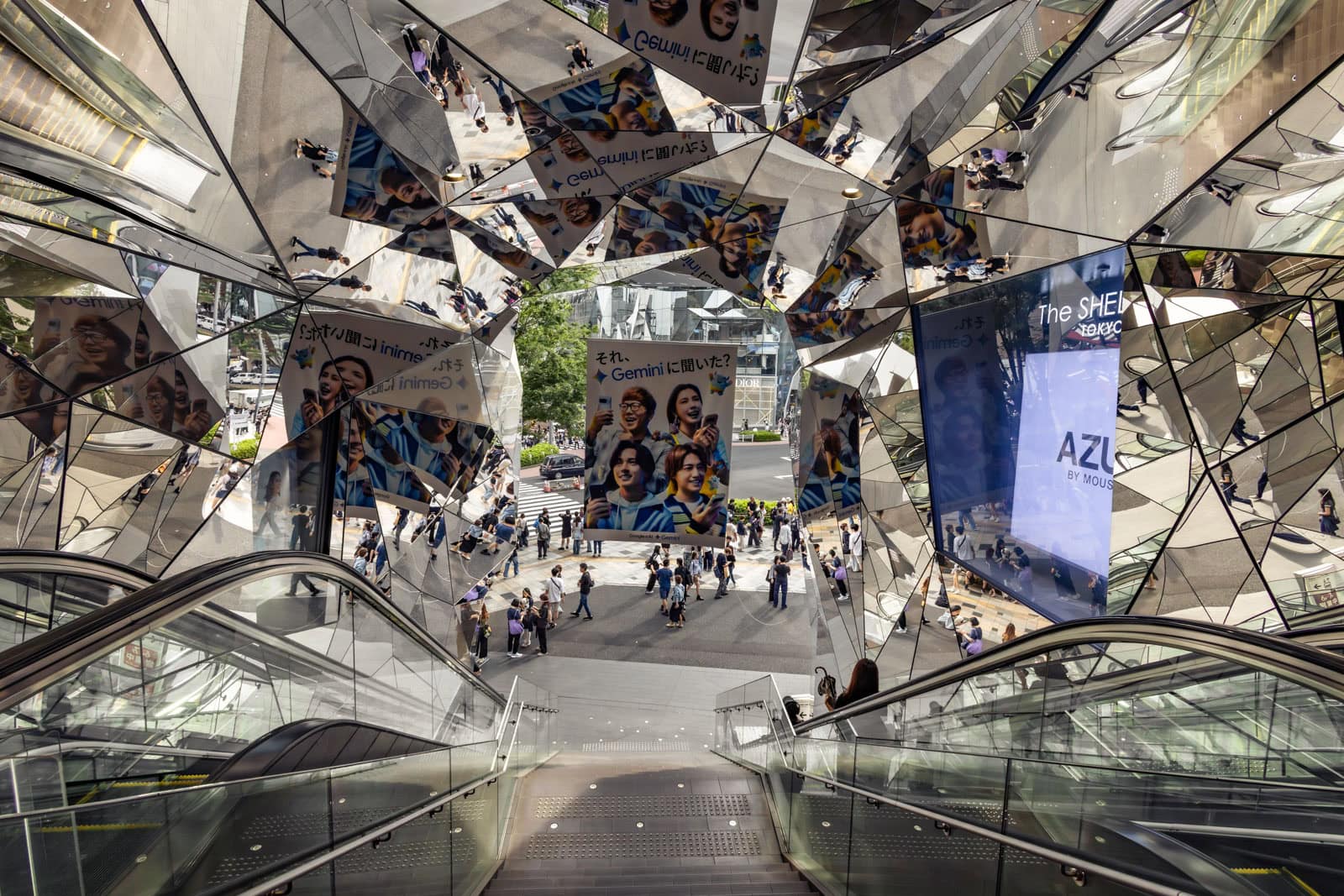
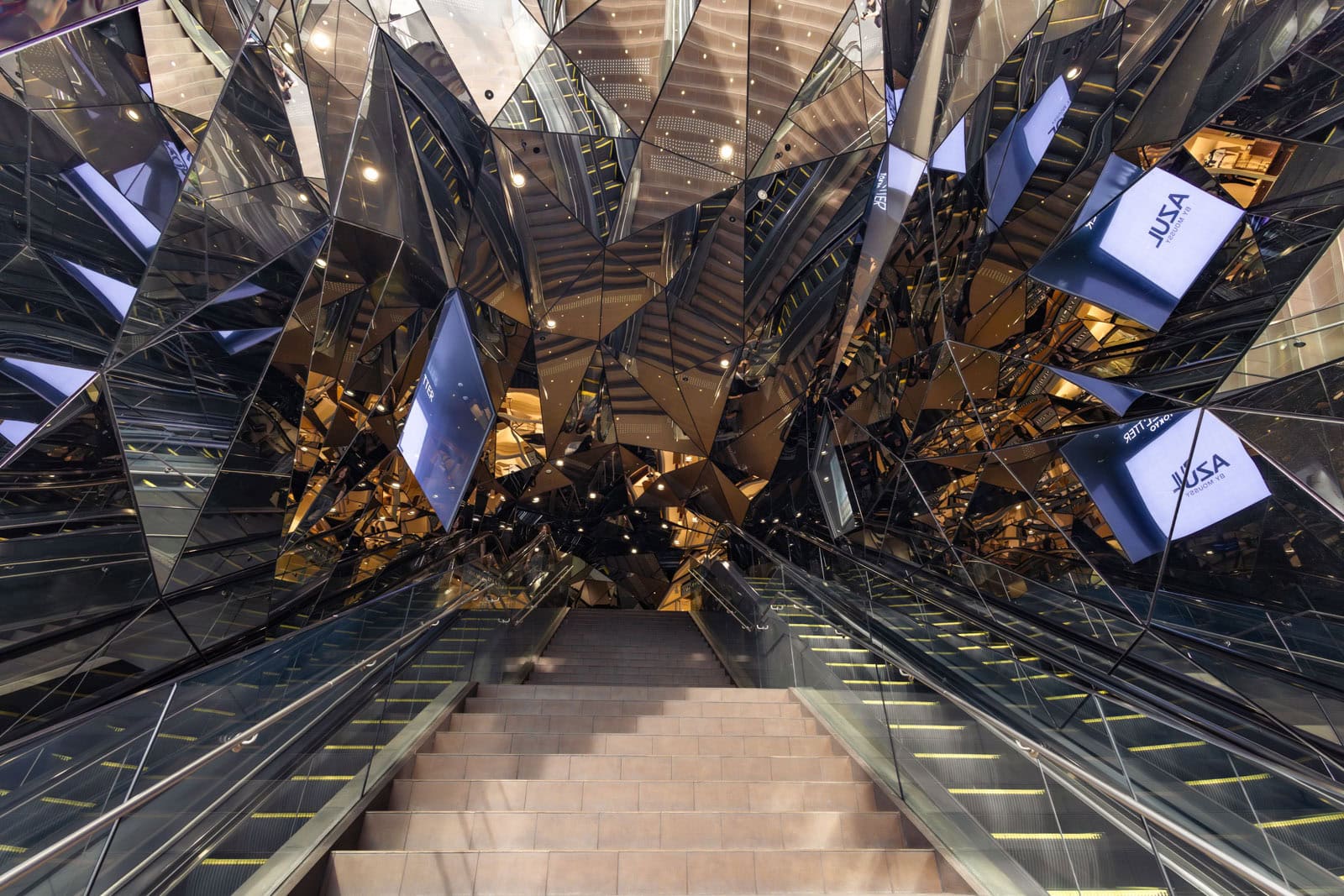
Have you seen those jaw-dropping, kaleidoscopic photos from Tokyo that seem to defy reality? Chances are, they were taken at the mesmerizing entrance designed by Hiroshi Nakamura to the Tokyu Plaza Omotesando Omokado.
Tokyu Plaza isn’t just a shopping center; it’s an architectural marvel and a photographer’s playground. As you ascend the escalator, you’re transported into a tunnel of fractured mirrors, reflecting the brilliant energy of the city in a thousand different ways.
In this guide, I’ll share my top tips and tricks to help you capture Instagram-worthy photos of this iconic location.
Photography tips for the mirrors
Whether you’re a seasoned pro with a DSLR or a smartphone photography enthusiast, these tips will help you get that perfect shot.
- Timing is everything: To avoid the biggest crowds, aim to be there right when the plaza opens at 11:00 a.m. For a different look, try visiting at night when the city lights add another layer of magic to the reflections.
- Go wide: A wide-angle lens on a camera, or using the panoramic or wide-angle setting on your smartphone, will allow you to capture the full kaleidoscopic effect.
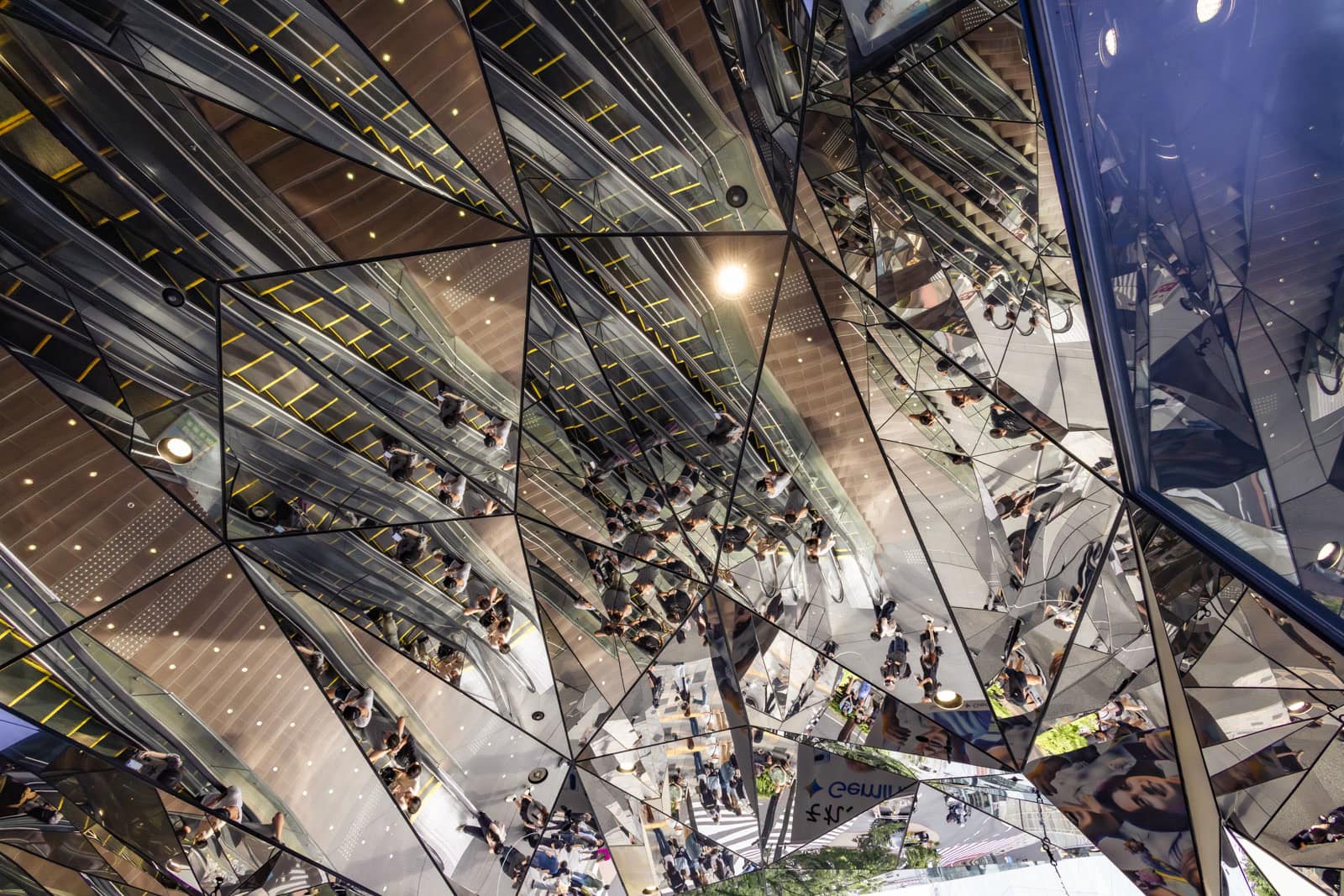
- Find your angle: Don’t be afraid to experiment! Try getting low to the ground and shooting upwards to fill the frame with the mirrors.
- For the smartphone photographer:
- Turn your phone sideways to shoot in landscape mode.
- Use your phone’s HDR (High Dynamic Range) mode to balance the bright lights from the street with the darker areas inside the mirrored entrance.
- For the DSLR user:
- Be mindful of your highlights. The bright street outside can easily become overexposed. Consider using exposure bracketing to capture multiple shots at different light levels, but this might create problems if there is foot and car traffic in the background.
- A smaller aperture (higher f-stop) will help keep more of the intricate details in focus.
Visitor information
The Tokyu Plaza is located at the intersection of Omotesando and Harajuku, directly across from Laforet Harajuku.
- Address: 4-30-3 Jingumae, Shibuya-ku, Tokyo
- Nearest stations:
- JR Harajuku Station (Yamanote Line): A 4-minute walk from the Omotesando exit.
- Meiji-Jingumae ‘Harajuku’ Station (Chiyoda and Fukutoshin Lines): A 1-minute walk from Exit 5.
- Omotesando Station (Ginza, Chiyoda, and Hanzomon Lines): A 7-minute walk from Exit A2.
- Opening hours: 11 a.m. to 8 p.m. The upper level restaurants and gardens have different operating times, but access is from a different area.
- Entry fees: None, unless you go shopping!
- For the most up-to-date information, consult the Tokyu Plaza Omotesando (Omokado) Japanese-language website.
- Here is the plaza on Google Maps:
Other Instagram-worthy spots in Tokyo
After you’ve conquered the mirrors, keep your camera ready for these other incredible photo opportunities in the city:
- Harajuku architecture: A lot of cool buildings are going up in and around Harajuku.
- Shibuya Crossing: Capture the iconic scramble from the second floor of the Starbucks in the Tsutaya building.
- Senso-ji Temple: The colors of this ancient temple in Asakusa are a photographer’s dream.
- teamLab Planets: Immerse yourself in a world of breathtaking digital art.
Are the Tokyu Plaza mirrors worth visiting?
Yes, they are definitely. Even more so if you can take a friend to model with you. The mirrors offer a unique and unforgettable photographic experience. With a little planning and creativity, you can capture images that people will envy.
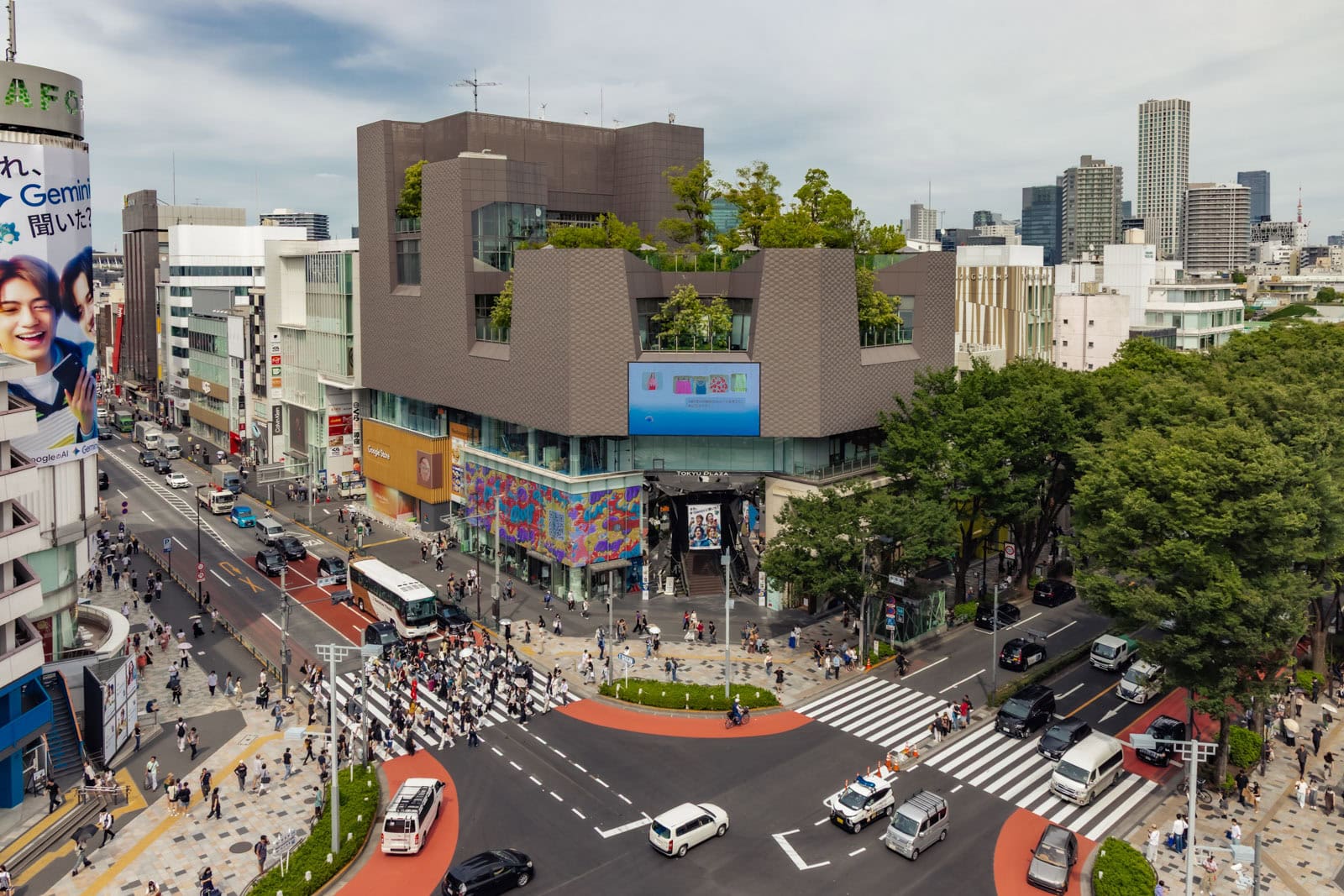
And here’s a final tip: after your photoshoot, head up to the building’s rooftop terrace for a peaceful escape. On a clear day, you’ll see Mount Fuji from the terrace!
Remember one of Tokyo’s most famous shrines is in Harajuku. It’s the best place in Tokyo to see a Japanese wedding and horse archery, yabusame. Read my guide to it, [The Meiji Shrine Photo Guide].