Tokyo Gate Bridge on a Cloudy Evening
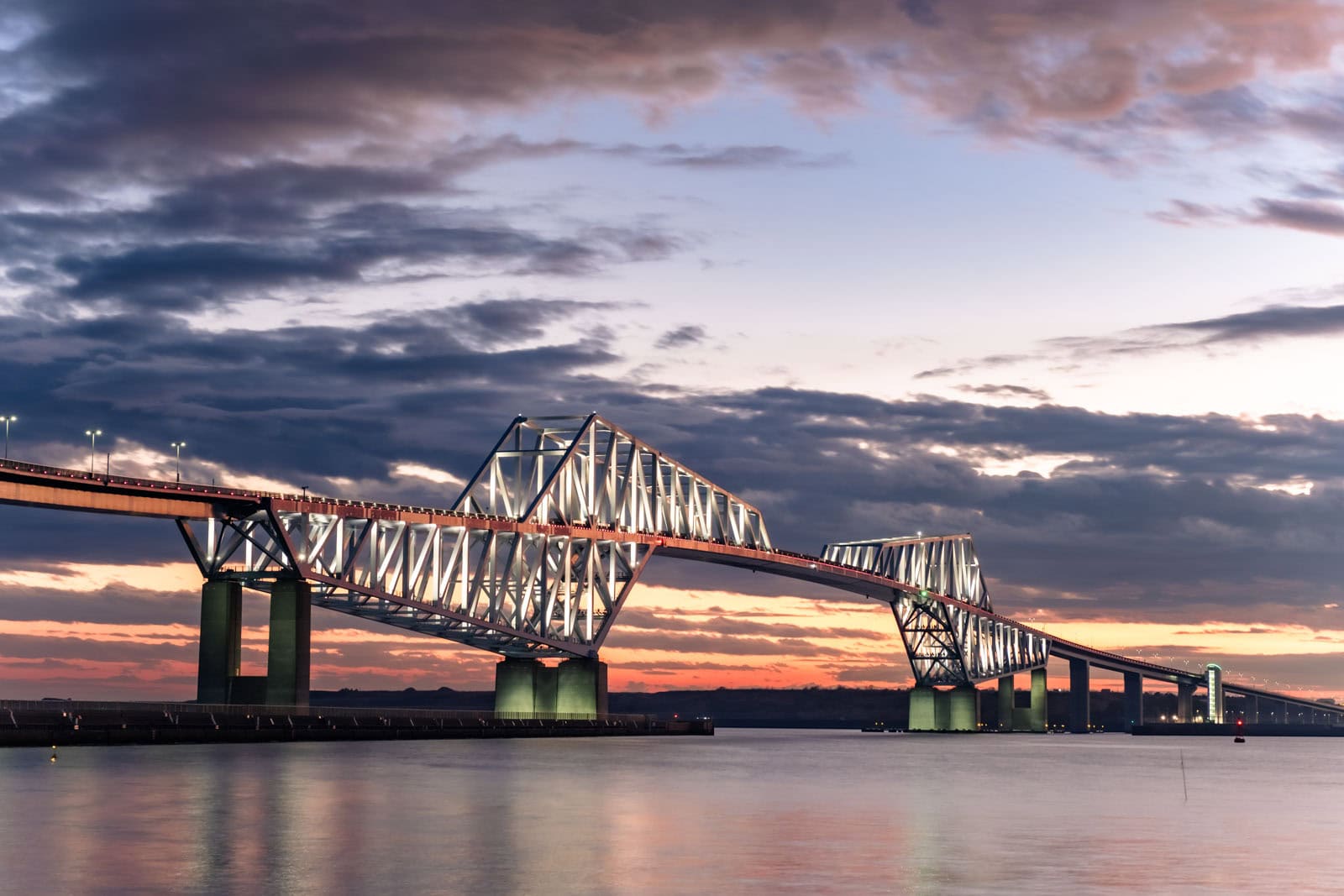
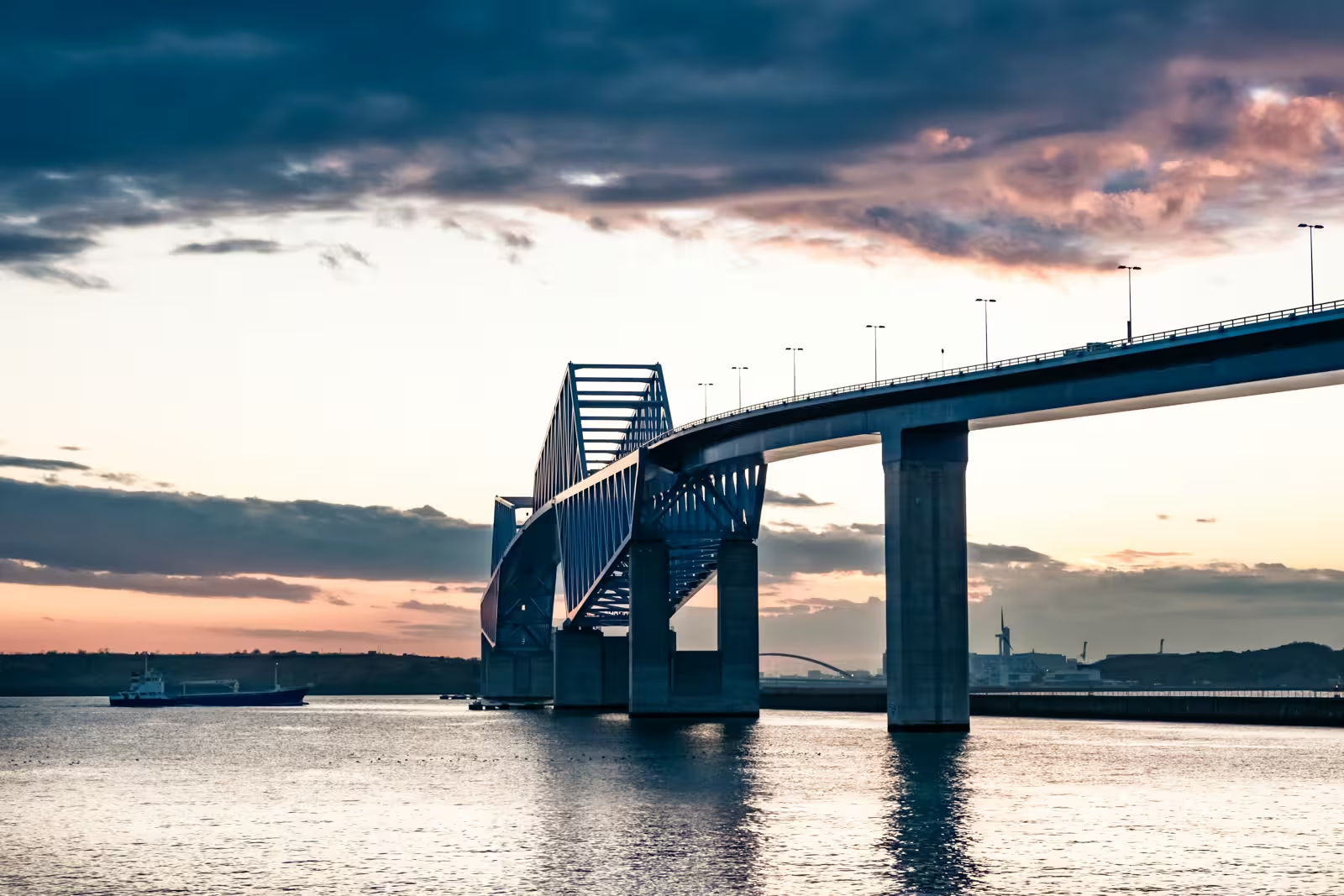
I did long exposure photography at Tokyo Gate Bridge in December 2019 when it was distinctly cloudy. Many people say it looks like a dinosaur, but not me. I don’t see any prehistoric shapes in all that metal and concrete.
Two horses with back trouble, maybe? Anyway, I can only say it’s great for photos.
It is an interesting structure on Tokyo Bay. From it, or the bank that runs along the eastern shore, you can see Mount Fuji on a clear day. When I left home for these photos, the forecast was good. But at that time, I didn’t know if it would stay that way.
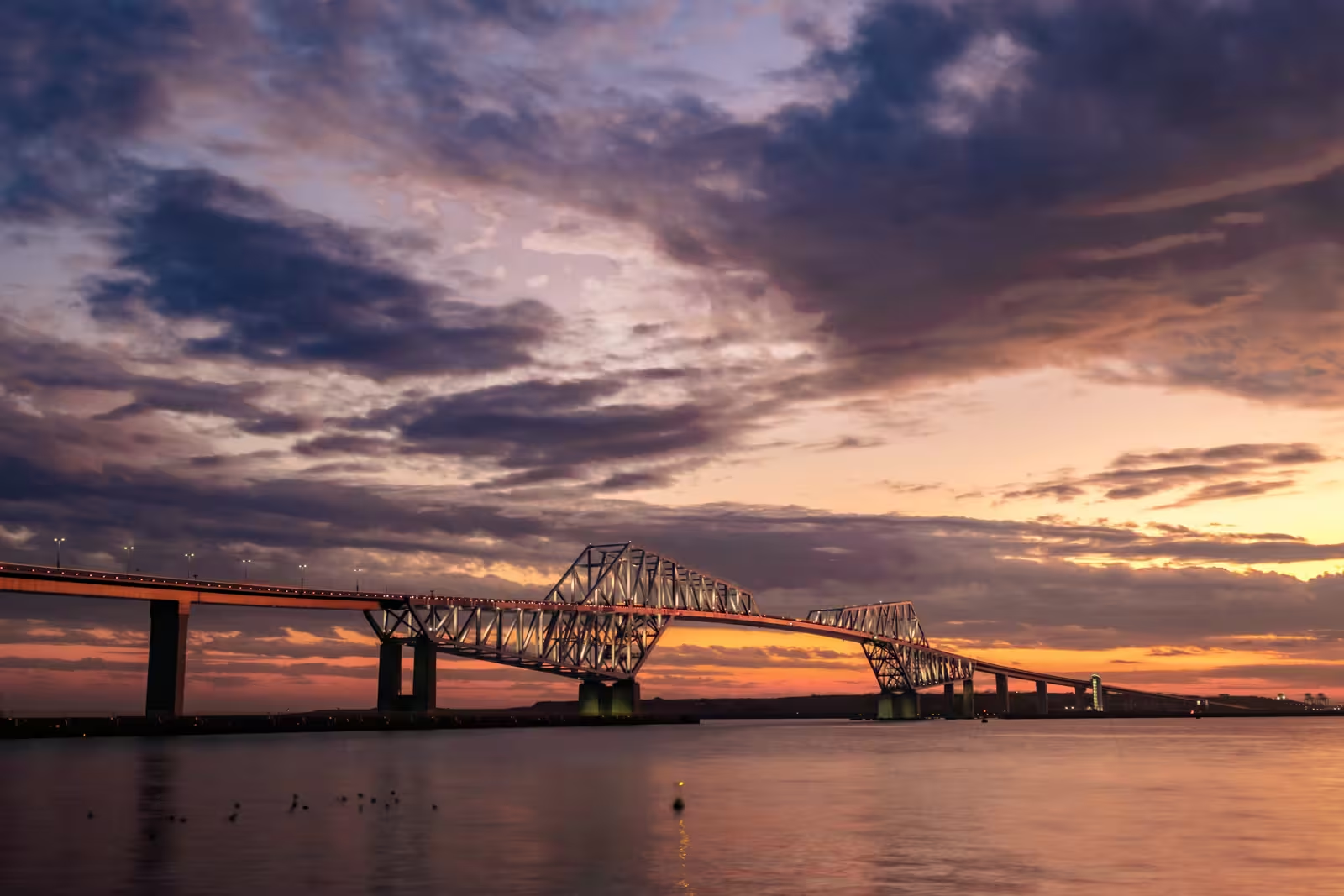
The weather gods decided to sock it to me. But they weren’t cruel. By the time I got to the bridge, the sky had changed. The clouds in Mount Fuji’s direction were thick and mushy. The light was ugly so the mountain didn’t make it into this post, but I wasn’t defeated.
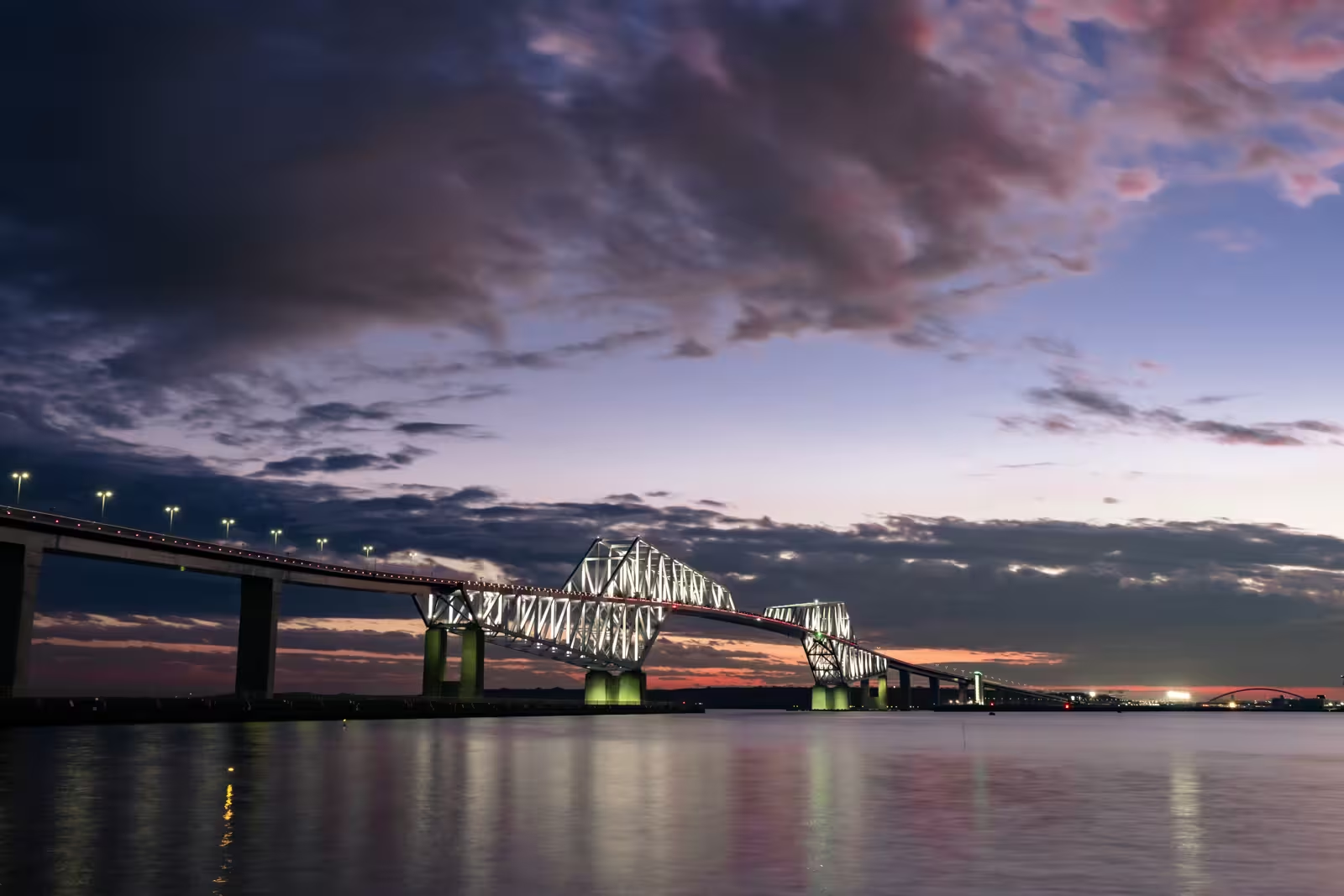
In other directions, especially towards Haneda Airport, the clouds were thick and grey, but I could still see a beautiful sunset through the gaps. The light would soon be gone so I moved as quickly as possible. I took a couple of long exposures from one location, then scooped up the camera, tripod and other gear and sped off to the next spot.
I wish I could have taken more advantage of blue hour, but it wasn’t to be. The pictures you see here were all I kept out of one hundred and fifty frames, each a few seconds long. So many were horrible that I deleted them.
Best Tokyo Gate Bridge photo spots
As you can see in the photos, I photographed the bridge from two locations. They were on the east side of the bridge. Each spot offers different physical conditions for a tripod setup.
North concrete wall
A concrete wall is on the east of the bridge, approximately 300 meters long, which runs northward. It is a popular spot for local anglers.
This surface is flat and stable, allowing a tripod to be set up securely. From this angle, the composition includes the span of the bridge and the distance across Tokyo Bay toward Haneda Airport.
South rock wall
A rock wall is also on the east side of the bridge, but it runs south. While this location allows you to frame both the bridge and Mount Fuji together, it presents more physical challenges. The boulders are unstable, making it difficult to find a level base for a tripod.
Waves also crash against these rocks, which requires caution. An alternative is the grass hill situated behind the rocks, though this change in elevation alters the composition of the frame.
Is the bridge worth it for long exposures?
It was my first time there taking these long-exposure photos. That shoot was complicated by the weather not cooperating with me. But I can see it was worth it and taught me what to expect for a future shoot there.
With fewer clouds or maybe even on a cloudless evening, I’m sure Tokyo Gate Bridge would be brilliant under lights. Maybe mid-winter might be perfect! Hopefully, that will happen one day, but I republished this article in 2026 and that still hasn’t happened! If you want to find out the latest information concerning lighting schedules, walking rules etc, consult the official Japanese website.
Photography gear for this shoot
- Camera body: Fujifilm X-T2
- Lens: Fuji XF 16-55mm f/2.8 (version 1)
- Tripod
- Cable release
To learn more about this type of photography read [How to Take Long-Exposure Photographs]. Leave questions and comments below.