Aoyama Cemetery Photo Guide
Aoyama Cemetery is a Tokyo sanctuary that most people overlook. Cherry blossom-lined paths, unique graves, and a serene atmosphere fill this photographer’s haven. Stunning architecture mixed with history makes this more than a simple walk. It’s a journey through the city’s soul. Let’s explore why this spot is a must-visit.
Why Aoyama is a top photo spot in Tokyo
Photographing the architecture: Torii, tombs, and crosses
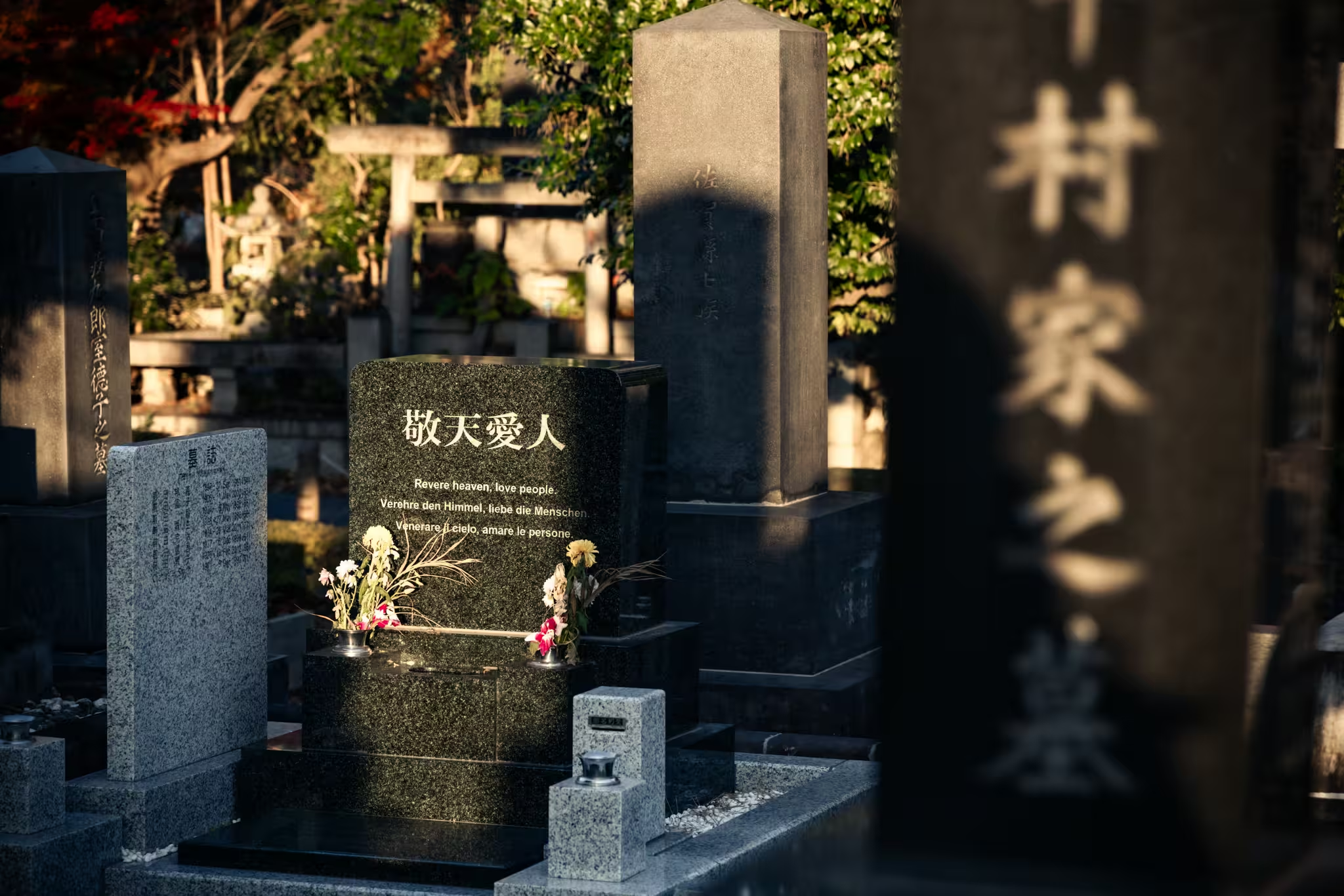
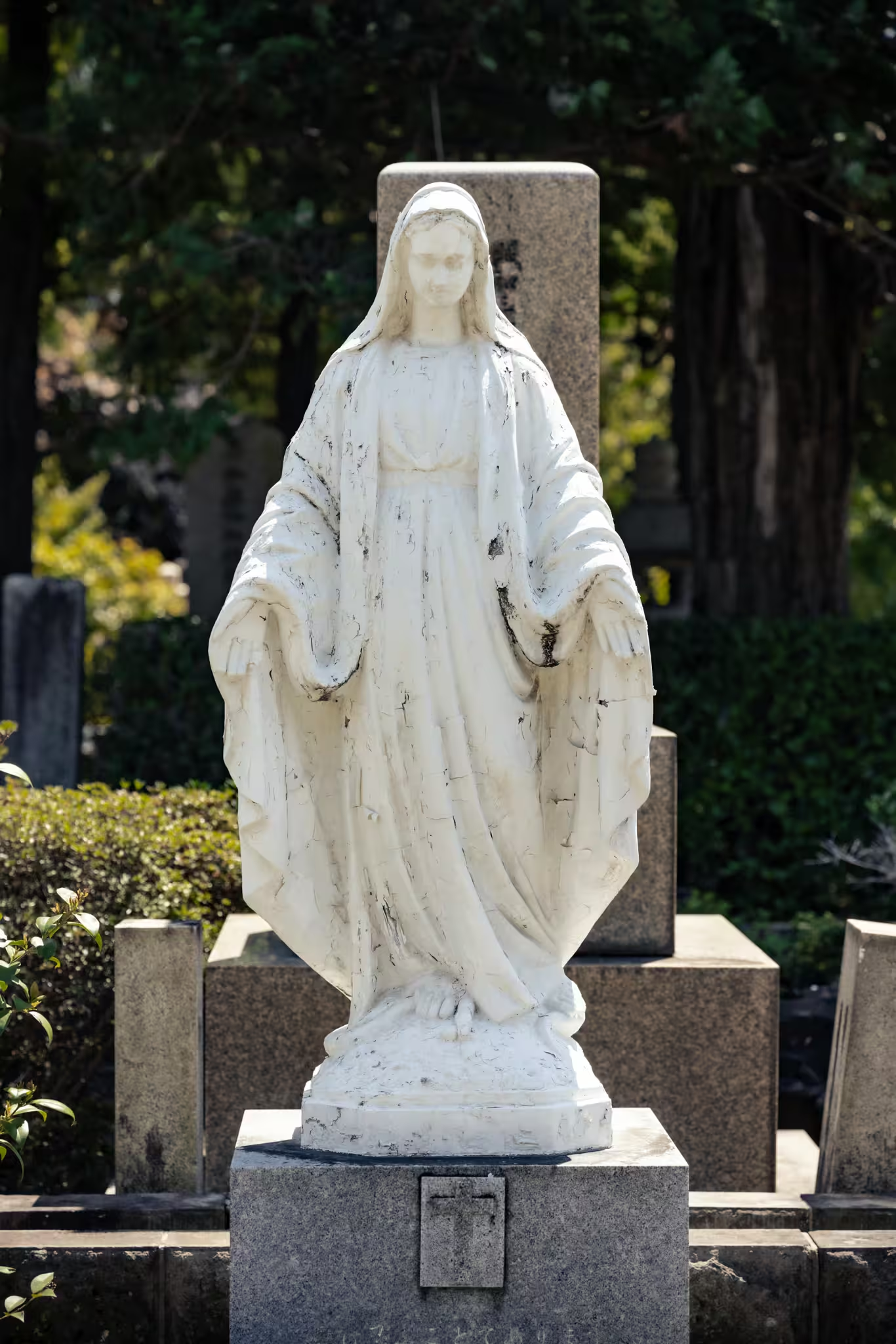
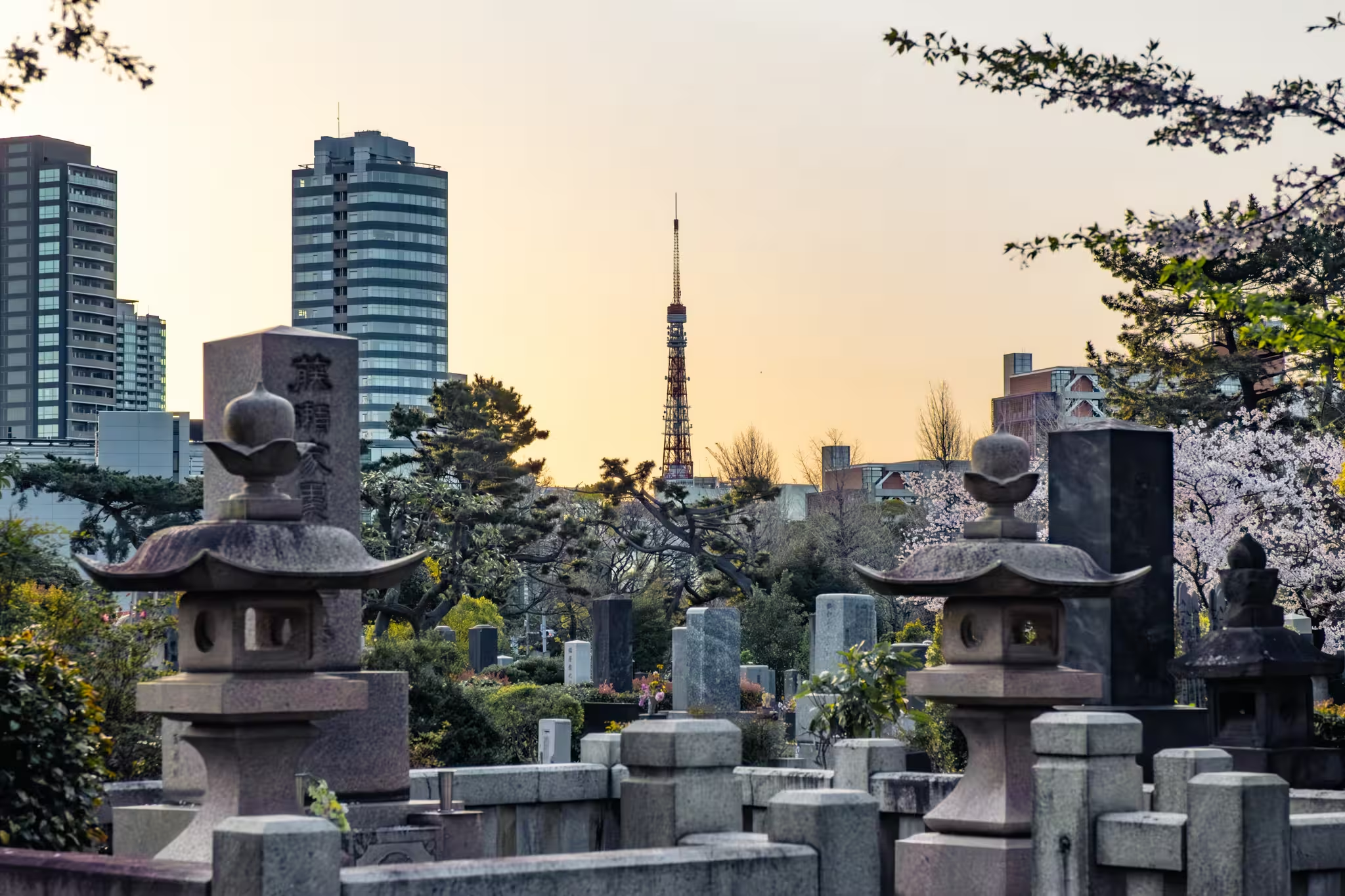
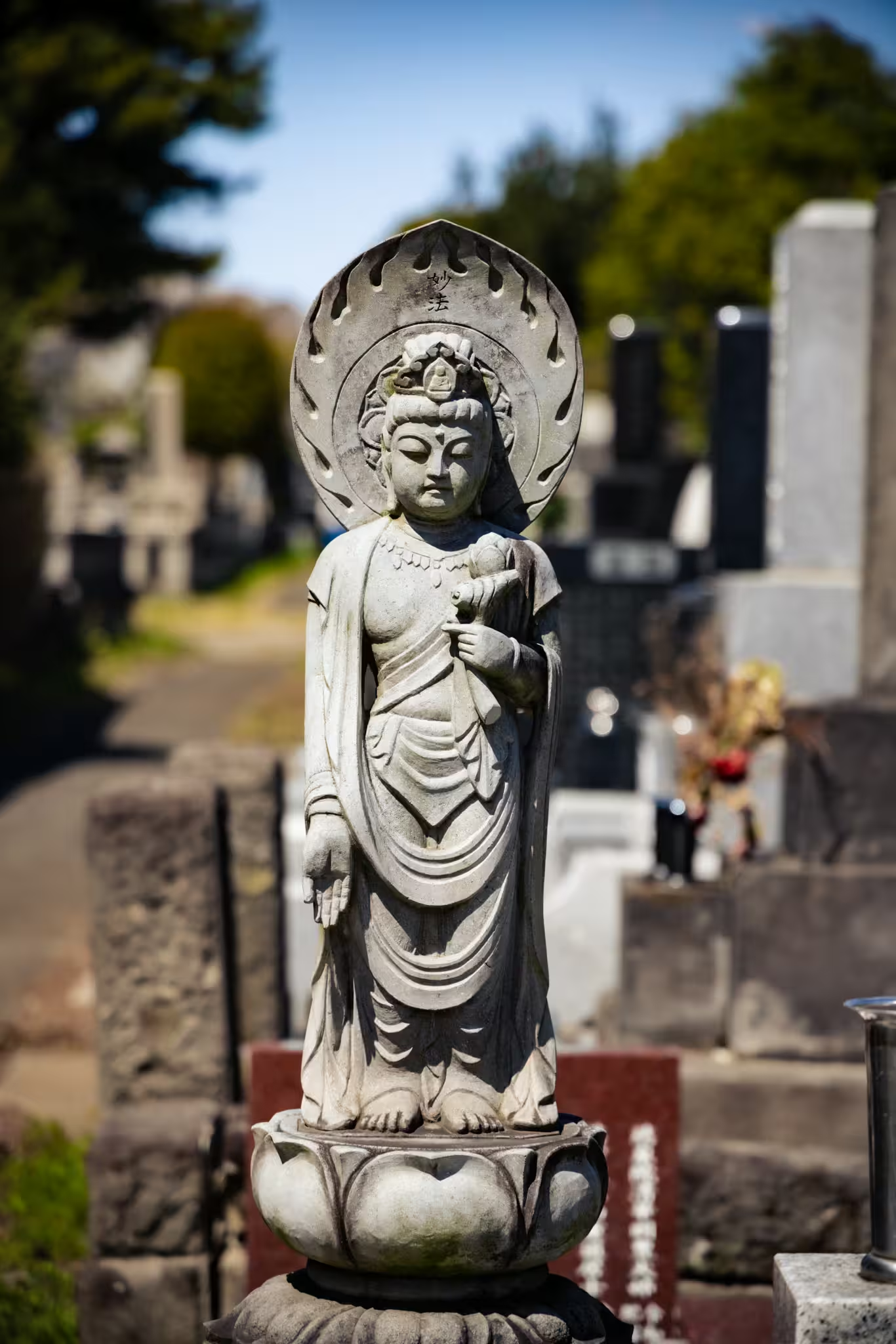
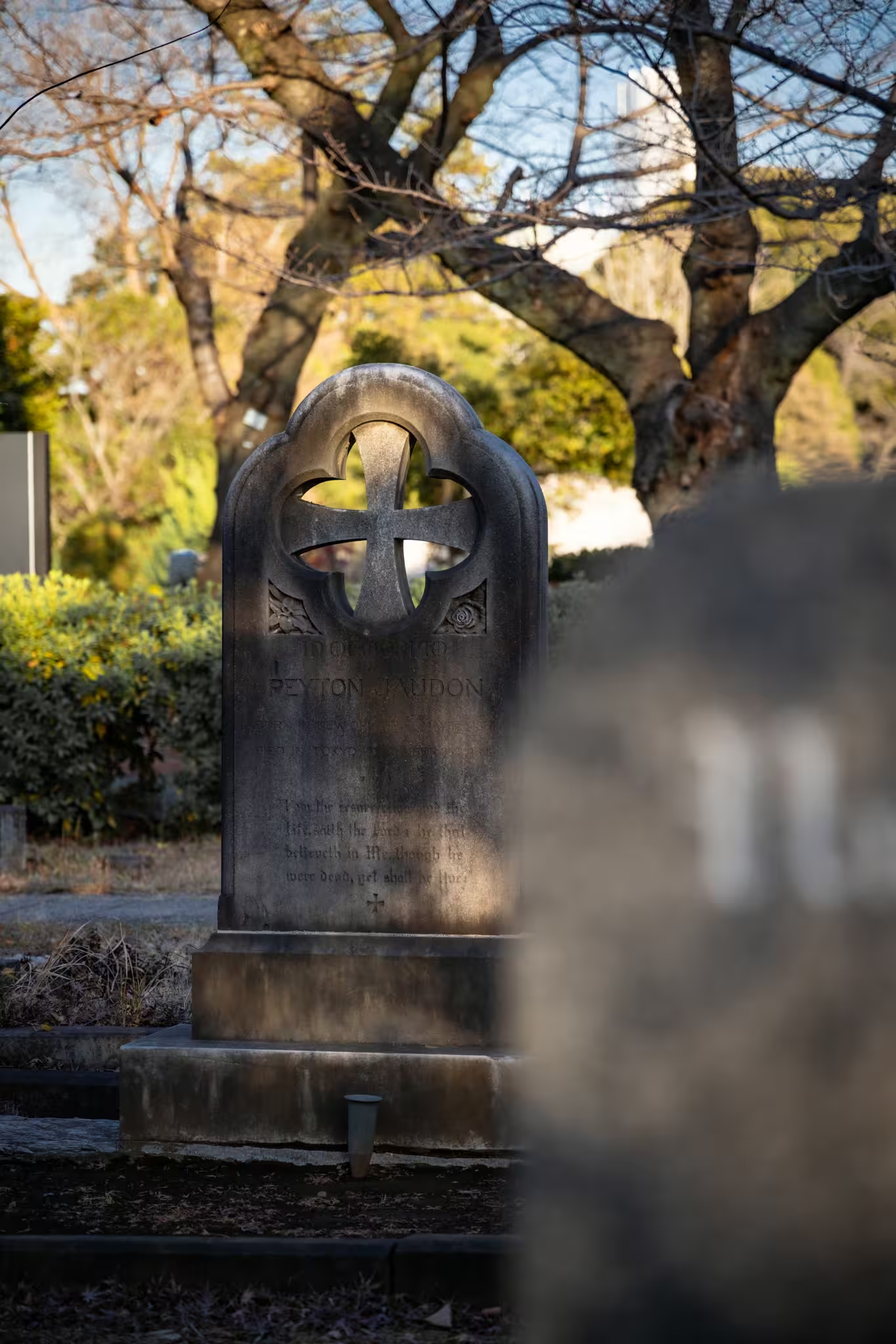
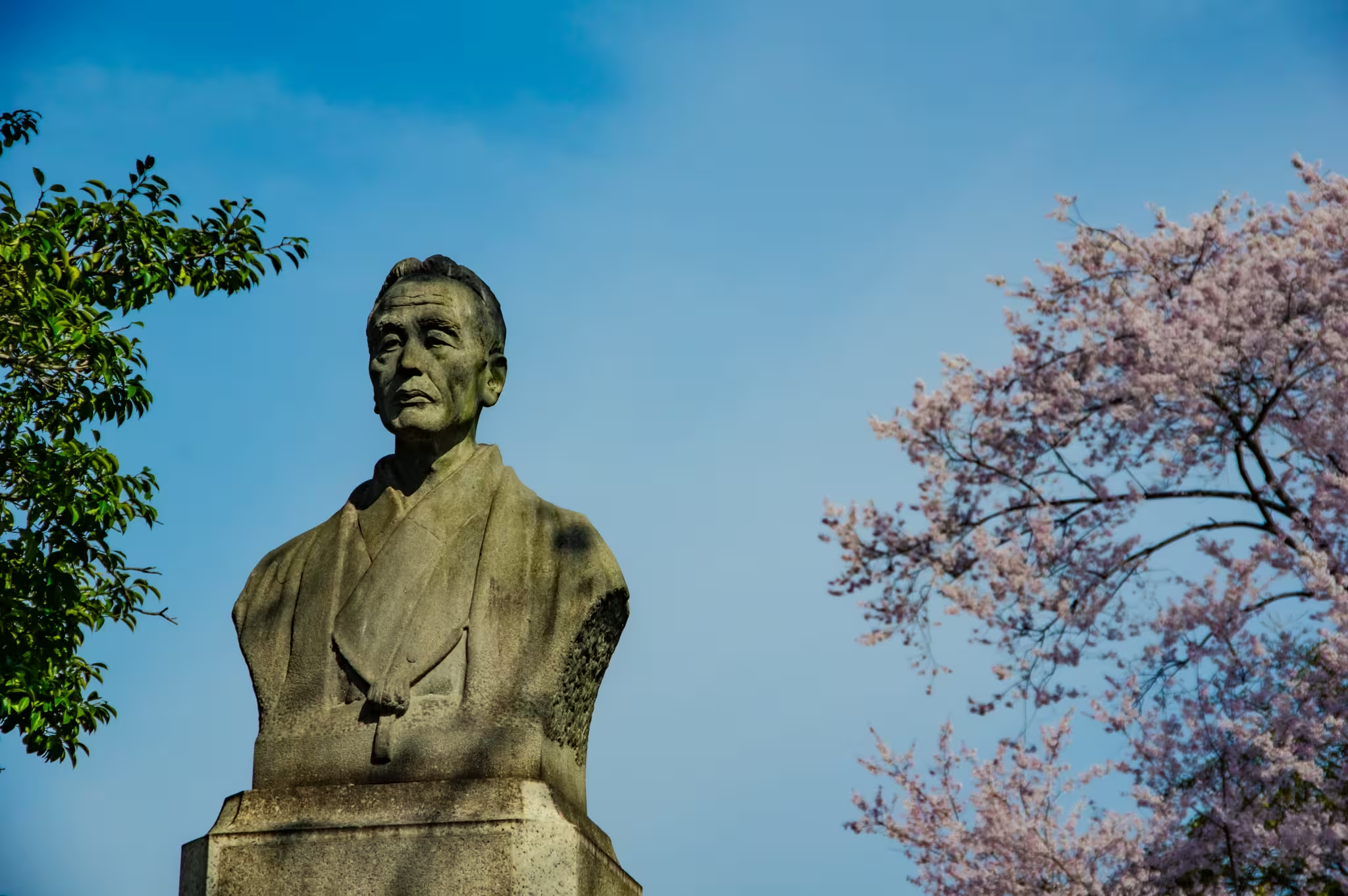
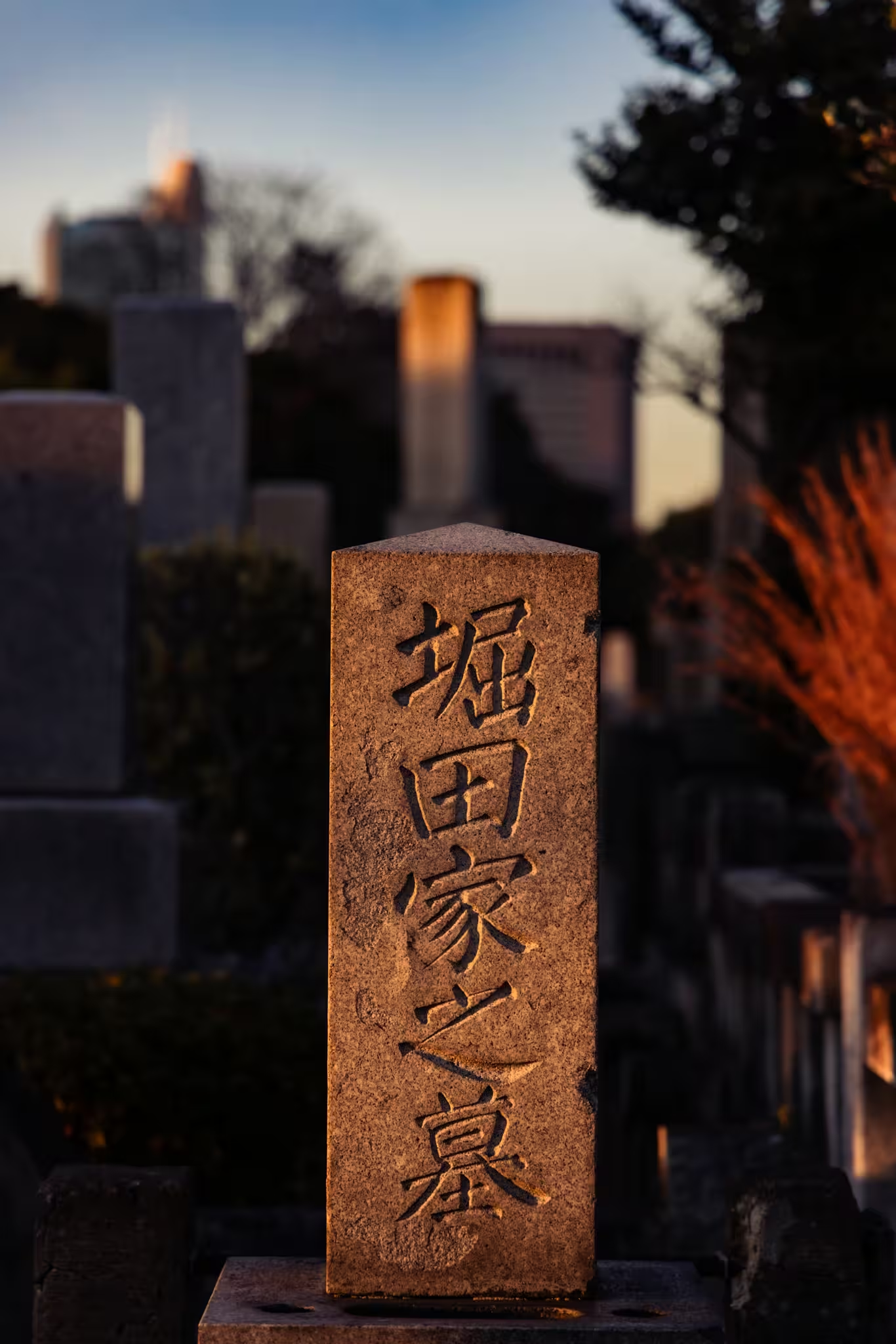
If you enjoy cemetery photography, Aoyama is one of the best places for it in Tokyo. The architecture is fantastic. Huge monoliths, lanterns, and mound-shaped crypts are everywhere. Shinto torii (gates at shrines) and Buddhist architecture and icons decorate many graves. Christian crosses aren’t rare. Busts of people are atop tombs. Photo opportunities abound.
Many military people rest there. Most I’ve seen are from the Imperial Japanese Navy. High-ranking officers’ graves have something unique. Huge artillery shells will decorate them. They can be as large as 15 cm.
Capturing the cherry blossoms (Hanami Season)
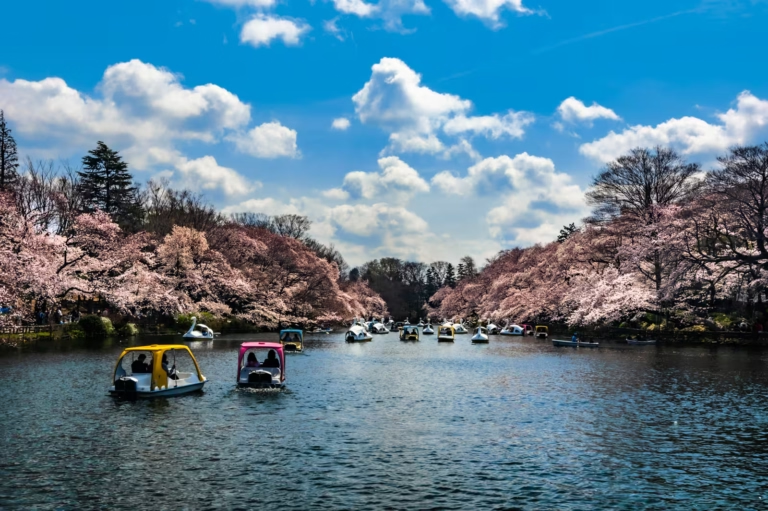
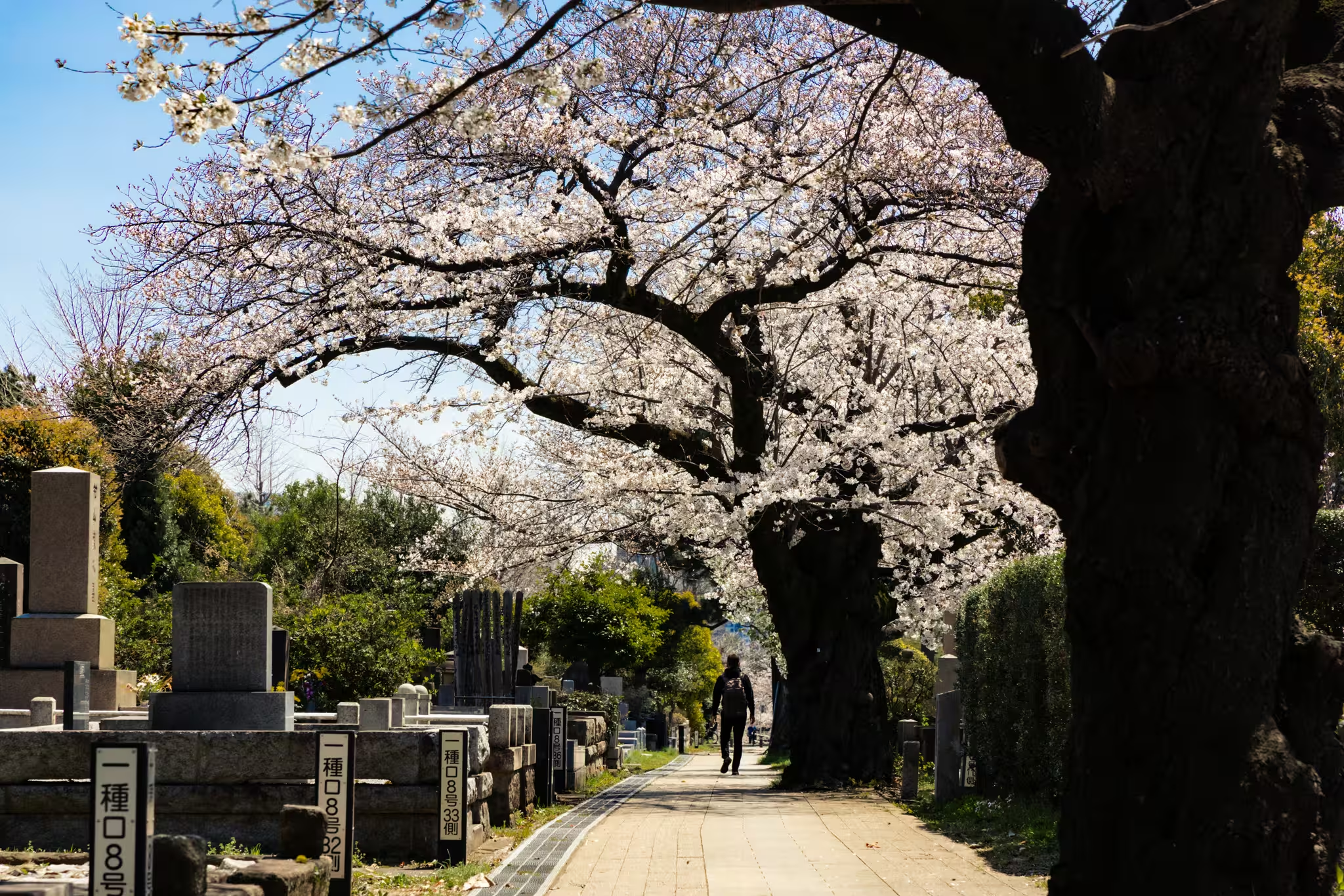
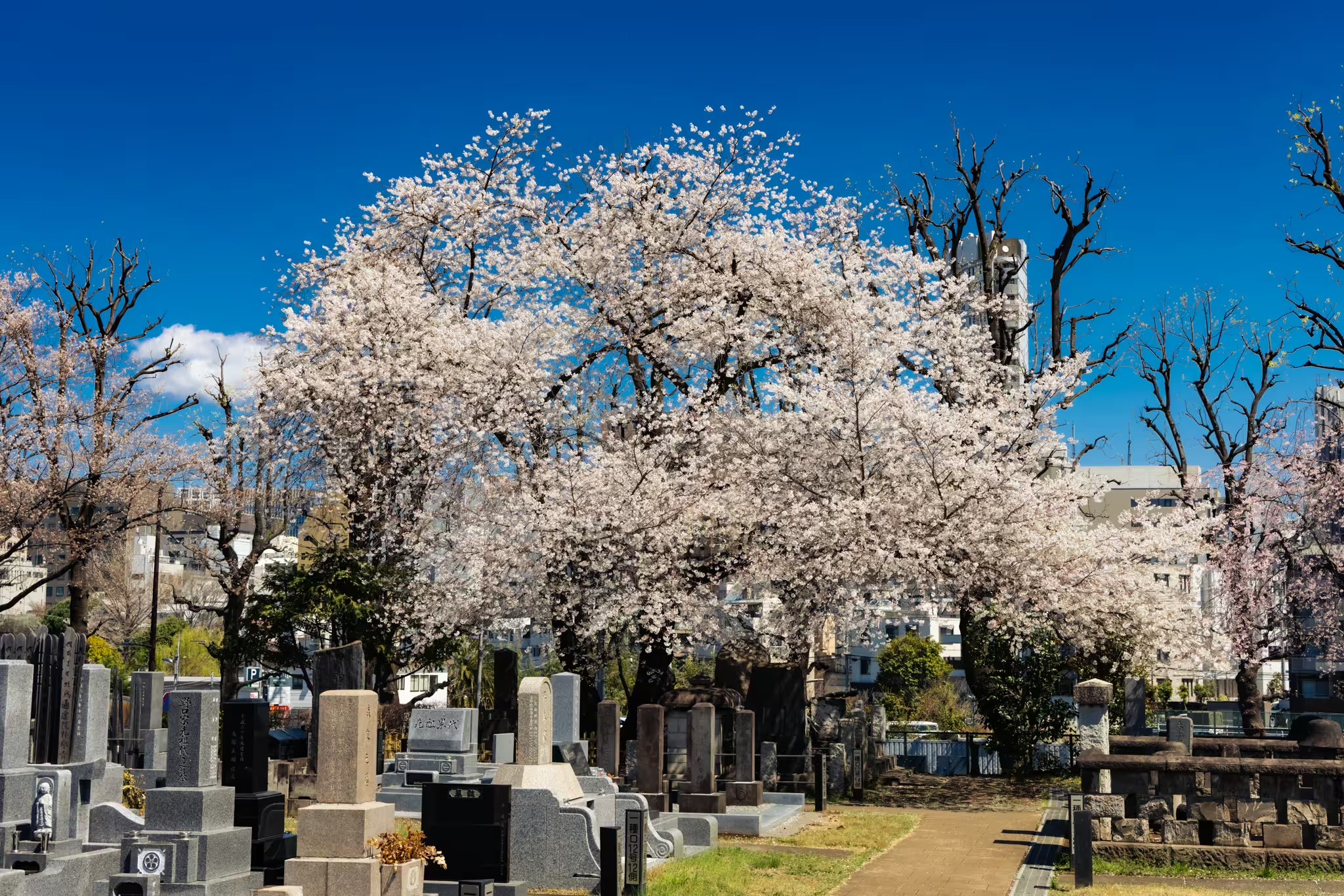
The cemetery’s central avenue, known as “Cherry Blossom Road,” is the main attraction. Here, trees line both sides of the path, their branches reaching out to form a breathtaking floral tunnel in spring. This is one of Tokyo’s most iconic photo spots, but be mindful that it is an active road. For your safety, stay aware of passing cars, which frequently need to navigate around photographers capturing the view.
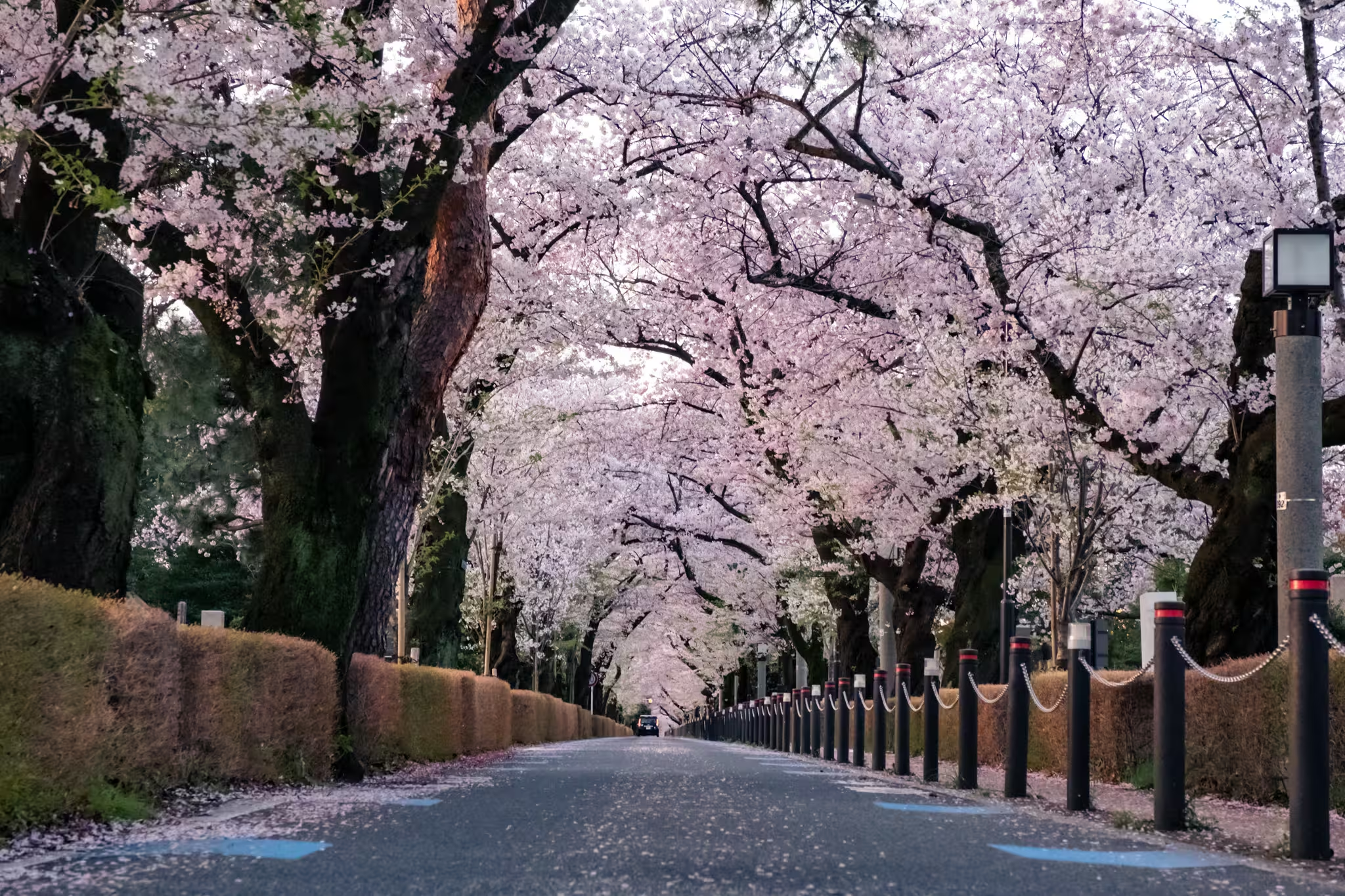
Trees cover many areas of the cemetery. Huge ones stretch over many graves. Aoyama is the perfect place for the departed to enjoy spring.
Do you yearn for tranquility? Shinjuku Gyoen and Ueno Park are crowded in spring. It’s a great alternative for a quiet hanami season.
What types of cherry blossoms are there?
Somei Yoshino: The most common and popular cherry tree variety, known for its delicate pale pink to white blossoms. 300 to 500 of these trees are in the cemetery, supposedly.
Yaezakura: These have extra petals, contributing to a fluffier, more voluminous bloom.
Sato cherries: Often double-flowered and come in various shapes and sizes.
Weeping cherries: These trees have a dramatic, cascading shape and are present in the cemetery.
History through the lens: The samurai and the modern
The Aoyama family once owned the land, hence the name. In 1874, a Shinto funerary cemetery was constructed. Two years later, the name changed to Aoyama Reien (Aoyama Cemetery), and it became public. Currently, about 130,000 people rest there.
Japanese history lovers will enjoy the cemetery. When the country opened to the world in the 1870s, massive changes happened. Old political and social systems disintegrated. The emperor replaced the shogun. A new generation of politicians, doctors, diplomats, teachers, and military leaders rose to meet the challenges. Many of them now rest in Aoyama.
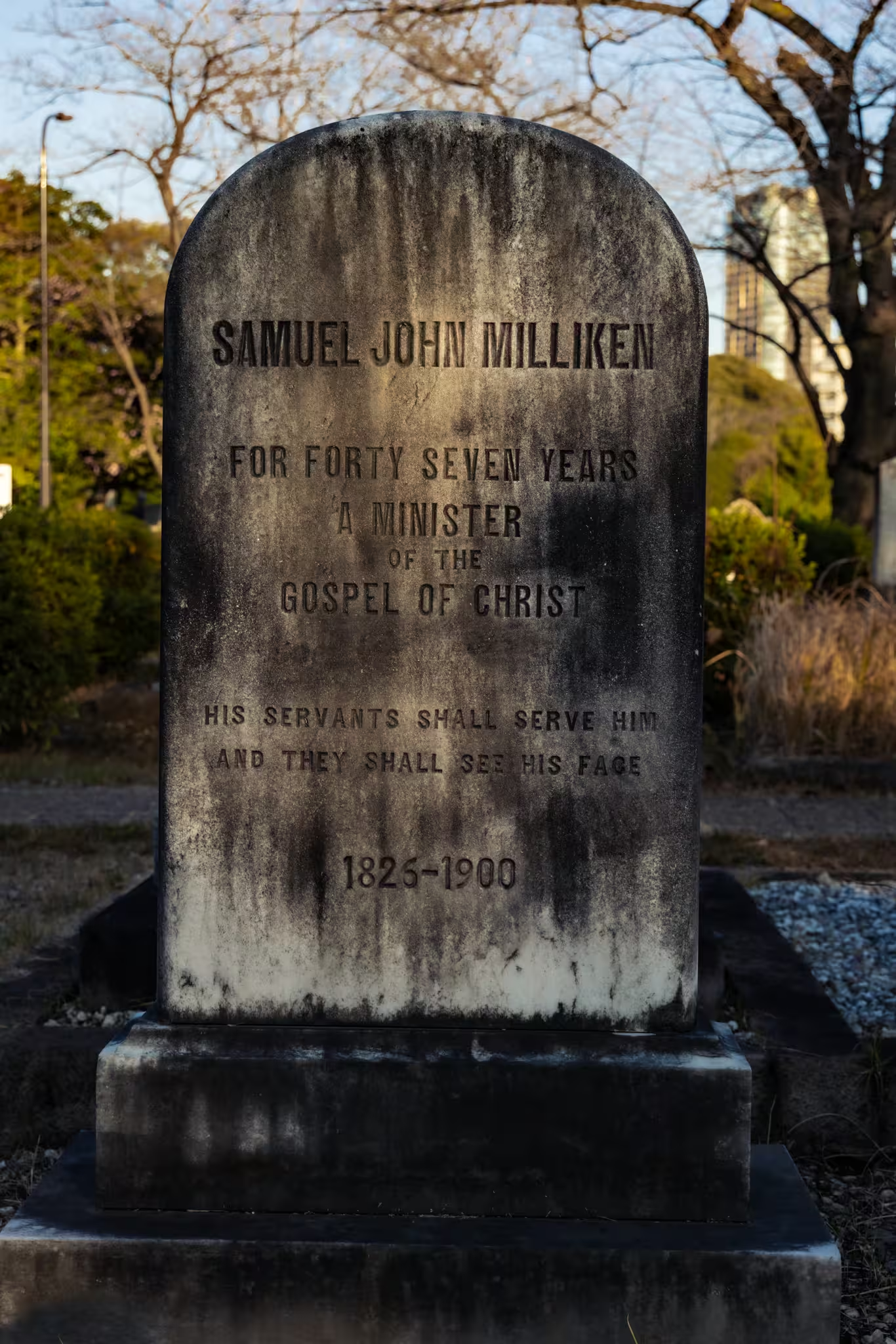
While Japan had the people, it lacked the knowledge to put them on equal terms with the West. The government went overseas and found those who did. Skilled people were invited to come. Some got married and lived here for many years. Those who died in Tokyo will be in the foreigner section (a.k.a. gaikokujin bochi).
A few have brief information inscribed on tombstones. Plaques are on some. These are for people who have impacted Tokyo or Japanese history. Detailed explanations in English and Japanese of the person’s life are on them. Thomas Baty, Toshimichi Okubo, and former PM Tomosaburo Kato are three examples. There are others, of course.
Some plaques don’t appear on maps, so you will probably run into them by chance. Consult the administration office for detailed information.
Famous graves to photograph
Some of the Japanese people are:
Hachiko: The famous loyal dog rests next to his master, Hidesaburo Ueno.
Teru Miyata: An NHK announcer and politician.
General Maresuke Nogi: A hero of the Russo-Japanese War.
Toshimichi Okubo: A samurai statesman and leader of the Meiji Restoration.
Memorial dedicated to the IJN ships Unebi and Chishima. Both were lost under tragic circumstances.
Some of the foreigners are:
Thomas Baty: An English lawyer and early transgender activist who worked for the Japanese government.
Maj. Gen. Henry Spencer Palmer: A British engineer who helped develop Yokohama Harbor.
Guido Verbeck: A Dutch political advisor and missionary.
Composition tips: The contrast of old graves and skyscrapers
The cemetery is 263,564 m², making it quite large. If you need some quiet time, this might be the place for you. I’ve never seen it crowded. Most people visit graves, walk dogs, or jog. Others, like me, take pictures.
Aoyama Cemetery is like Yanaka and Zoshigaya. The graves are in rough rows, but when viewed as a whole, the grounds resemble a jigsaw puzzle. While the layout might seem random, the meandering paths are part of its charm.
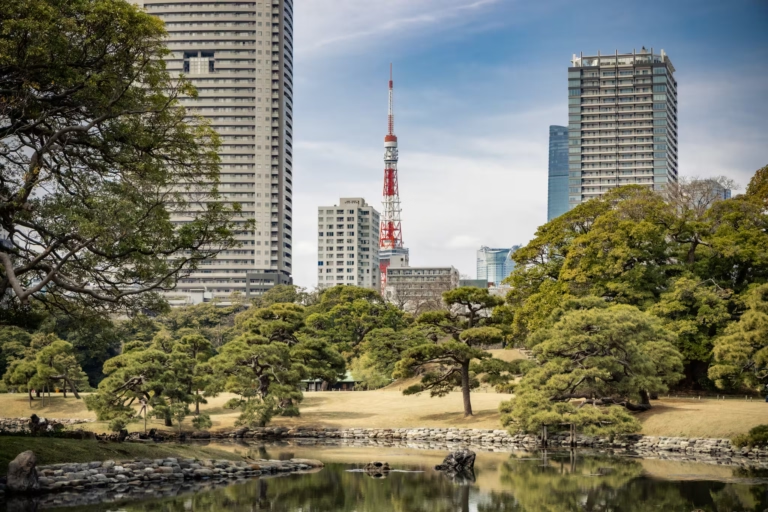
For photographers, the highlight is the juxtaposition of history and modernity. Skyscrapers pop up over the trees here and there. Don’t ignore them; they add a sense of scale to the grounds. Pay special attention to the Roppongi Hills Mori Tower, one of the most recognizable buildings in Tokyo. If you use a zoom lens to “compress” the scene, you can place the futuristic tower directly behind an ancient tombstone for a truly iconic Tokyo photo.
Best time to visit for lighting and seasons
Without a doubt, spring is the most spectacular time to visit (see my 2025 cherry blossom photo gallery). The iconic cherry blossoms transform the cemetery into a floral wonderland. However, the serene atmosphere and historical depth make Aoyama a rewarding visit in any season.
Photo spots near Aoyama
Harajuku and Omotesando: Great for street photography and modern fashion shots.
Icho Namiki Avenue: Famous for its golden ginkgo tunnel in late autumn.
Meiji Shrine: Capture traditional Shinto weddings and massive wooden torii gates.
National Art Center: Stunning wavy glass architecture perfect for abstract shots.
Nogi Shrine: A quieter, more intimate shrine setting.
Roppongi Hills: The observation deck offers the best cityscape views of Tokyo Tower.
Visitor information & logistics
Location and map
Address: 2 Chome-32-2 Minamiaoyama, Minato City, Tokyo
See you the cemetery on the map below:
Opening hours
Aoyama Cemetery is open 24 hours a day, but the administration office operates from 8:30 a.m. to 5:30 p.m. Please note the office is closed for the New Year holidays from December 29 to January 3.
Access via train & subway
Gaienmae on the Metro Ginza Line.
Nogizaka on the Metro Chiyoda Line.
Photography Etiquette (Important):
Japan is sensitive to overtourism. Remember:
Respect the Mourners: This is a place of worship. Keep your voice low.
No Climbing: Never step on grave plinths or markers for an angle.
Road Safety: “Cherry Blossom Road” is an active street. Car horns are frequent—don’t become a statistic for a photo.
How long to spend there
Plan for at least 2-3 hours to wander without rushing.
Pick up an English map to find graves at the administration office.
For all the most up-to-date information, consult the official Aoyama Cemetery website.
Is it worth going?
No matter the season, Aoyama Cemetery is a great Tokyo photo spot. The grave architecture, history, cherry blossoms, and views are incredible. This place should be on the bucket list for any Japanese graveyard lover.