
HSS Flash Flower Photography Made Simple
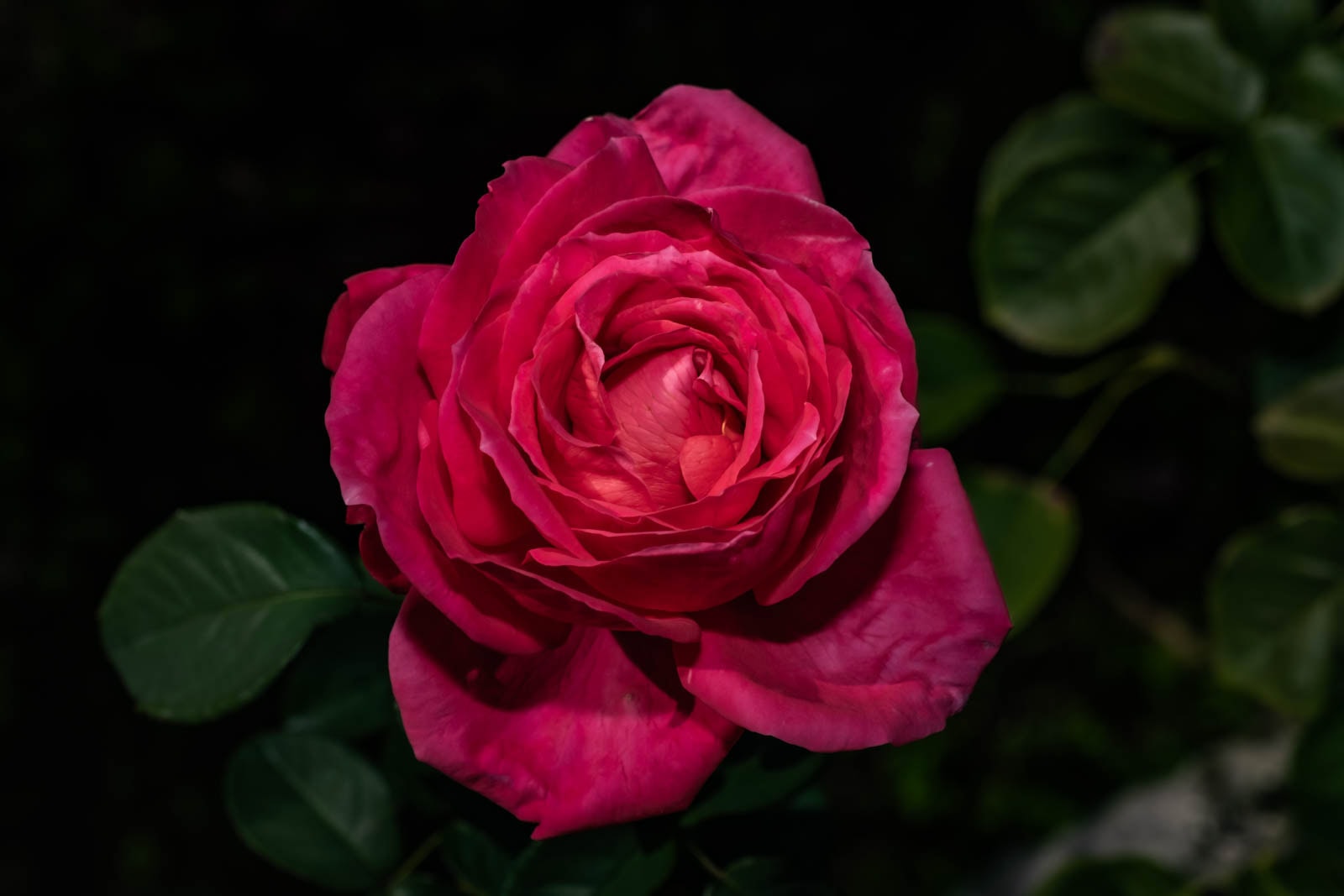
An HSS flash is a great piece of equipment for any photographer’s kit. I recently used mine at the Jindai Botanical Garden Rose Festival in October 2022 and was thrilled with the stunning results it produced.
In the past, my photos were often nothing special—typically just flowers in a garden, sometimes with a bit of bokeh. For this shoot, however, I wanted to create something a little more eye-popping.
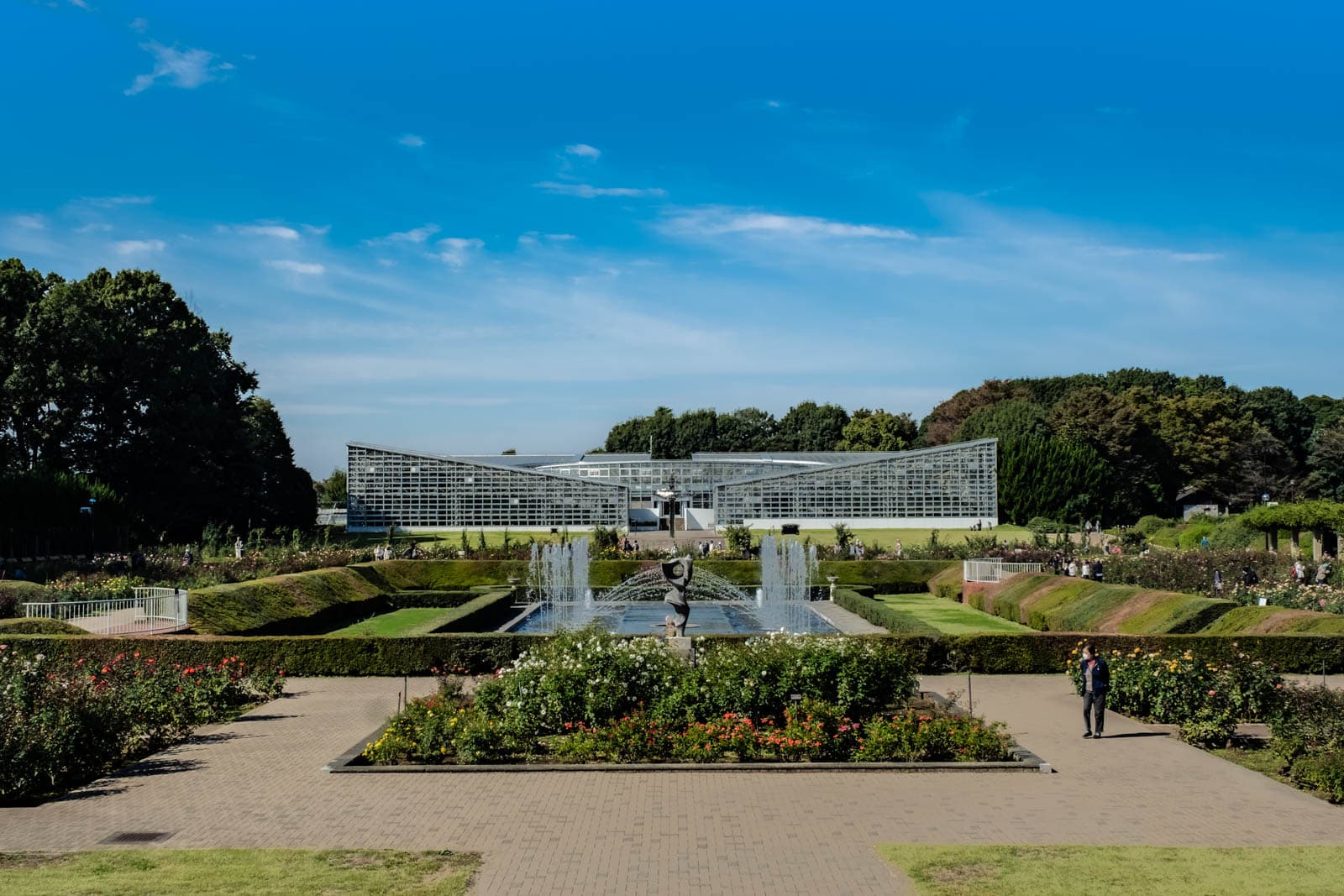
My goal was to make the flowers pop with vibrant color, but the harsh midday sun made that impossible. I knew I needed something special. It was time to reacquaint myself with an old friend: High-Speed Sync (HSS) flash.
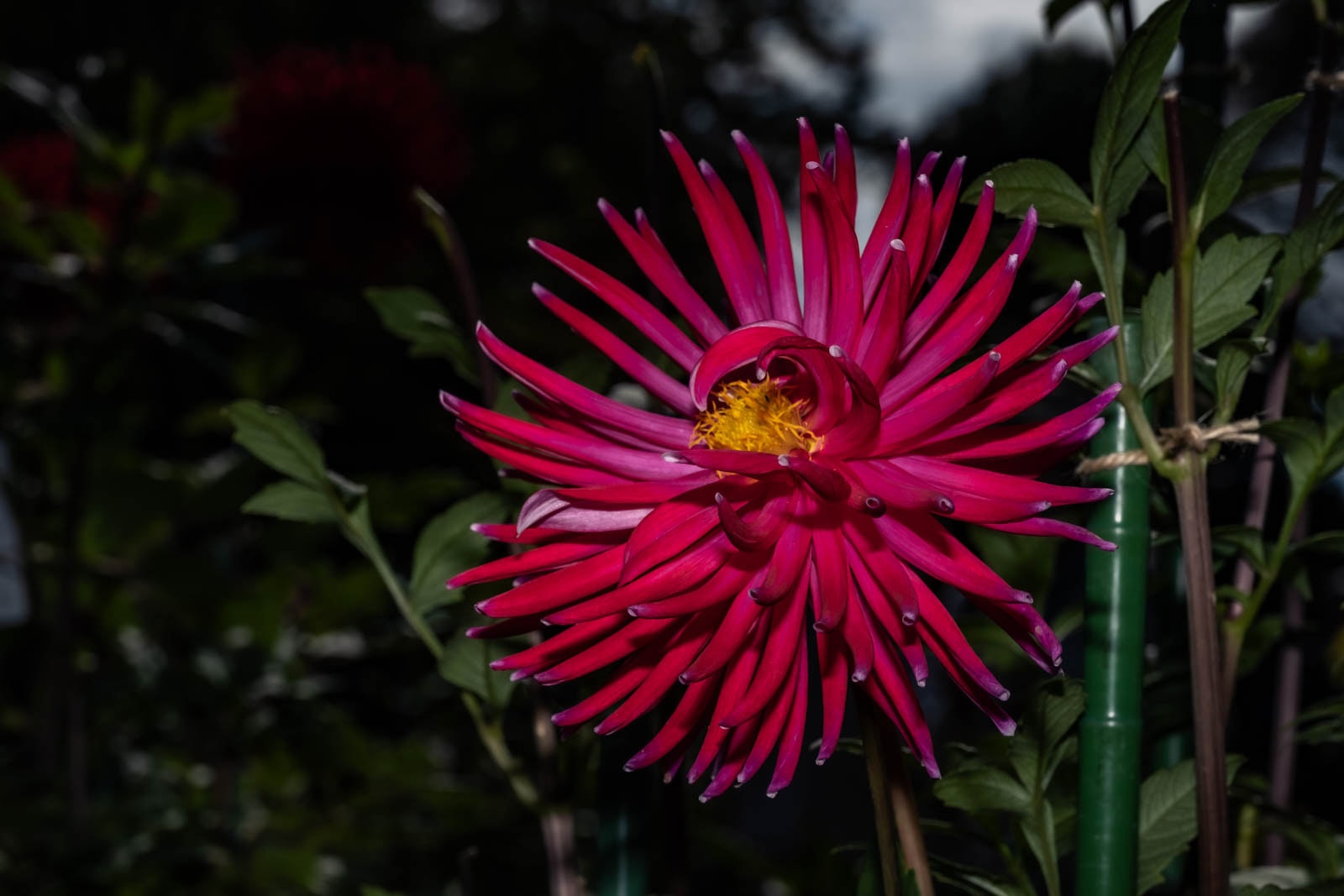
HSS flash can overpower the sun. It created dramatic effects that were perfect for the striking, spiky shapes of the Dahlias that were also in bloom nearby.
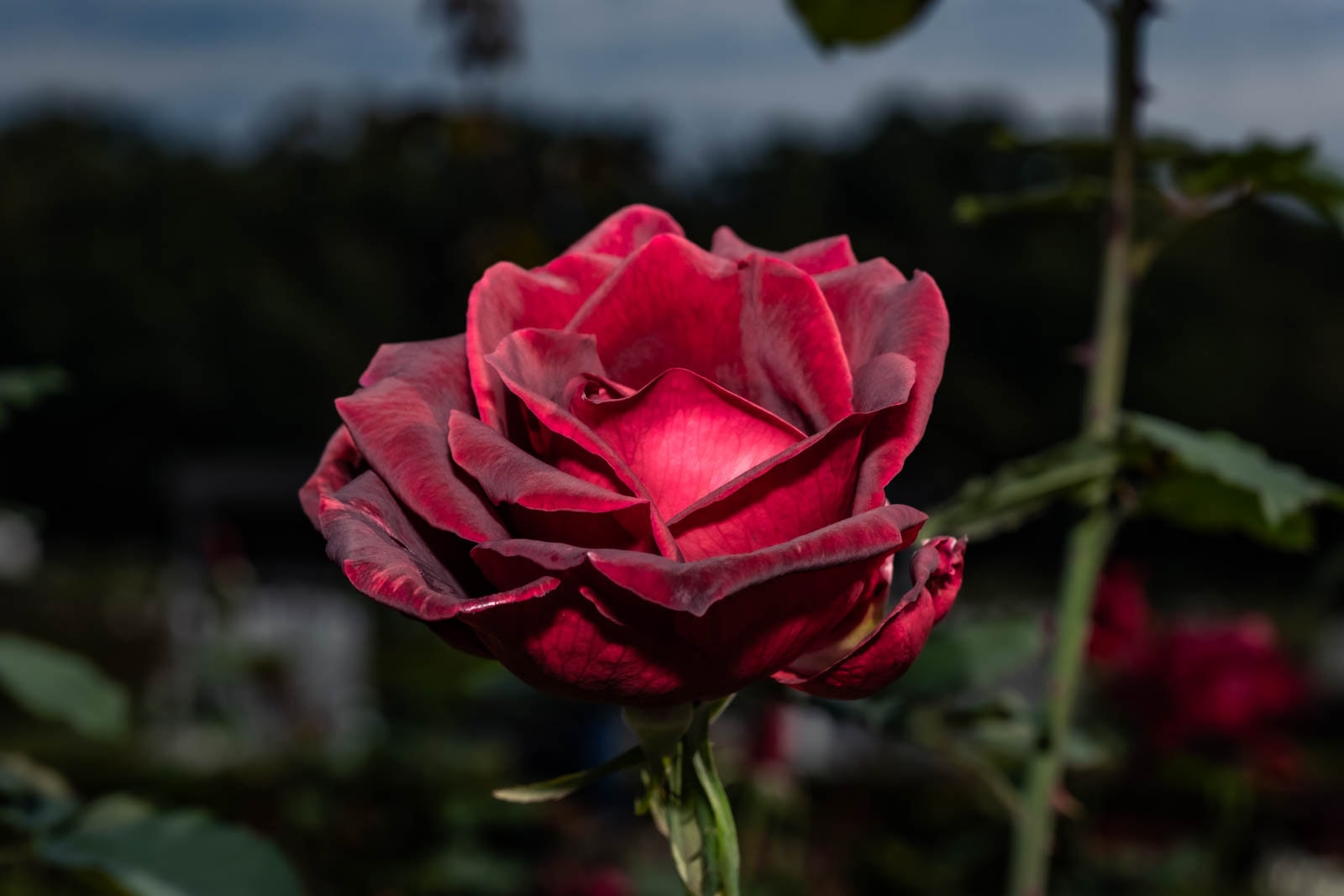
What is HSS flash photography?
Have you ever used a flash? Using them is a good idea when you need more light. But they can be problematic for photographers. What is the problem?
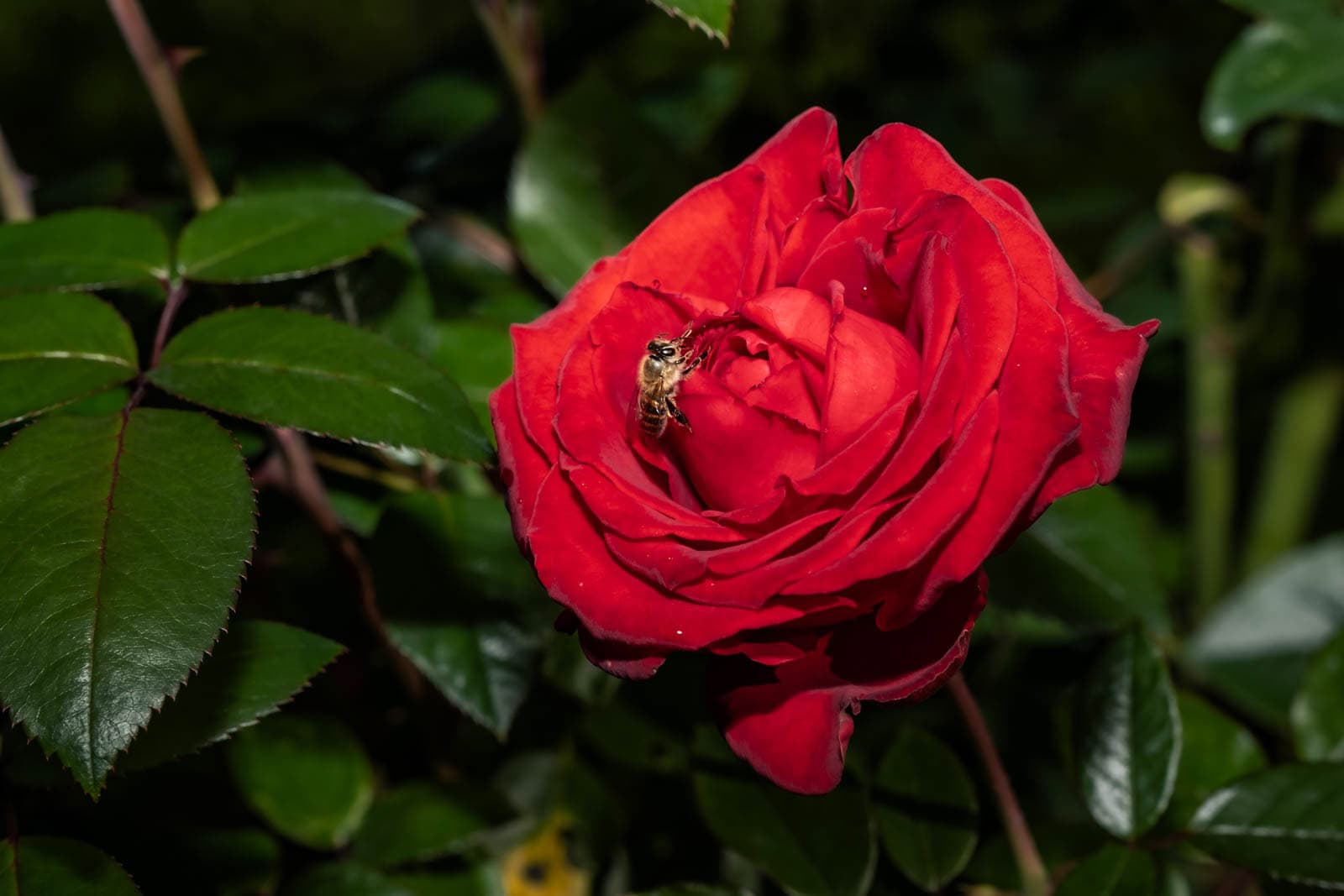
The problem is timing. Most cameras have a maximum flash shutter speed, known as the “sync speed.” On my Fujifilm X-T3, it was 1/250 of a second, though it may vary on other brands. If you try to shoot faster than this limit, a dark bar will ruin your photo because the shutter isn’t fully open when the flash fires.
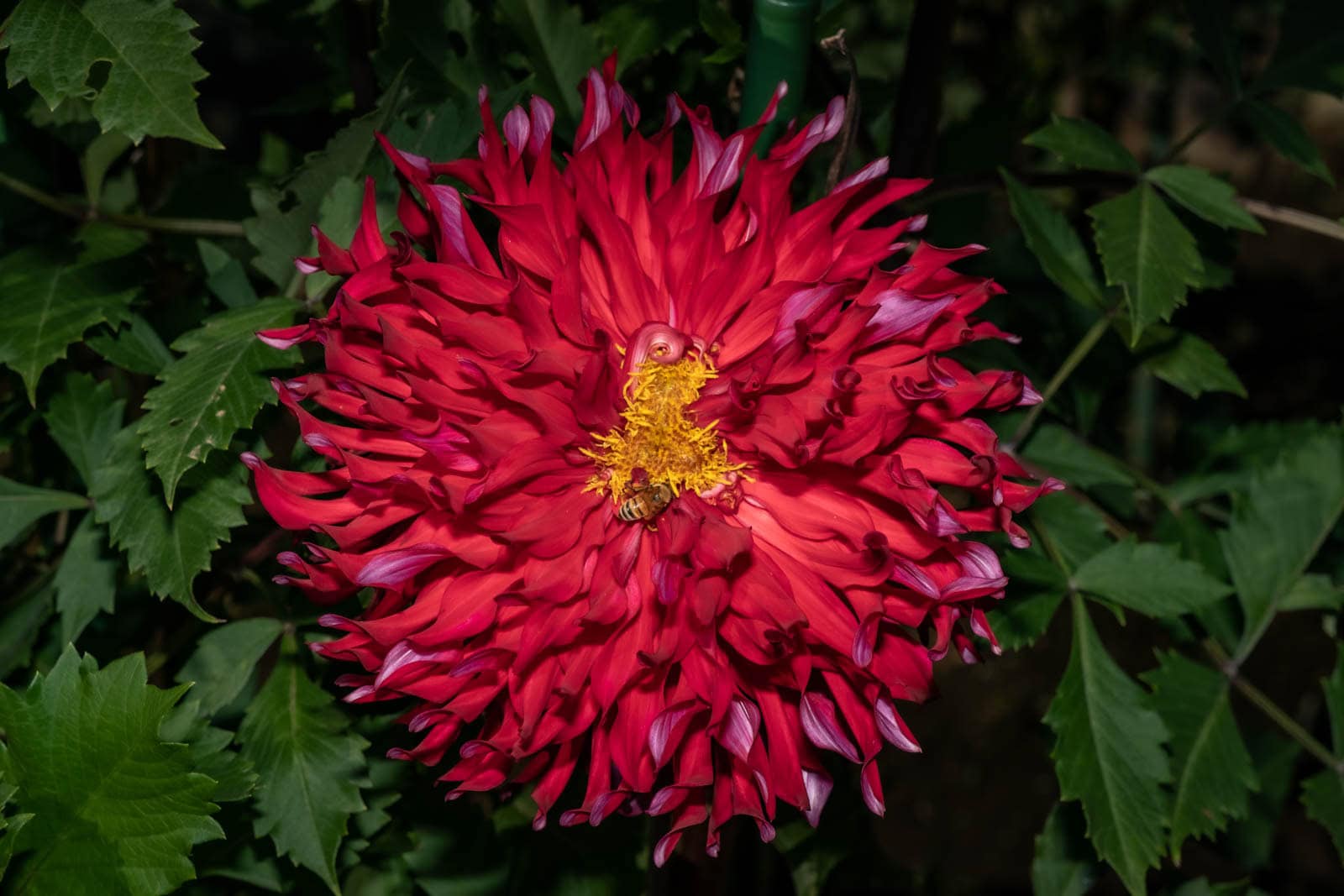
Thankfully, HSS (High-Speed Sync) lets you ignore that barrier. With HSS enabled, the sky is the limit. I could use my Fujifilm X-T3’s maximum shutter speed of 1/8000 of a second, which allowed me to darken the background.
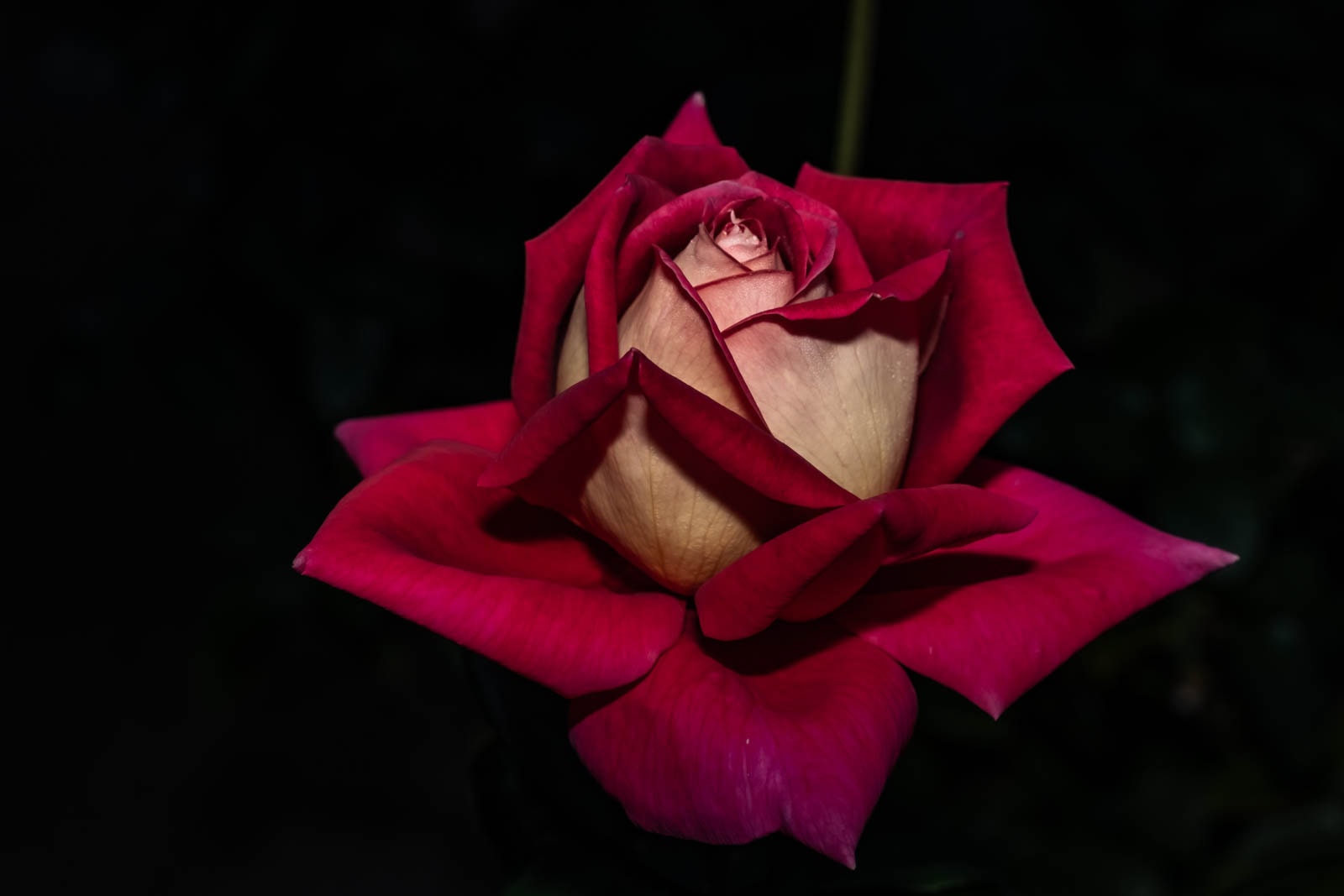
A general guide to setting up HSS
While every camera is slightly different, the process is generally the same. You don’t need a manual, just look for these settings:
- On your flash: Find the button with a lightning bolt symbol and an “H” or the letters “HSS.” Press it until you see “HSS” appear on the flash’s LCD screen.
- In your camera menu: Go to your camera’s “Flash Settings” menu. Find the option for “Flash Sync Speed” and set it to “Auto FP(HSS)” or the highest available number with a sync symbol next to it. This tells the camera it’s okay to break the normal speed limit.
- Go manual: Switch your camera to Manual Mode (M). This gives you full control to balance the dark background (controlled by shutter speed) with the bright subject (controlled by flash power).
That’s it! You are now ready to start shooting in HSS.
Remember this, though. HSS flash photography requires equipment that is capable of doing it. Check before buying anything. If you are not sure, ask the store staff.
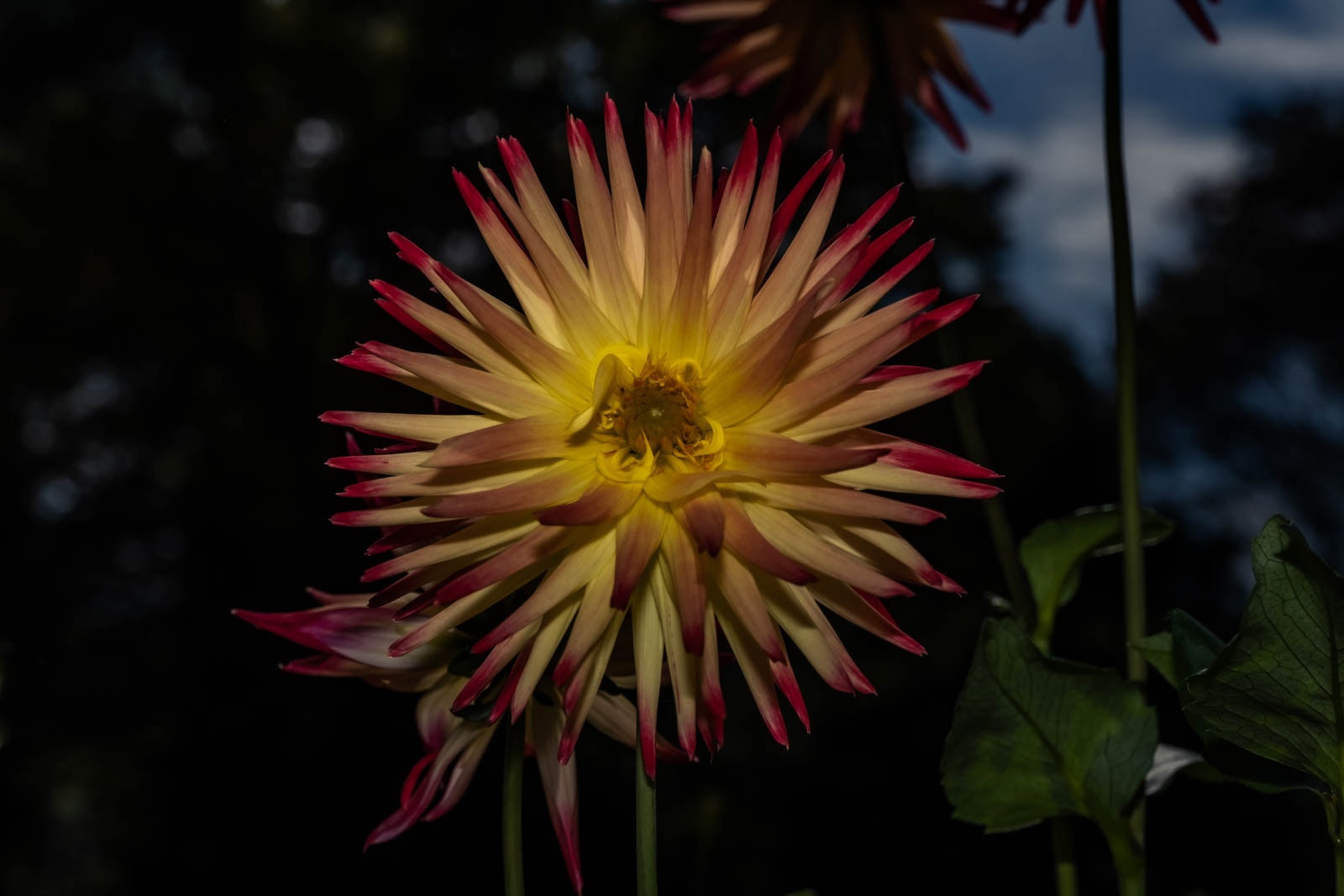
Why use an HSS flash?
Control & darken ambient light
- To reduce ambient light, lower the ISO or increase the shutter speed. That might be problematic, so use HSS!
- You can darken backgrounds, which is what I did at Jindai. Or, try it with a model at sunset. It can add drama to the sky! Seriously, it will be stunning.
Maintain a shallow depth of field
Some photographers love to blur out backgrounds with a shallow depth of field. Doing this in bright daylight makes it hard to get the proper exposure. They might end up with overexposed photos. Use the HSS flash to kill the ambient light. Yes, this is connected with the previous reason.
Overpower strong sunlight
Many people prefer to shoot around golden hour lighting. But that isn’t always possible. Sometimes, constraints force a shoot during the middle of the day. HSS allows that.
Capture motion on bright days
It’s hard to capture fast-paced movement since most cameras have a flash sync speed of 1/250th of a second. HSS allows you to use high shutter speeds. Let’s be honest. Flowers don’t usually move! Well, if it is windy, they will.
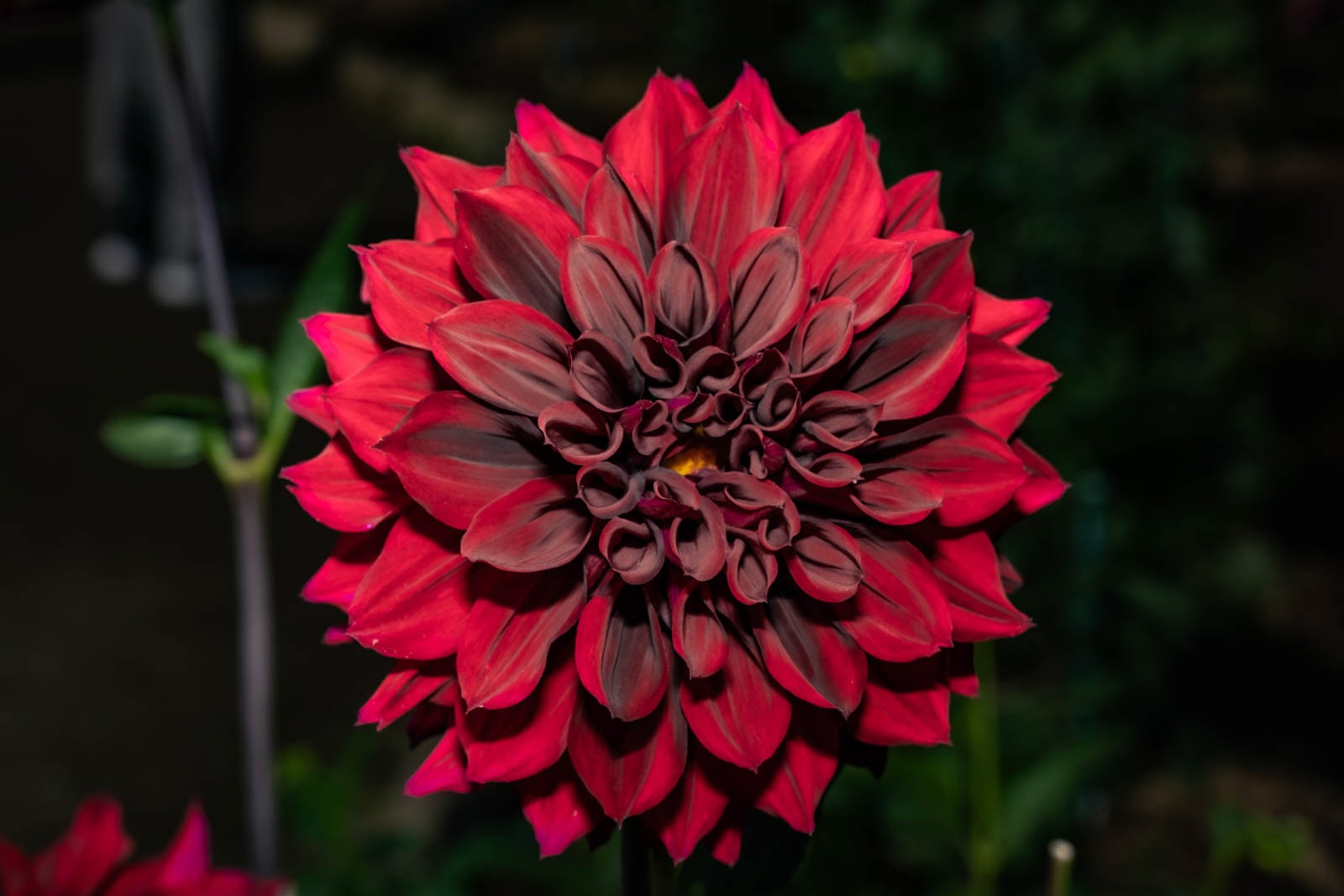
How I used HSS at Jindai Botanical Gardens
My equipment
- I used a Godox V860 II flash with a homemade bounce card.
- I enabled the flash to fire when the camera’s first curtain opened. To do this, check the operating manual.
My camera settings
My base camera settings were:
- Shutter speed 1/8000
- ISO 200
- Aperture f/8.0
Is HSS worth learning?
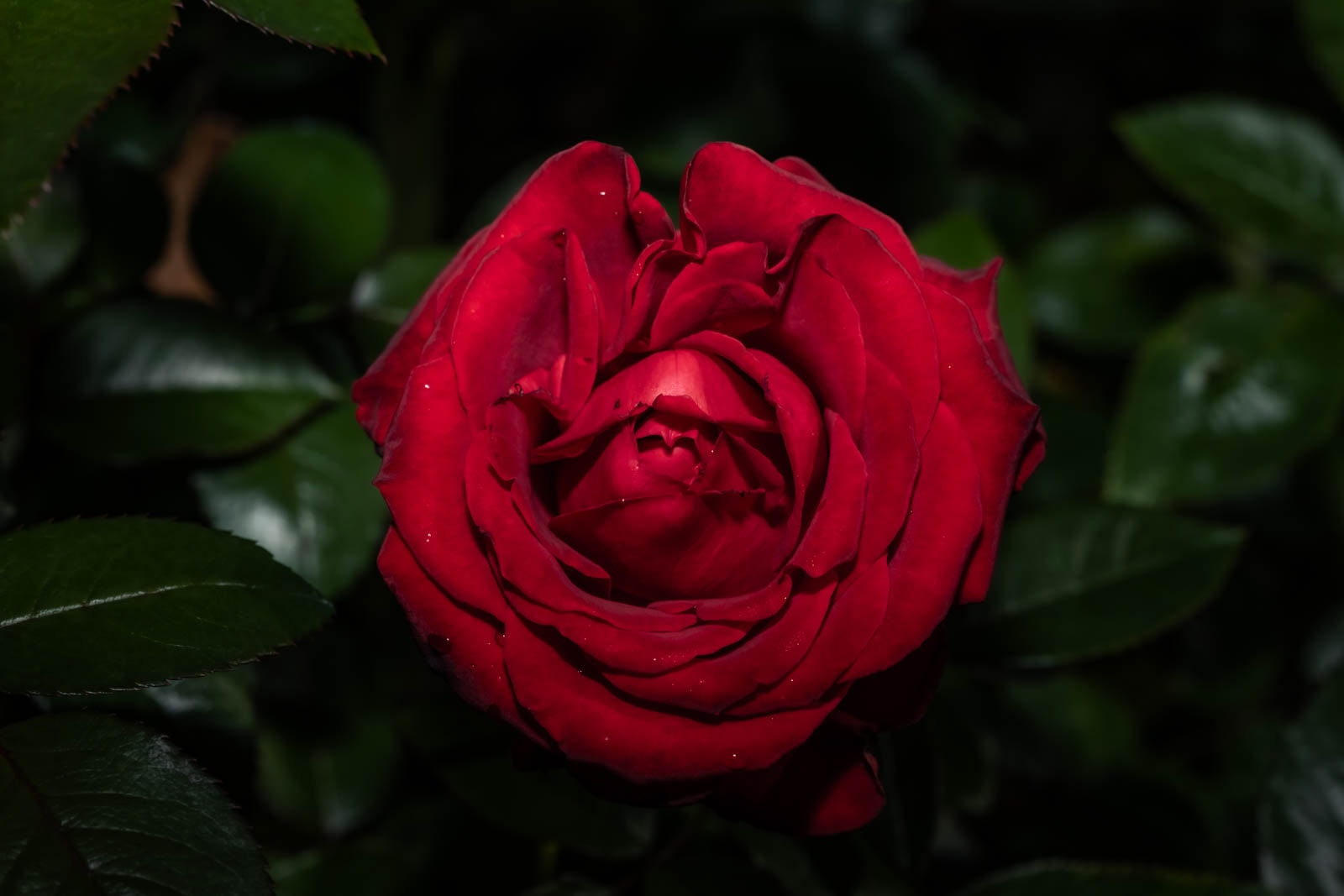
I couldn’t have been happier with the results. As you can see with the rose and dahlia photos, using an HSS flash is a game-changer for controlling harsh ambient light.
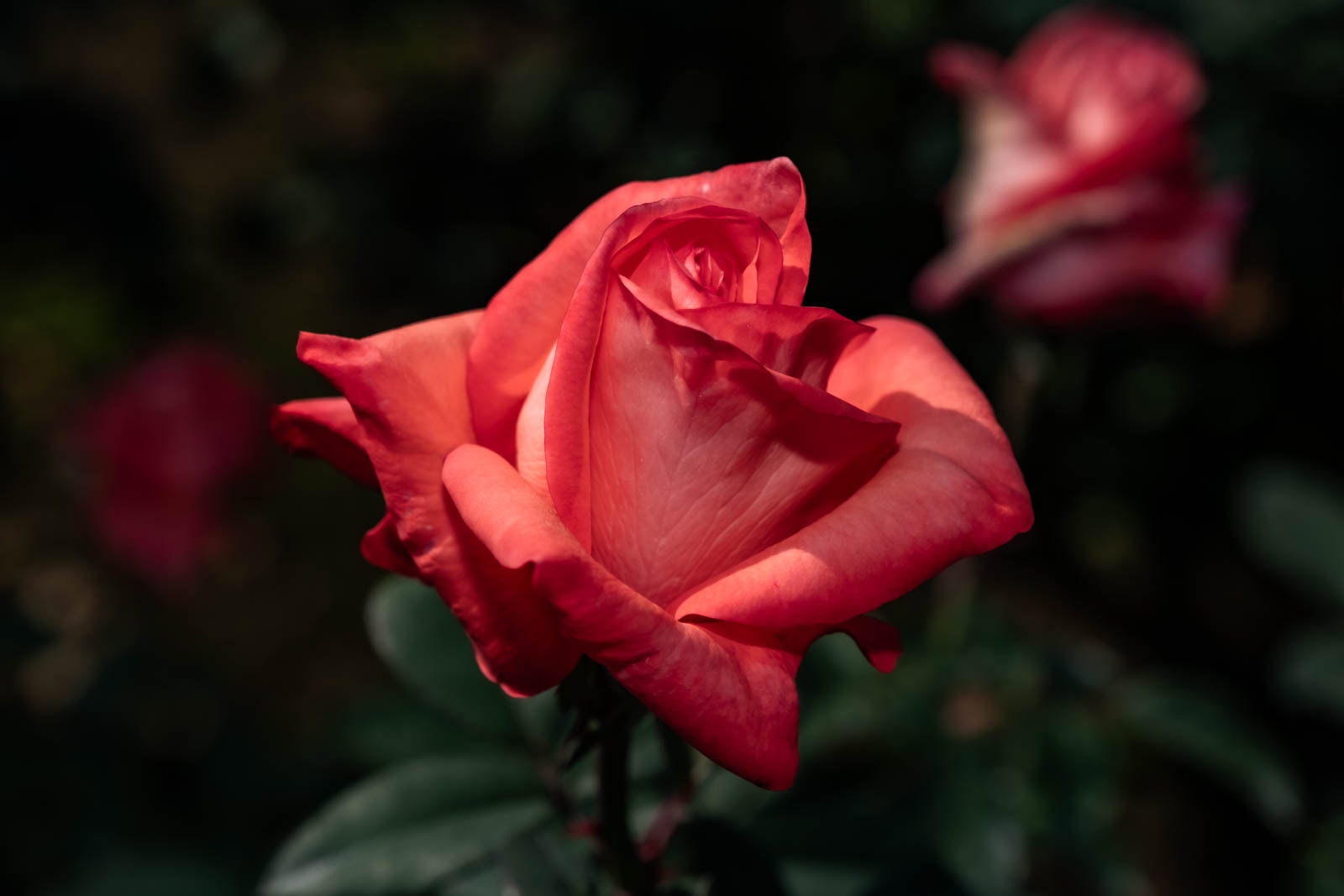
It allows you to bring beautiful, vibrant colors to the forefront while turning a distracting background into a dramatic, dark canvas. If you’ve ever struggled with the midday sun, I highly recommend giving HSS a try.
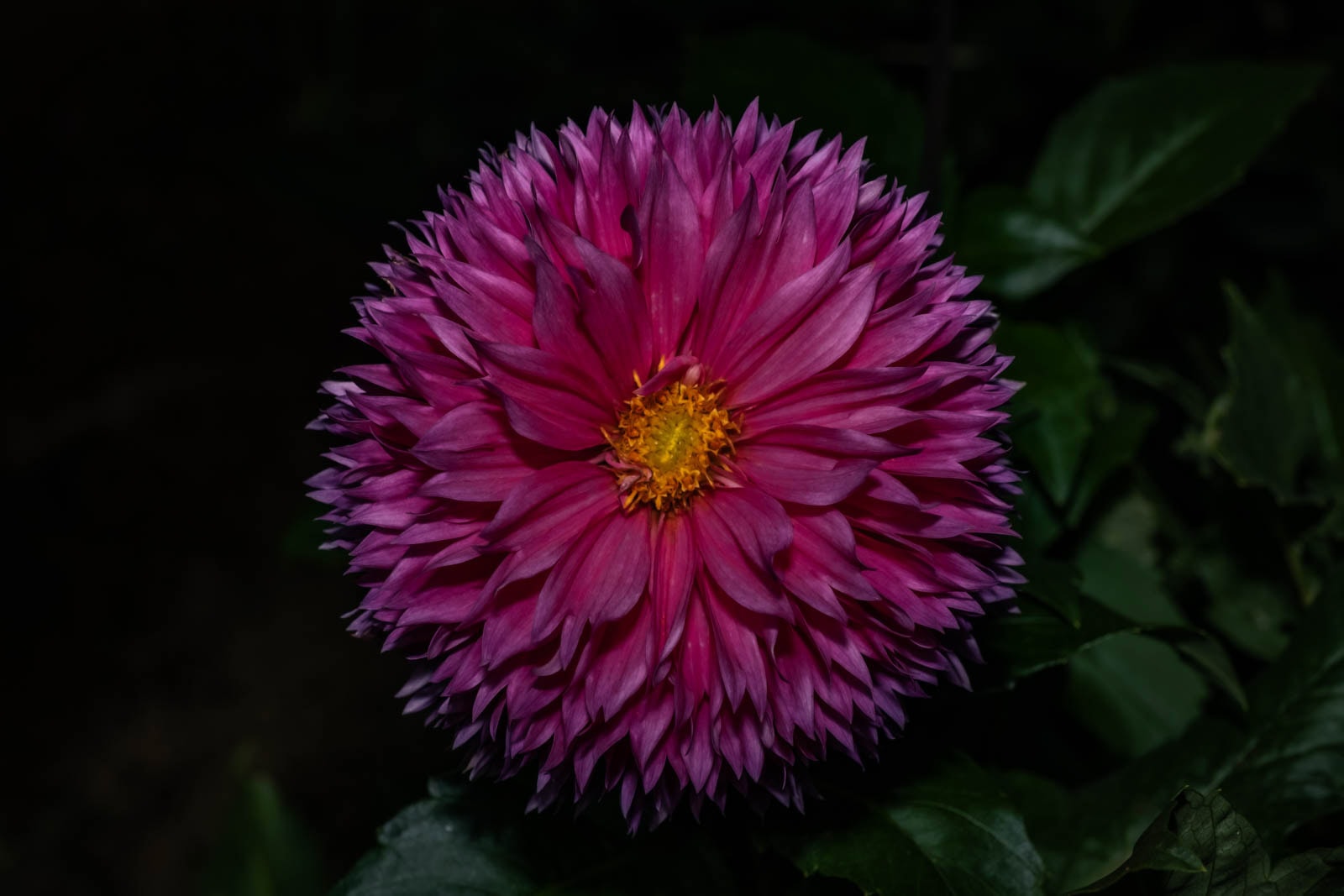
To learn more, read [Jindai Botanical Gardens] with all the information you need to know about the park.


