Railway Museum Photo Guide
Thirty-six locomotives sit under one roof at The Railway Museum (or Tetsudo Hakubutsukan in Japanese) in Saitama. While the collection is extensive, the environment presents some problems for photographers.
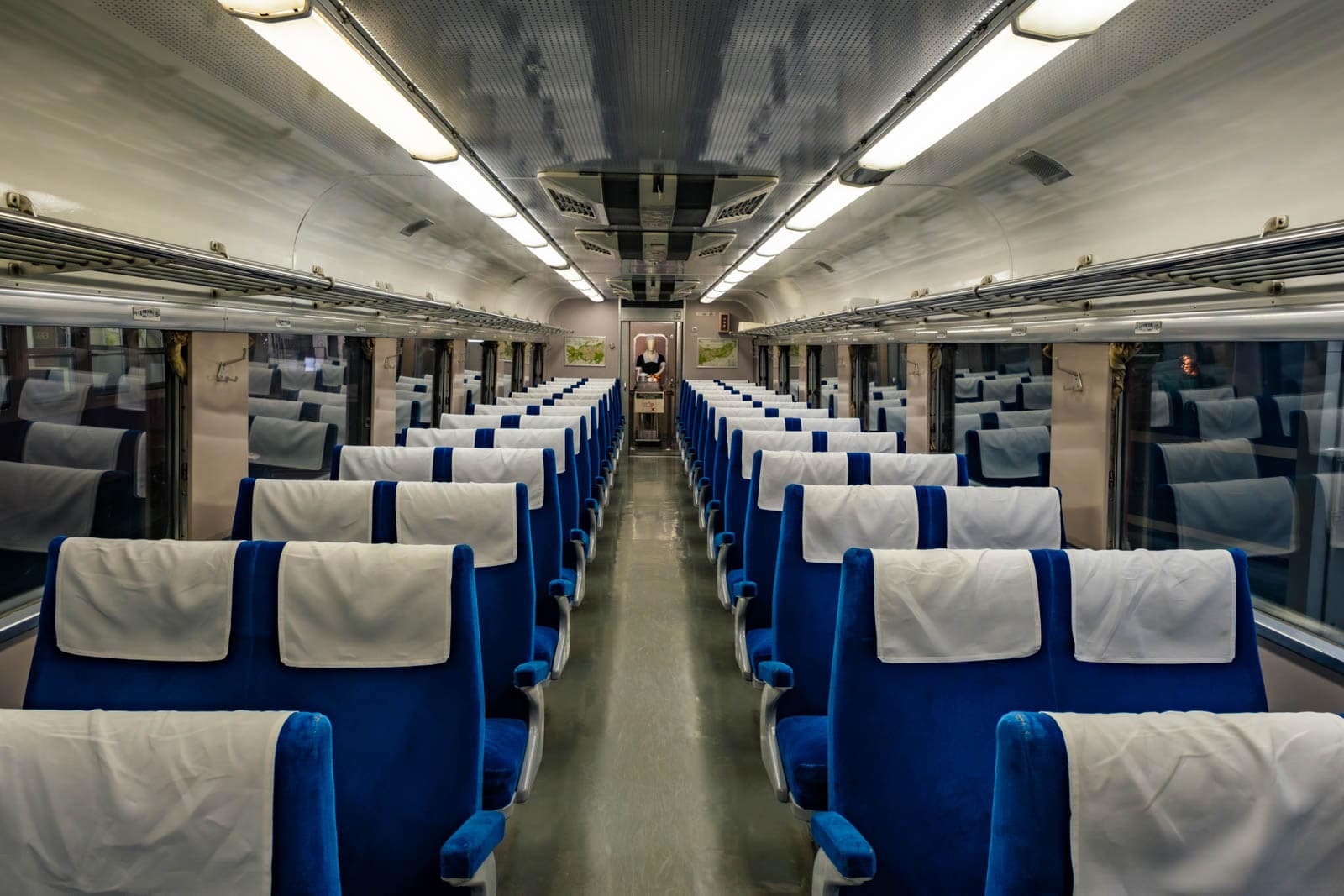
Dim lighting, large-scale subjects, and other visitors are the main problems. Navigating these challenges requires a pragmatic approach to camera settings and composition. Here are some of my tips for photographers to enjoy this one day trip from Tokyo.
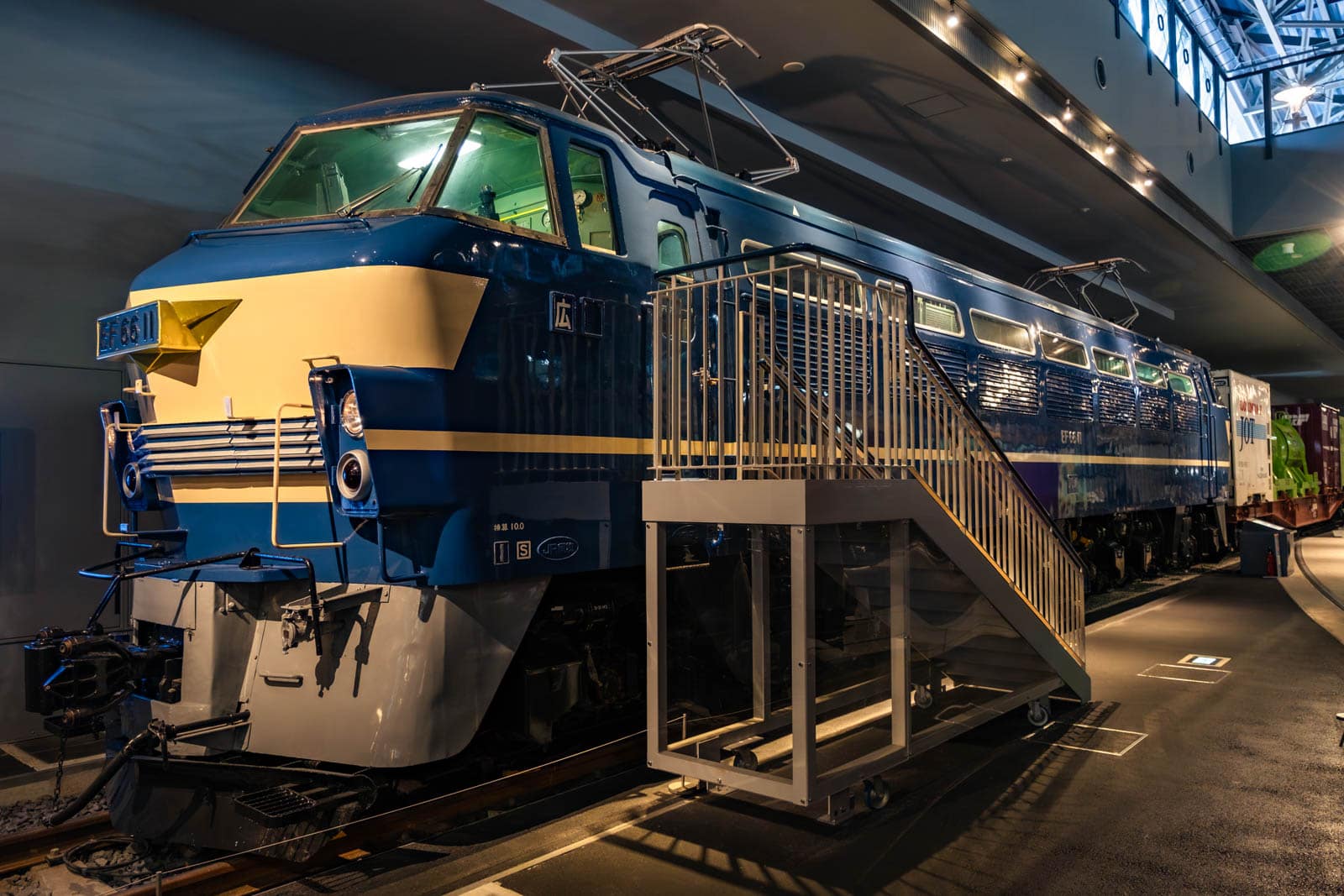
Saitama Railway Museum top trains
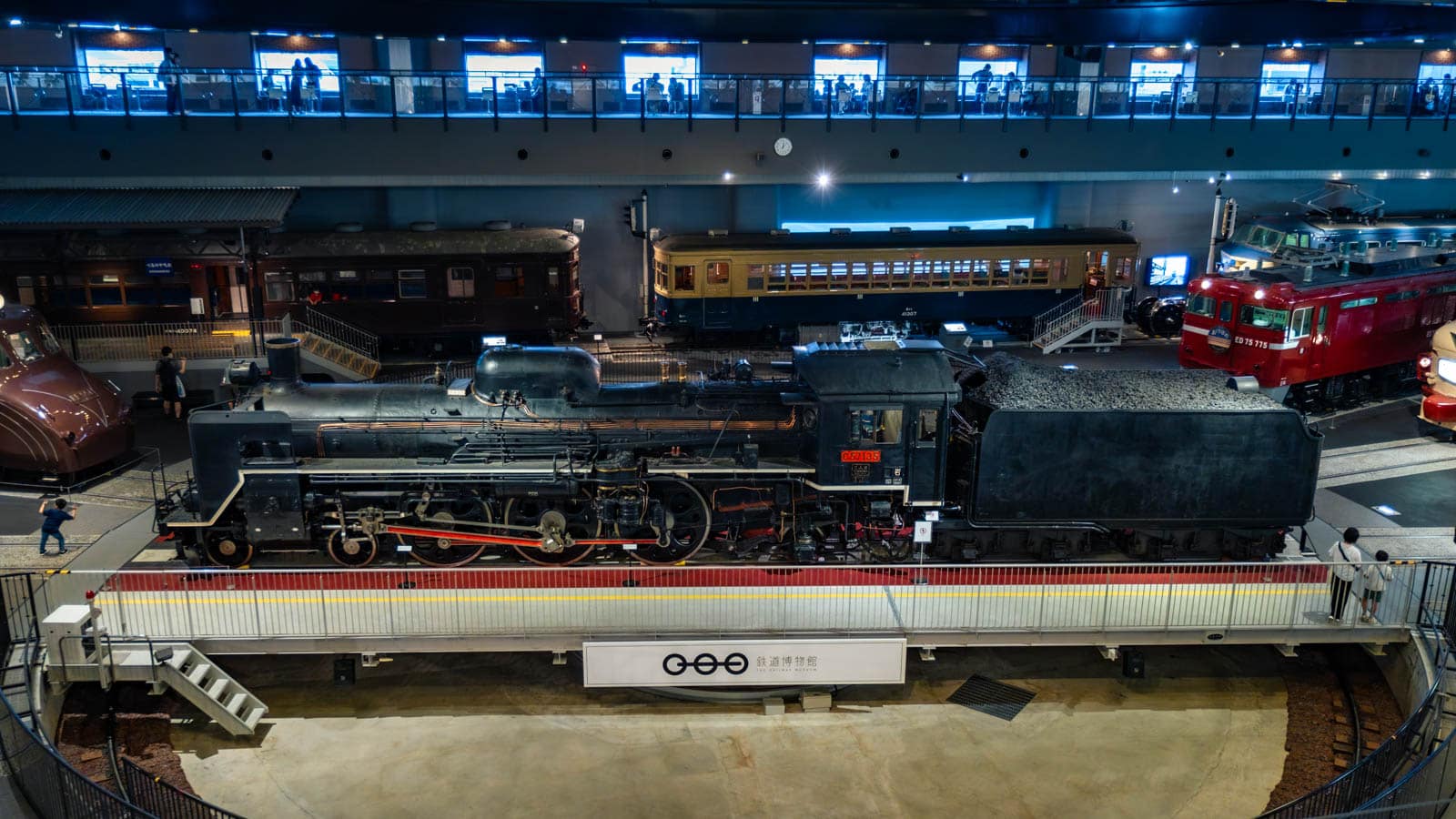
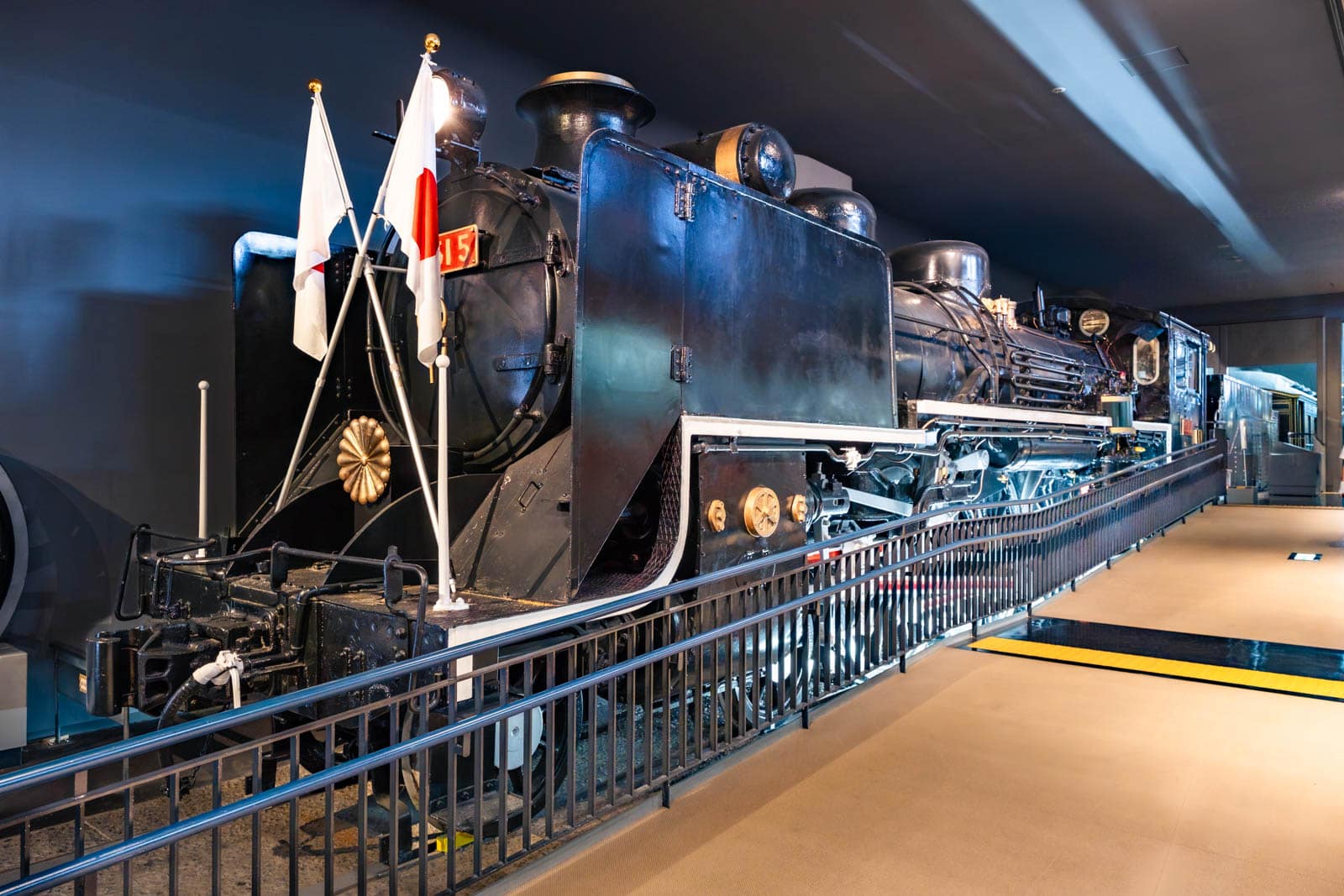
C57 Steam Locomotive
As the centerpiece of the museum, this black locomotive is a specific low-light challenge. The dark, glossy body absorbs light, making it difficult to define edges.
I found that using spot metering on the driving wheels or the builder’s plate helped ensure the mechanical details were captured. A low-angle shot from the front creates an imposing portrait without needing to resort to wide-angle distortion.
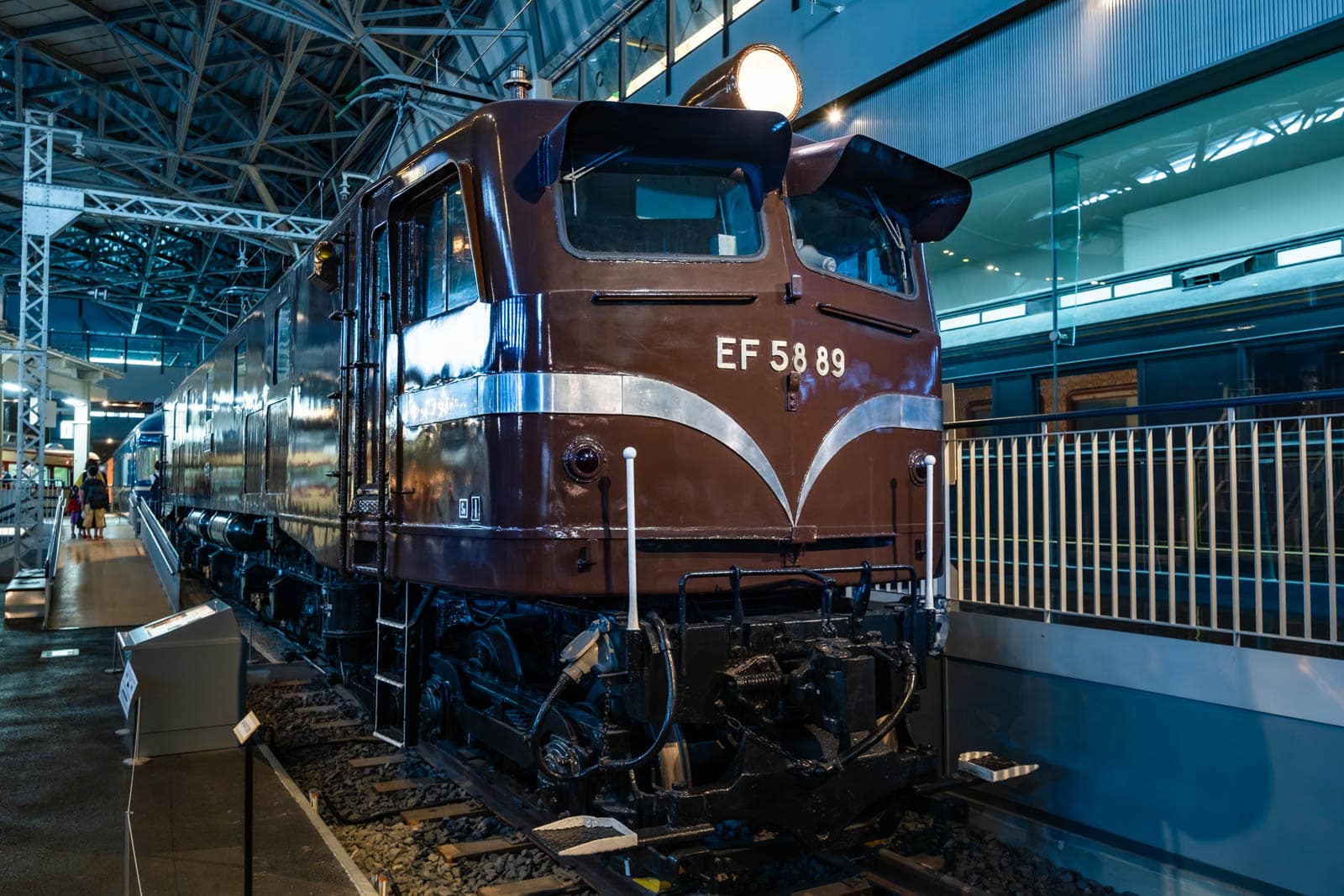
EF58
Introduced in 1946, the EF58 is characterized by its rounded nose and brown paint. To document its length and unique shape, a profile shot is effective.
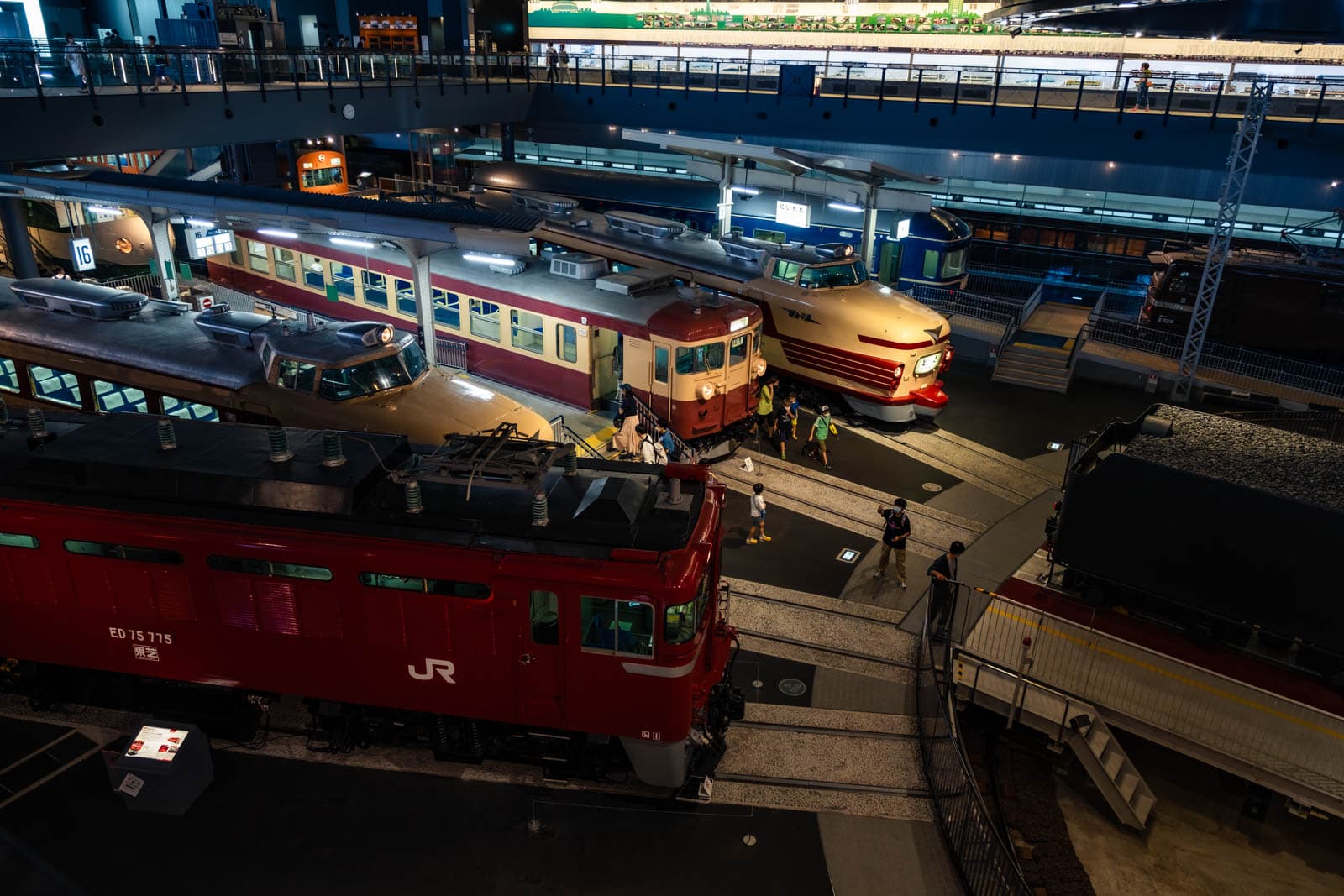
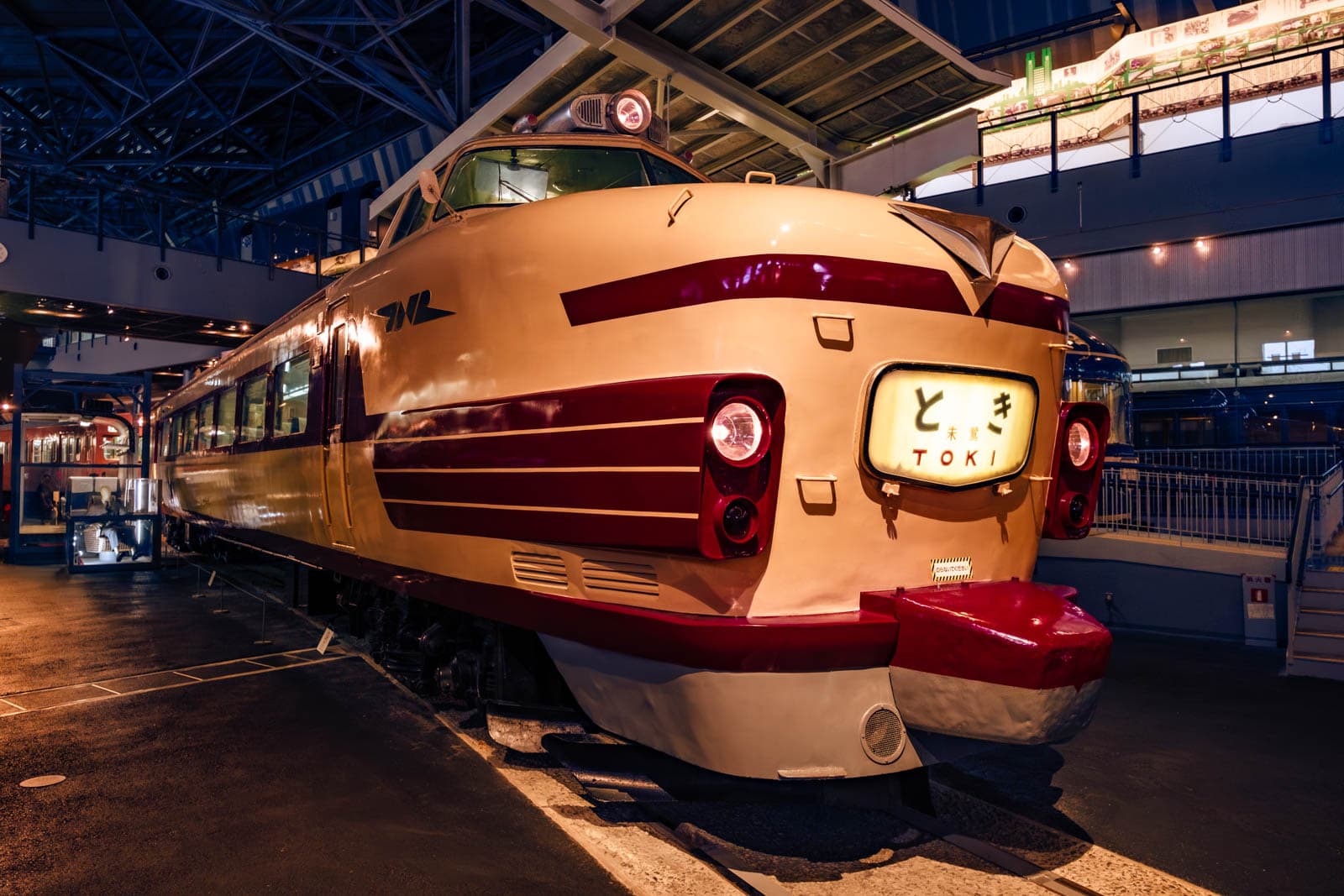
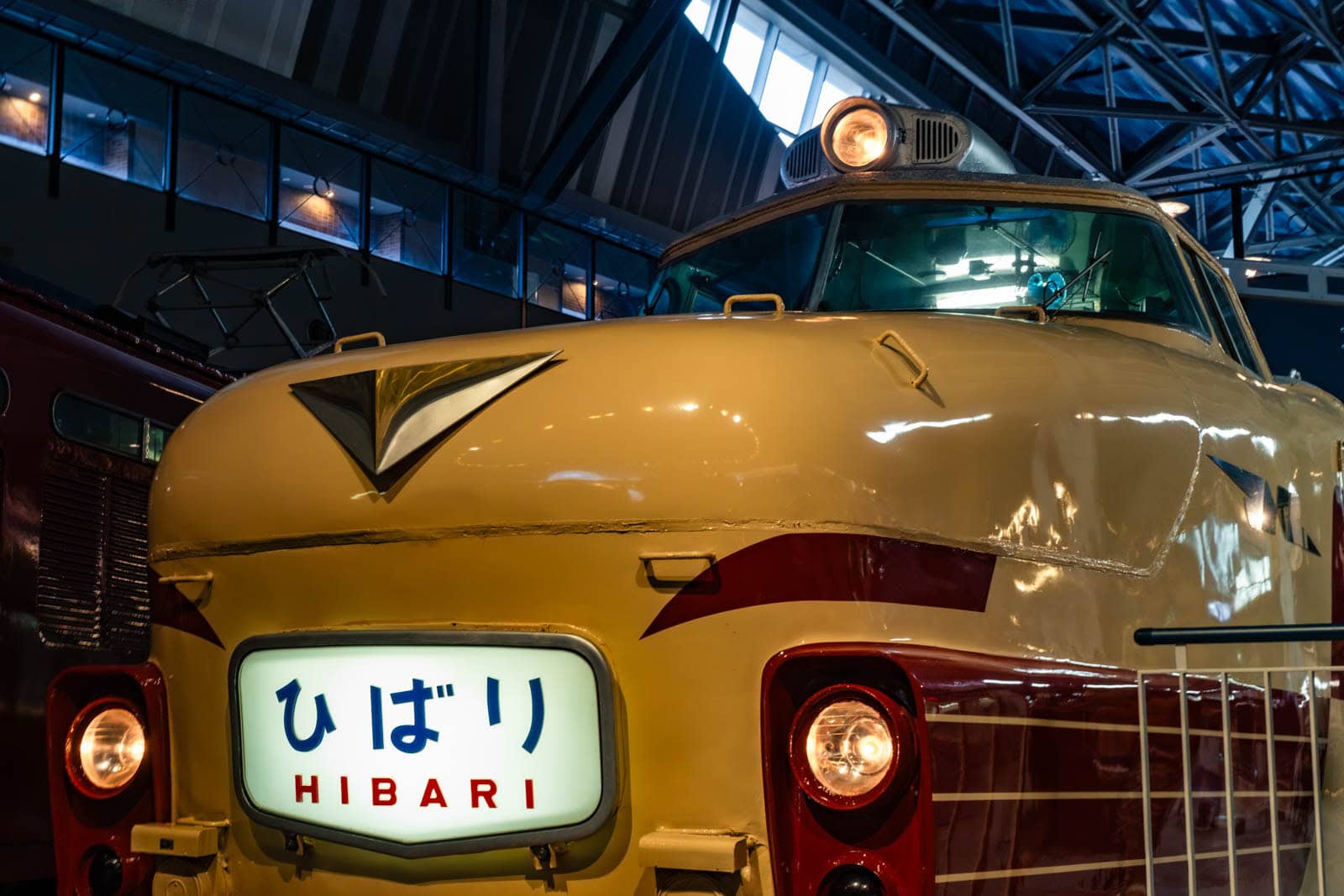
EF66 & Kuha 181
The EF66 was built for heavy cargo, while the Kuha 181 was a 1958 limited express. The Kuha 181 features a distinct red stripe on a cream body. In practice, this stripe works well as a leading line to draw the eye through the frame.
Locomotive No. 1
This engine was imported from England before Japan produced its own trains. The focus here should be on the detailed workmanship, which reflects the early engineering standards of the time.
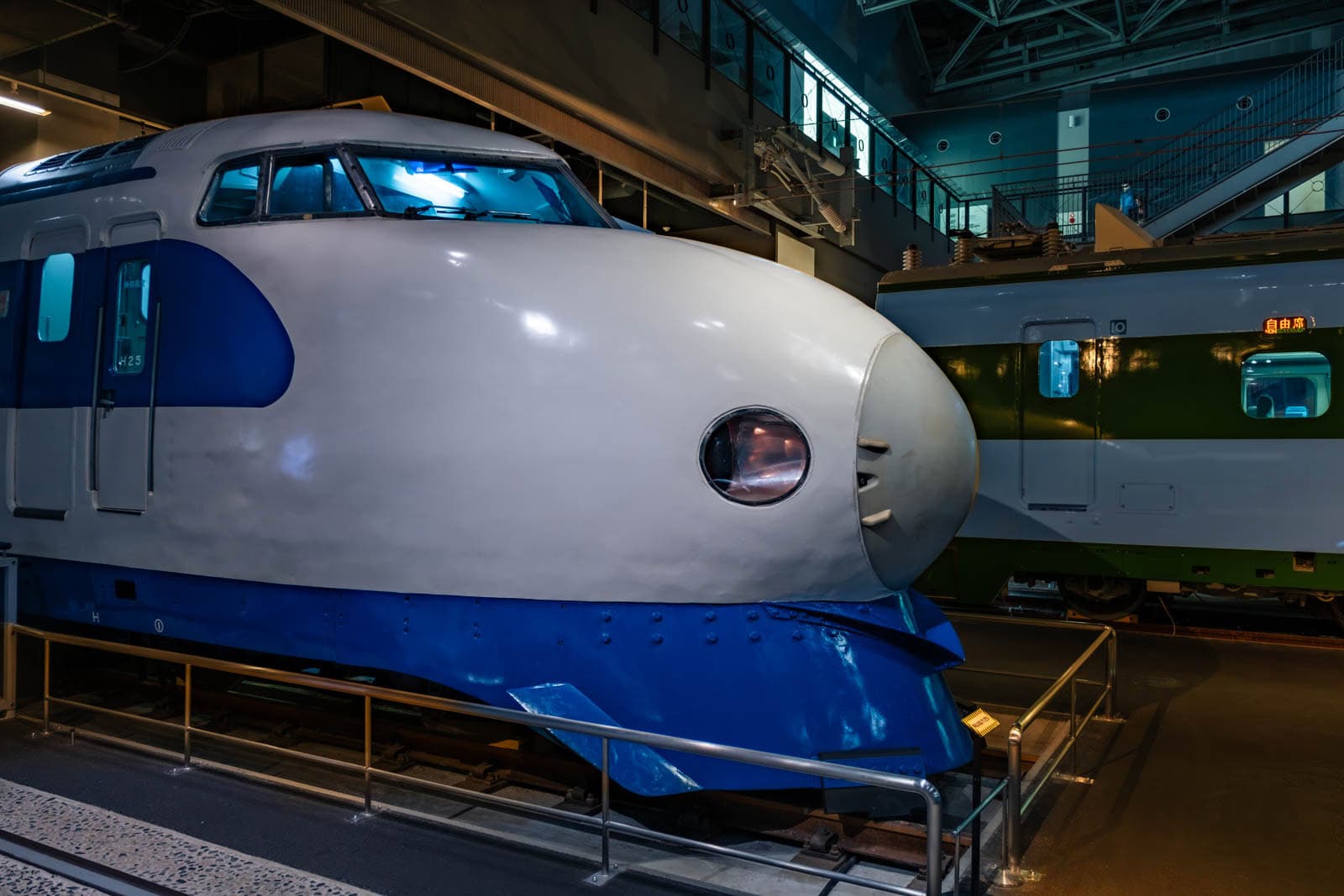
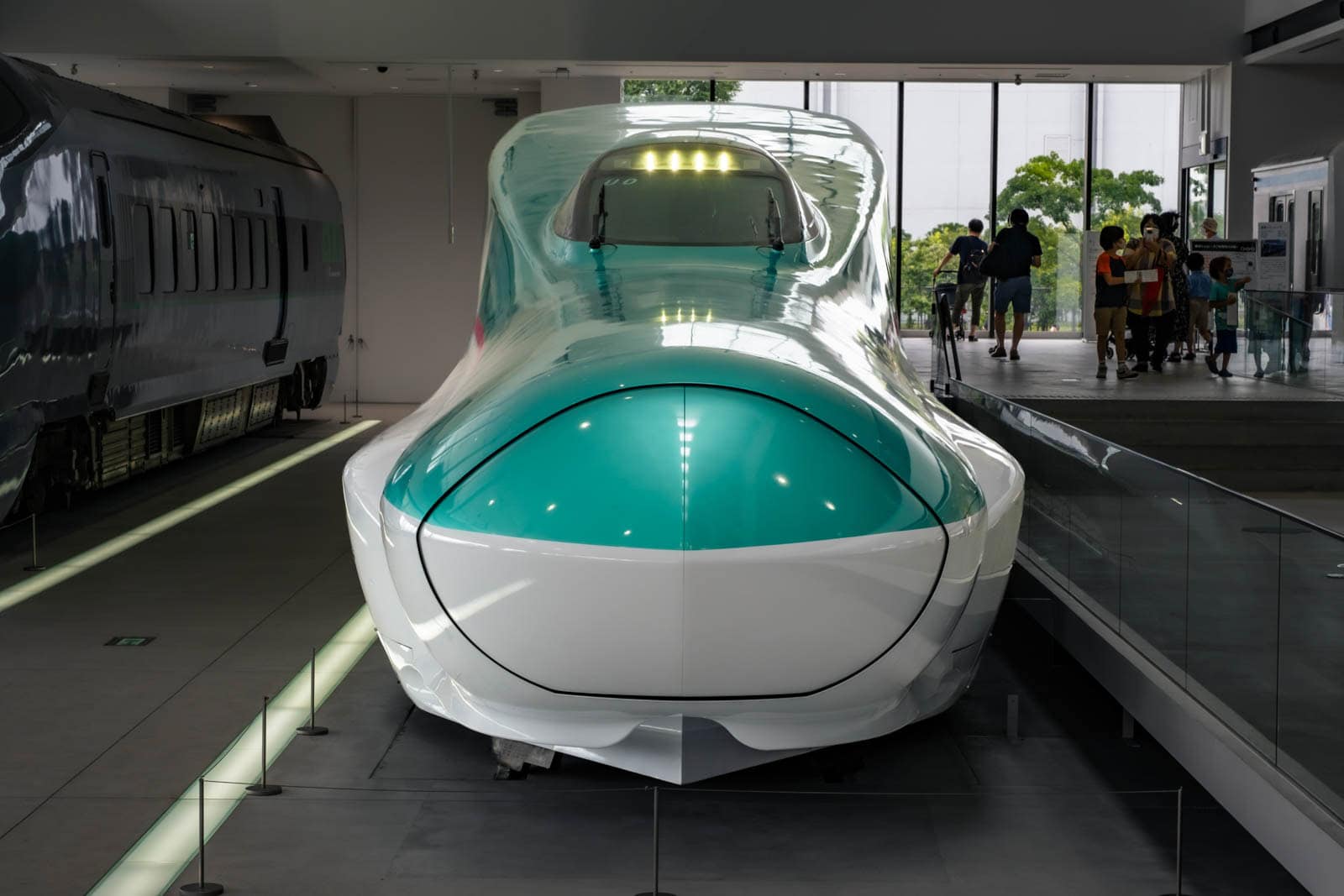
Series E5 Shinkansen
The E5 has operated on the Tohoku Shinkansen line since 2011. Its defining feature is a long, aerodynamic nose. A wide-angle lens can easily distort this shape. Instead, I practiced backing away from the subject and using a standard or telephoto lens (50mm to 100mm) to compress the perspective and capture its actual proportions.
How to photograph the trains
- The History Zone is kept dark to preserve the exhibits. To get the best images, bump up your ISO and use the widest aperture lenses you have.
- Managing the presence of other visitors is part of the process. Because the museum is popular with families, you may need to wait for gaps in foot traffic or allow people to move through your frame.
- The second-floor balcony provides an elevated vantage point. Using a wide-angle lens from this height allows you to document the scale of the main hall and the arrangement of the tracks below.
- Large engines like the C57 create depth-of-field challenges. To keep the subject in focus, you have a few options:
- Utilize the second floor to create distance between you and the train, which naturally increases the depth of field.
- Focus on one specific section of the train and allow the foreground or background to blur.
- On weekdays, a locomotive horn sounds at scheduled times. This is a moment to observe the human element of the museum. Framing the front of the engine and waiting for the blast allows you to document the physical reactions of the people nearby.
Dioramas & Shinkansen decks
The museum offers several other areas for observation:
- HO-Scale diorama: A large model railway where the lighting changes to simulate different times of day.
- Mechanical observation: You can walk beneath certain smaller trains to see the underside of the machinery.
- Miniature driving train: An interactive exhibit on which you can drive a miniature train around a 300 meter long course. Each train carries 3 people. It’s fantastic for kids.
- Shinkansen viewing deck: Located on the third floor, this area overlooks active tracks. Because of local noise regulations, the passing Shinkansen travel slowly, making them easier to track and photograph than they are at full speed.
- Ekiben: Traditional station lunches are available. These can be eaten on designated trains or benches, providing a practical way to experience Japanese rail culture.
Plan your visit to the museum
- Where is the Train Museum? The address is 3-47 Taiseicho, Omiya-ku, Saitama City.
- Take the New Shuttle from Omiya Station to Tetsudo Hakubutsukan Station; the ride takes three minutes.
- Opening hours: 10 a.m. to 5 p.m. (Last entry 4:30 p.m.).
- Admission costs: ¥1500 for advance (online) tickets; ¥1600 at the counter.
- Language: Most displays have limited English. It’s a good idea to download the museum’s multi-lingual app to access information while walking through the exhibits.
- For more information, consult the official Railway Museum website.
- Here is the museum on Google Maps:
Is the Railway Museum worth it?
Photographing the Railway Museum is an exercise in technical patience. The dim light and size of the locomotives requires some thought and gear choices. By focusing on the physical details of the Shinkansen and historic engines, you can move beyond snapshots and create a documented record of the history and engineering of Japanese rail.