Sanja Matsuri 2018: Photos from Sensoji
This post focuses on my photographic experience at Sanja Matsuri 2018. If you are planning a future trip to the event, check out my [Sanja Festival: A Photographer’s Guide] for full information.
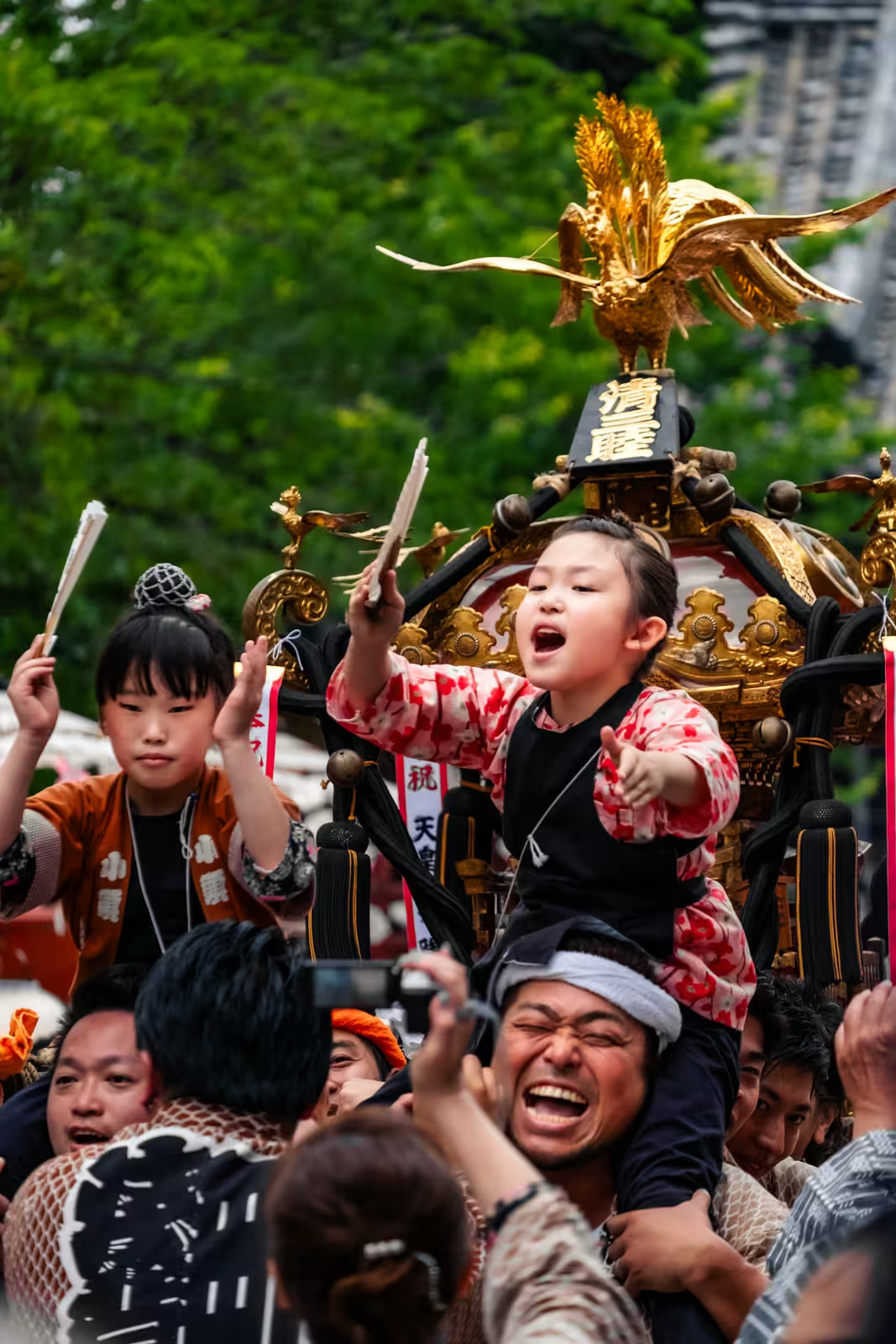
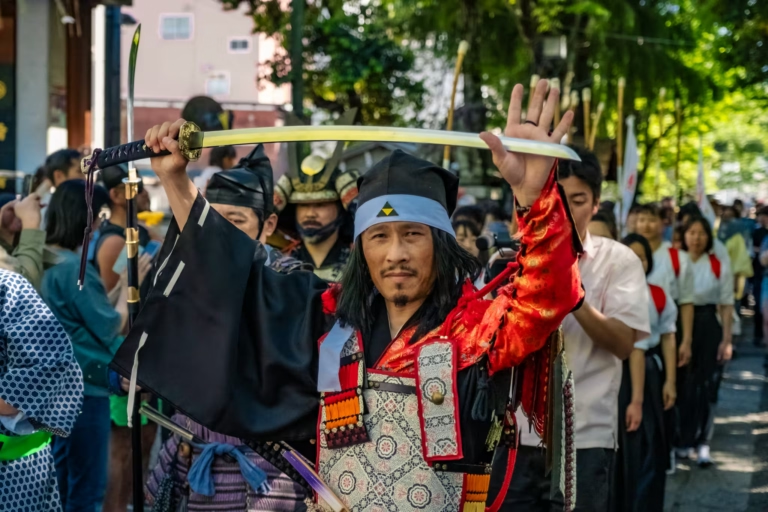
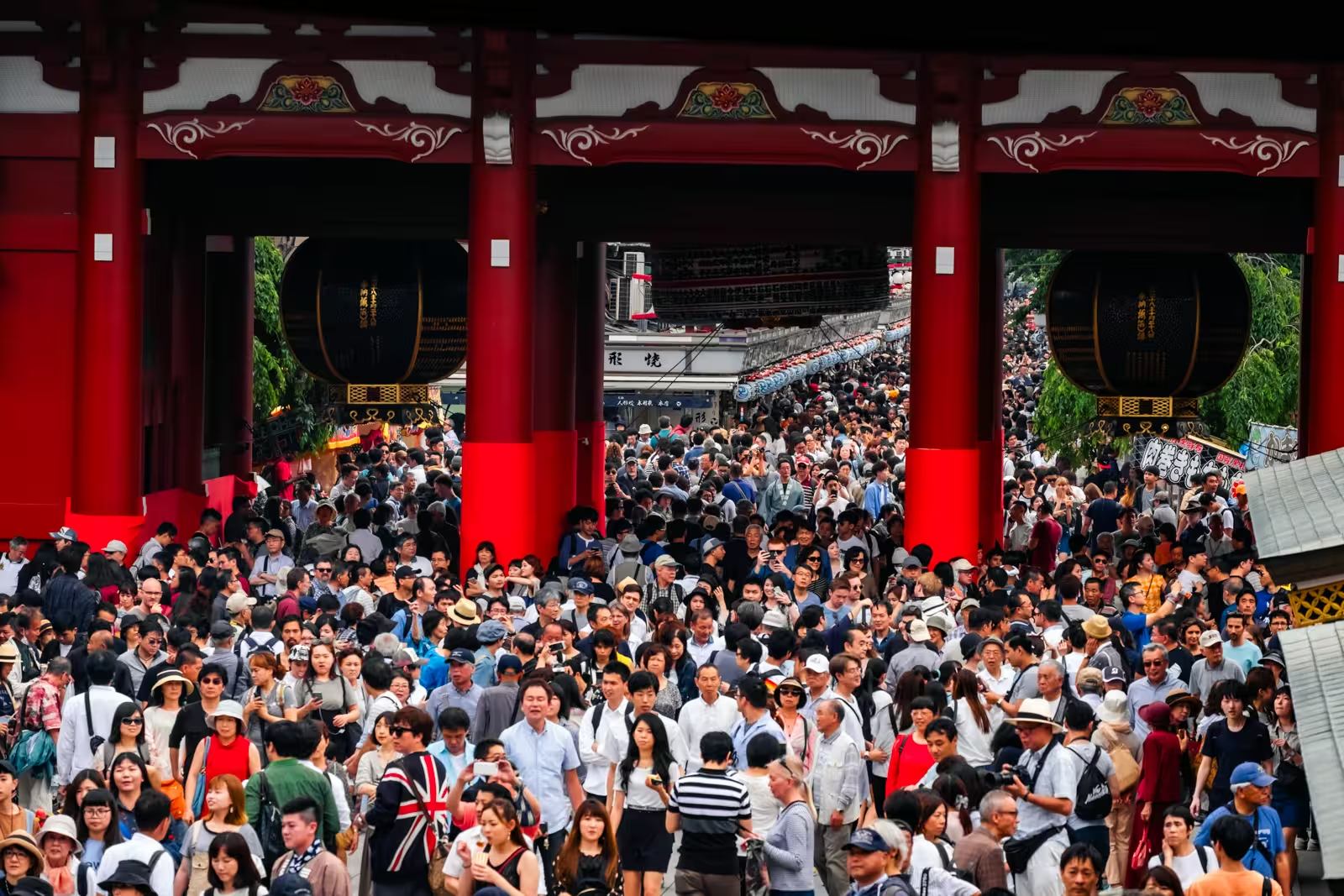
For years, work obligations kept me away from experiencing the Sanja Matsuri on a Saturday. 2018 finally broke that streak, and it was well worth the wait. While I had been to the festival many times before, this occasion was a revelation, teaching me new aspects of one of Tokyo’s most significant events. Of course, one thing hadn’t changed: the density of the spectators. “Ginormous” might be the only word fitting enough to describe the crowds that descend upon Asakusa.
The scale of Sanja Matsuri
To understand the magnitude of this event, you have to look at the numbers. The festival revolves entirely around the mikoshi (portable shrines). Approximately 100 of them come from various local neighborhoods, all touring the streets to bring good fortune to the community.
It is important to distinguish the rhythm of the weekend. Sundays are famous for the three colossal mikoshi belonging to Asakusa Shrine. These massive structures approach the Kaminarimon Gate, where bearers hoist them as high as possible in a display that is as noisy as it is exhilarating. However, my focus this time was the unique atmosphere of Saturday.
As for the number of visitors, around 1.5-2 million people attend the event over its three days. That makes it huge. The local economy must get a huge boost.
Shooting the Saturday experience at Sensoji
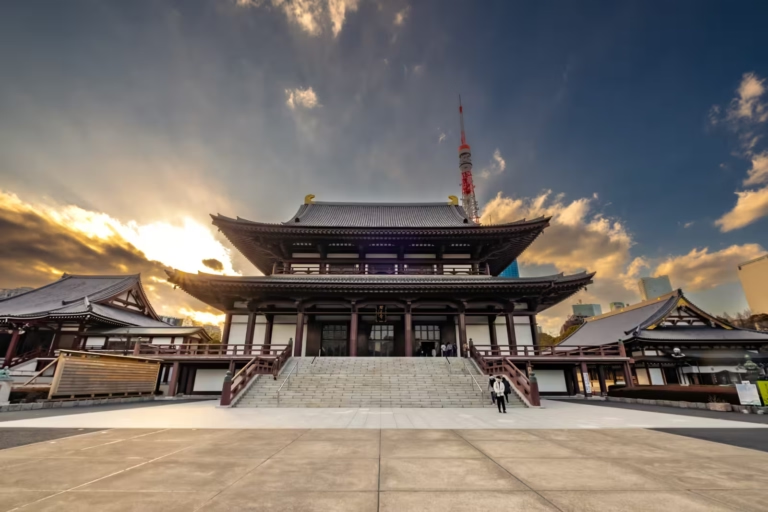
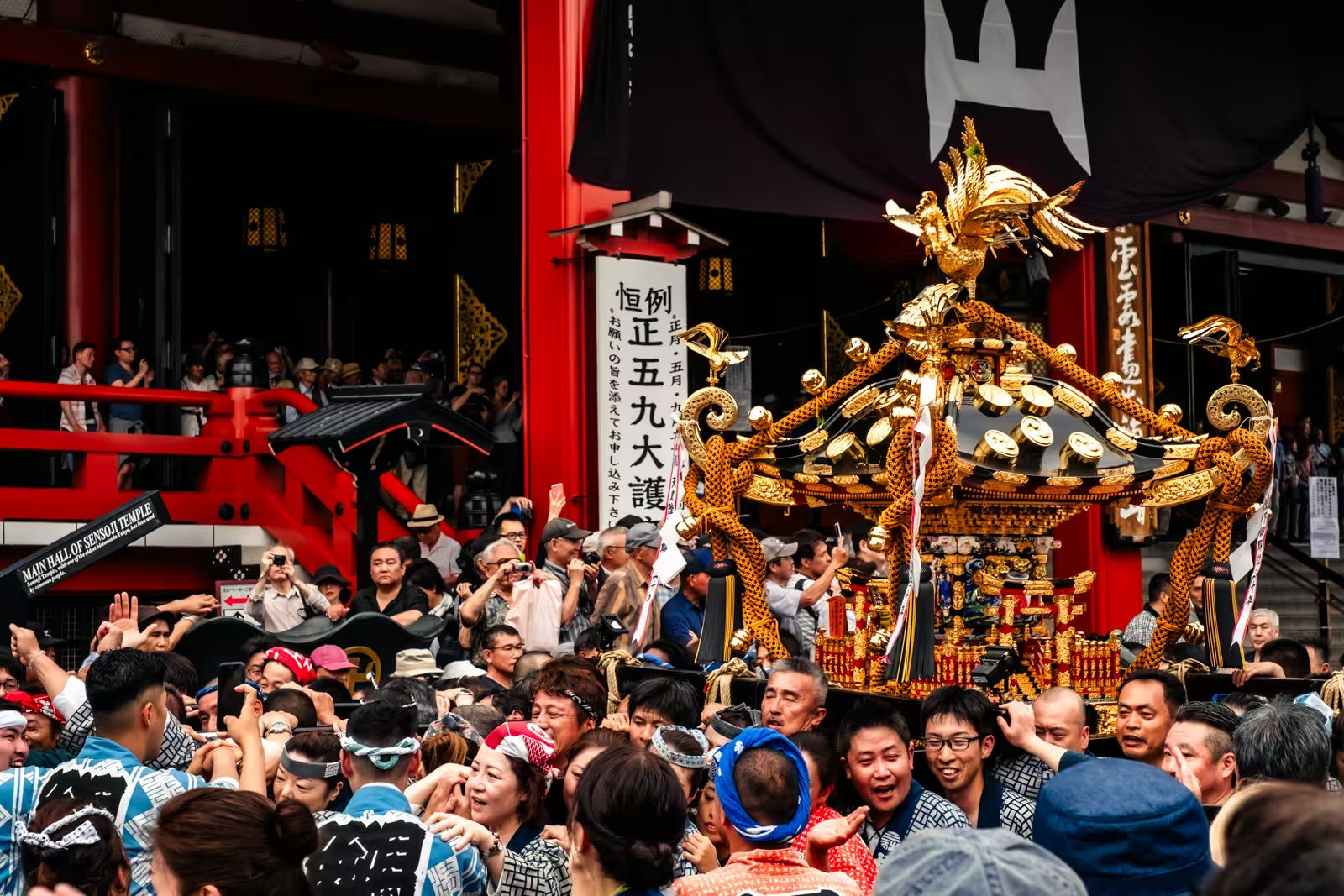
On Saturday, the action concentrated heavily around the grounds of Asakusa Shrine and Sensoji Temple. Watching the flow of the procession, I observed some mikoshi returning from the neighborhoods through the famous Hozo Gate. Others streamed in through the entrances.
Once inside the temple grounds, the mikoshi were carried to the back of the temple and placed on blocks. This offered a brief respite for the bearers. They got a well-deserved break given the physical exertion involved, while the crowd milled about, seizing the opportunity to take photos of the ornate shrines at rest.
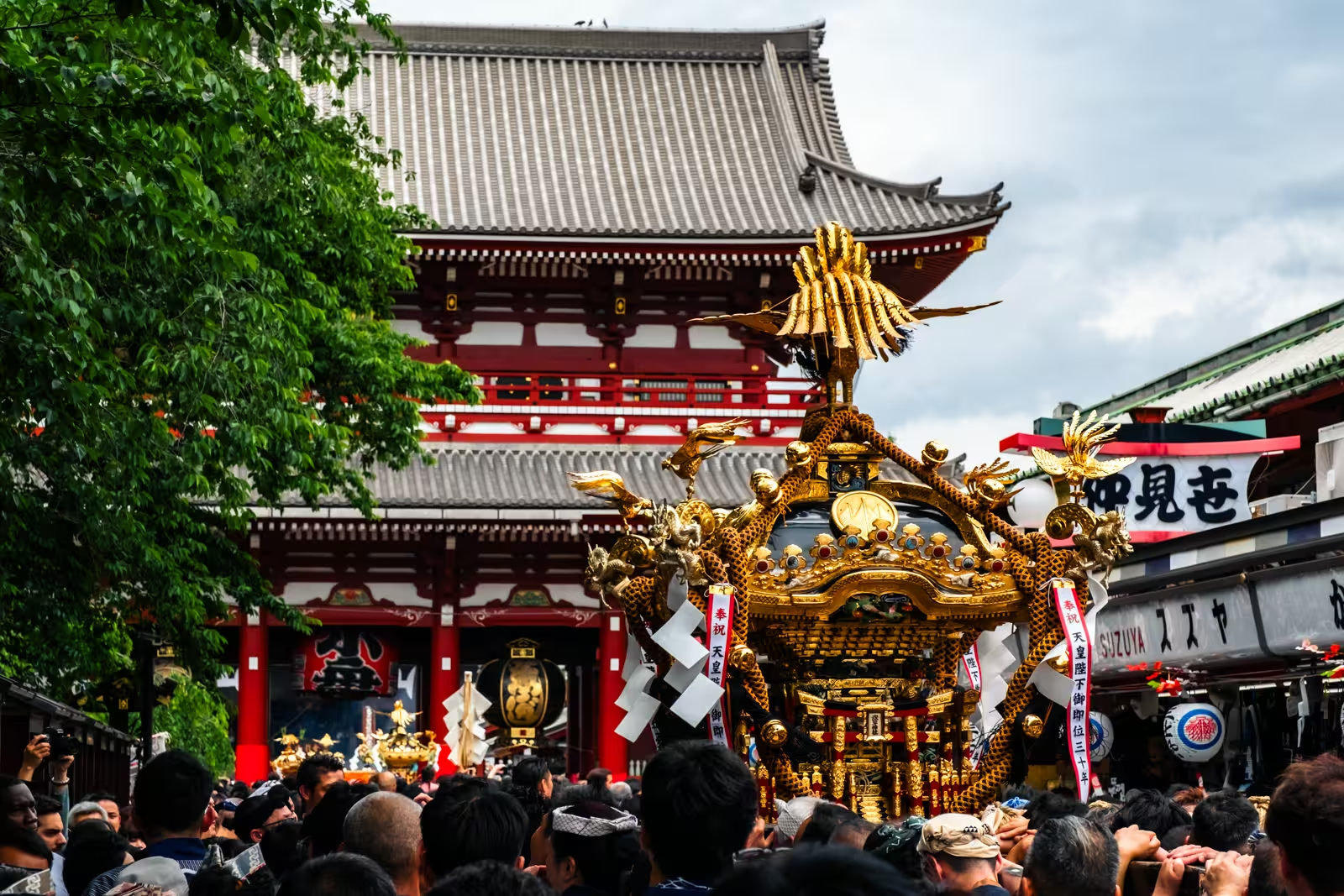
The blessing ceremony
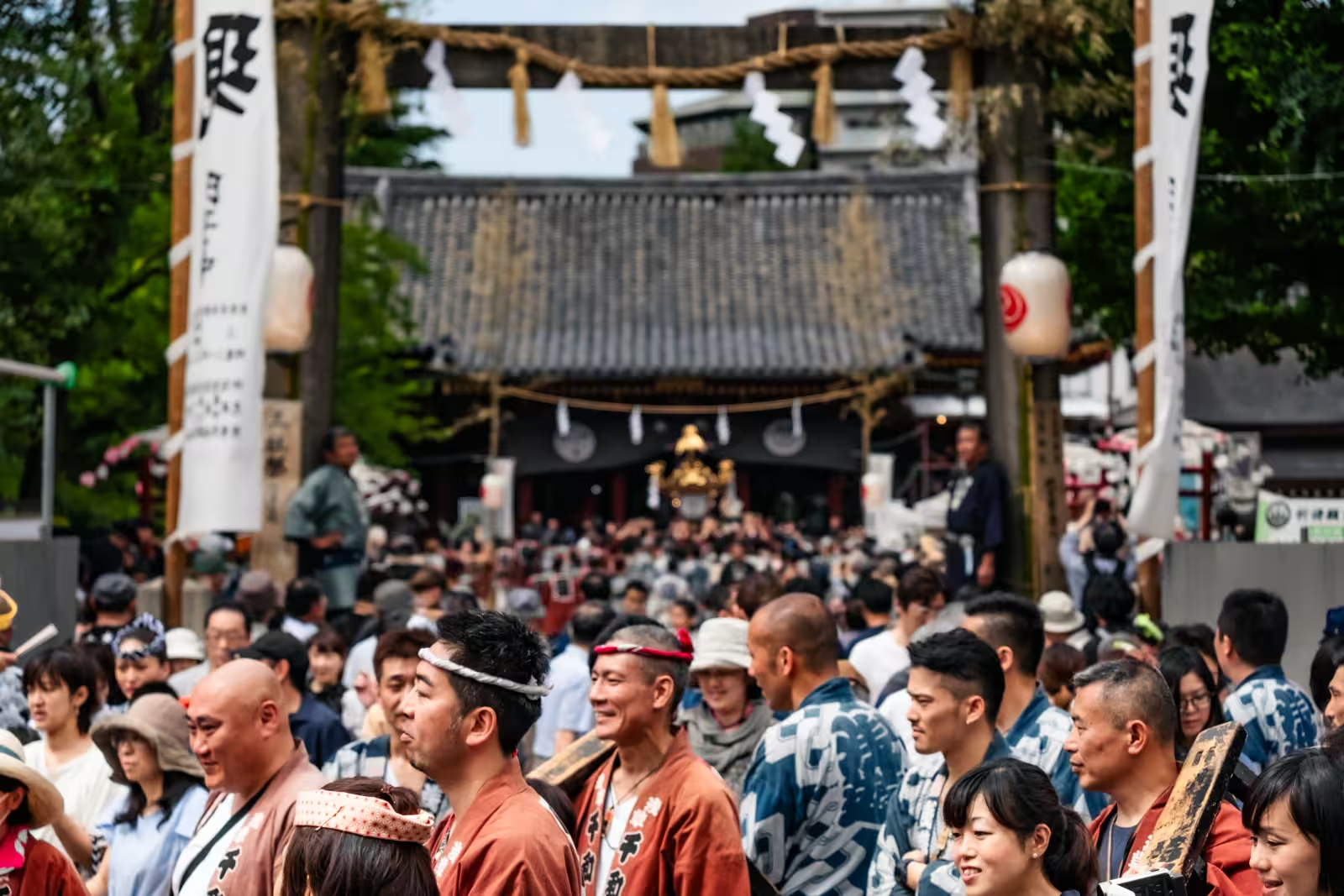
At 1:30 p.m., the energy shifted. The crews hoisted the mikoshi once more, carrying them to Asakusa Shrine to receive a priest’s blessing before restarting their neighborhood tours.
I positioned myself behind the torii (gate) at the entrance, which turned out to be the perfect vantage point. From only fifty meters away, I watched the priests perform the blessings. As the processions made their way out, they passed within centimeters of where I stood. It was a little scary as the people carrying the mikoshi were only centimeters away from my camera.
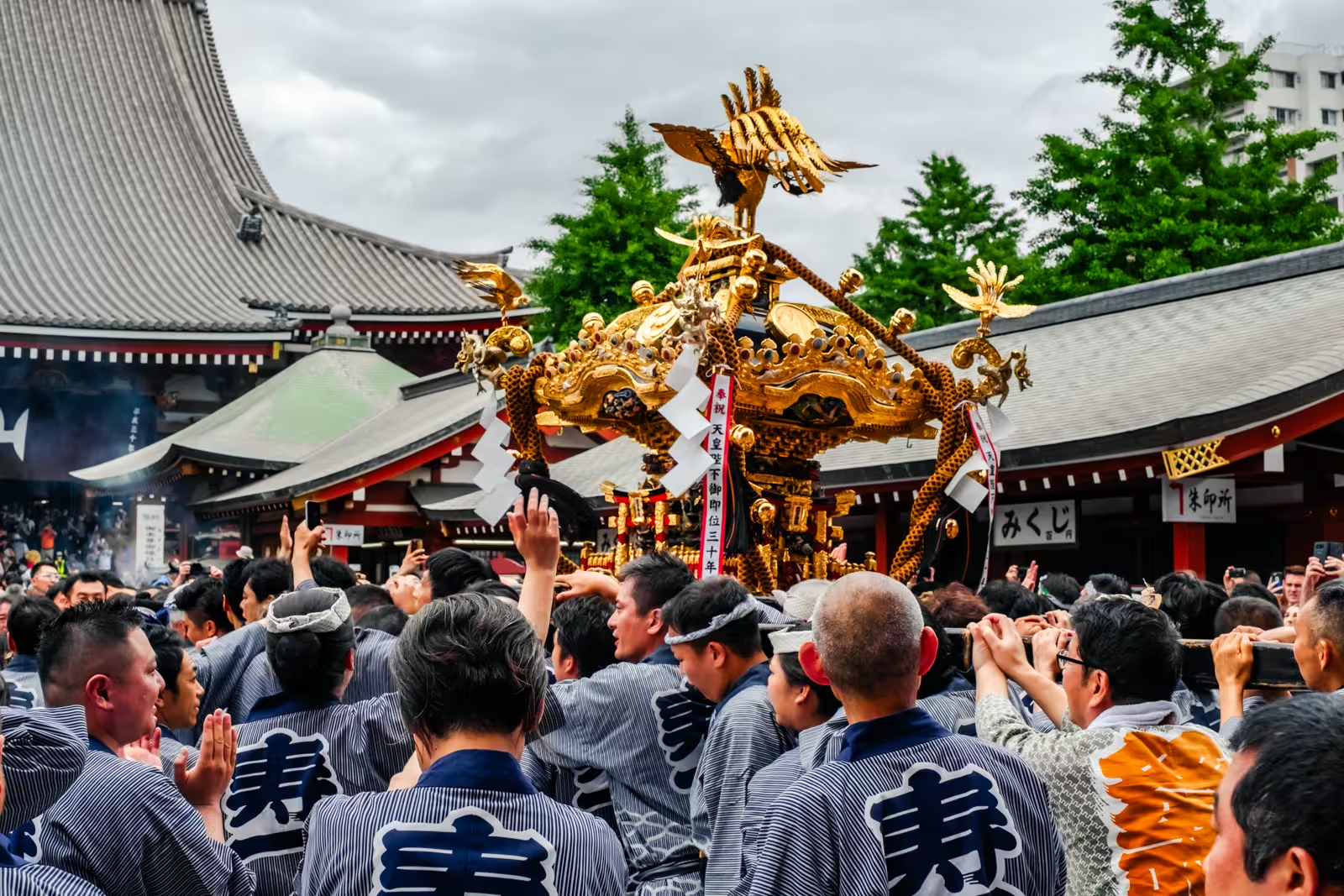
Photography tips and safety
The Sanja Matsuri mikoshi are immense, weighing nearly a ton. They are supported on long poles by roughly forty people who bounce the shrine rhythmically on their shoulders.
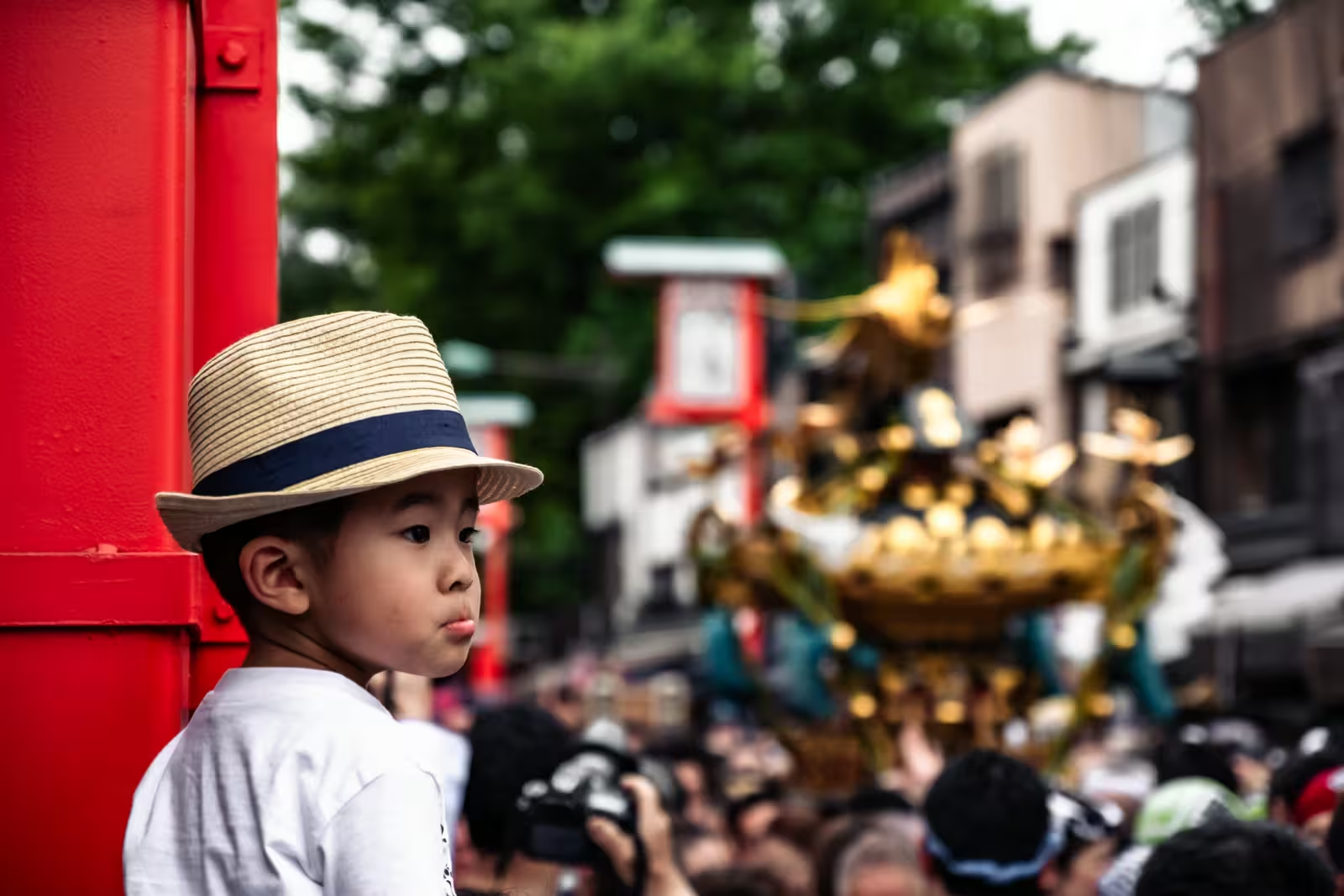
For photographers, getting close is essential for impact, and generally, no one will complain if you move in to get the shot. However, situational awareness is paramount. With heavy timber moving erratically and adrenaline-fueled bearers moving through dense crowds, bumping into someone can quickly create a dangerous situation. Always know where you are.
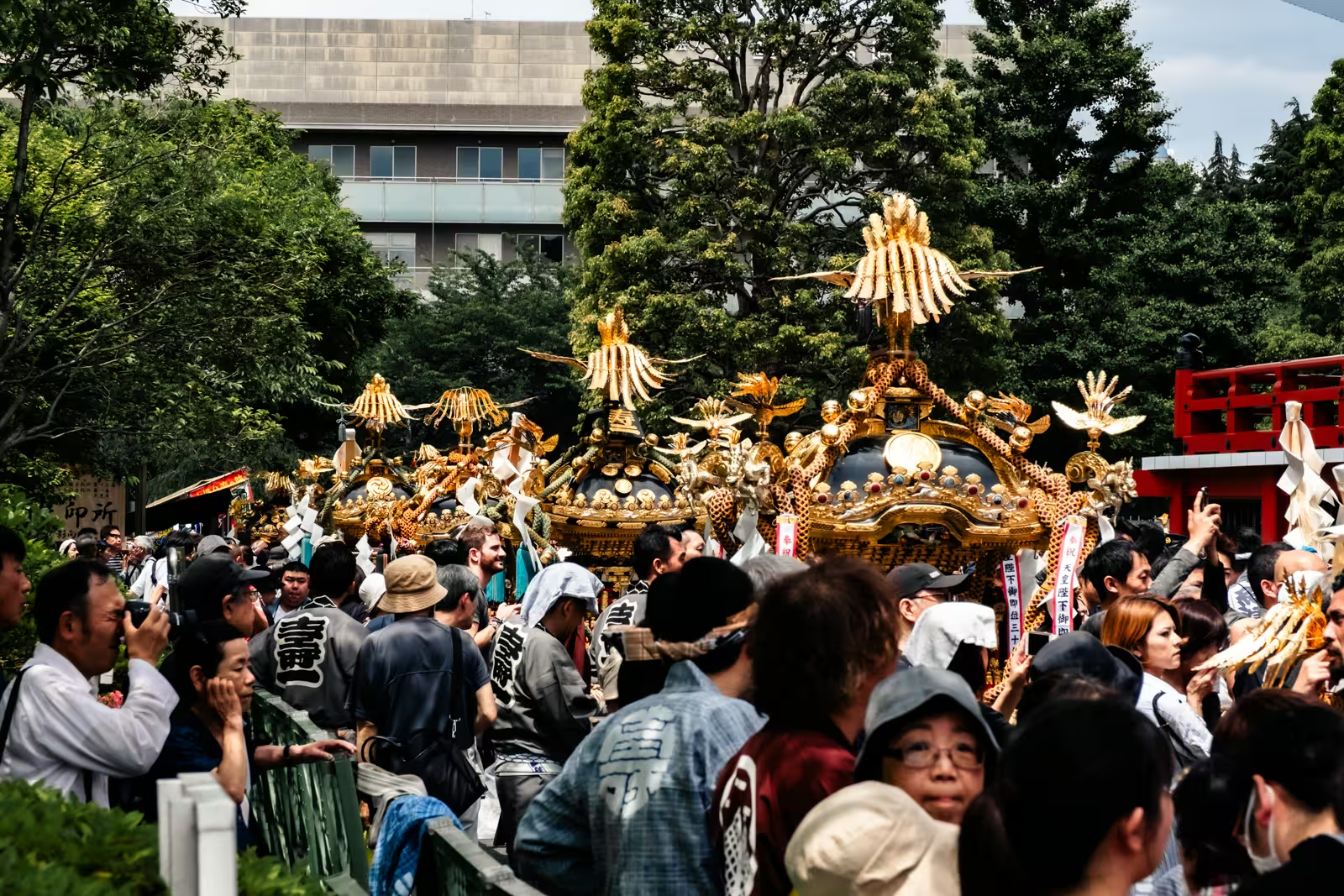
Why you should stay until the end
Reflecting on the day, my only regret is not staying until the very end. I made the mistake of heading home early, as I wanted to sort and edit the 1,600+ images I had on my SD card. I now realize that was a mistake. The Sanja Matsuri is held only once a year for three days, and I should have soaked up every moment. Maybe I could have gotten better photographs. Fortunately, the festival is annual.
Summary and key takeaways
The Sanja Matsuri remains one of Tokyo’s most dynamic cultural events. For photographers and travelers visiting Asakusa, here is what you need to know:
- Timing matters: Saturday offers a different experience than Sunday; Saturday focuses on the neighborhood mikoshi gathering at the shrine. The Sunday features the three main shrine mikoshi.
- Positioning is key: For the best views of the blessings, position yourself near the Asakusa Shrine entrance torii.
- Stay as long as possible: The thought of processing photos or sightseeing over places might tempt you to cut your visit short. The energy of the festival changes throughout the day.
- Safety first: Be hyper-aware of your surroundings when photographing near the moving shrines.
- If you want to see more photos of this event look at [Sanja Matsuri 2017 Photo Journal from Asakusa].
- For further information about the festival, consult the official Asakusa Shrine website.
Photography gear for this shoot
- Camera body: Fujifilm X-T2
- Lenses:
- Fujifilm XF 16-55mm F2.8 R LM WR
- Fujifilm XF 55-200 mm f/3.5-4.8 R LM OIS