Yushima Tenjin: A Photo Guide to Tokyo’s Plum Blossom Shrine
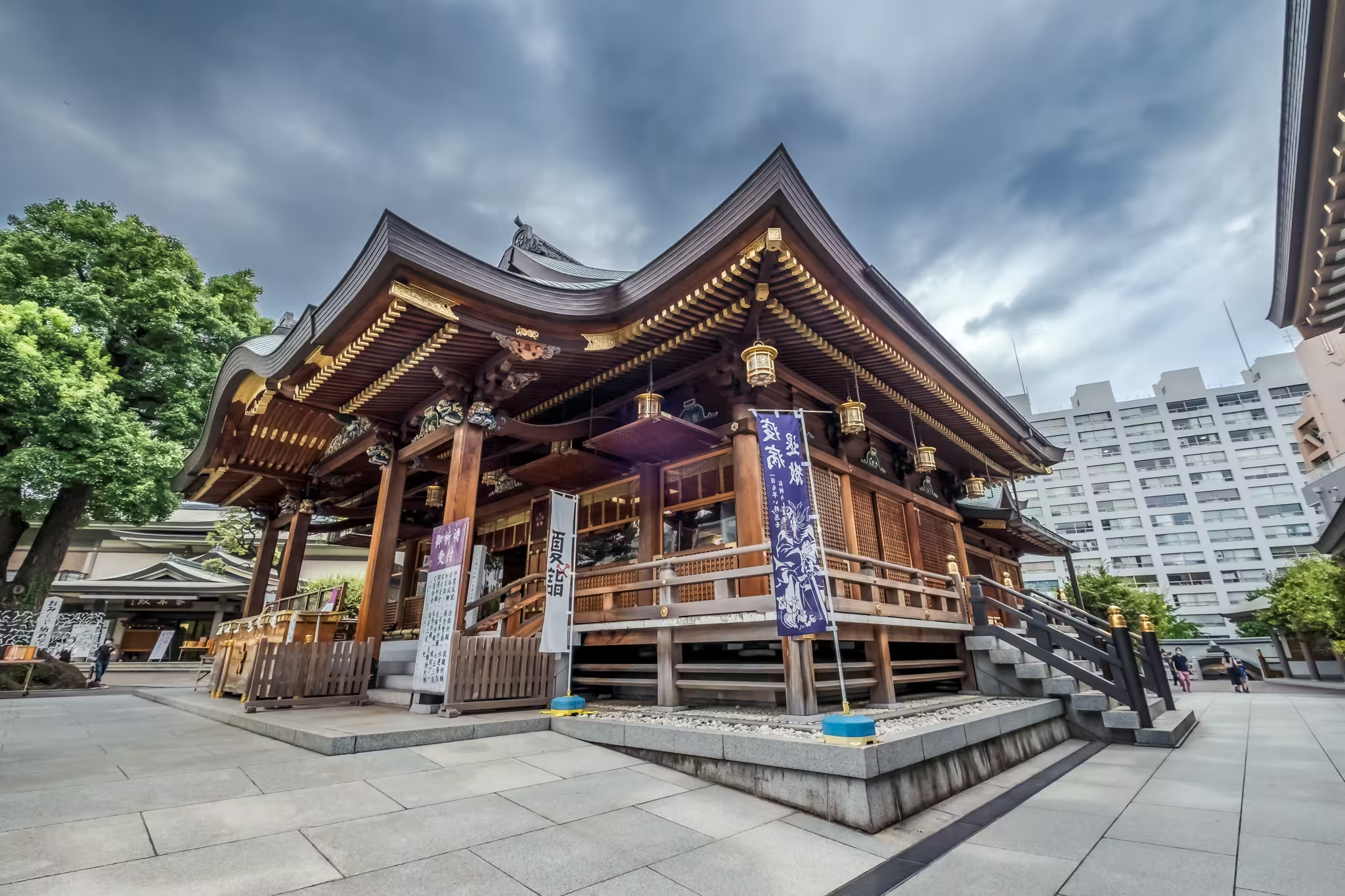
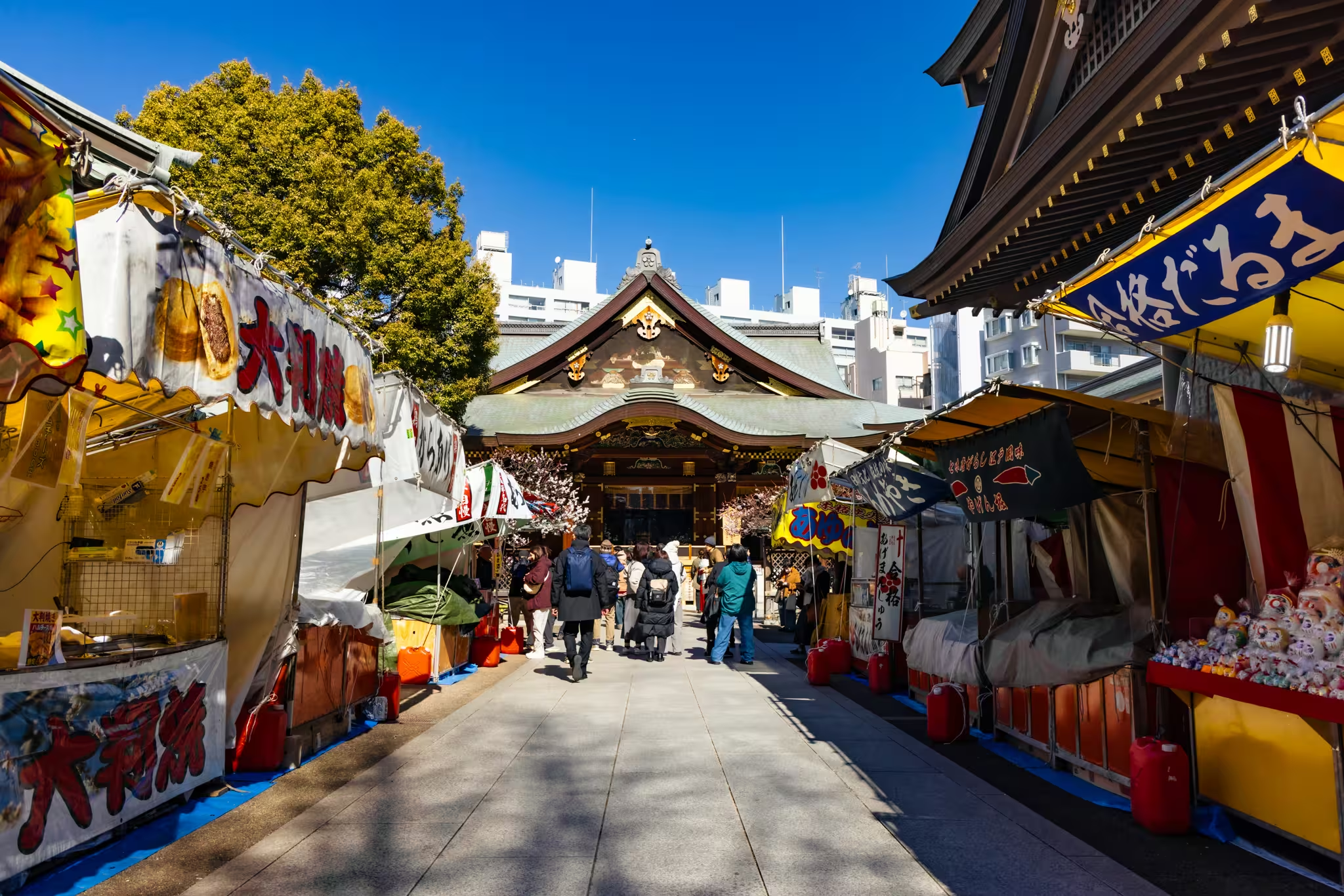
Yushima Tenjin is another of Tokyo’s important shrines. You’ll find it in Bunkyo Ward. It isn’t big, but it is famous for its flowers in spring and autumn. The architecture is impressive too. For photographers, this place should be on their bucket list.
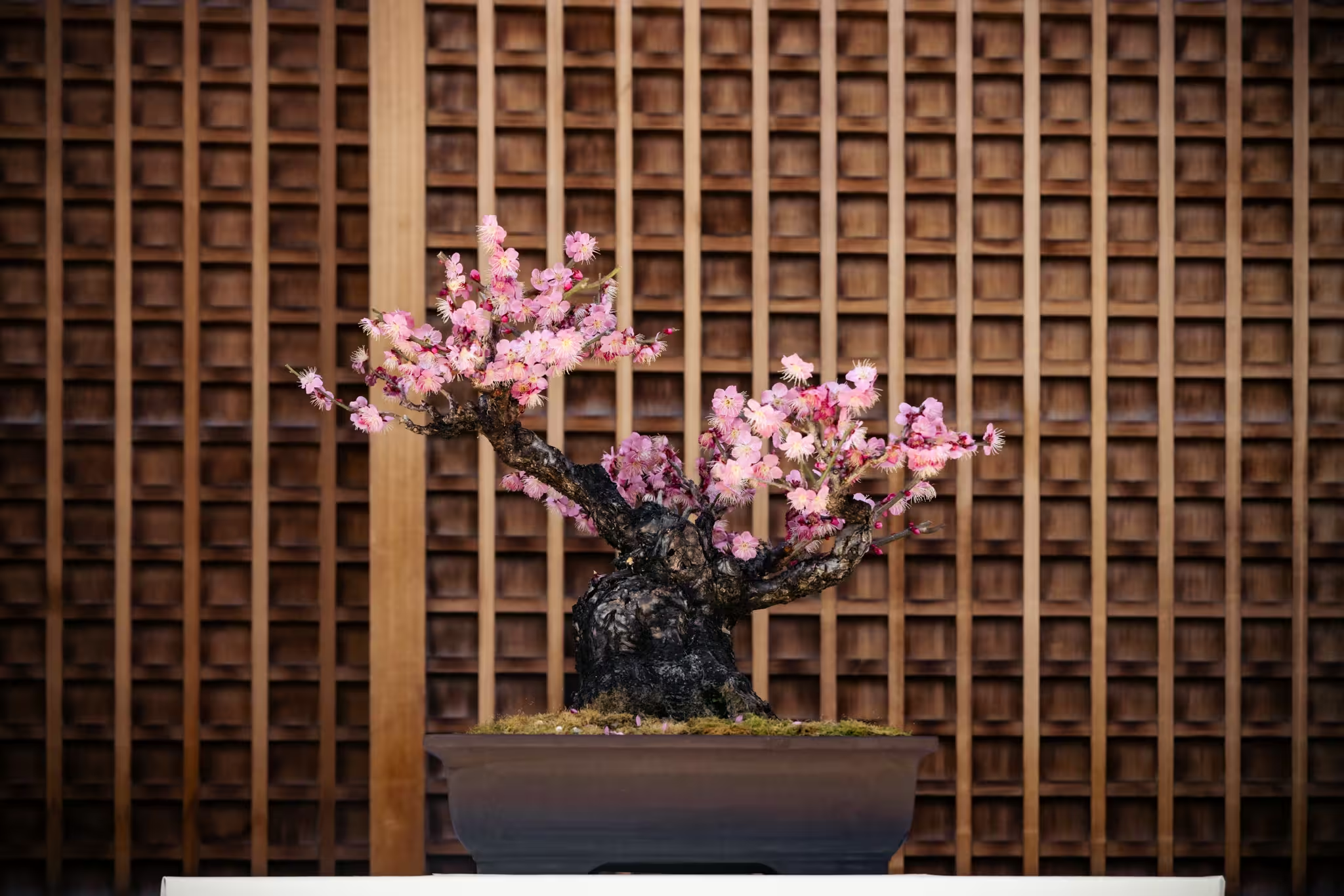
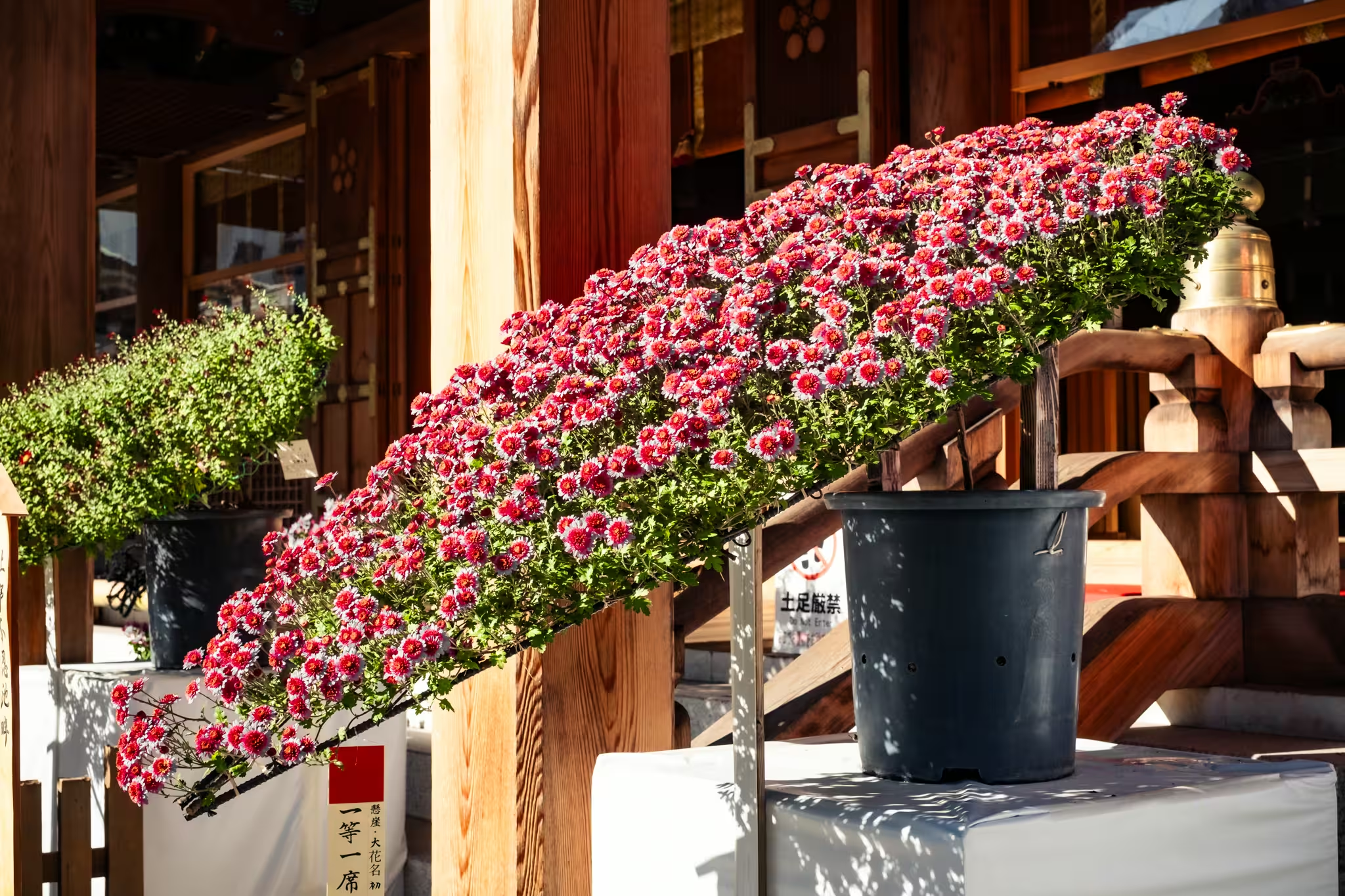
The shrine’s flowers are a huge drawcard. Visitors come for the plum blossoms and chrysanthemums. Photographers flock to them when they bloom!
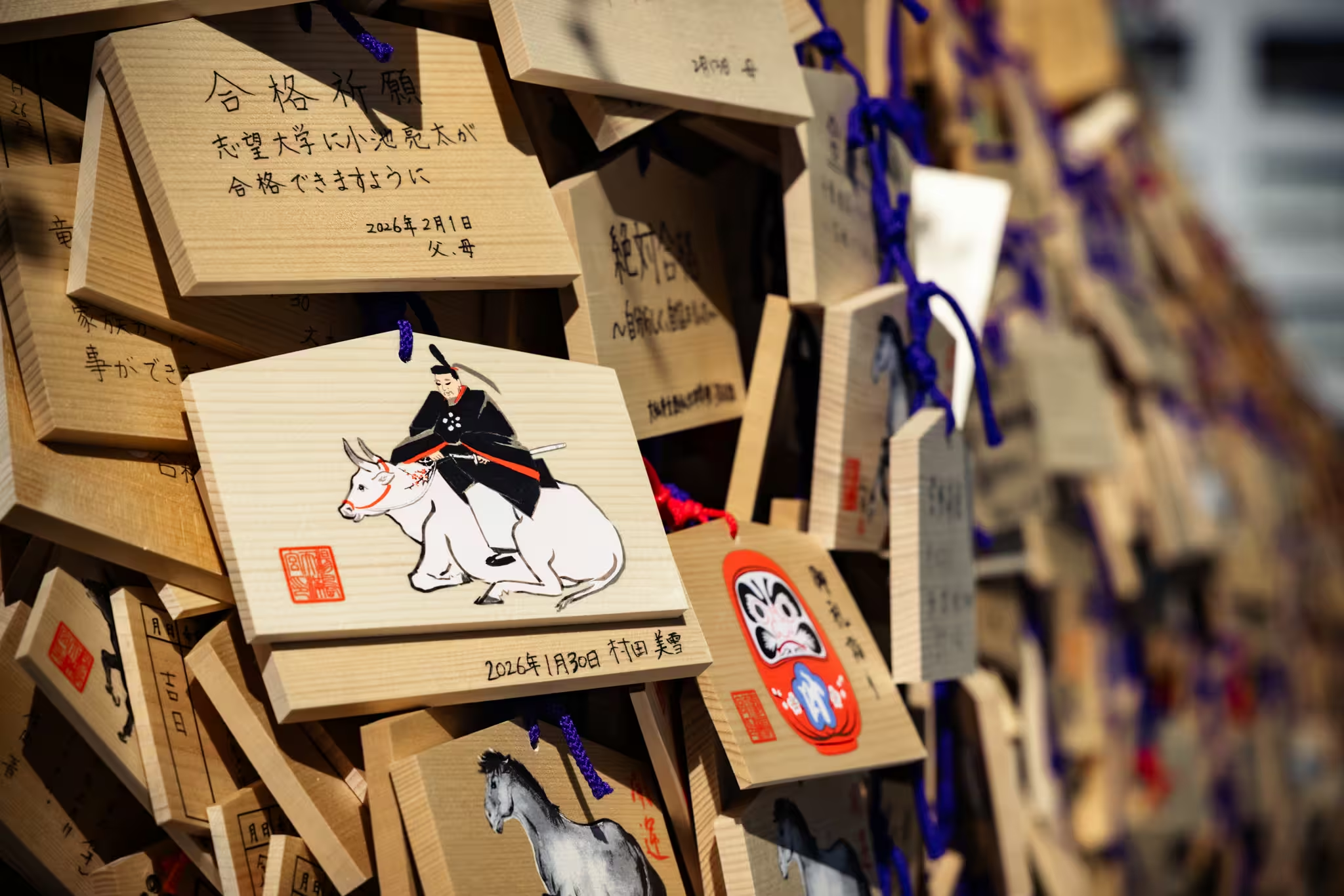
Yushima Tenjin has other attractions. One is its ema. Yes, these little wooden prayer plaques are an attraction, believe it or not! Another is a treasury museum. Let’s talk about it.
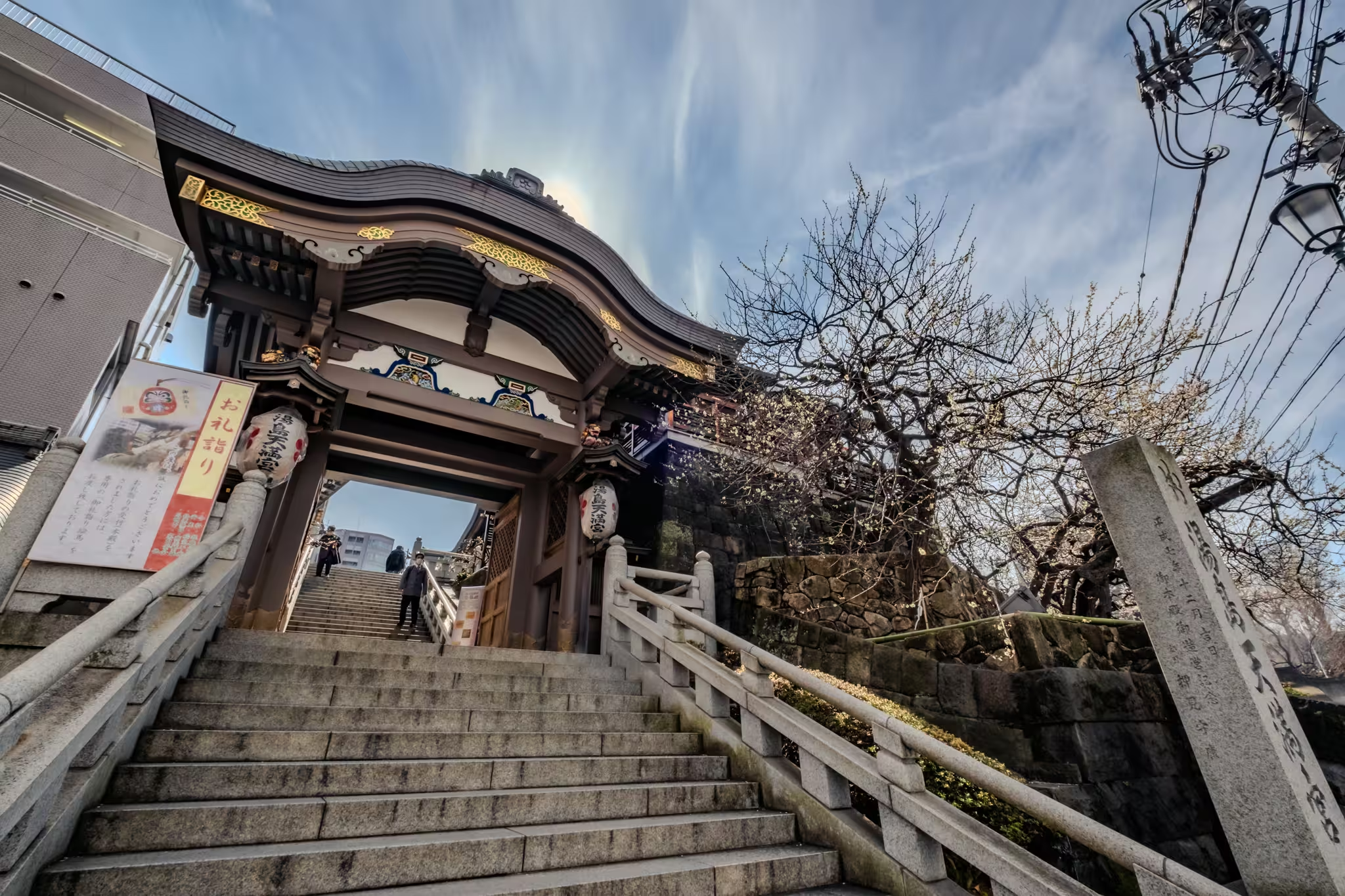
A brief history of Yushima Tenjin
The shrine was initially dedicated to the god, Ameno-Tajikarao-no-Mikoto. He is the kami of sports and strength in 458. In 1355, another joined him.
That was Sugawara no Michizane. He was a 9th-century scholar, poet, politician, and diplomat. These days, he is a patron of students so those ema fill the shrine. It is said he also had a great love of plum blossoms, which is why they fill the garden.
Did you know some major shrines in Tokyo are constructed of concrete, like Kanda Myojin and Shinjuku’s Hanazono? This was done to make them more fire resistant, which this city has had a real problem with over the centuries.
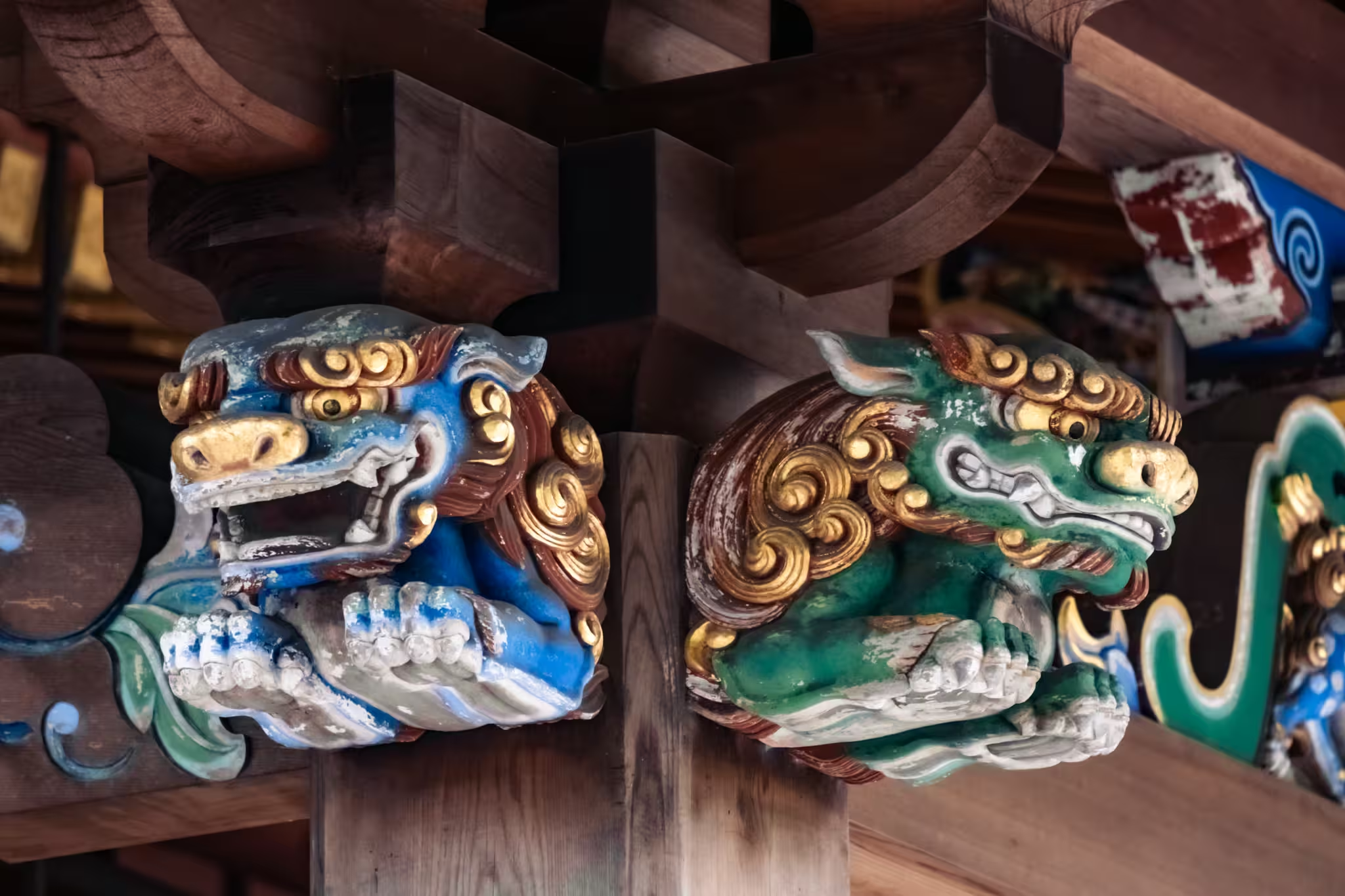
But Yushima Tenjin is different. It was rebuilt in 1995 using Japanese Cypress (hinoki) which is why the wood looks so “glowy” and warm in photos compared to the colder look of concrete shrines. The craftsmanship is of the highest modern caliber, mimicking the Edo style perfectly. Meiji Shrine is another example of this type of construction.
What to photograph at Yushima Tenjin
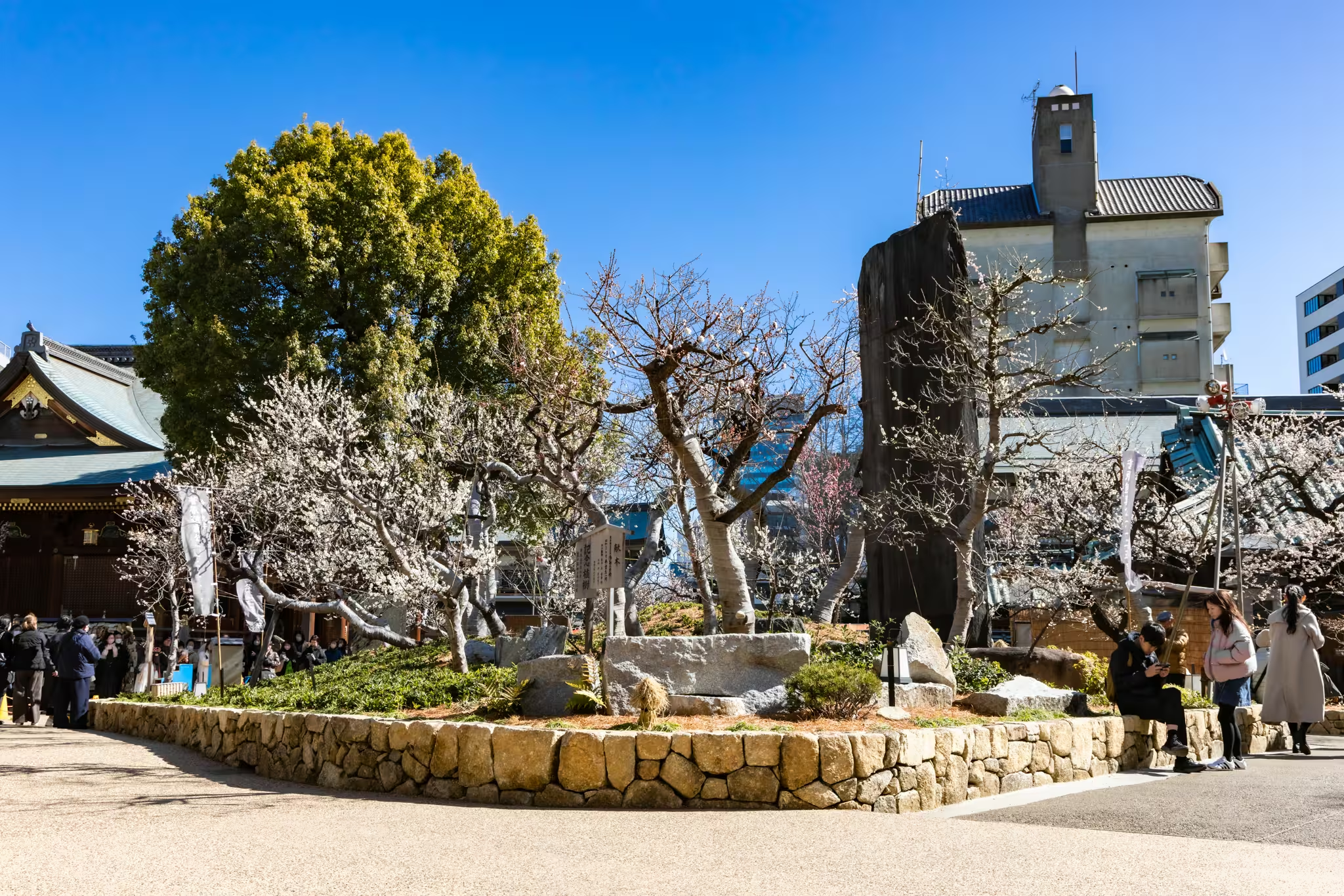
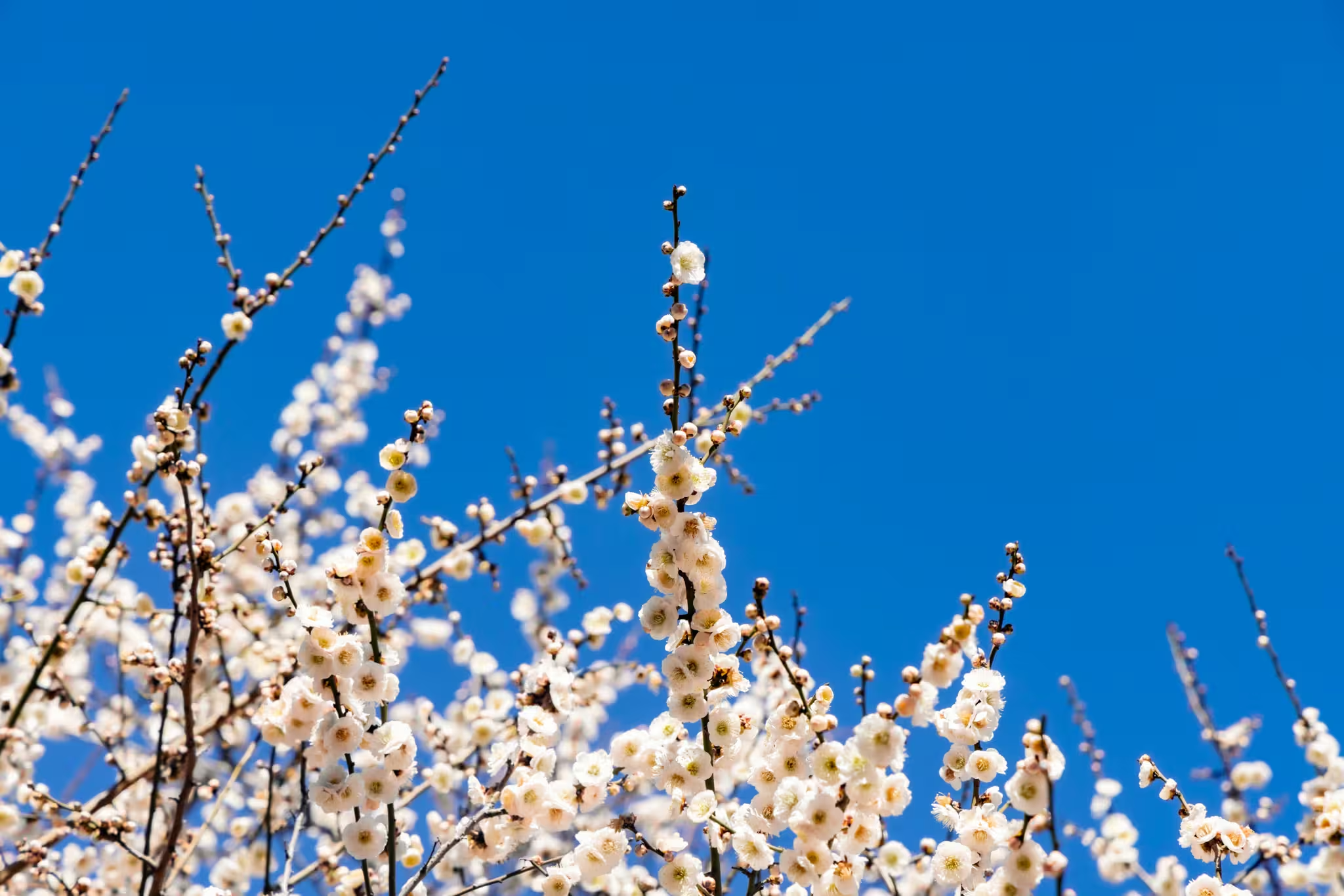
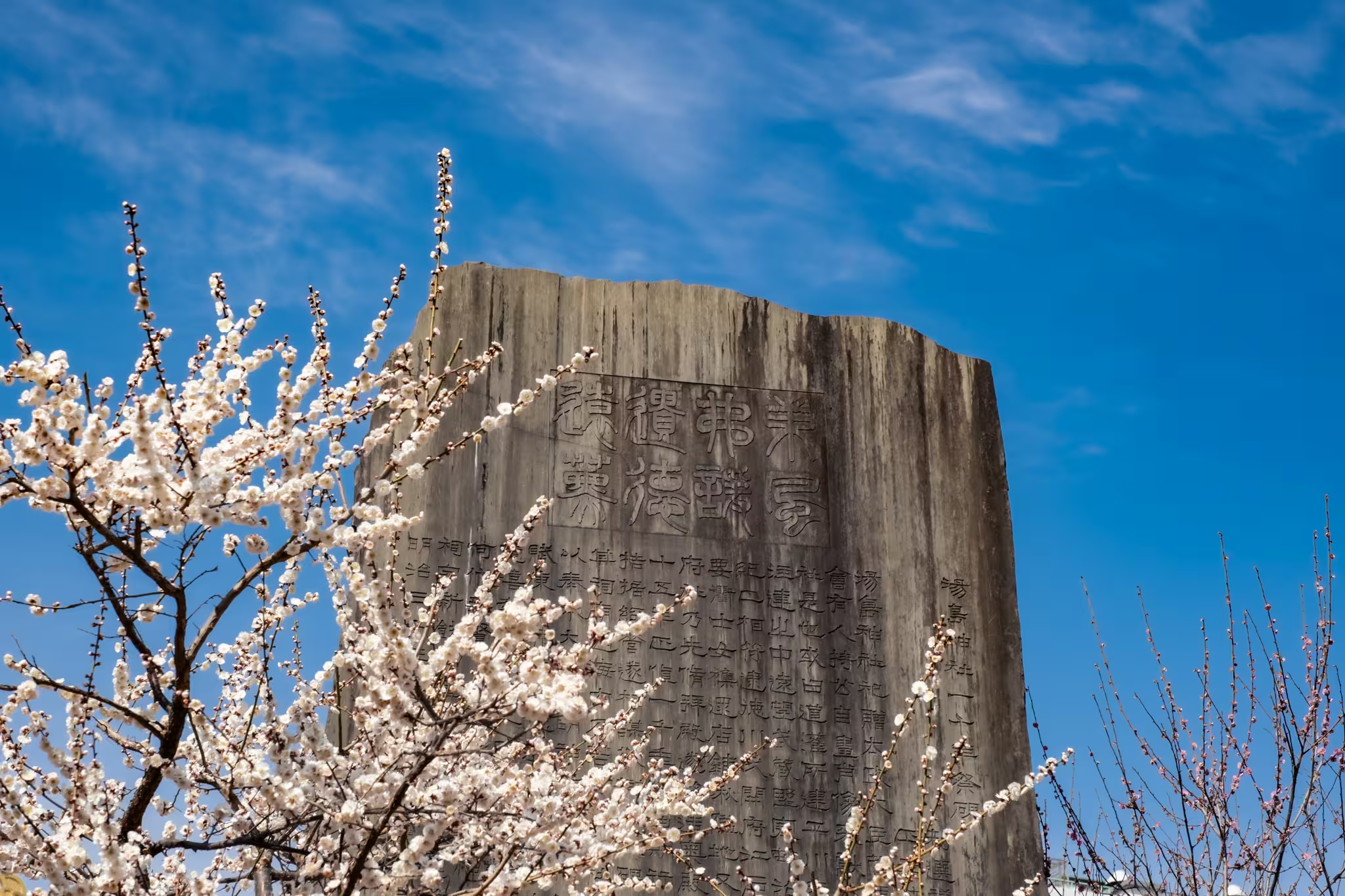
- Plum blossoms in spring (2026 pictures here), with tea ceremonies in the garden.
- Chrysanthemums in autumn (pictures soon).
- The Gongen-zukuri style architecture and copper roof.
- Komainu (lion dog) guardians and wooden shishi-bana (guardian deities) are around the shrine.
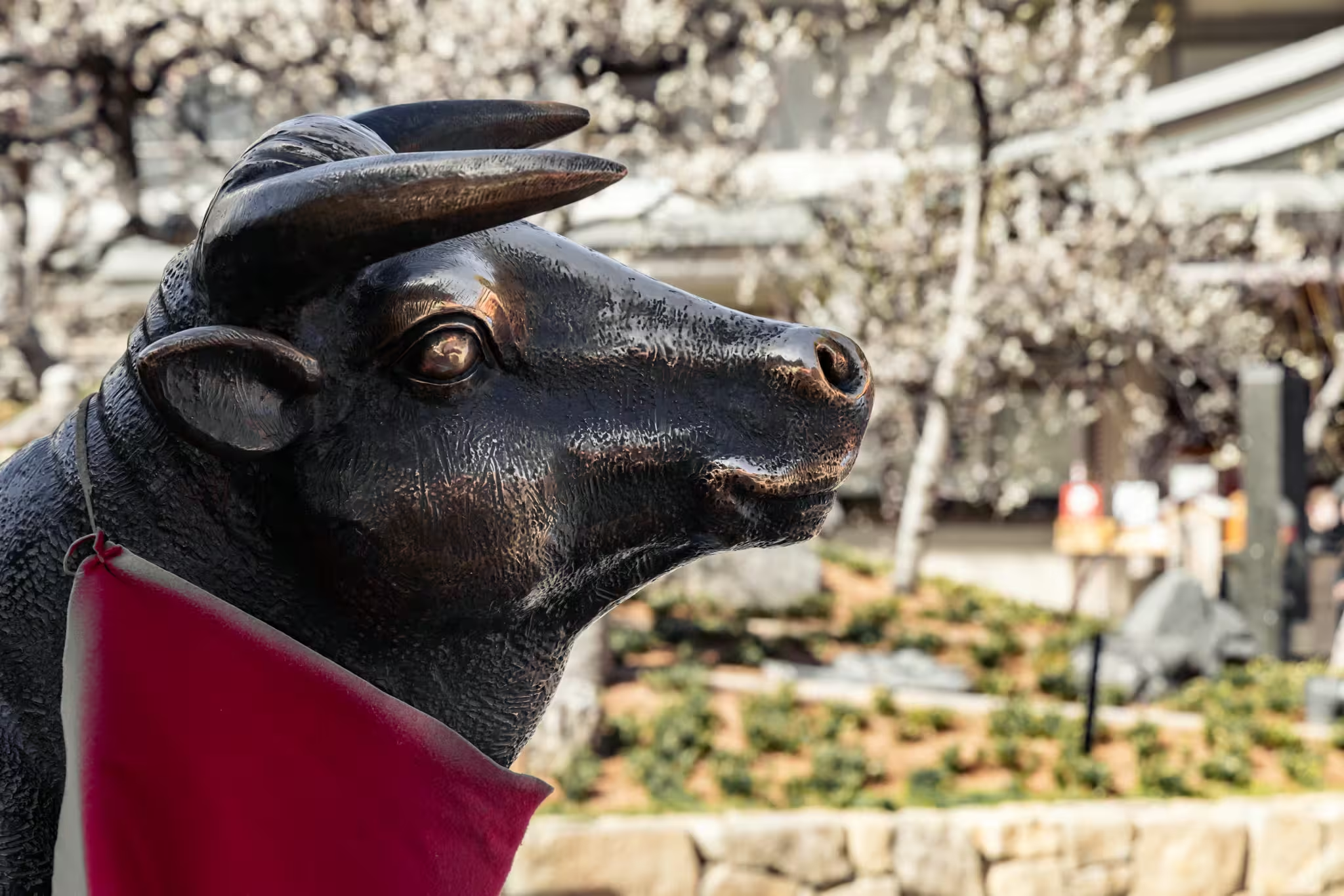
- Bulls and oxen are at the shrine. Michizane was born in the year of the cow. One pulled his funeral bier! They are considered to be his messengers. Many people believe if they rub the statues’s heads they can cure ailments and make them smarter. That means human hands have been buffing them for decades!
- Remember the ema? When people need divine help, they write their dreams or wishes on these wooden prayer plaques and hang them on the racks (symbolic “trees”) around shrines. And as Michizane is a kami of study, most are requests to him. Students request him for help in passing tests. During exam season, these things are stacked many deep!
- The plum blossoms grove’s “Kien-Hyojin-Seki” monument has a special story. It’s believed it helps reunite lost children with their families.
- The shrine has a treasure museum. While you can only use cameras in the foyer, you can get close to one of the mikoshi. Mikoshi are the huge portable shrines used at festivals.
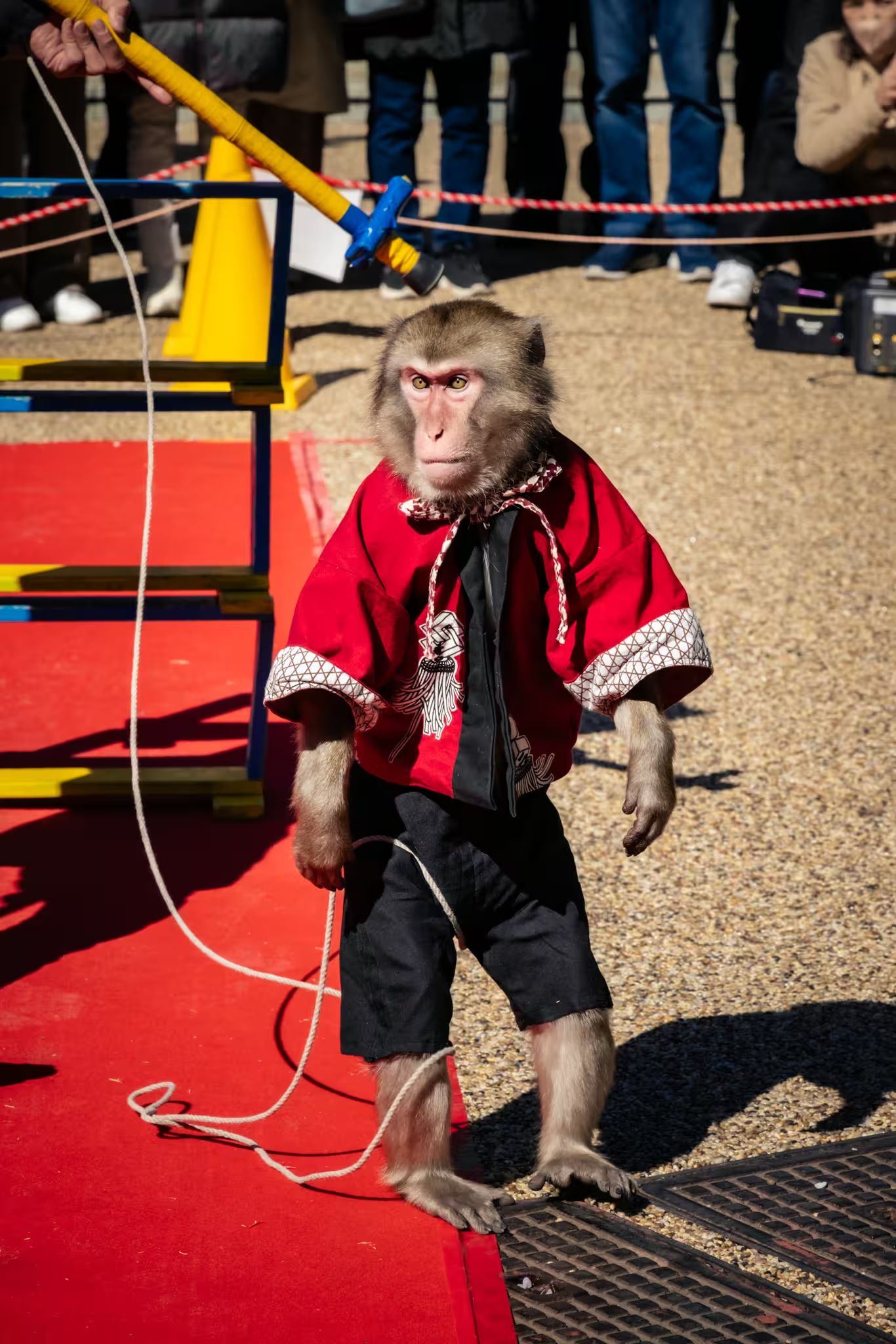
- If you love monkey shows (saru-mawashi), you can always see them during the plum blossom and chrysanthemum seasons.
Planning your visit: Logistics & location
Where is the shrine?
Address: 3-30-1 Yushima, Bunkyo City, Tokyo
Here it is on Google Maps:
Closest train stations
- Yushima on the Chiyoda Line (2-minute walk)
- Ueno-hirokoji on the Ginza Line (5-minute walk)
- Hongo-Sanchome on the Marunouchi Line (8-minute walk)
- Okachimachi on the Keihin-Tohoku and Yamanote Lines (8-minute walk)
Entry fees
None, but the museum costs ¥500.
Opening hours
- Shrine grounds: 6 a.m. to 8 p.m.
- Treasure museum: 9:30 a.m. to 5 p.m. (last entry at 4:30 p.m.)
For the most up-to-date information, consult the official Yushima Tenjin website.
Other photo spots near Yushima Tenjin
- Kanda Myojin shrine
- Kyu-Iwasaki Gardens
- Shitamachi Museum
- Ueno Toshogu (shrine)
Is Yushima Tenjin worth it?
If you are looking for a Tokyo shrine that feels warm, authentic, and bursting with color, Yushima Tenjin belongs at the top of your shoot list. Unlike the concrete reconstructions found throughout the city, this Bunkyo Ward treasure is crafted from glowing Japanese Cypress (Hinoki), offering a stunning, natural backdrop for your photos.
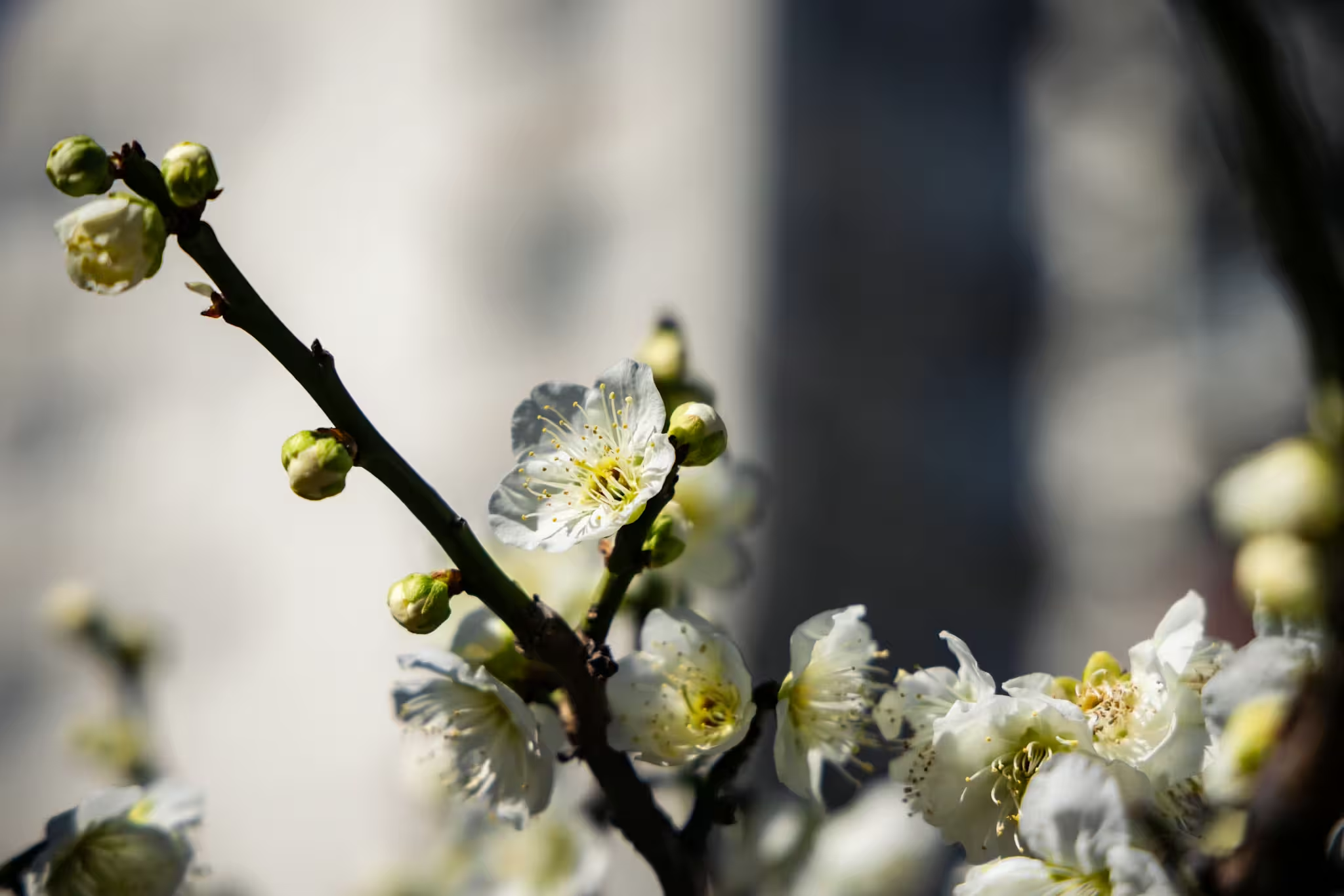
Famous for its sea of plum blossoms in the spring and golden chrysanthemums in the autumn, Yushima Tenjin is a masterclass in Edo-style craftsmanship. From the intricate wood carvings to the stacks of wooden prayer plaques (ema), here is everything you need to know about photographing this iconic wooden shrine.