Kanda Myojin Photo Guide
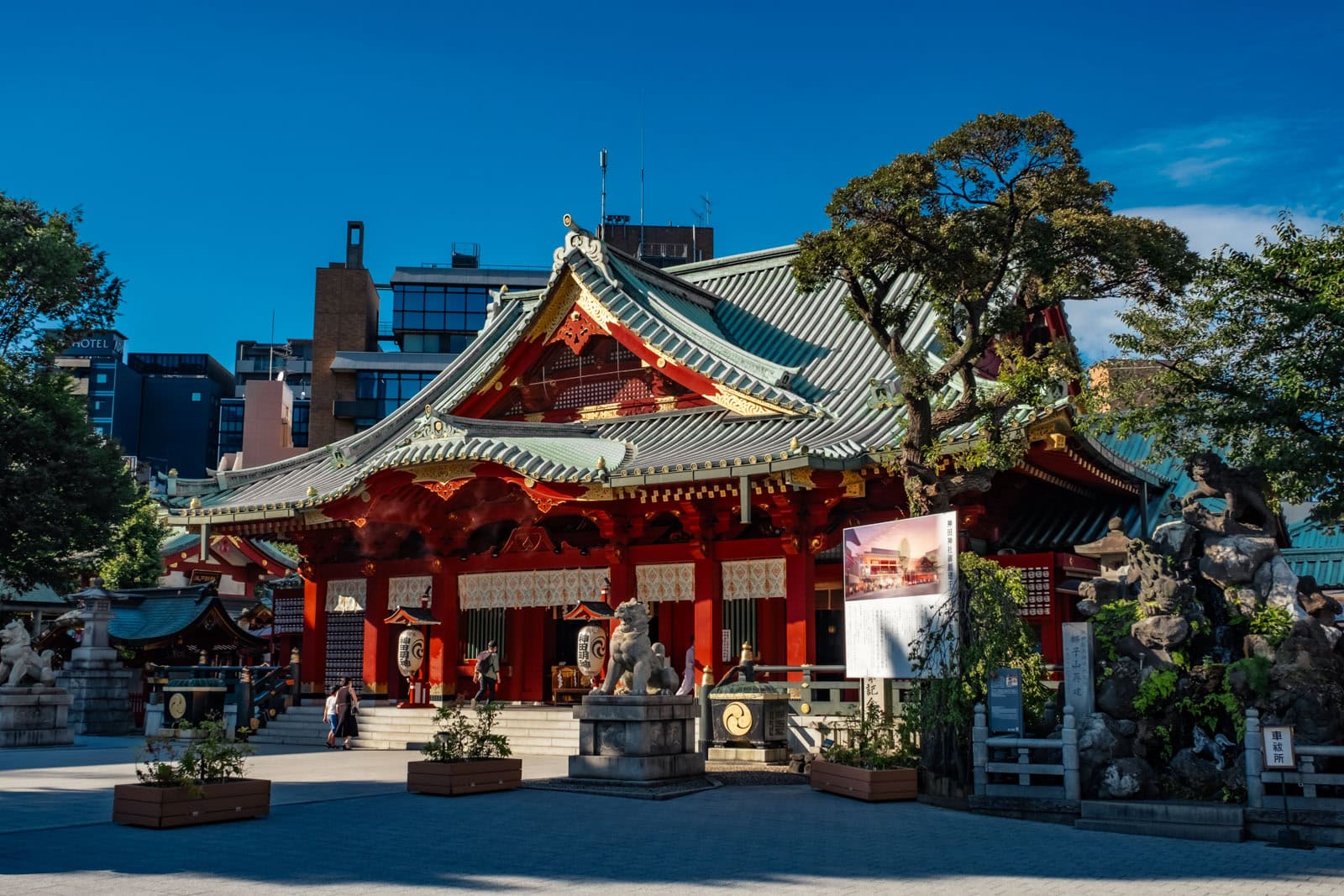
Nestled just a short walk from the bustling streets of Akihabara, is Kanda Myojin. At nearly 1300 years old, it’s one of the city’s most significant shrines, but for me, its appeal is timeless.
I love it for three reasons: architecture, its history, and the immense energy of its Kanda Matsuri, one of the biggest festivals in Tokyo. Calling it a photographer’s paradise might be an understatement. It’s a place where history, culture, and modern life collide in the most photogenic way.
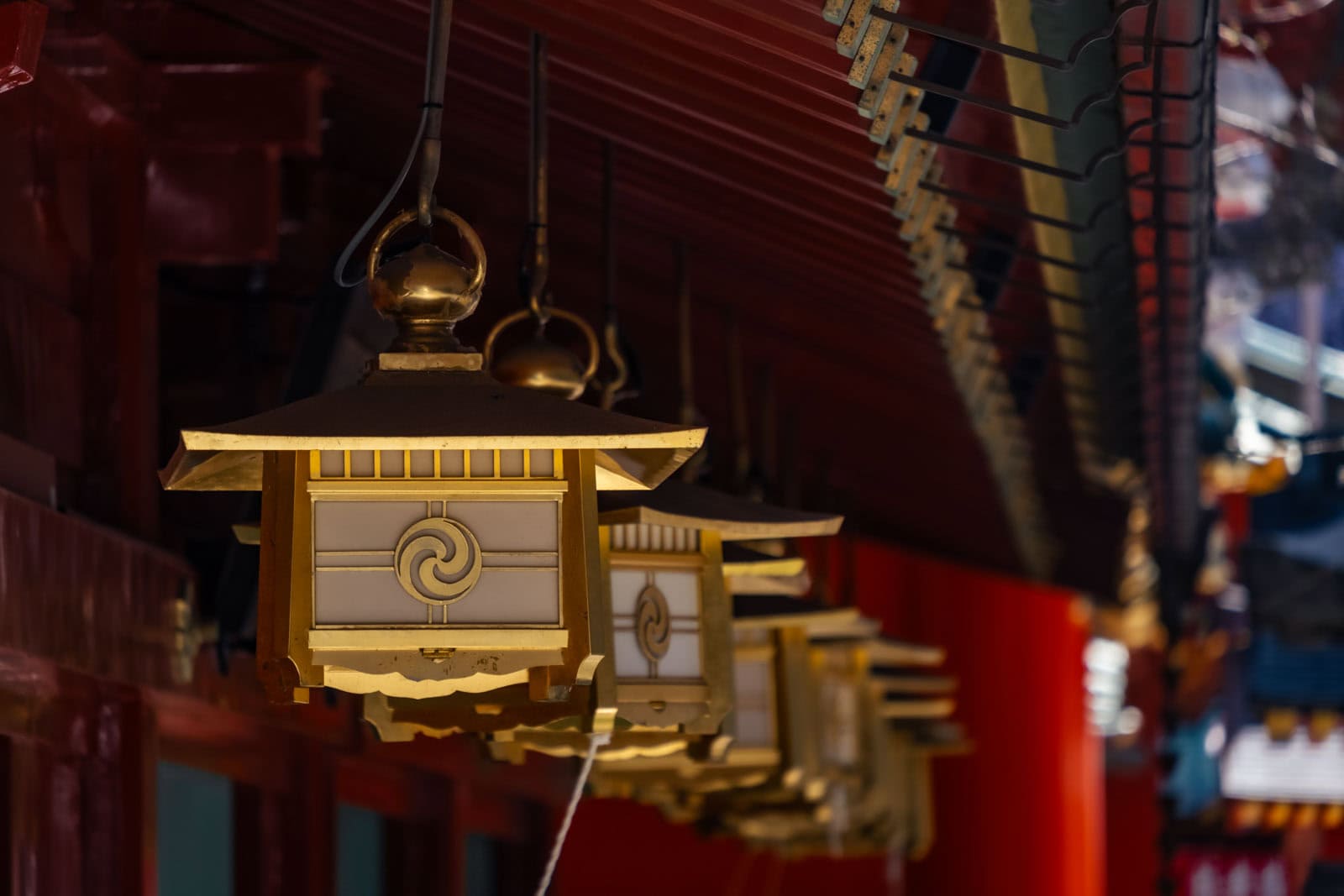
Gods of fortune: Protecting Tokyo
First, let’s talk about the people you’ll see praying here. Kanda Myojin is the shrine for business people in Tokyo. It’s not uncommon to see entire staff of companies visiting to pray for success, and on any given workday, you’ll find many people in suits worshipping at the altar. What attracts them so strongly?
Daikoku & Ebisu: Gods of commerce
The answer lies with two of its enshrined deities, Daikoku and Ebisu. While both have extensive heavenly portfolios, they share a crucial domain: they are gods of business and good fortune. Often depicted together, they are a powerful duo for prosperity.
You can’t miss the two enormous and cheerful statues of them in the courtyard, which are fantastic photographic subjects. It’s because of them this shrine has become a mecca for Japan’s entrepreneurs and corporate warriors.
Taira no Masakado: Samurai guardian
The third deity is the formidable samurai, Taira no Masakado. After he was executed for leading a rebellion against the Emperor in 940, his spirit was believed to be so powerful it was eventually enshrined at Kanda Myojin to appease it.
He now watches over Tokyo. A local legend claims that neglecting his spirit will bring ill fortune to the city, so the shrine is impeccably maintained. Unfortunately, he didn’t get a big statue in the courtyard. If you’re looking for another piece of his story to capture, you can visit his reputed grave near Tokyo Station which is now a photo spot with its own history.
Akihabara’s modern influence
Kanda Myojin is near Akihabara, Japan’s capital of animation, IT, and idol groups. It’s a fascinating cultural fusion. When people from these industries feel the need for a little divine help, they only have to walk a short distance.
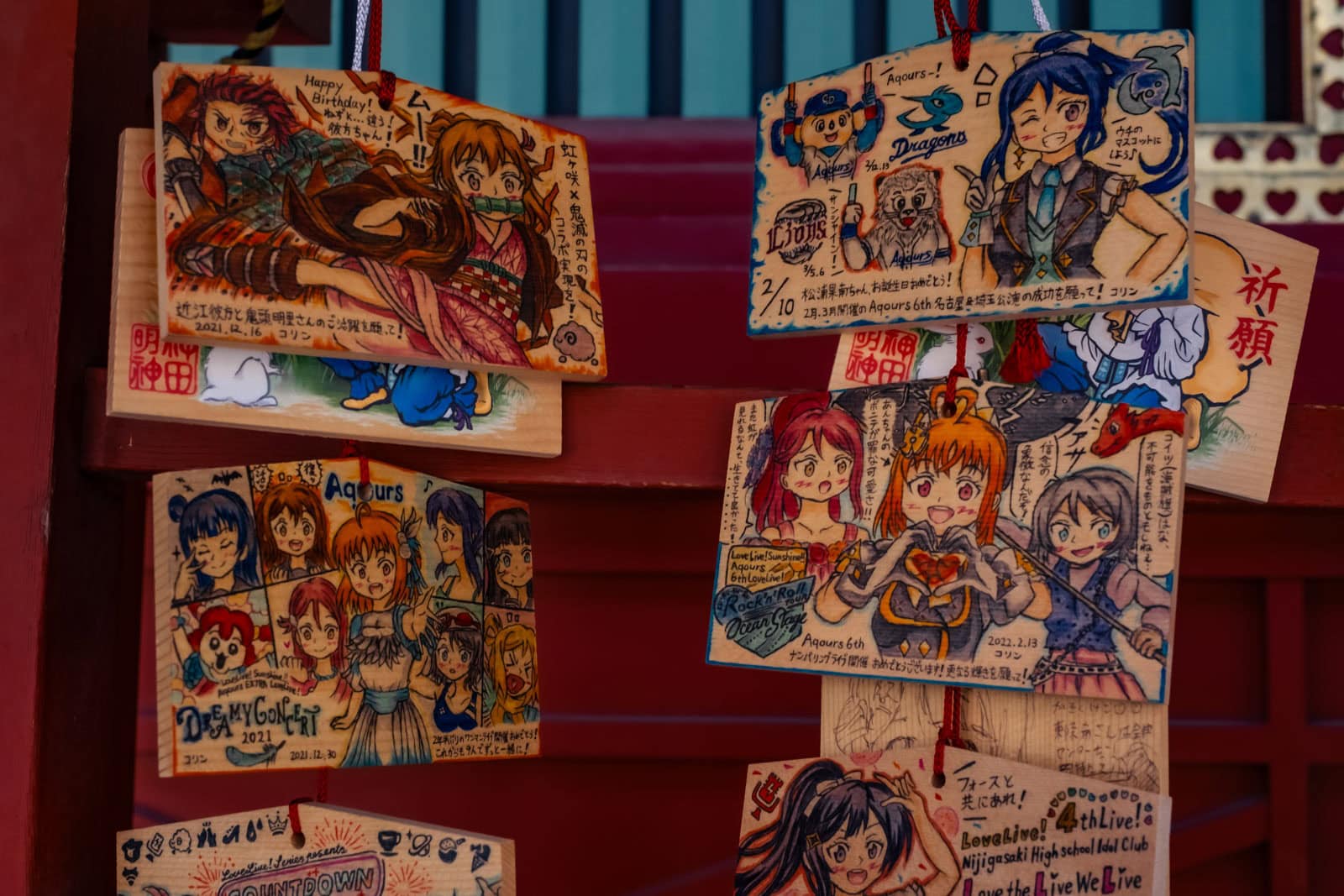
This unique relationship is most visible in the shrine’s details. Keep an eye out for the ema (wooden prayer tablets), as many feature beautiful anime-style illustrations. On my last trip, they had a science-fiction one and another from the popular anime, Love Live!
The ema seem to change regularly, offering fresh and surprising photo opportunities. You can even find unique omamori (protective amulets) designed to bless your electronic devices and IT endeavors.
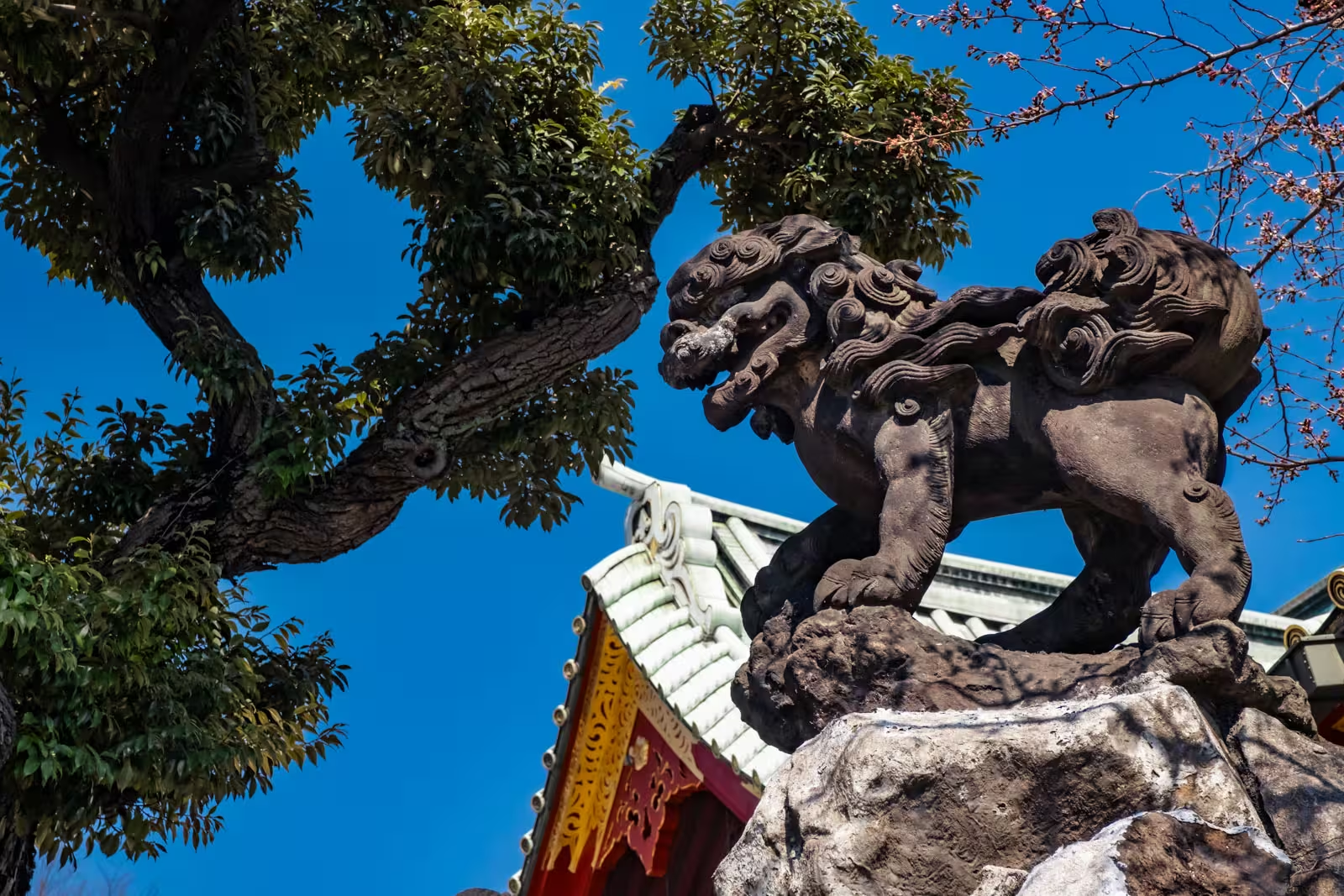
Before you leave, don’t miss the shop at the front of the shrine called EDOCCO (Edo Culture COmplex). It’s the perfect spot to find souvenirs reflecting this blend of old and new. You can sometimes even see art exhibits there like Masayuki Kojo’s “Preparation”.
What to photograph at Kanda Myojin
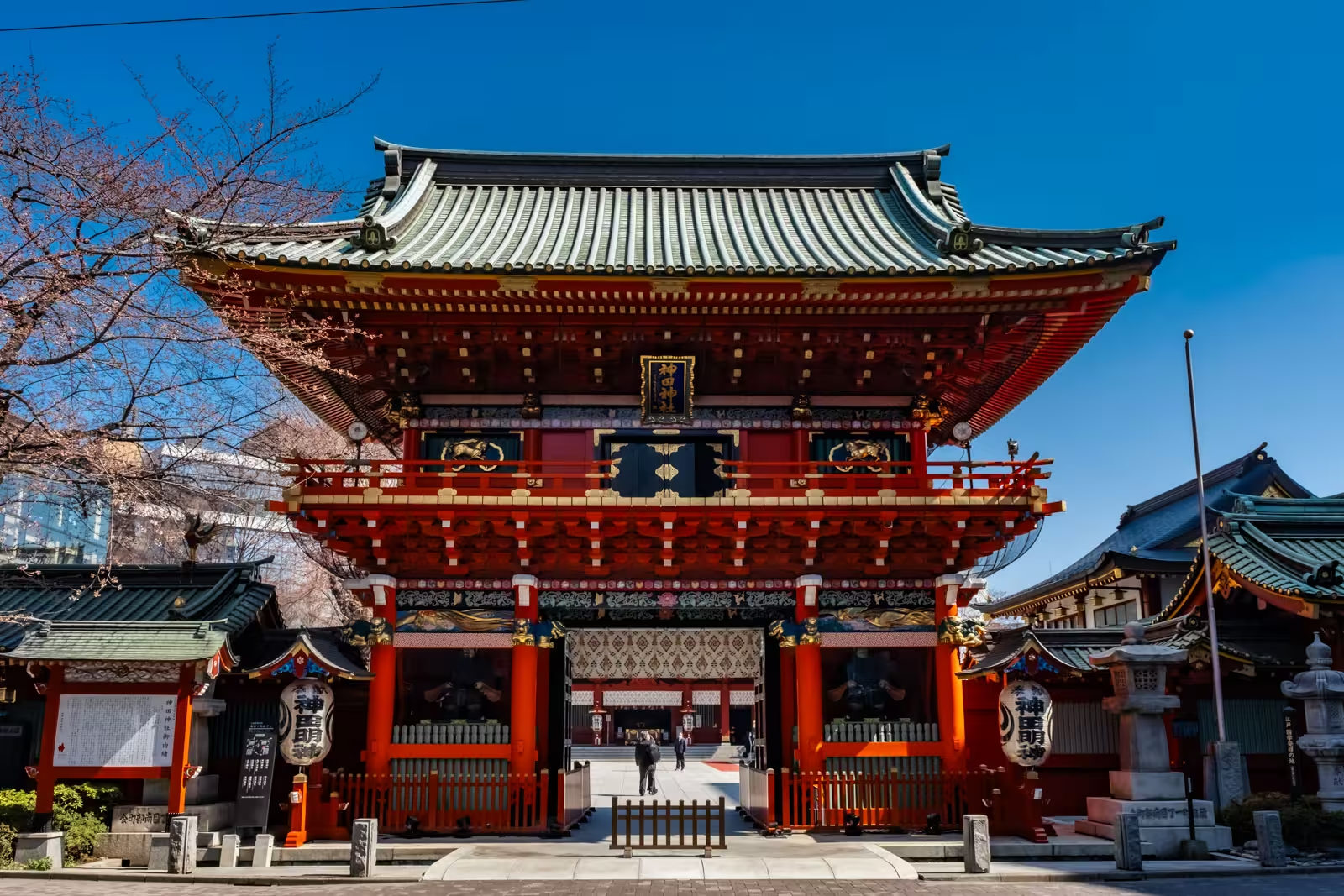
- The Zuishin gate: This brilliant vermilion and gold gate makes for a powerful entrance shot.
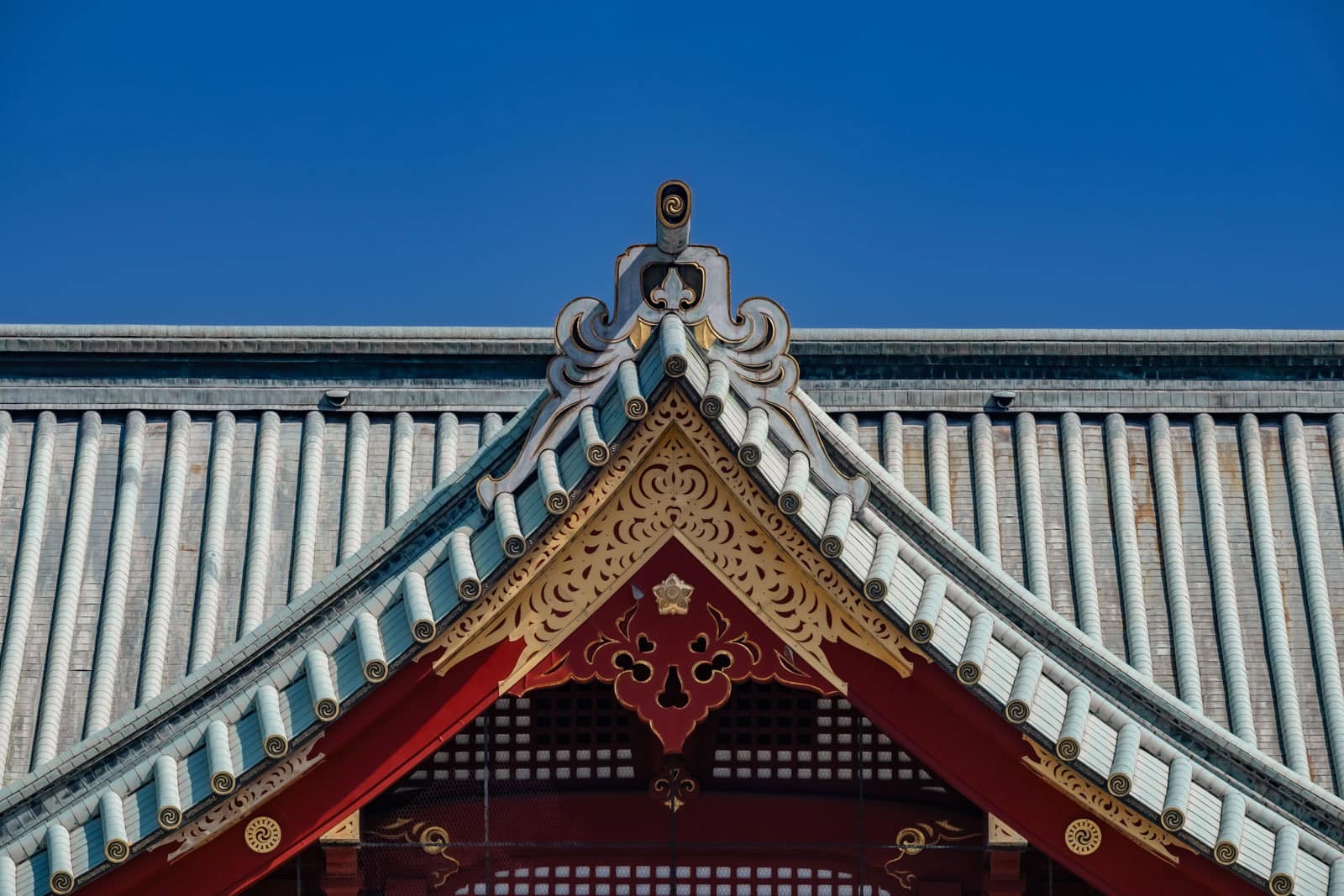
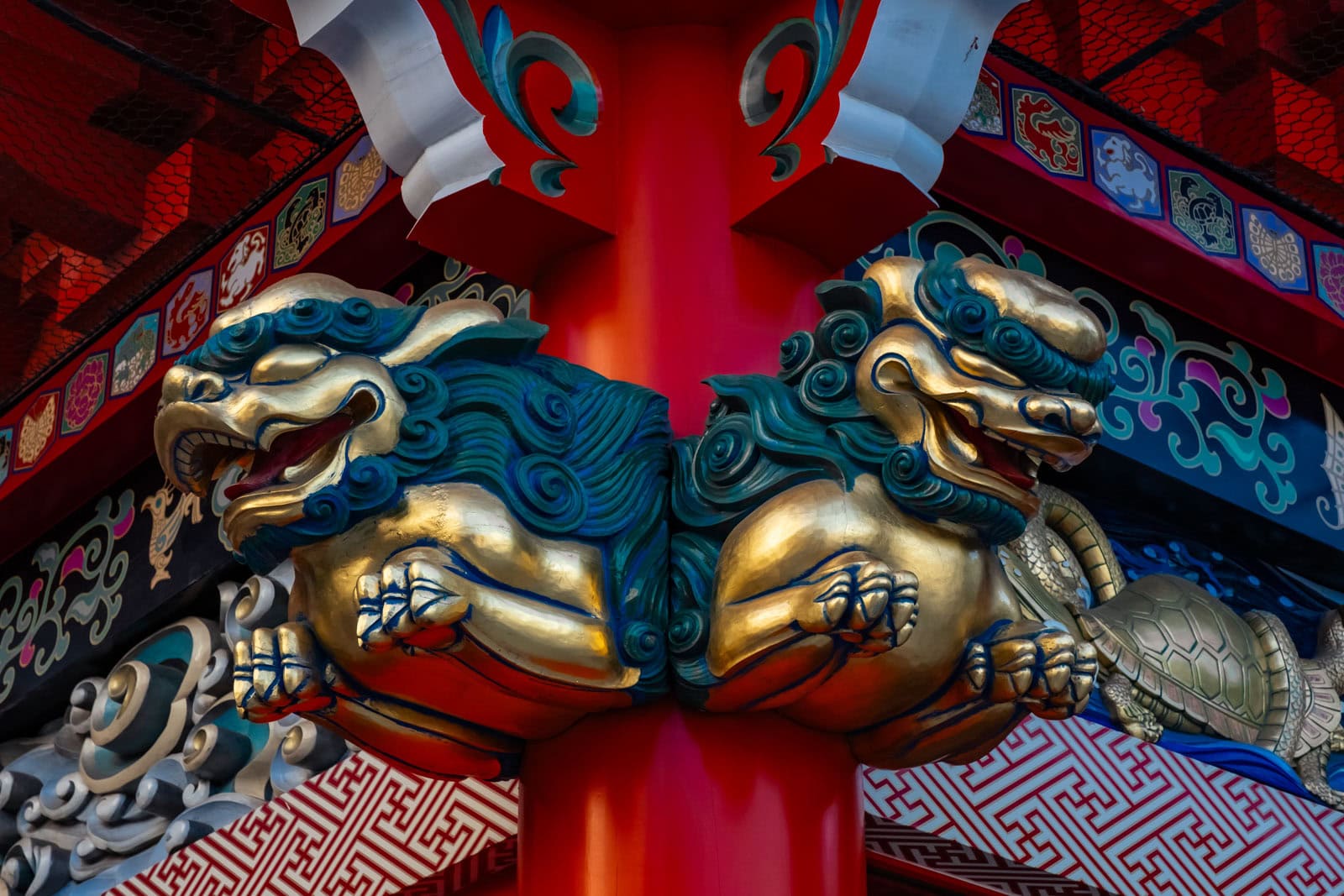
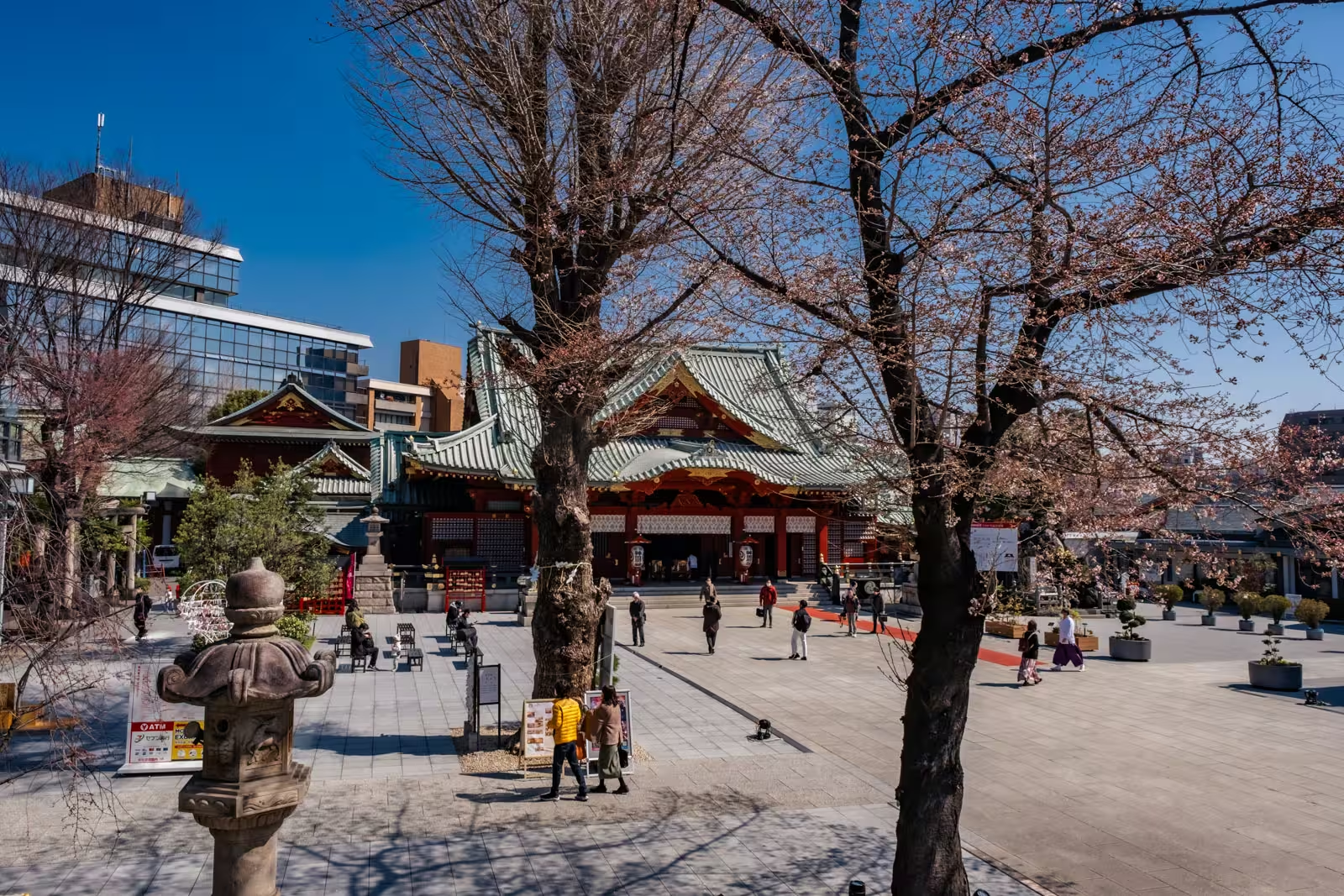
- Shrine architecture: With its sweeping green roofs and intricate carvings, Kanda Myojin is perfect for this.
- Statues of Daikoku and Ebisu: Capture the joyful expressions of the gods of fortune.
- Anime-themed ema: These unique prayer tablets tell a story of modern Tokyo’s culture.
- Plum blossoms: Several of these trees surround the shrine and minor halls, adding some warmth to winter’s last days.
- Cherry blossoms: In spring, the delicate pink flowers create a beautiful contrast with the shrine buildings.
Shrine events for photographers
Kanda Matsuri
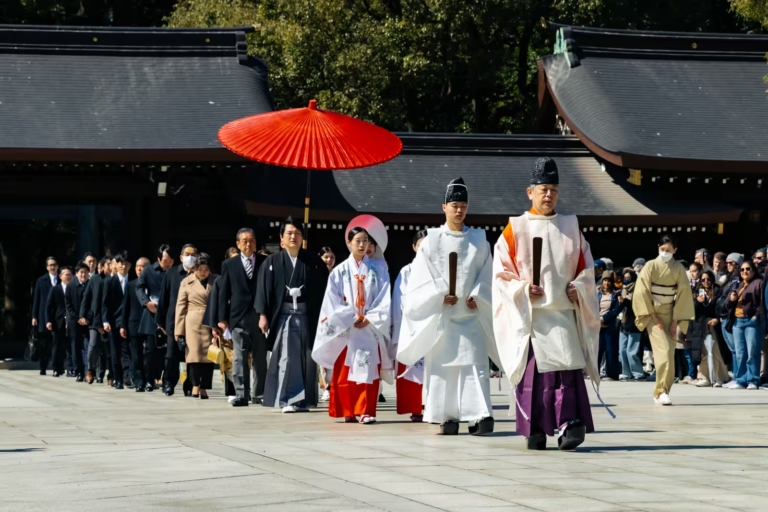
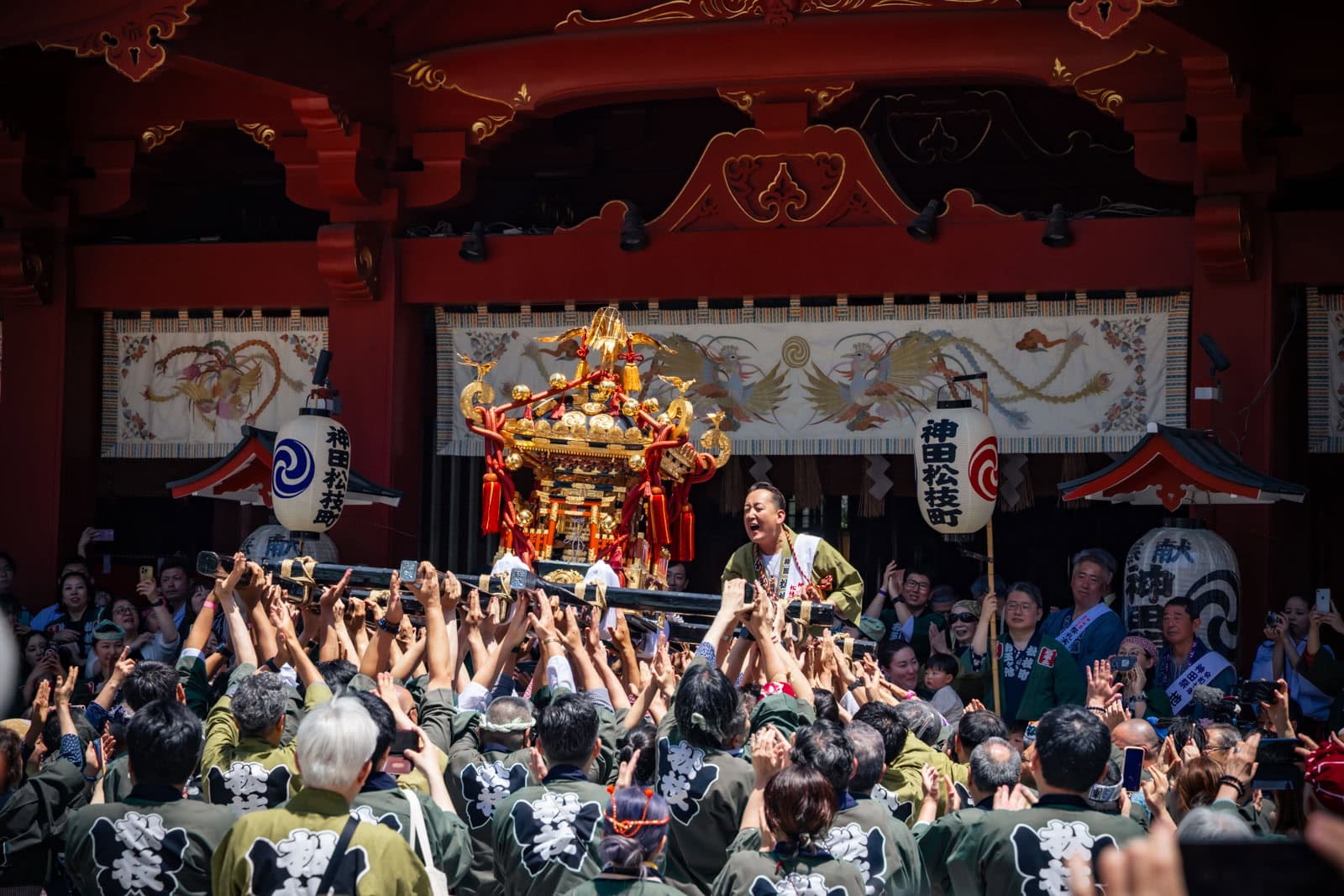
The Kanda Matsuri is one of Tokyo’s three great Shinto festivals (the other two being the Sanja and Sanno), an electrifying spectacle held every other year in May. The festival, which dates back to the Edo period, sees thousands of participants in traditional attire carrying massive mikoshi (portable shrines) through the city.
The air is filled with lively music, chanting, and the energy of enormous crowds. It’s a display of community spirit and Japan’s rich cultural heritage that photographers adore. Here are photo galleries of my previous visits to the event:
- Kanda Matsuri 2025: A Photo Guide and a Hard Lesson
Bon Odori
The shrine also hosts a Bon Odori dance festival in the summer, where people dance to honor the spirits of their ancestors. The lanterns, music, and traditional yukata make for a magical evening of photography.
Photography tip: Visit after dark
Try going after the sun goes down! The shrine is gorgeous at night. While only the main hall and the Zuishin gate are lit up, it’s more than enough for some dramatic shots.
The lights stay on until 11 p.m., creating a serene and mystical atmosphere. I highly recommend packing a tripod to get crisp, clear images in the low light.
Visitor information
- Address: 2-16-2 Sotokanda, Chiyoda City, Tokyo
- Train access: The shrine is conveniently located between Akihabara Station and Ochanomizu Station. From either station, it is roughly a five-minute walk.
- Opening hours: The grounds are open 24 hours a day, allowing for photography at any time.
- For the most up-to-date information: Consult the official Kanda Myojin website.
- Here is Kanda Myojin on Google Maps:
Photo spots near Kanda Myojin
After your visit, the surrounding area offers even more opportunities:
- Akihabara: Capture the neon lights and energy of Electric Town.
- Guitar Street: Located near Ochanomizu Station, it’s a haven for music lovers.
- Holy Resurrection Cathedral (Nikolai-do): A stunning example of Byzantine architecture.
- Jinbocho Booktown: A neighborhood filled with old bookstores, perfect for street photography.
- Yushima Seido: A peaceful Confucian temple just a short walk away.
A shrine with Tokugawa connections
Founded in 730 CE, Kanda Myojin has deep roots in Japanese history. During the Warring States Period (1467-1603), it was worshipped by powerful figures like Ota Dokan and Tokugawa Ieyasu. After his decisive victory at the Battle of Sekigahara, Tokugawa’s patronage helped elevate its status, and it became known as the “Guardian of Edo.”
In the Meiji Era, it was designated as one of twelve major shrines protecting Tokyo. Though the main hall was destroyed in the Great Kanto Earthquake of 1923, it was rebuilt and later named a National Tangible Cultural Heritage site in 2003.
Is Kanda Myojin worth photographing?
Exploring Kanda Myojin is a wonderful way to spend a couple of hours. I especially love its architecture, with so many great lines and ornate roofs to photograph!
At this shrine, it pays to be inquisitive. As you walk around, look in the nooks and crannies, you’ll be rewarded with interesting and surprising details perfect for your camera.
Kanda Myojin was made for photographers. It offers a rich tapestry of history, modern culture, and festive energy, and with so many other photo spots nearby. Filling your day there with creativity won’t be difficult. You can’t go wrong with a visit to this extraordinary shrine.
Have you photographed Kanda Myojin? Share your experience or leave any questions in the comments below!