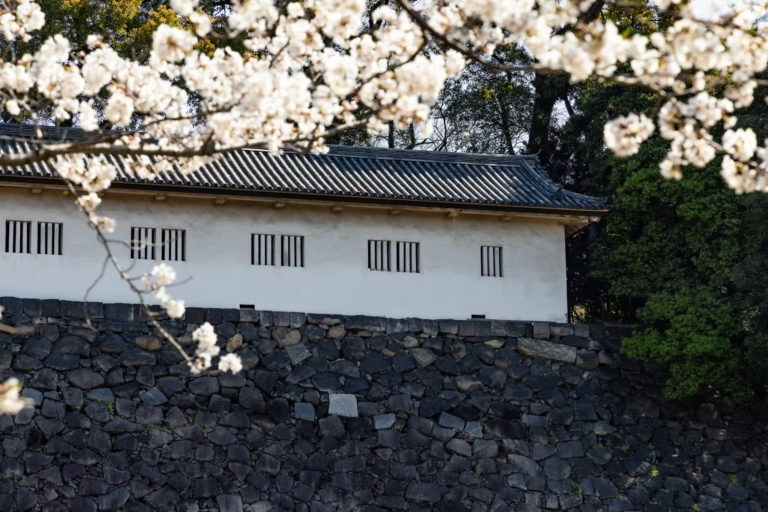
Chidorigafuchi National Cemetery Photo Guide
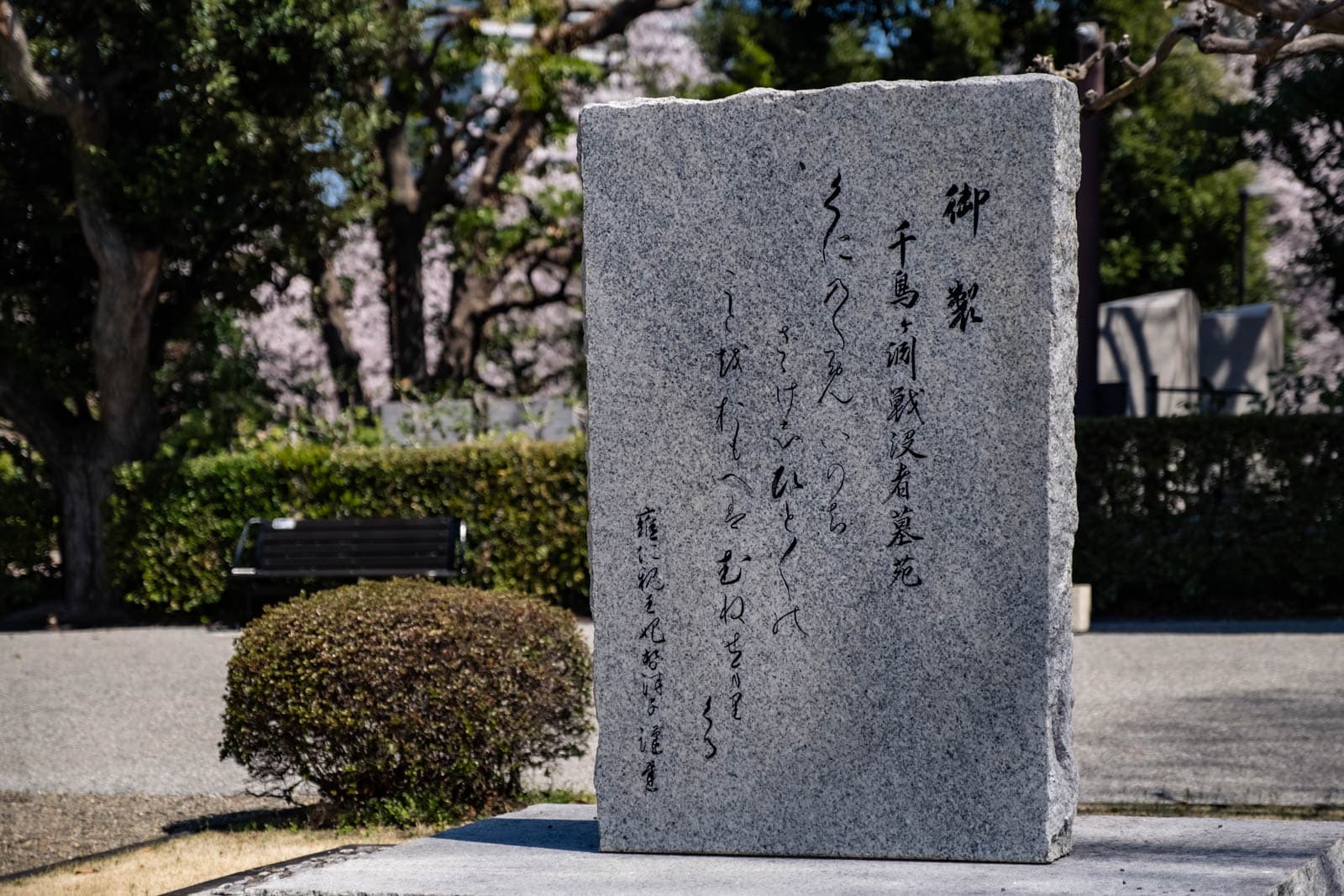
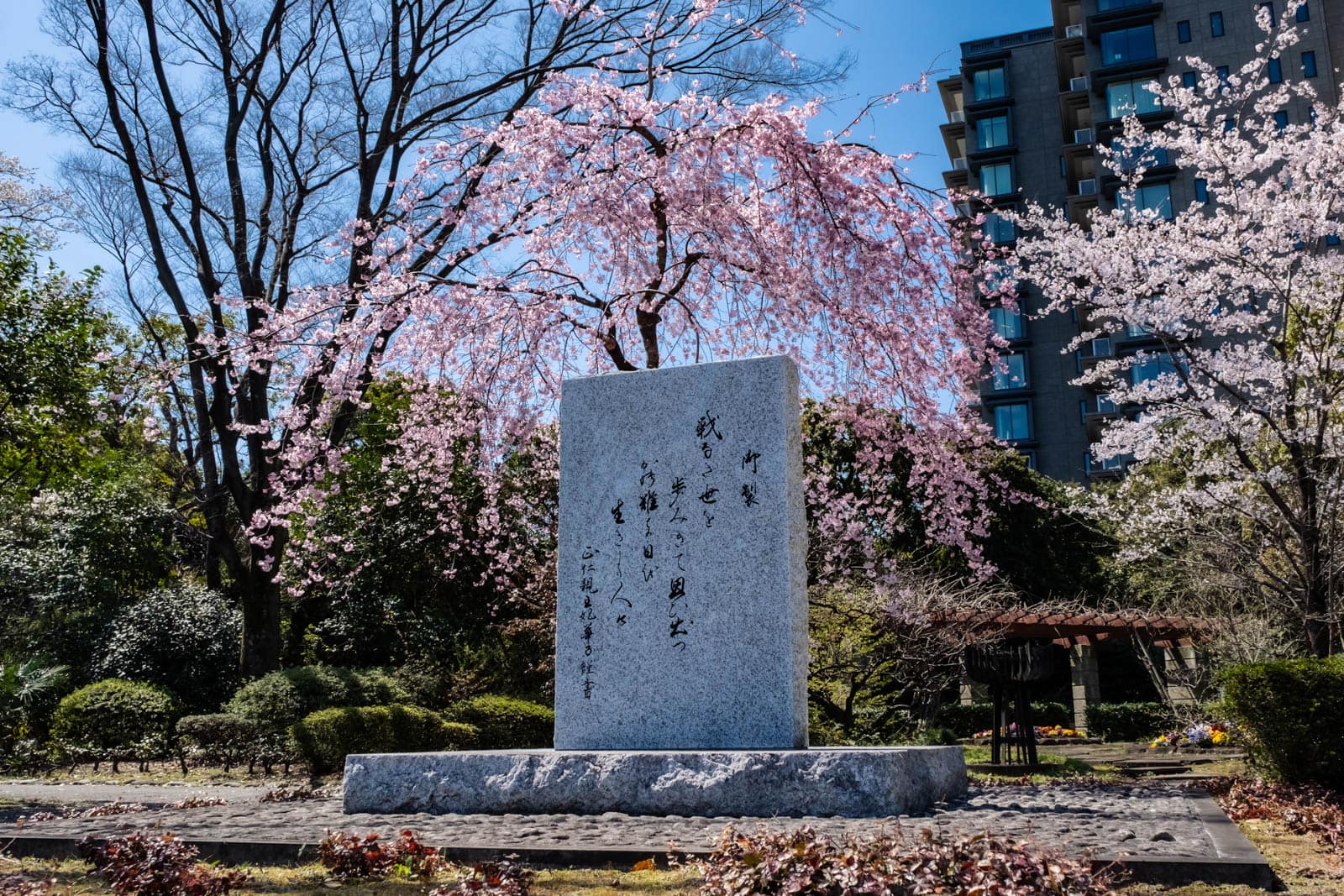
“Having walked through times
when there was no such great war,
My thoughts go out to
the people who had lived through
those days of cruel hardship.“
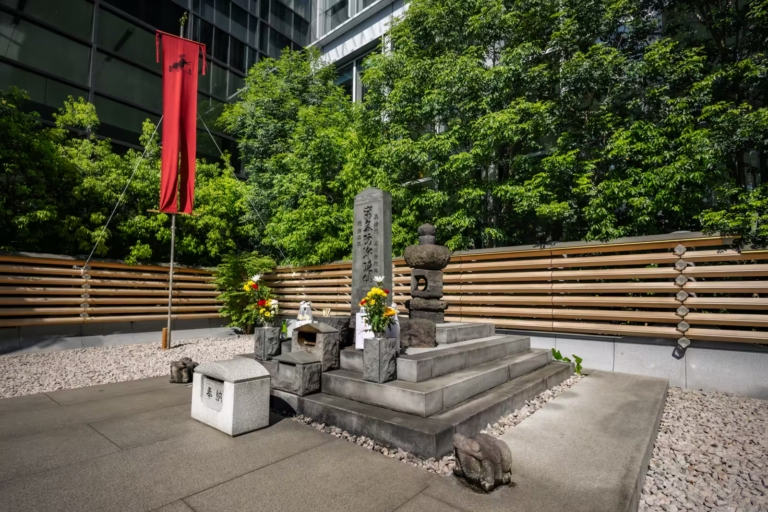
Emperor Akihito wrote these words in 2005 for the 60th anniversary of the end of the Pacific War. You can find them on a stone tablet in the courtyard of Chidorigafuchi National Cemetery. They honor the unidentified Japanese who perished overseas during World War II. It is a place of great remembrance.
Why was the cemetery built?
Completed in 1959, the cemetery is the final resting place for the remains of more than 370,000 soldiers and civilians. These remains were returned from distant battlefields.
Their identities were lost to the ravages of conflict. Chidorgafuchi is a national tomb for these unknown war dead, offering a place of solace and honor.
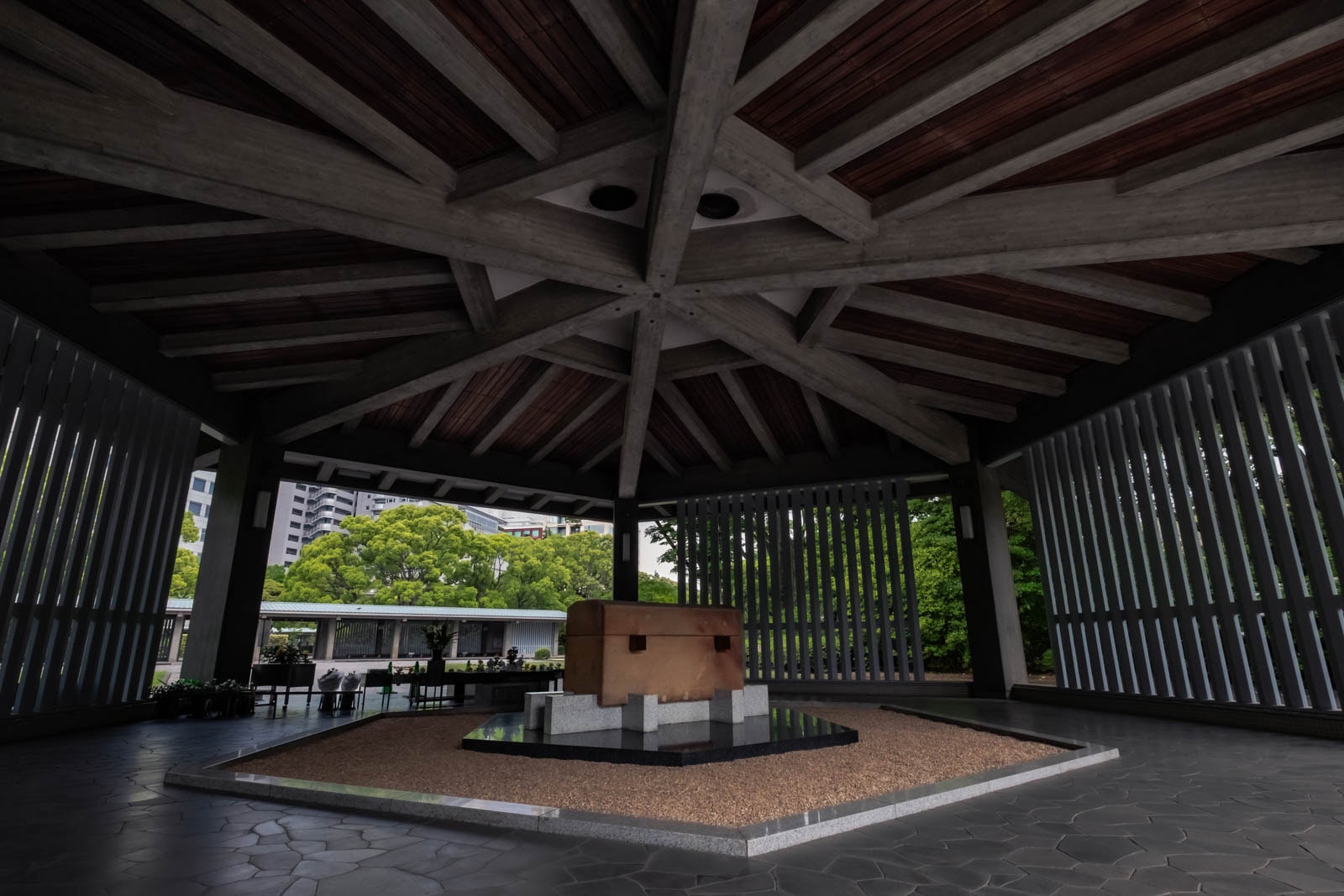
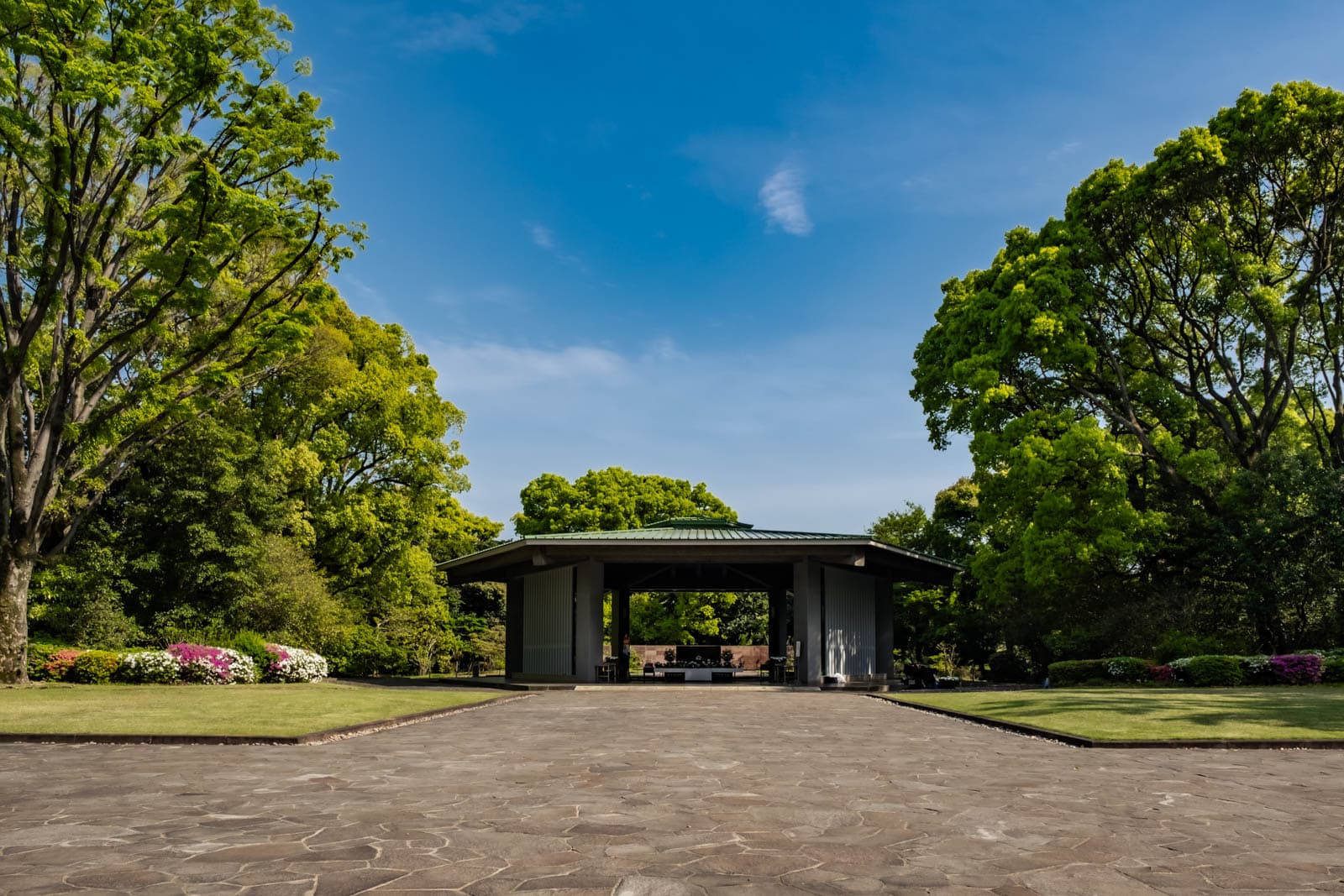
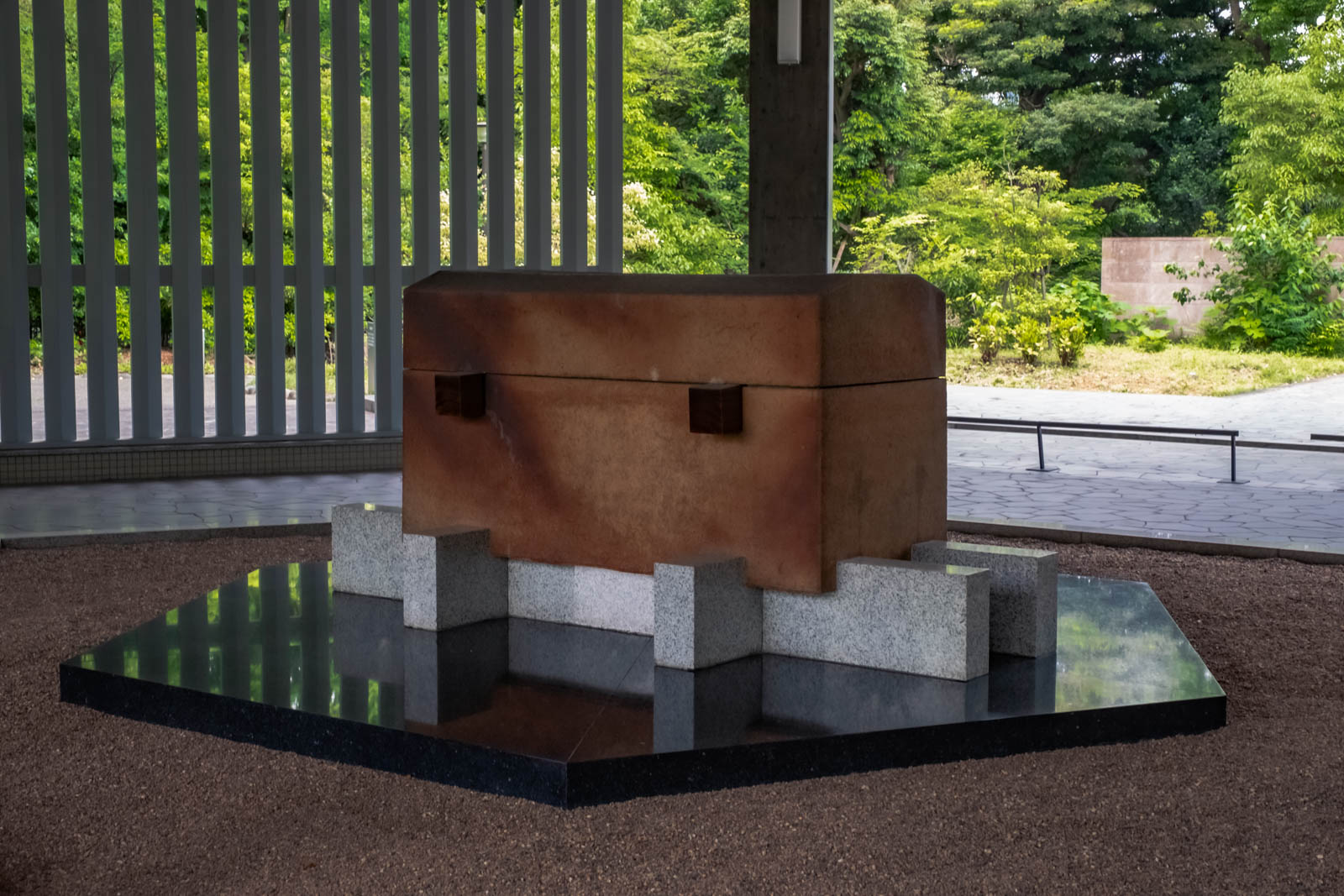
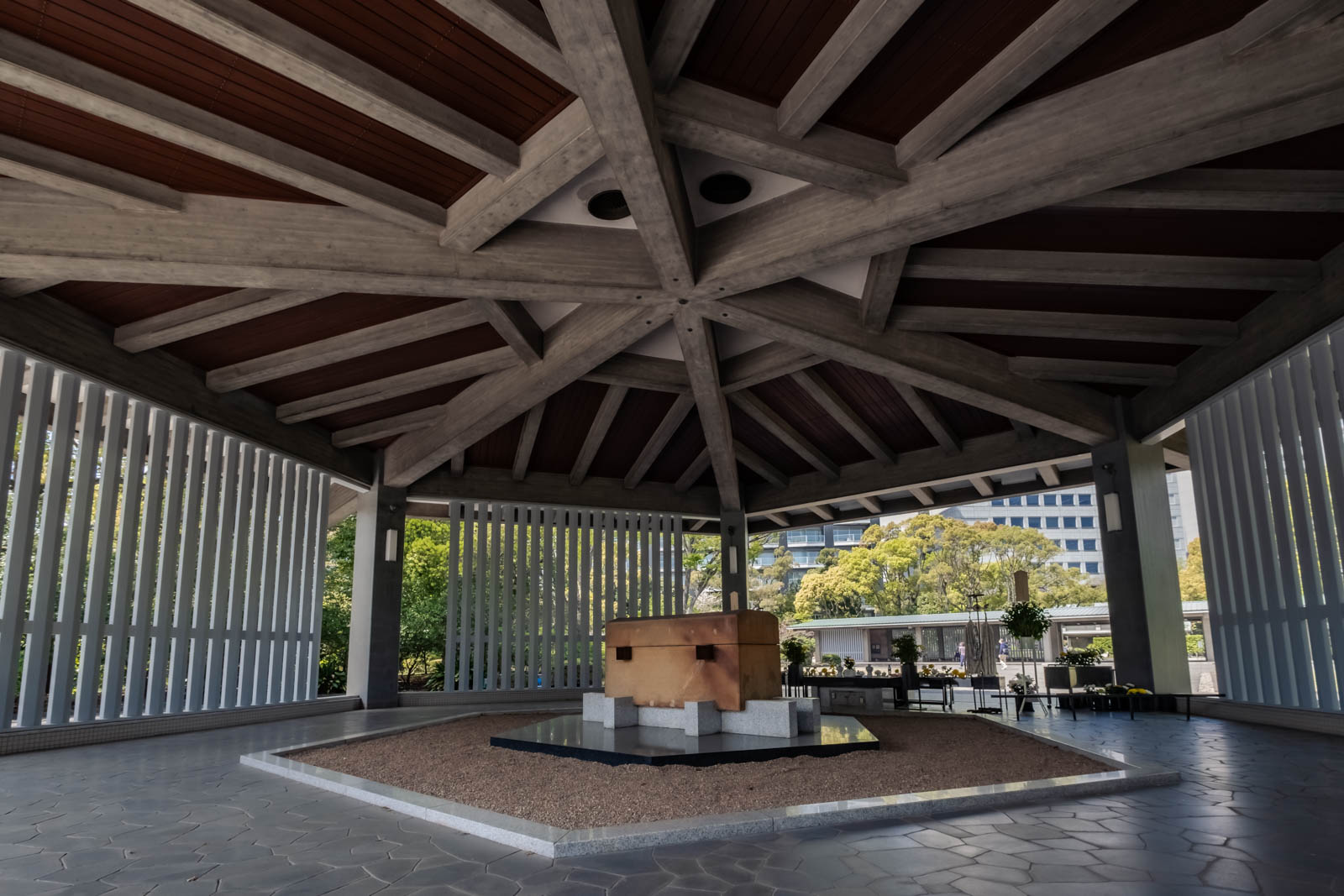
The focal point of the hallowed grounds is a large, hexagonal hall. Beneath its roof rests a five-ton ceramic coffin, one of the largest of its kind in the world.
This symbolic casket, crafted from stones and pebbles gathered from overseas battle zones, holds a gilt bronze urn gifted by the Showa Emperor (Hirohito). The urn contains remains that represent all who died, resting above a subterranean ossuary where the thousands of collected remains are housed.
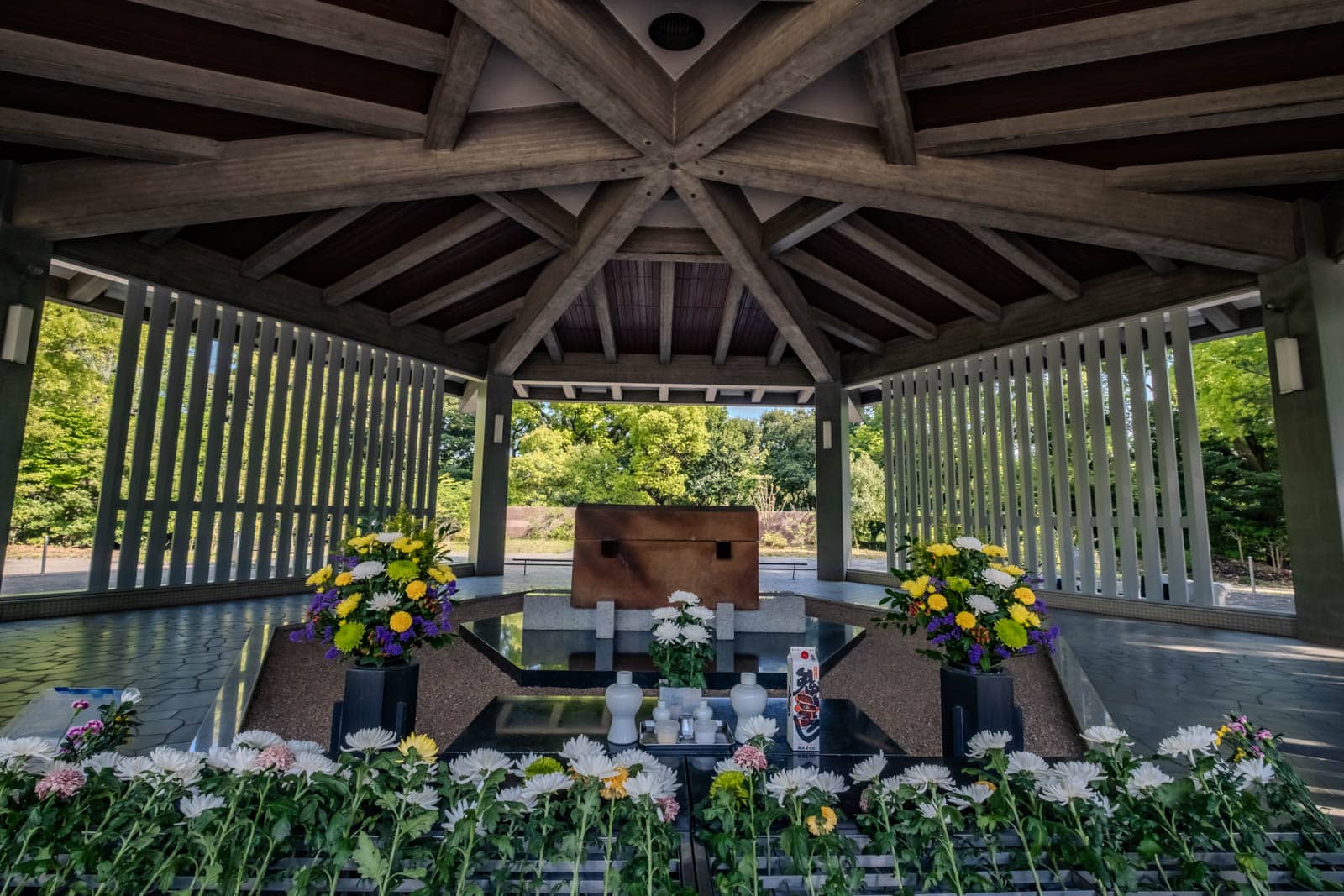
Surrounding the memorial, large trees muffle the sounds of the bustling city, creating a serene and private sanctuary. Visitors, often from older generations, come to offer quiet prayers and lay flowers, their stays typically brief but filled with reverence.
A visitor’s & photographer’s guide
Photography is permitted, but it is crucial to remain respectful of the solemn atmosphere and of others paying their respects.
Chidorigafuchi points of interest
- The ceramic coffin: The main hexagonal hall and the symbolic coffin are the central features. A wide-angle lens is best for capturing the scale of the structure from up close. Note that a barrier prevents access directly behind the coffin.
- Imperial poems: In the courtyard, you can find two stone tablets. One bears the poem from Emperor Akihito quoted above, and the other features a poem from his father, the Showa Emperor.
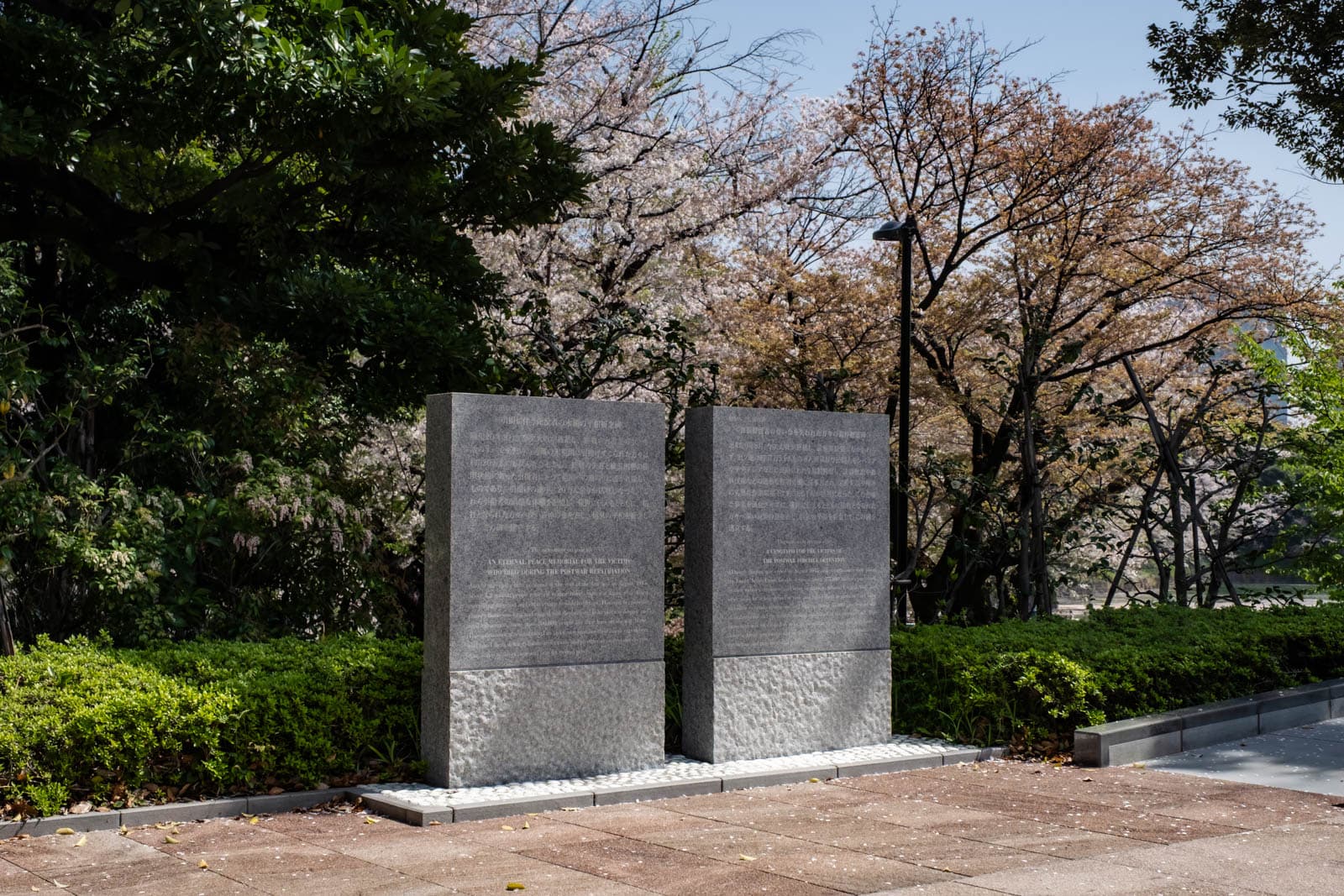
- Memorials: Two smaller monuments stand side by side. One is dedicated to those who died trying to return to Japan after the war. The other is for those who perished as prisoners of the Soviet Union.
Visitor etiquette
- Respect fellow visitors: This is a place of worship. Keep your voice low.
- Don’t take photos of visitors without permission.
- During official functions, you might be asked to refrain from taking images.
Plan your visit
- Address: 2 Sanbancho, Chiyoda City, Tokyo
- Closest train stations: Kudanshita Station (Tozai, Hanzomon, and Toei Shinjuku lines) and Hanzomon Station (Hanzomon Line).
- Opening hours:
- April 1st to September 30th: 9:00 a.m. to 5:00 p.m.
- October 1st to March 31st: 9:00 a.m. to 4:00 p.m.
- Admission: Free.
- Before any visit, check the official Chidorigafuchi National Cemetery website for the most up-to-date information.
- Here is the cemetery on a Google map:
Photospots near the cemetery
The cemetery’s central location makes it an excellent starting point for exploring other significant sites:
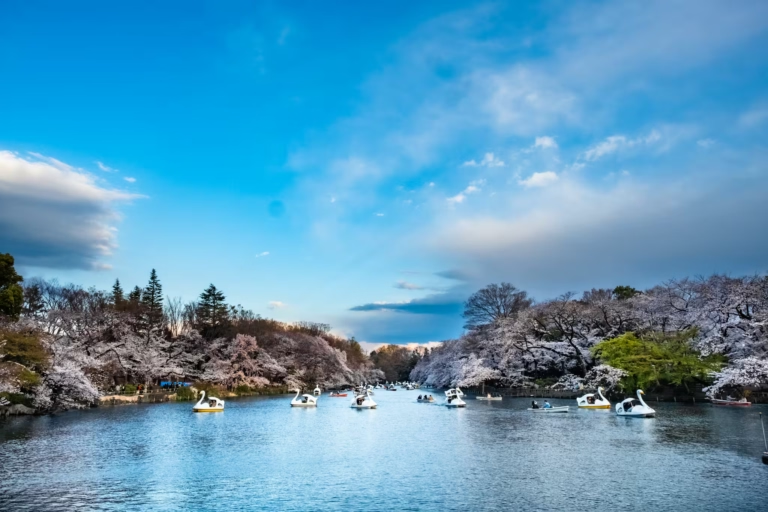
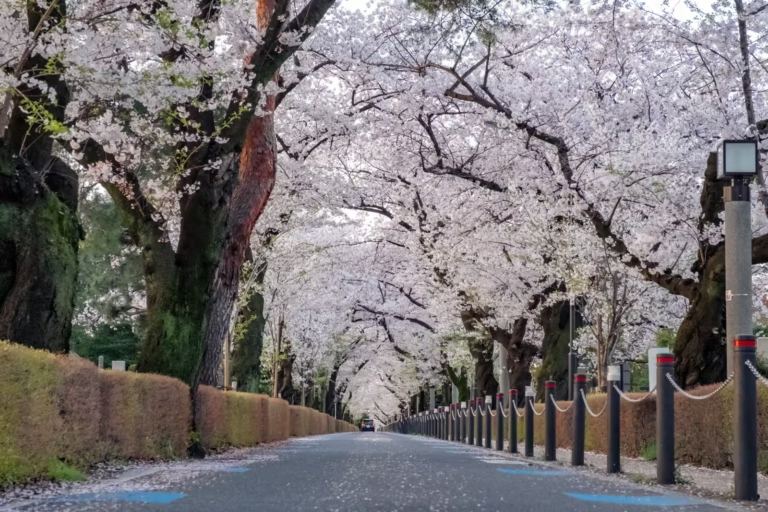
- Chidorigafuchi Green Way: Directly across the road, this path along the Imperial Palace moat is one of Tokyo’s most celebrated cherry blossom viewing spots. During sakura season, the normally tranquil area becomes vibrant and crowded.
- Imperial Palace: The primary residence of the Emperor of Japan.
- Kitanomaru Park: A large public park that houses the Nippon Budokan arena and the Science Museum.
- Yasukuni Shrine: One of Tokyo’s most well-known and controversial shrines.
- Jinbocho Book Street: A neighborhood renowned for its many bookshops.
Is Chidorigafuchi National Cemetery worth visiting?
While a visit to Chidorigafuchi National Cemetery may not take long, its poignant atmosphere leaves a lasting impression. Seeing the immense symbolic coffin is a thought-provoking experience, a powerful reminder of the human cost of war and a peaceful sanctuary for remembrance in one of the world’s busiest cities.
Remember the Chidorigafuchi cherry blossoms are just over the road, so try to time your visit for those. By the way, have you visited this cemetery? What did you think of it?