Myohoji Temple
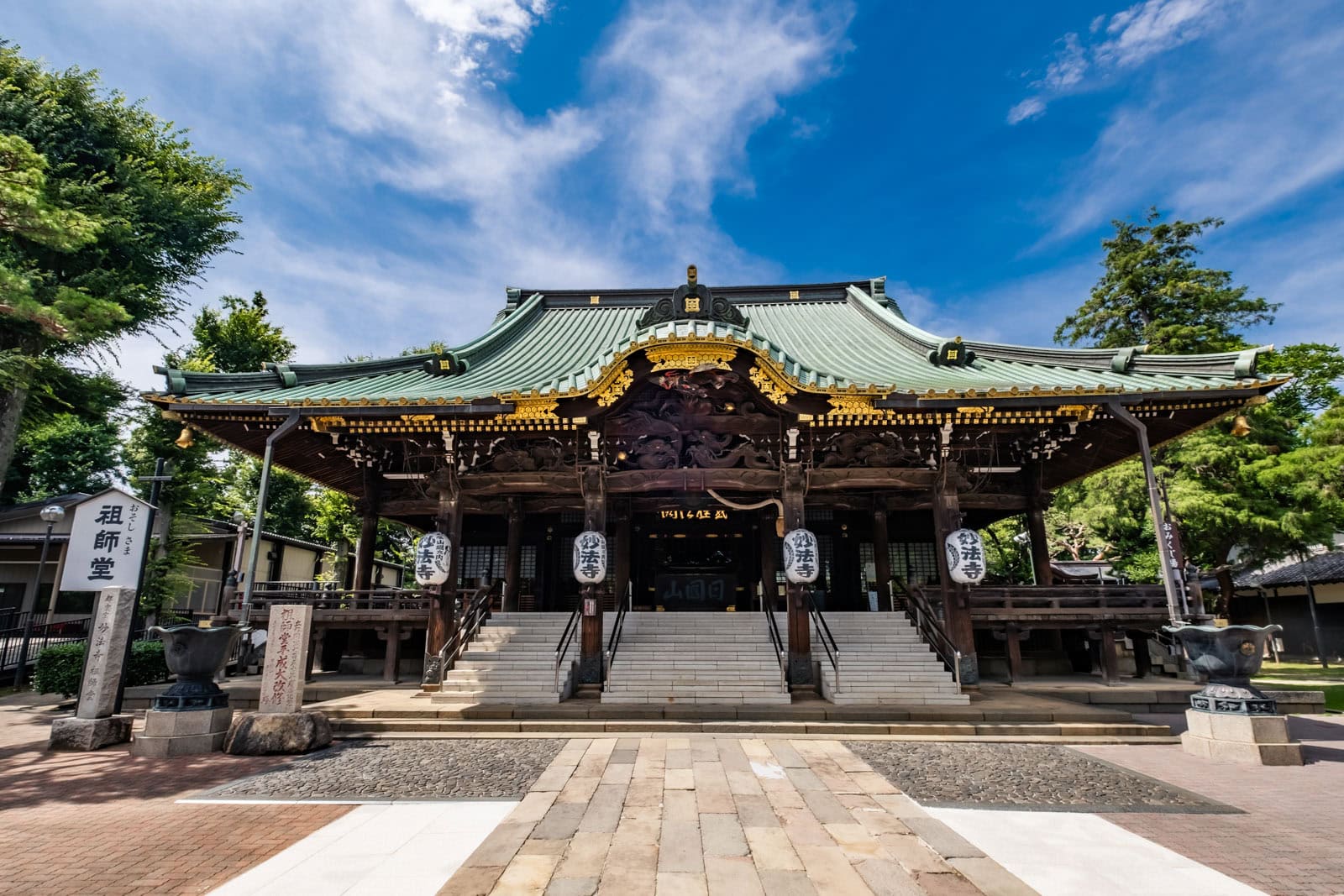
Myohoji might be one of Tokyo’s lesser-known temples on the international tourist circuit, but don’t let that discourage you. While it doesn’t have the massive crowds of Sensoji or Zojoji, it is deeply respected locally as a powerful spot for yakuyoke (warding off evil).
For the visitor, Myohoji offers a perfect blend of traditional architecture, a peaceful atmosphere, and a fascinating, unexpected slice of history connecting it to England. It is an attractive, compact complex that I’m sure you’ll enjoy exploring.
Here is why this temple deserves a spot on your Tokyo itinerary
Wood carvings & Buddhist architecture
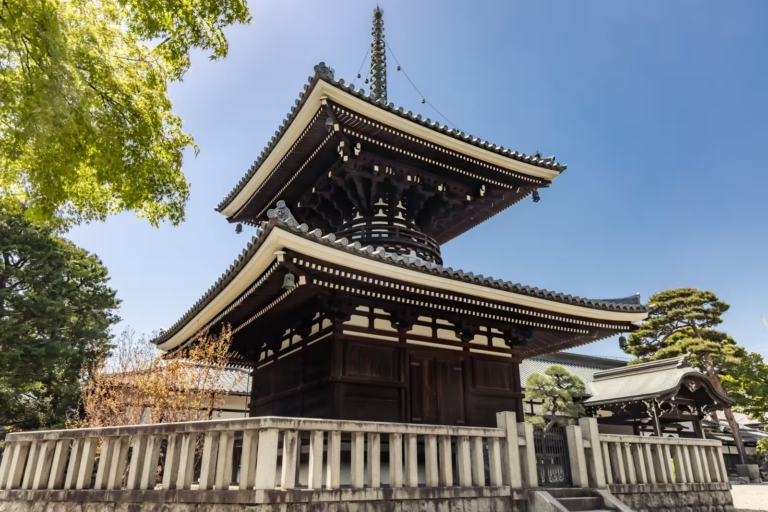
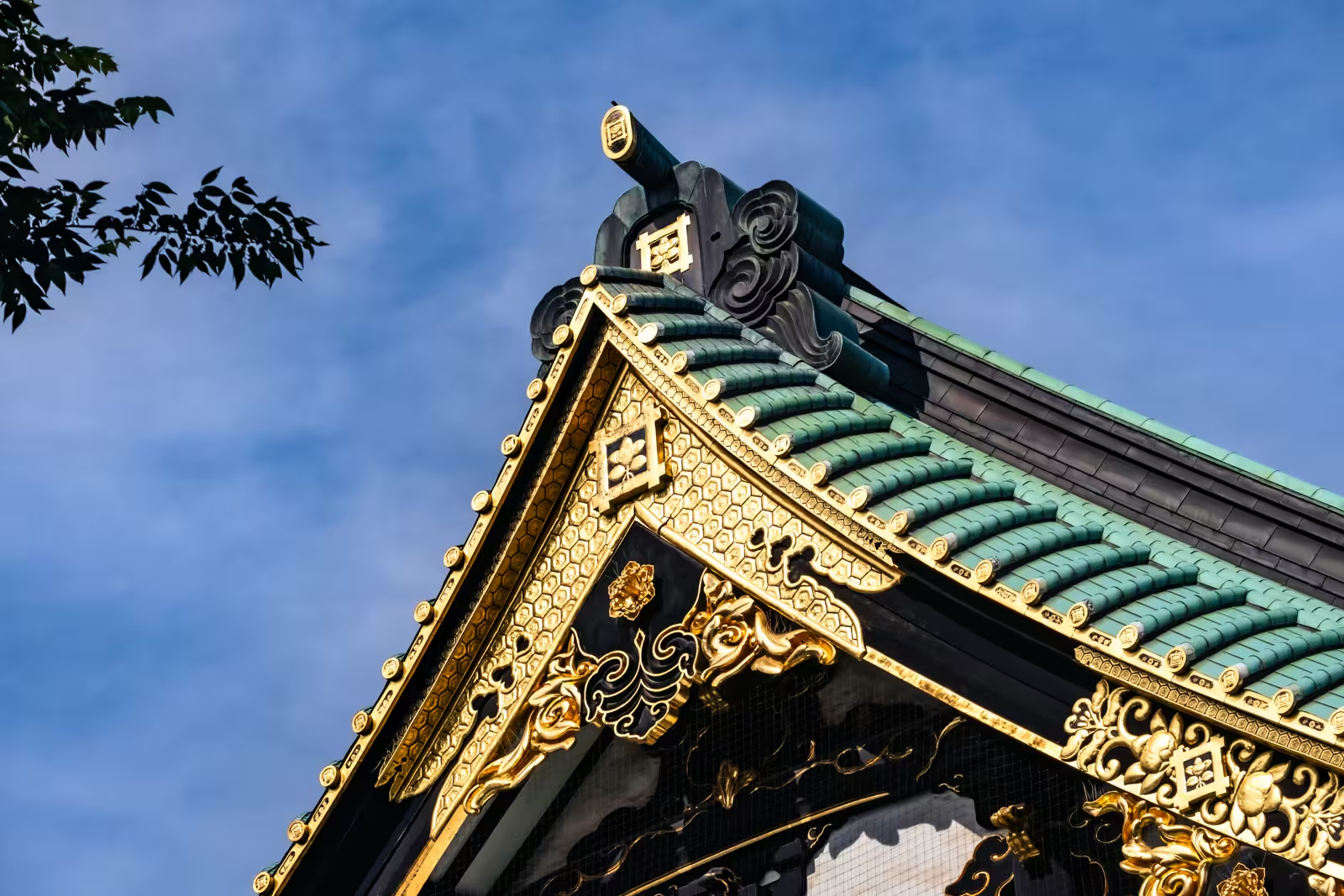
Founded in the early 17th century (originally Shingon, now Nichiren Buddhist), the temple is a paradise for lovers of architectural photography. The centerpiece is the Soshido (the hall dedicated to the founder). It features a classic, sweeping roof topped with bright red onigawara (ogre-tile) gargoyles.
If you bring your zoom lens, look closely under the eaves. The wooden carvings of mythical creatures are incredible. You’ll spot dragons and Baku (dream eaters) watching over the complex.
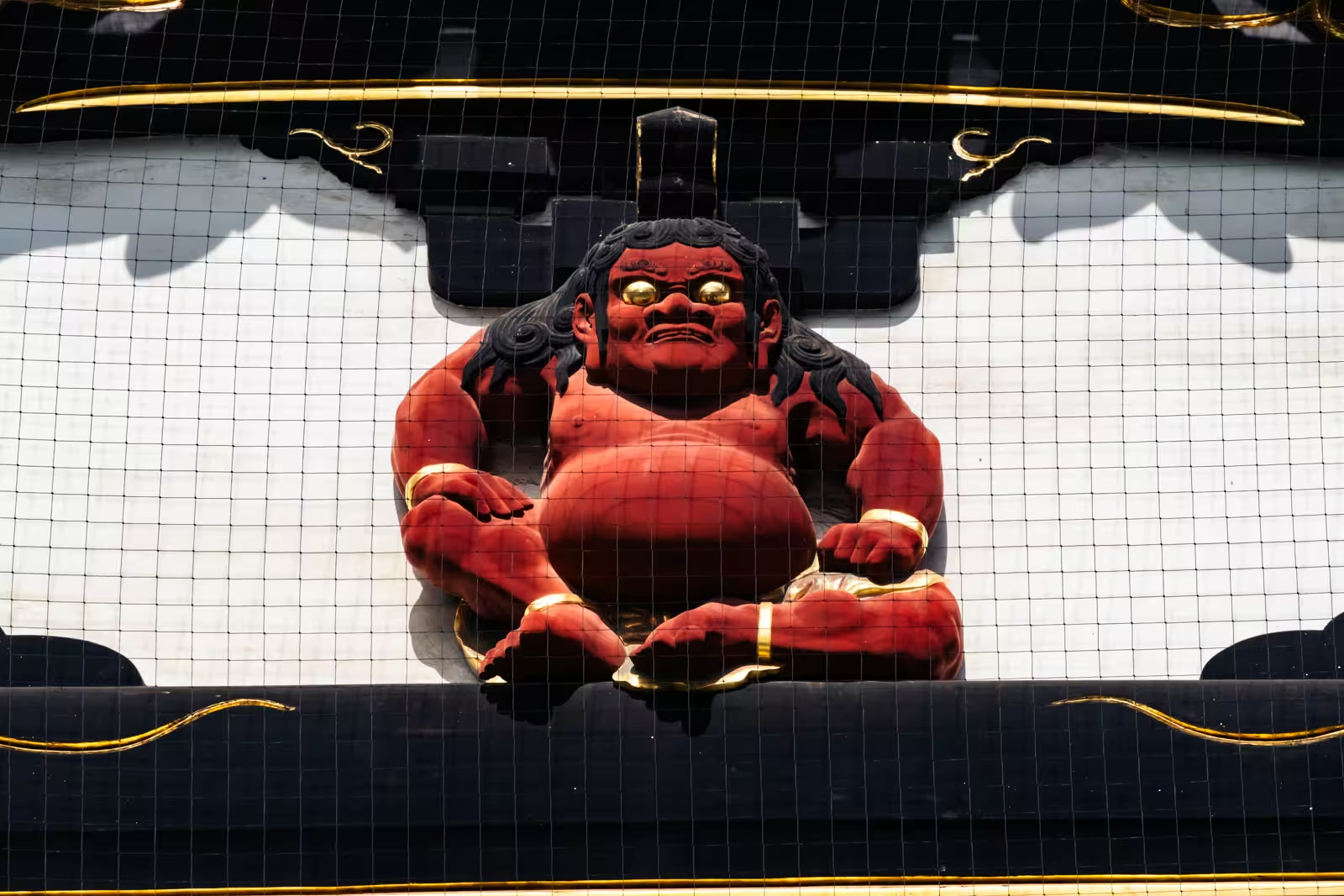
According to legend, the powerful Shogun Ietsuna Tokugawa even donated the two fierce guardian deities housed in the main Nio-mon gate.
Josiah Conder’s Victorian iron gate
What makes Myohoji truly unique among Tokyo temples? It features the work of Josiah Conder who designed Western-style mansions at Kyu-Furukawa Gardens and Kyu-Iwasaki Gardens. He is often called the “father of modern Japanese architecture.”
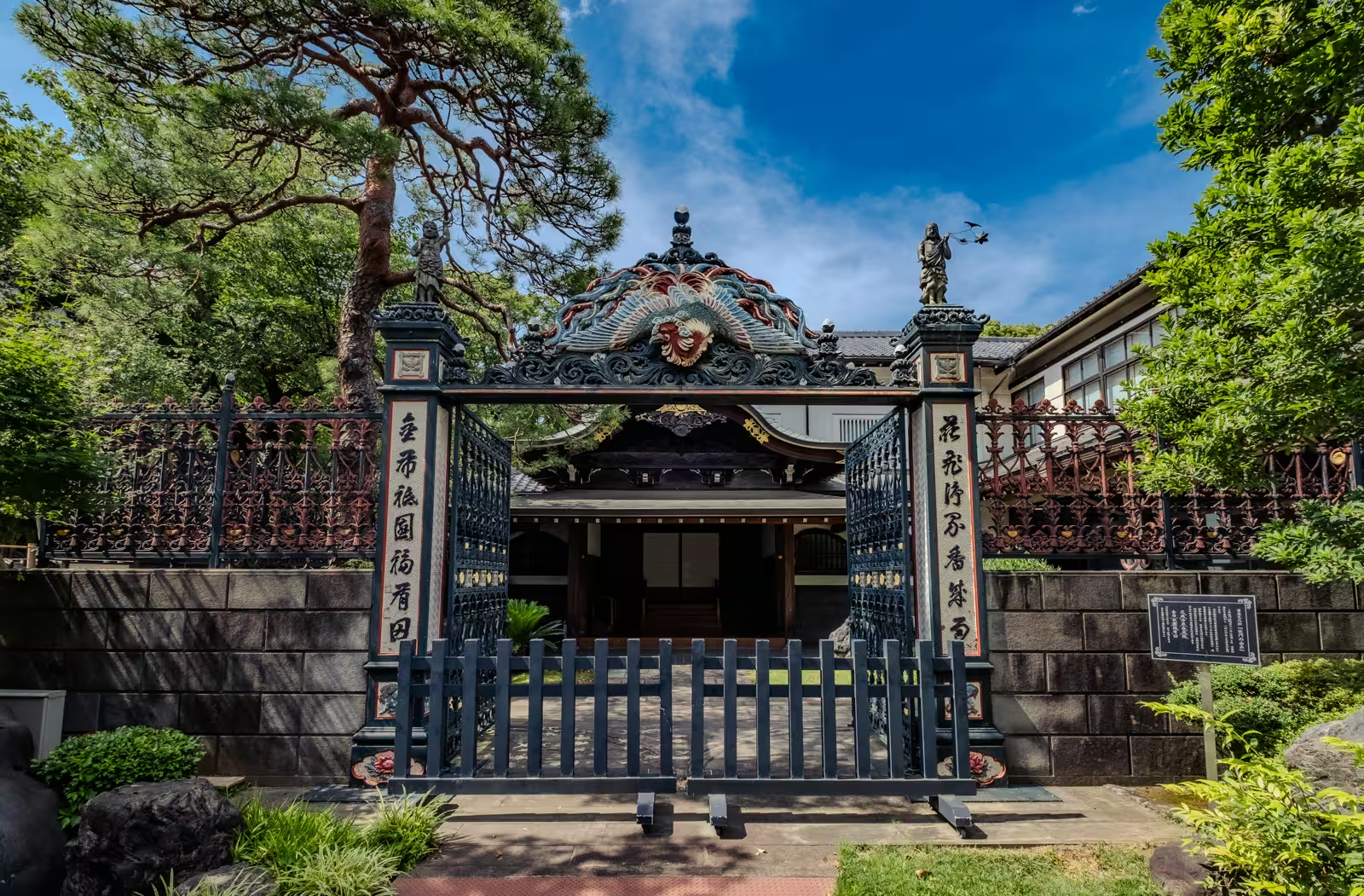
At Myohoji, Conder designed the incredible iron gate at the entrance. Seeing this intricate, Victorian-industrial design framing the entrance to a traditional Japanese temple is a fascinating contrast and a detail many visitors miss.
Hydrangea garden
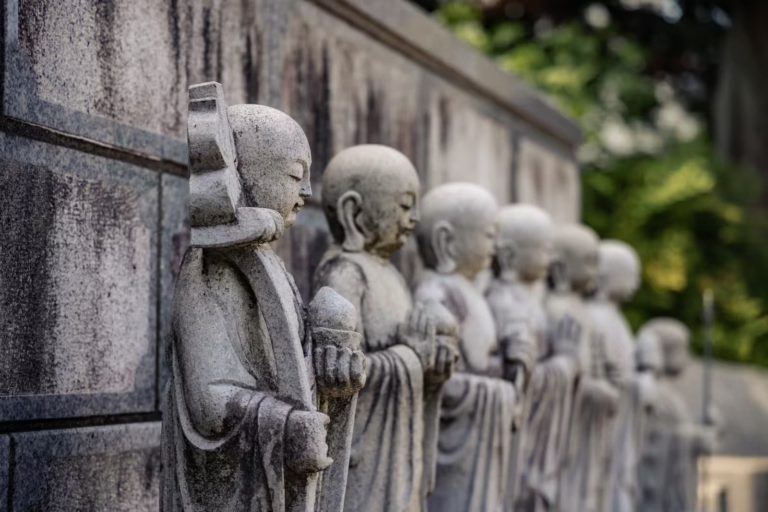
Behind the impressive Soshido, the atmosphere shifts. This area is filled with trees, memorials, and statues. It provides deep shade and a profound sense of peace, making it a great place to sit, relax, and think away from the city noise.
Summer tip: If visiting in summer, pack insect repellent for the mosquitoes!
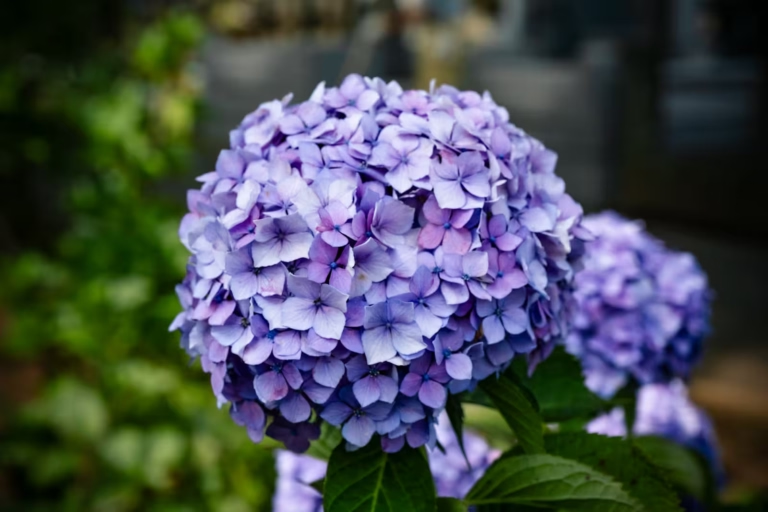
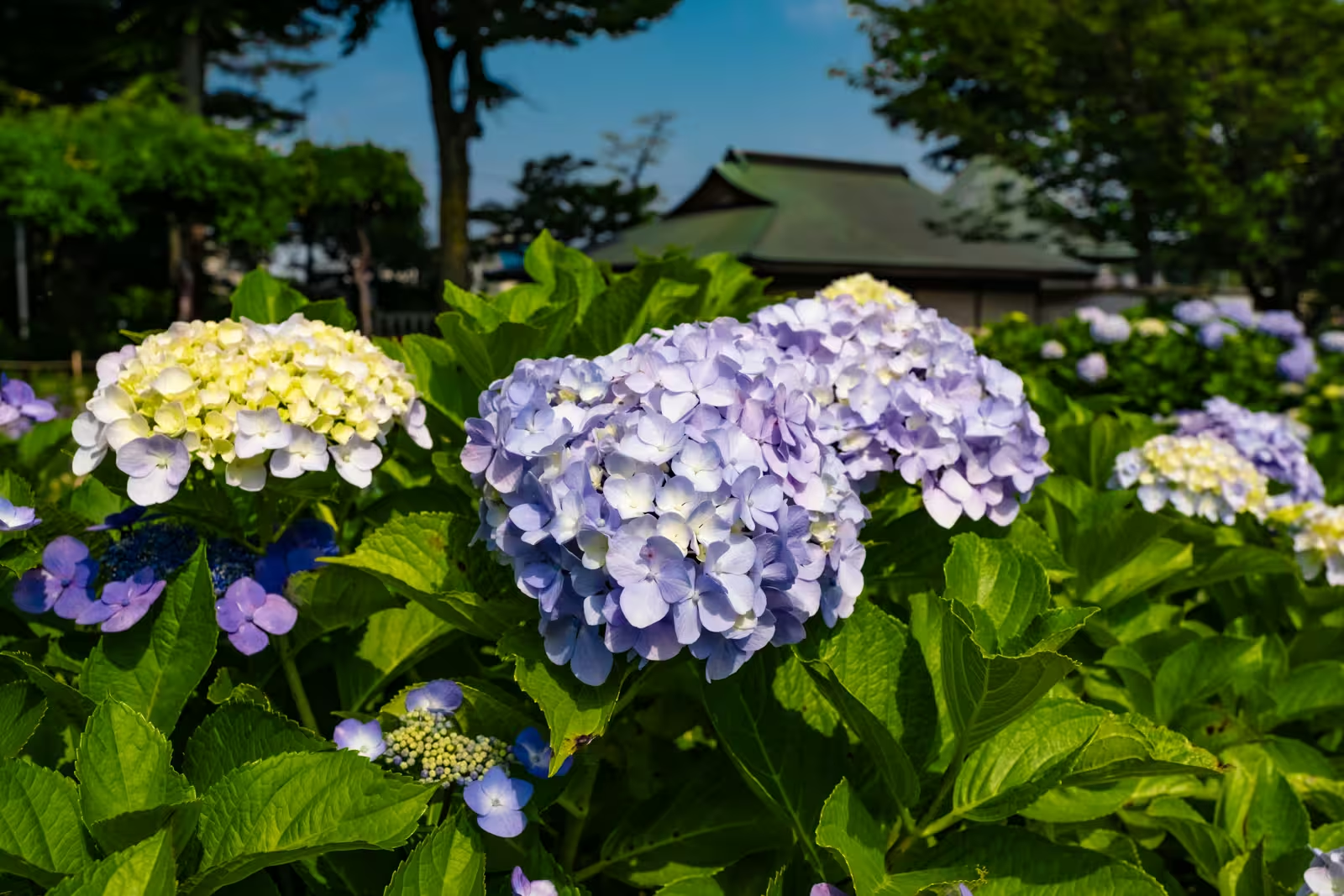
This back area, near the cemetery, is also famous in Suginami Ward for its hydrangea garden. If you are in Tokyo in early summer (usually June), you must visit.
While it isn’t on the same scale as Hakusan Shrine, I find it more charming. The flowers bloom along a path lined with old lanterns and gates, creating a remarkably picturesque scene.
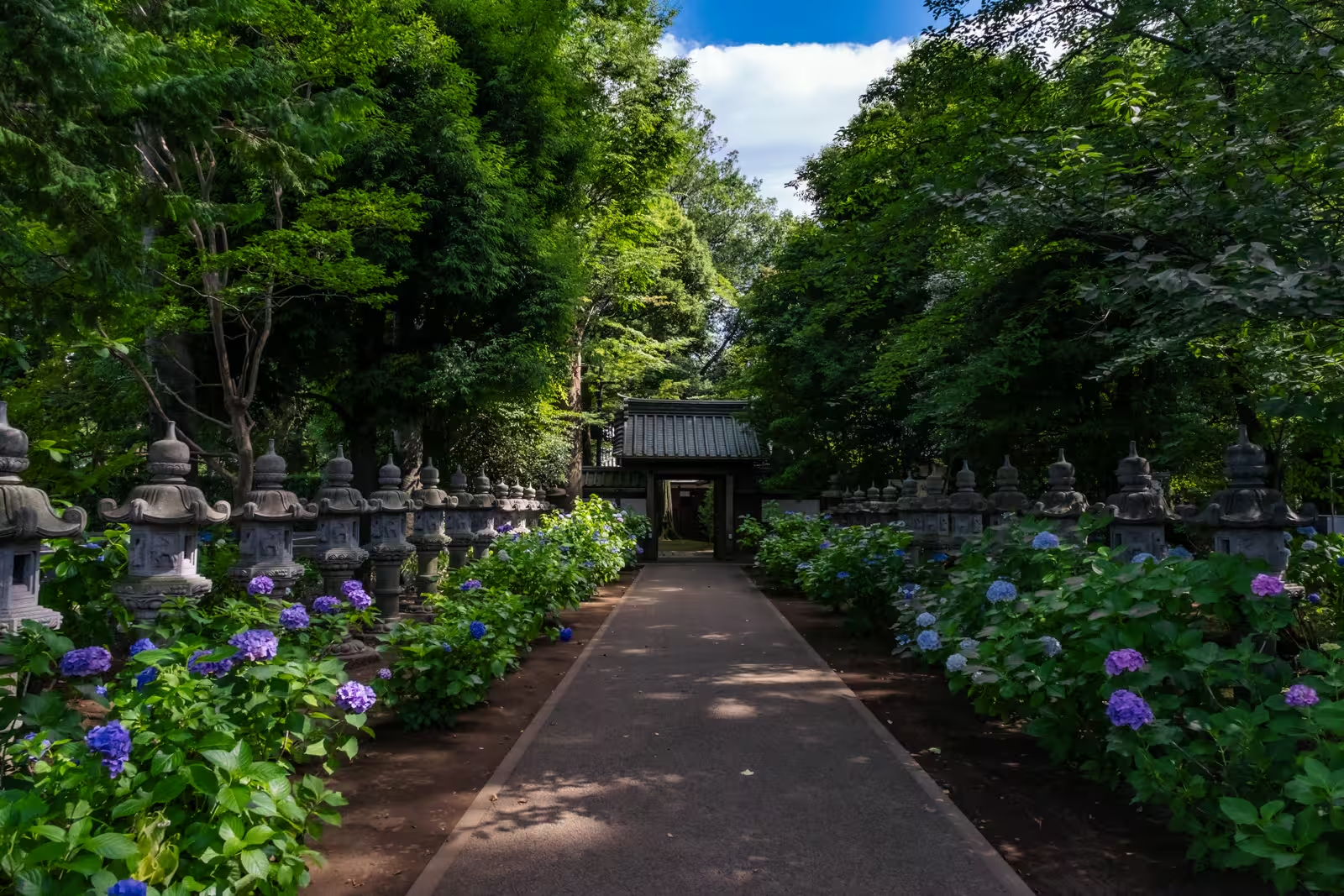
Hydrangea garden photo archive
Photography tips & temple etiquette
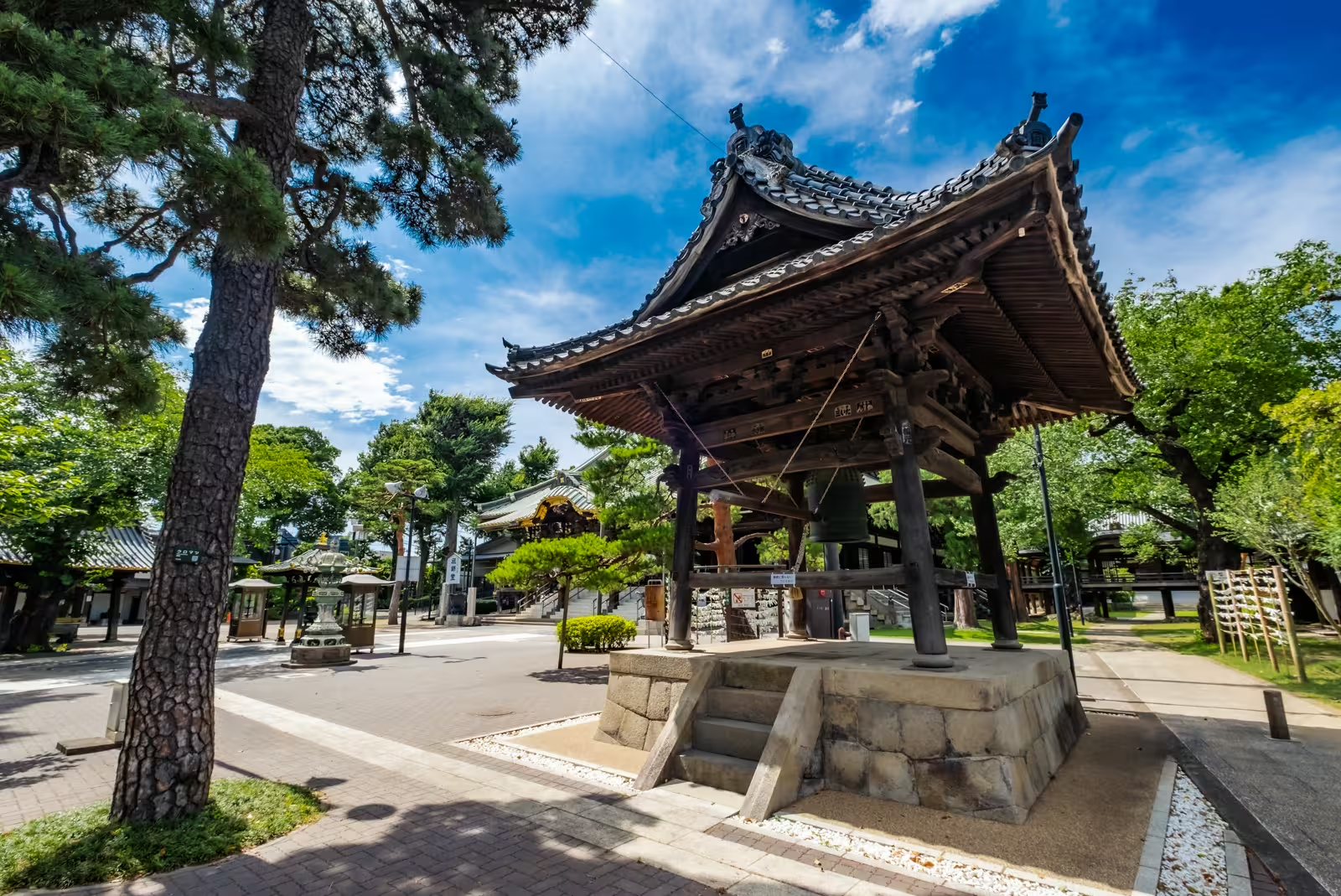
Myohoji is compact, so you won’t exhaust yourself walking between sites. The Soshido, the Conder gate, and the Nio-mon gate are all close together in the main courtyard.
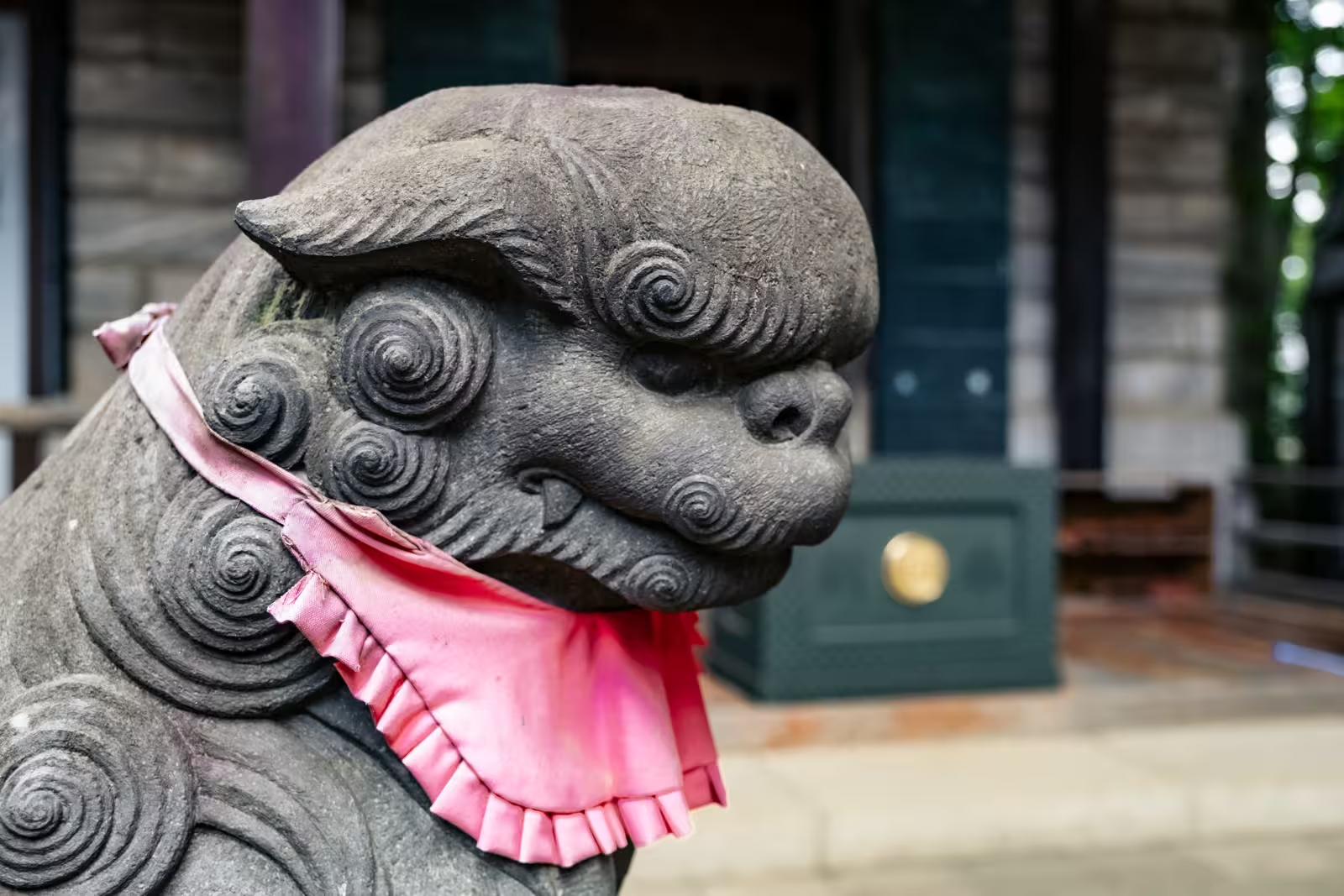
- Explore for details: My best advice is to poke around corners and look behind the main structures. By doing this, I once discovered a pair of beautiful komainu (guardian dogs) in front of a small, hidden altar—a very pleasant surprise.
- Etiquette: Remember that Myohoji is an active place of worship. You will likely see priests going about their duties; please allow them their privacy. Also, be sure to respect any “Keep Out” signs, especially between buildings.
Visitor information
- Address: 1-1-19 Umezato, Suginami City, Tokyo
- Closest train stations: Shin-Koenji and Higashi-Koenji (both on the Tokyo Metro Marunouchi Line).
- Opening hours:
- September 23 to March 20: 6:00 a.m. to 4:30 p.m.
- March 21 to September 22: 5:30 a.m. to 5:00 p.m.
- For more information, consult the official Myohoji website:
- Here is the temple on Google Maps:
Photo spots near Myohoji
While there aren’t many other photo spots immediately next door, the temple is a short walk from the lively, retro streets of Koenji (famous for the Awa Odori). It’s perfect for grabbing coffee after your visit.
The immediate area around Myohoji is residential, so you can explore what Tokyo is like in the suburbs. Many small temples dot the area which can yield some unexpected discoveries. Also, a short walk away is Omiya Hachimangu, a locally famous shinto shrine you should read about.
Is this temple worth visiting?
Myohoji should be on your bucket list if you are a temple lover who prefers atmosphere over crowds. The architecture is excellent, the history is deep, and that fabulous English connection with Josiah Conder makes it unique.
And don’t forget that hydrangea garden in summer! If you have questions about visiting or have been there yourself, leave a comment below.