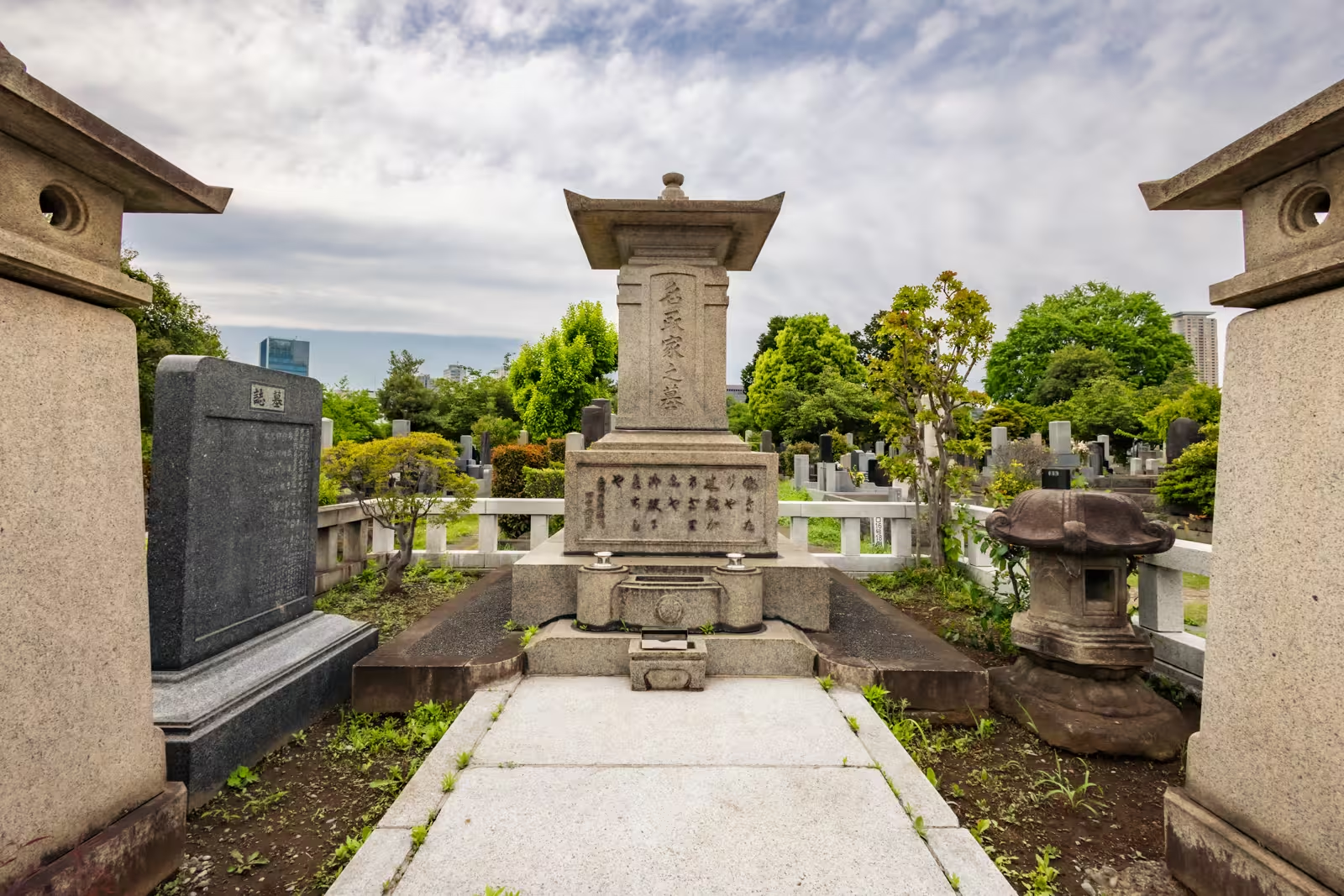

Do you know the word, taphophile? It means individuals who have an appreciation for cemeteries, gravestones, and the art, culture, and stories they represent. Another word to describe them is tombstone tourist, which seems less confronting.
If you are one of those, Tokyo is one of the best places in the world to be.
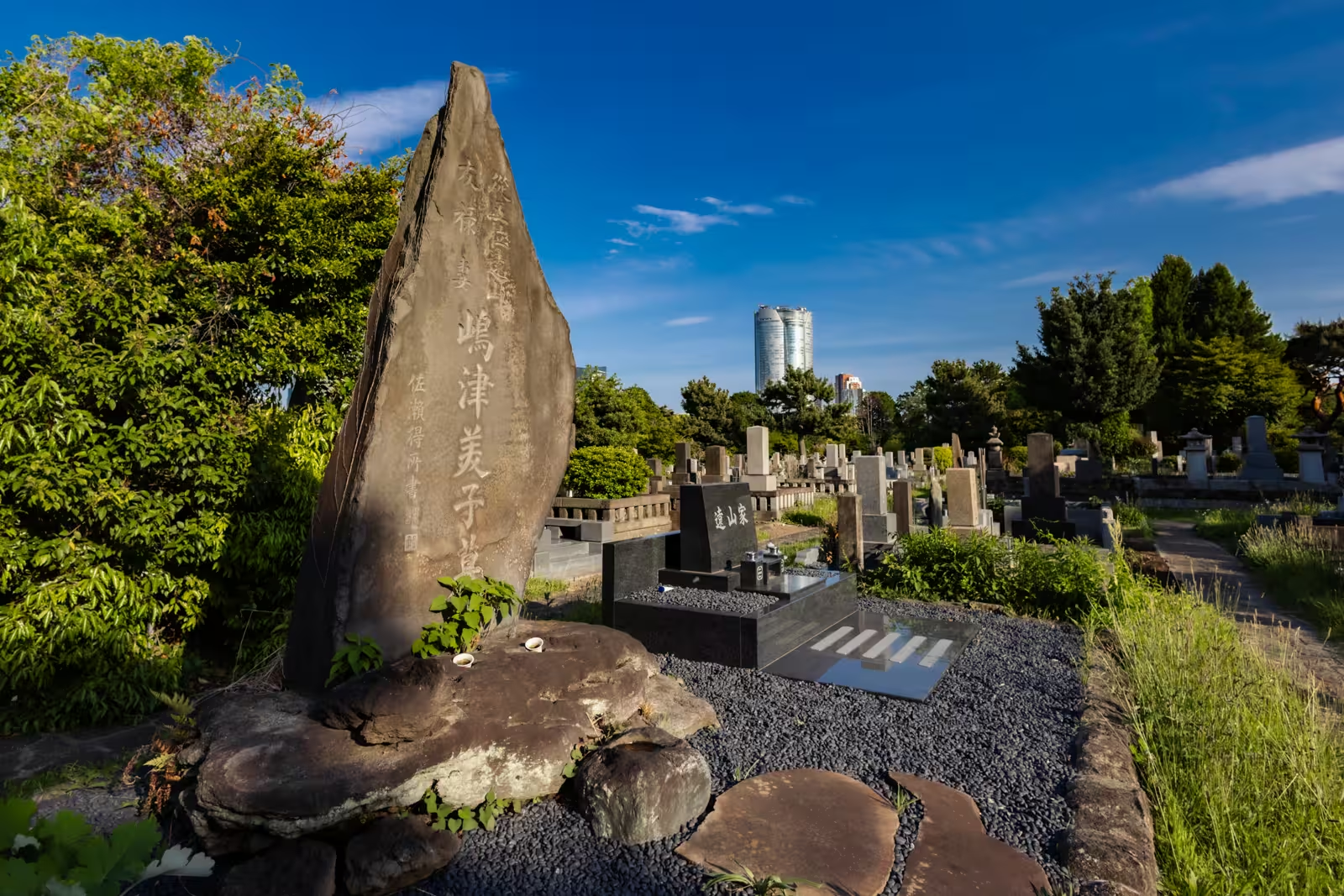
Being the metropolis it is, Tokyo has numerous cemeteries, but I’m going to show you seven of its best. They are Aoyama, Chidorigafuchi, Musashi Imperial Graveyard, Somei, Tama, Yanaka, and Zoshigaya.
They aren’t simple graveyards, these are enormous green spaces known as Reien (Spirit Parks). The artists, politicians, doctors, engineers, explorers, movers and shakers of Japanese history rest in them.
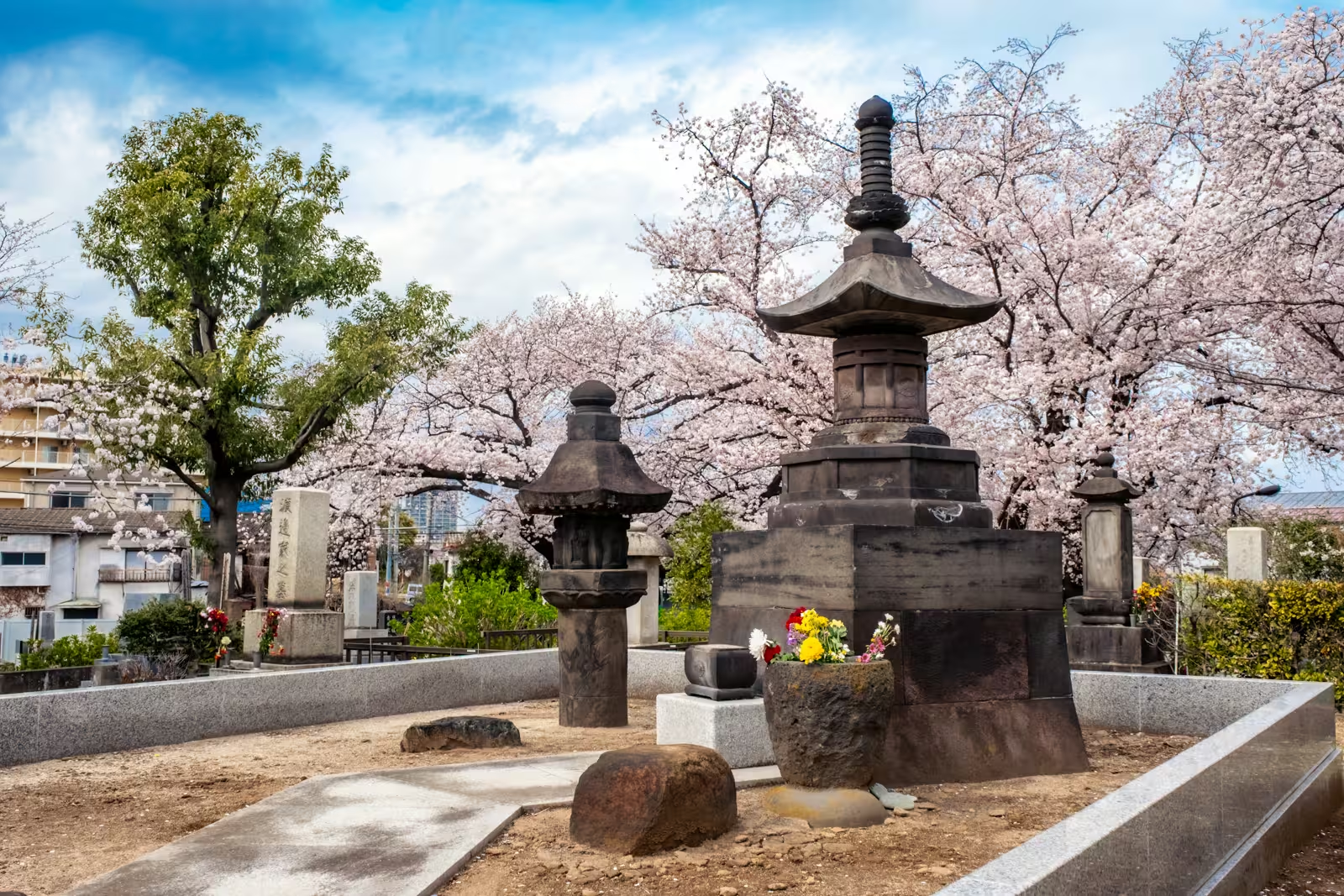
Some also have the best spots for cherry blossom or autumn leaves. But, whatever type of photography you are into, they have something for you.
Tokyo cemetery guide comparison table
|
Cemetery |
Best photography season |
Key highlight |
Closest train/subway station |
|
Spring (Cherry blossom road) |
Numerous historical graves, foreign section & skyline views |
Nogizaka / Gaienmae |
|
|
Spring (cherry blossoms) |
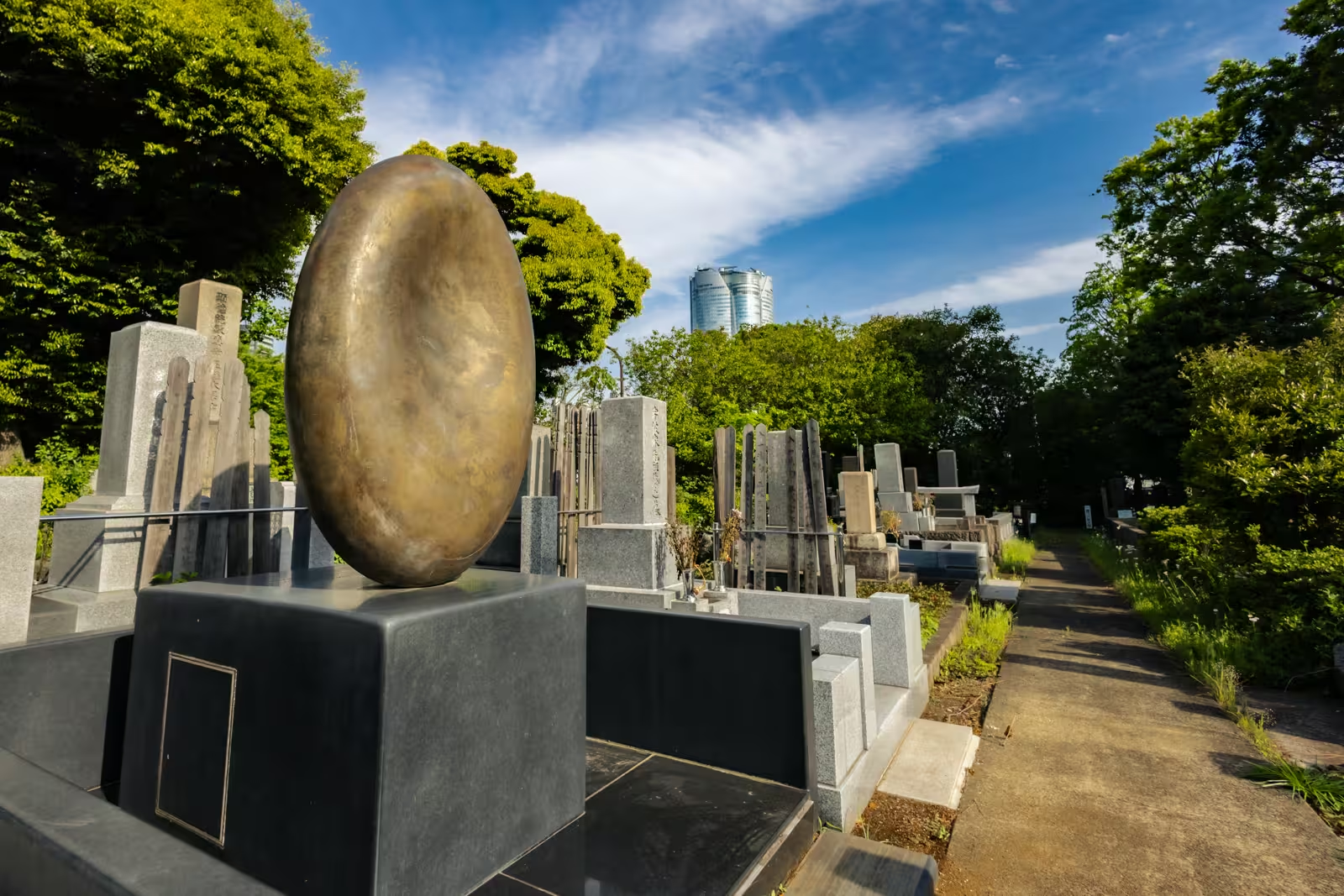
World’s largest ceramic object |
Hanzomon |
|
|
Musashi Imperial Graveyard |
Coming soon |
Coming soon |
Coming soon |
|
Somei |
Coming soon |
Coming soon |
Coming soon |
|
Spring and autumn (cherry blossoms and maples) |
Numerous historical graves & scale |
Tama-Reien / Seibu-Tama |
|
|
Spring (Cherry blossoms) |
Shogun & other historical graves |
Nippori |
|
|
Autumn (Ginkgo) |
Numerous historical graves, including Natsume Soseki’s |
Zoshigaya / Ikebukuro |
What each cemetery has for you
- Aoyama Cemetery: Is in a central city location and is popular during the sakura blossom, especially famous for its Cherry Blossom Road, and the “Foreigner Section.”
- Musashi Imperial Graveyard (coming soon): Located near Mt. Takao, this is the resting place of the Taisho and Showa Emperors. Photographically, it is a total departure from the others; expect massive cryptomeria (cedar) forests, wide gravel paths, and monumental mounded earth graves instead of stone markers.
- Somei Cemetery (coming soon): Located in the historic Sugamo area, this is the smallest of the metropolitan cemeteries. For photographers, its claim to fame is being the birthplace of the Somei Yoshino cherry blossom. It offers an intimate, “Old Tokyo” residential feel.
- Tama Cemetery: A huge cemetery which is filled with the movers and shakers of Japanese history such as Admiral Isoroku Yamamoto and Yukio Mishima.
- Yanaka Cemetery (coming soon): This is where you’ll find the grave of Japan’s last shogun, Yoshinobu Tokugawa. It’s also near Tennoji Temple which has a Big Buddha.
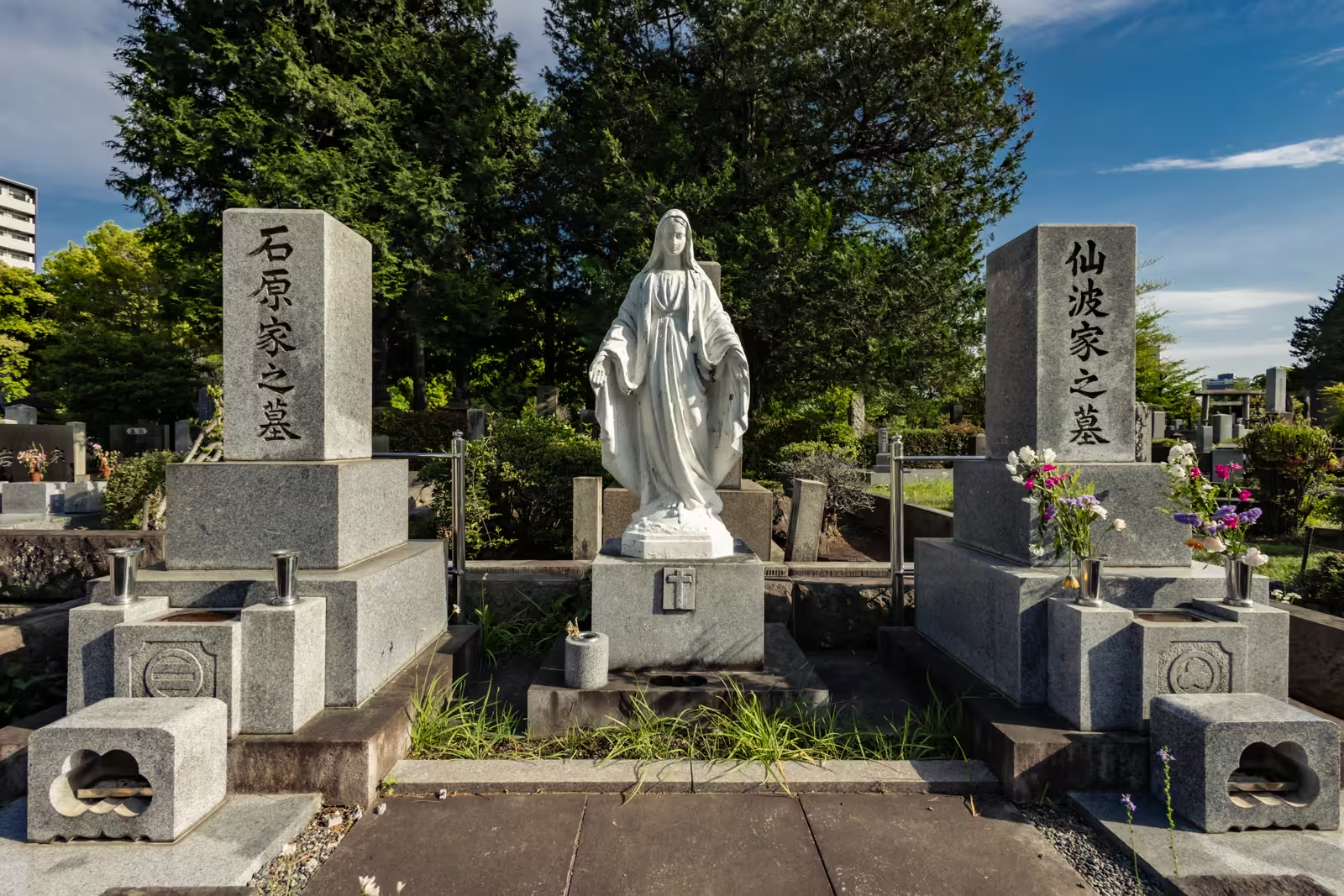
- Zoshigaya Cemetery: Also filled with many historical figures. It is the resting place of Natsume Soseki and Tojo Hideki. It’s a quiet, forest-like oasis of peace and tranquility.
Who lies in these cemeteries?
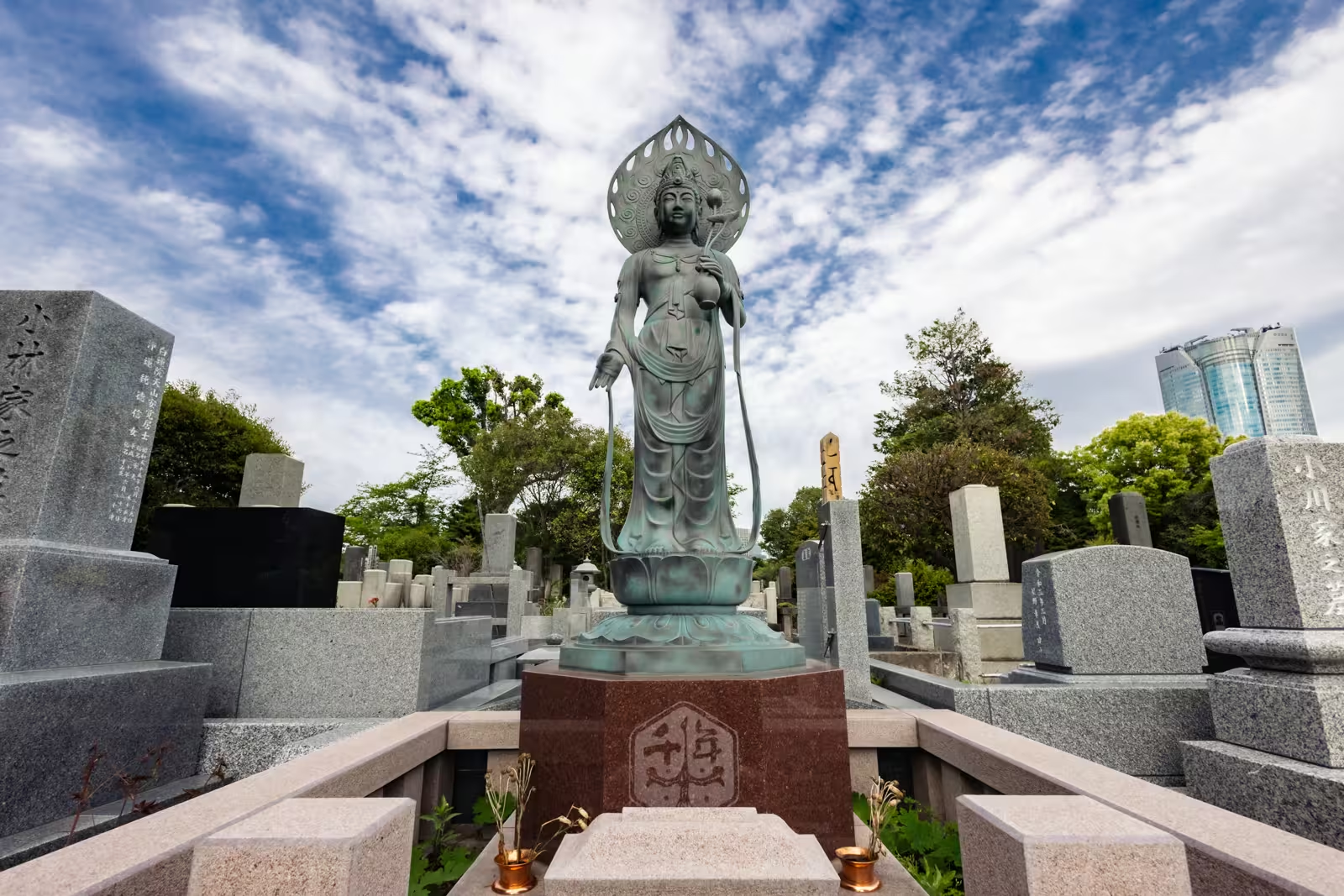
It’s literally a who’s who from Japanese history. Politicians, authors, military people, actors, scientists, dancers, and more rest in these places. Quite a few foreigners are mixed in them too. Here are a few:
- Emperors Showa and Taisho (Musashi Imperial Graveyard)
- Hachi: Japan’s most famous dog (Aoyama Cemetery)
- Mishima, Yukio: famed Japanese author
- Natsume Soseki: author who wrote, “I am a Cat” (Zoshigaya Cemetery)
- Ogino, Ginko: the first licensed female physician practicing Western medicine in Japan (Zoshigaya Cemetery)
- Tokugawa, Yoshinobu: Japan’s last shogun (Yanaka Cemetery)
- Wirick, Loduska, J: an American Christian missionary, educator, and nurse who treated wounded Japanese soldiers during the Russo-Japanese War (Somei Cemetery)
- Yamamoto, Isoroku: Admiral of the Imperial Japanese Navy (Tama Cemetery)
For more complete lists, obtain maps from each cemetery. They are quite extensive.
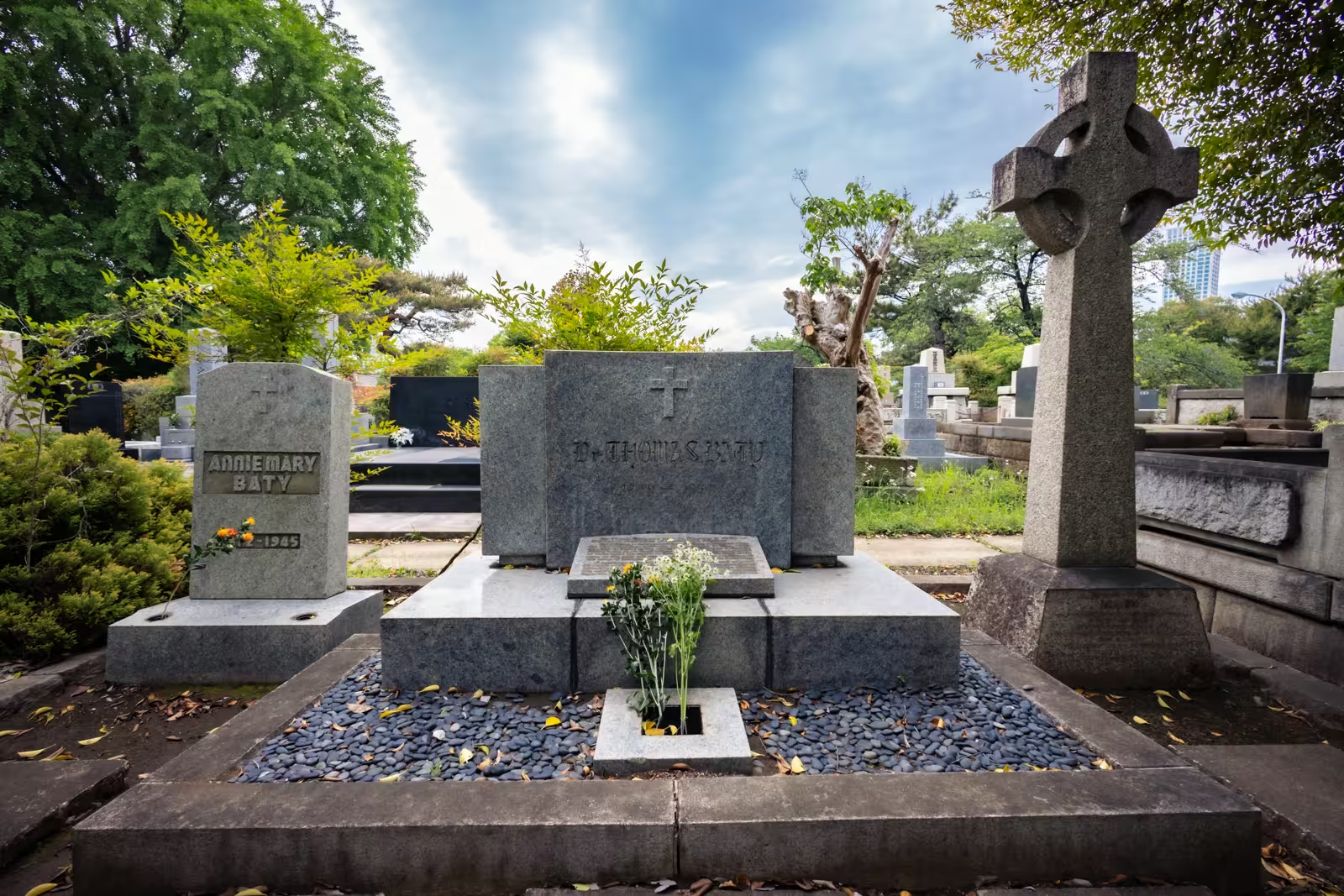
An architectural feast for the eyes
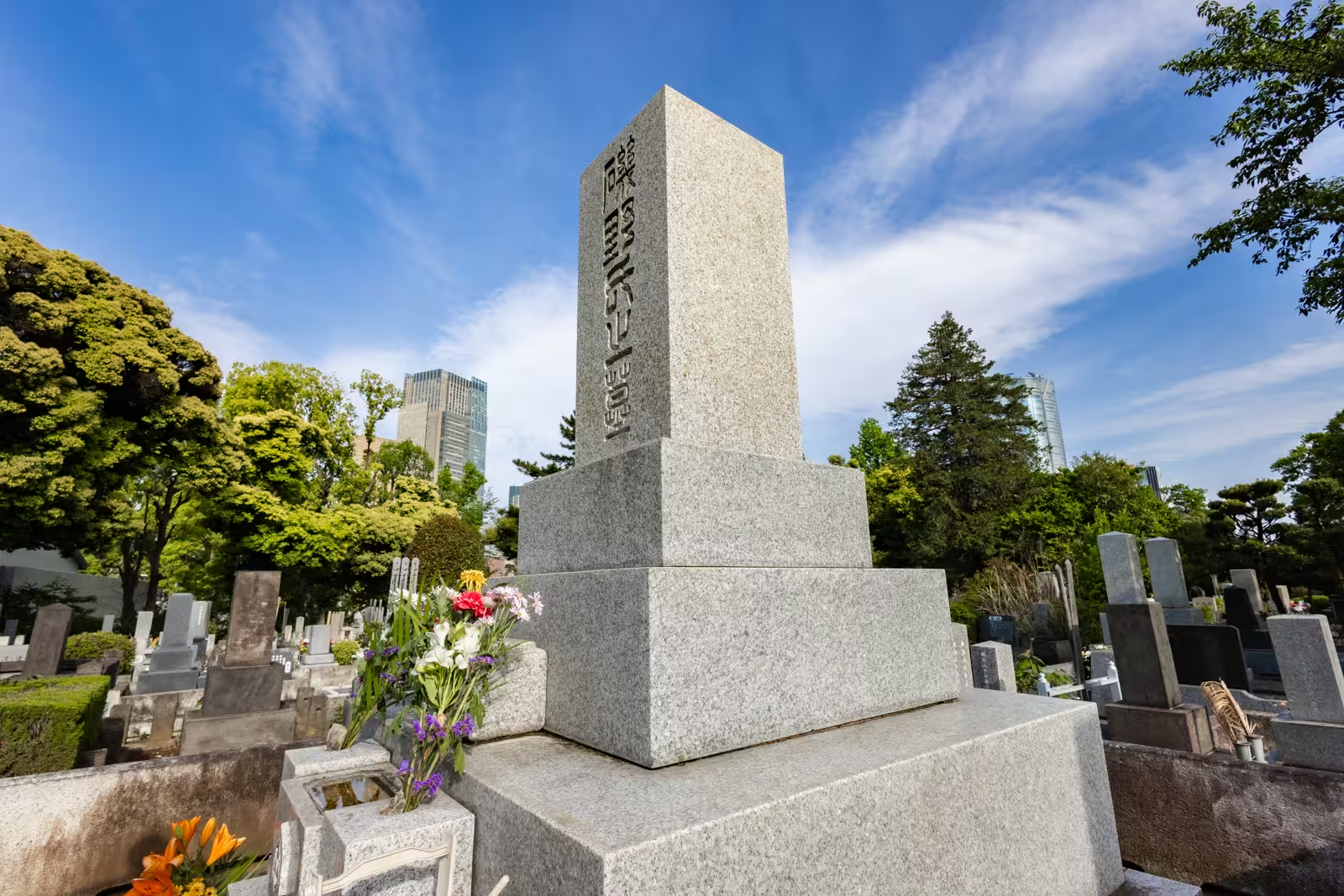
These older Japanese cemeteries, like Aoyama, are an architectural feast for the eyes. What grave types can we see in them? Three of them are:
- Gorintō (五輪塔): is a five-tier pagoda grave marker. Each piece represents one of the five elements. From top to bottom, they are space/void, wind, fire, water, and earth. This is my favorite grave.
- Hōkyōintō (宝篋印塔): a type of Japanese stone pagoda frequently used as a grave marker or cenotaph.
- Kasatōba (笠塔婆): is used as a memorial or gravestone. They often have a square block placed on a rough stone base. A pyramid-like coping stone at the top suggests a roof. Above that is an ornamental jewel or bowl stone.
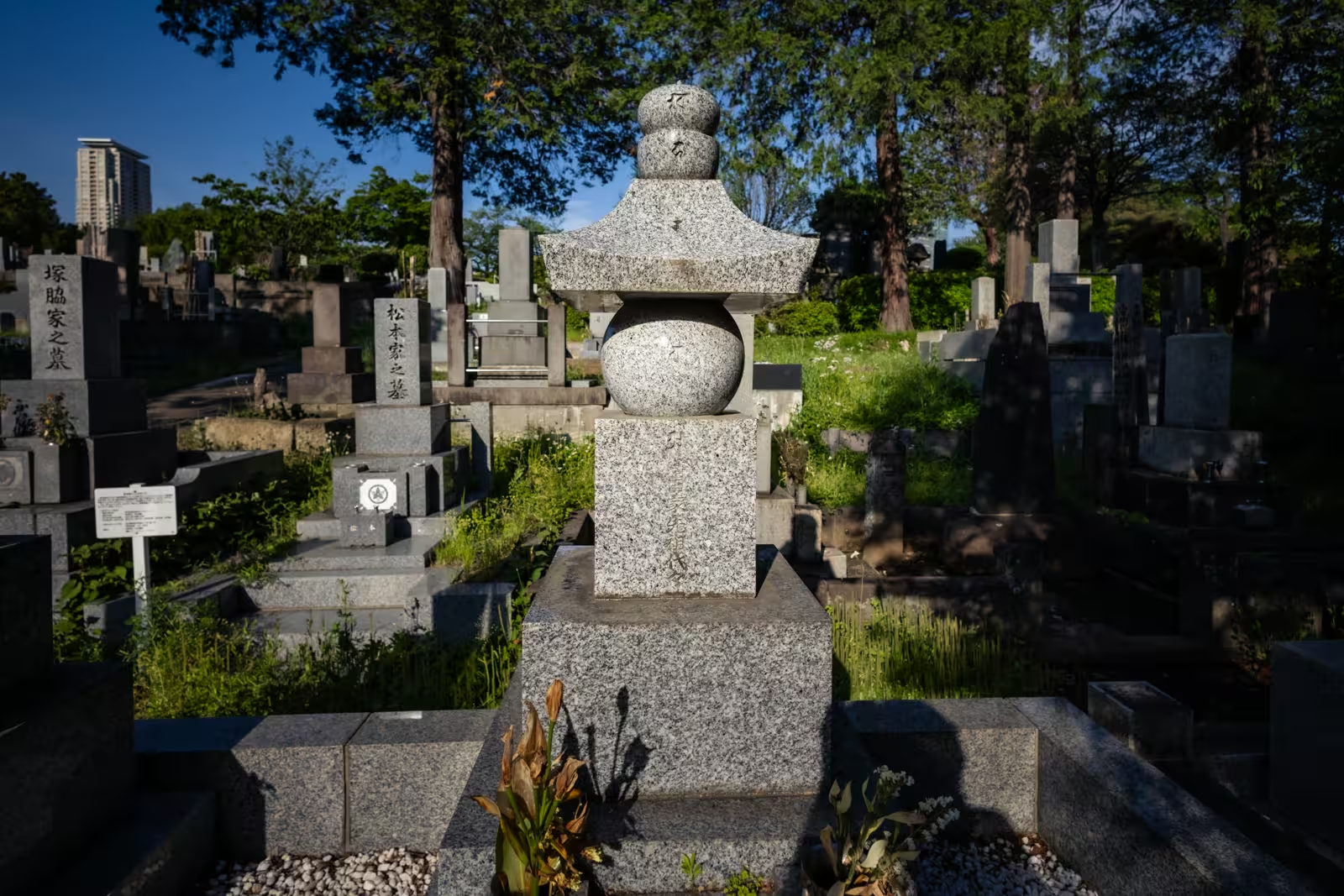
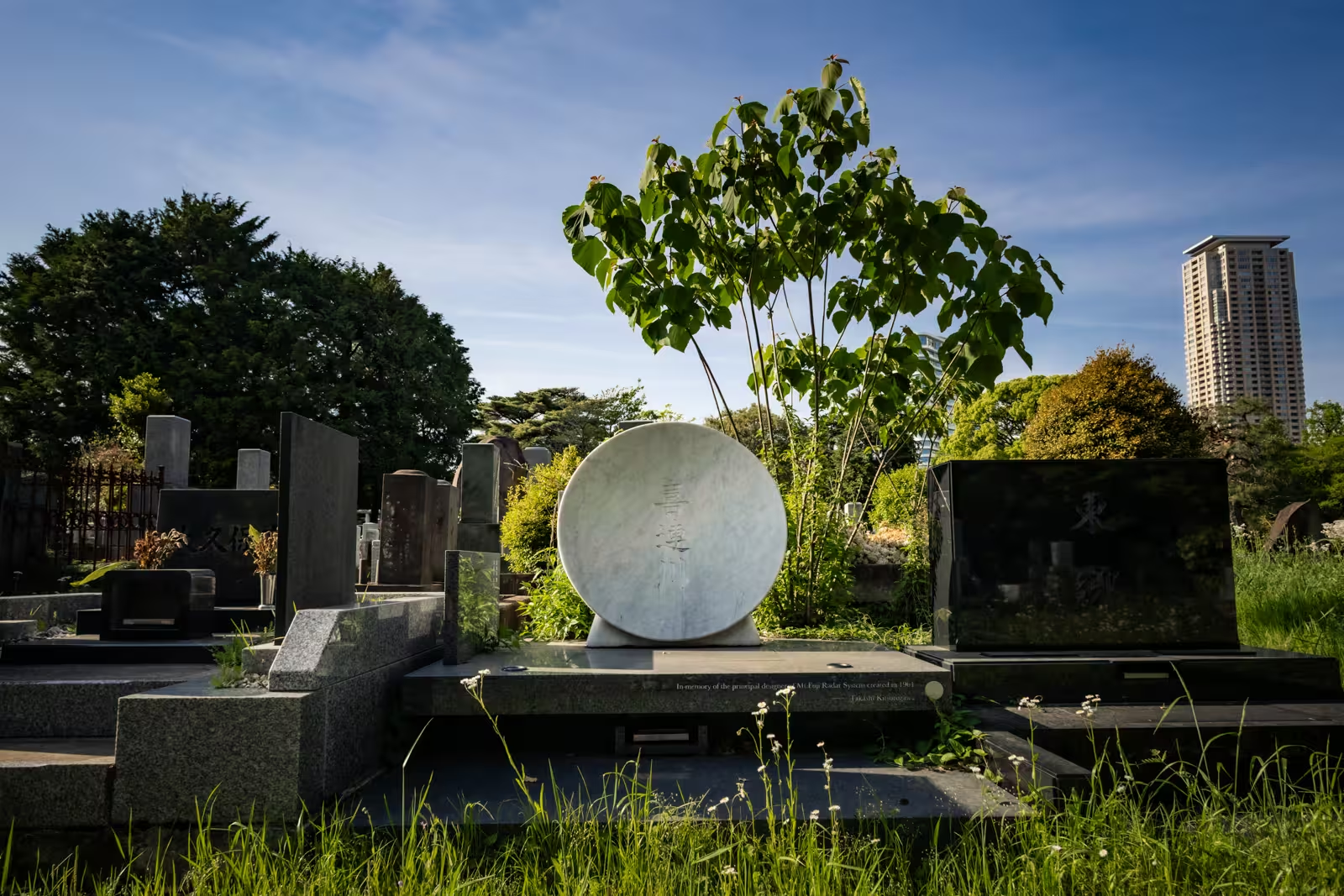
It doesn’t end there. You can see massive stones with stories of the interred carved on them. Buddhist statues, torii gates, and Christian icons are sprinkled throughout the cemeteries. Takashi Kitsuregawa, one of the Mt. Fuji weather radar system designers, has a radar dish for his tombstone.
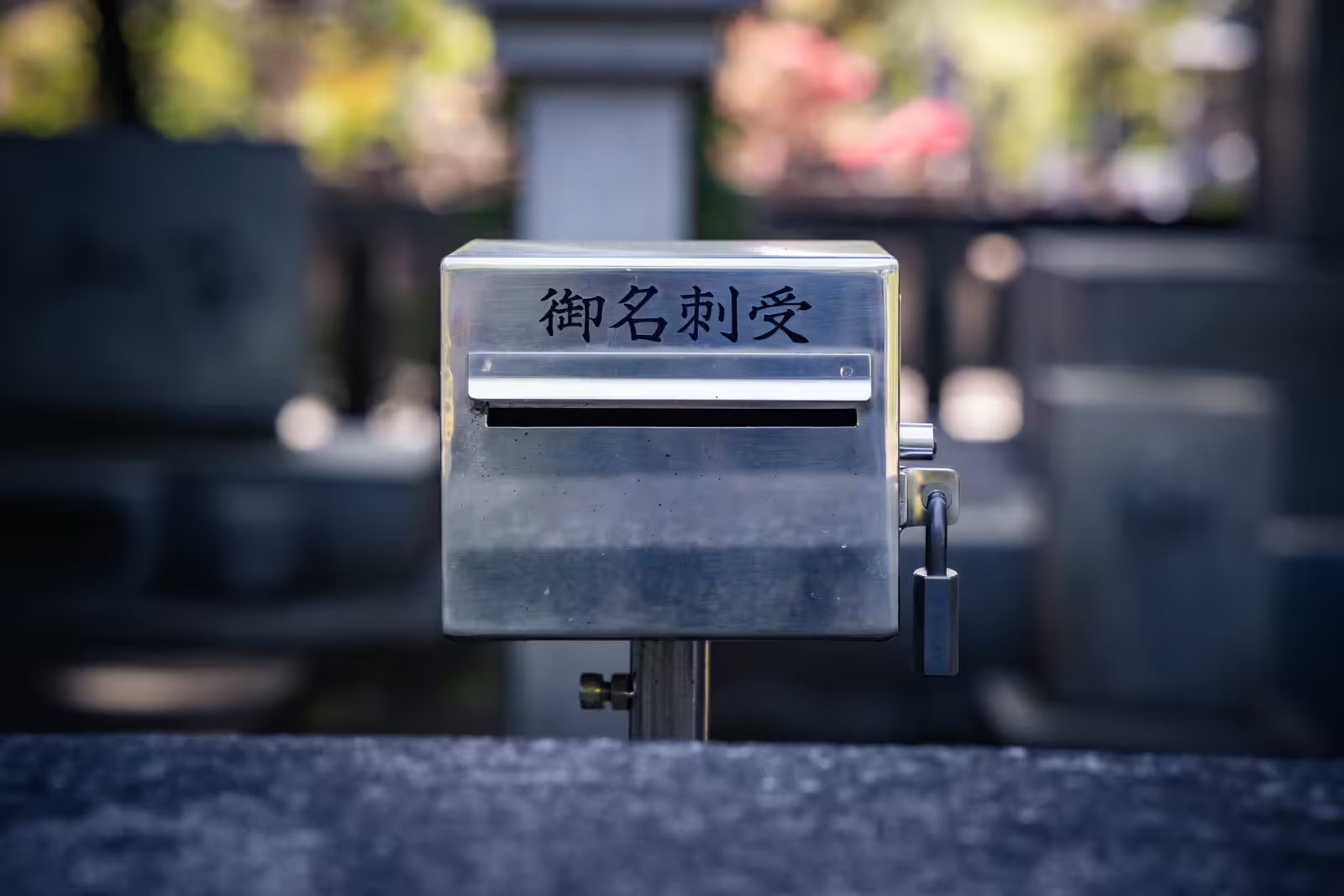
Let the family know you visited
Many graves have what looks like a post box on them. In Japanese, these are called meishi-uke (名刺受け). For people who speak Japanese, they’ll know they are for business cards. Visitors leave their cards to document their visit, ensuring the deceased’s family knows who stopped by.
What’s with the writing in red?
You’ll notice that on the rear or side of some graves, names are written in red. This denotes that person is still alive, but a space is reserved for them.
Empty spaces
When walking the lanes of these graveyards, you’ll occasionally notice empty spaces. They might even look like something was dug and smoothed over. These cemeteries aren’t free.
I’ve heard they can cost up to ¥10 million. Then there is the annual maintenance fee which might be another ¥12000.
When a grave is abandoned or when there are unpaid maintenance fees (管理費, kanri-hi), the remains are eventually exhumed. The grave is dismantled to make room for new users.
The ashes are typically reinterred in a communal grave, known as a muenbotoke (unclaimed/related dead) site, and the tombstone is removed.
Cultural etiquette & photography rules
- Aoyama and Yanaka cemeteries have Cherry Blossom Roads running through them. Many take photos from the middle of them. Be careful and watch out for the cars using them.
- Mind your voice: These are quiet zones. Keep your phone on silent and speak in hushed tones.
- Don’t walk over the graves.
- Don’t touch the offerings: You will often see coins, flowers, or even cans of beer and sake left on graves. These are sacred offerings. Never move them to “improve” your photo composition.
- The “Sumimasen” rule: If a staff member or visitor looks uncomfortable with your camera, a polite bow and a “Sumimasen” (Excuse me) followed by moving on goes a long way in maintaining goodwill.
- Prioritize privacy: While the architecture and nature are the focus, avoid taking close-up photos of individual gravestones that clearly show the names of the deceased, especially if the family is present.
- Be mindful with tripods. Never place them where they block paths.
When to visit Tokyo’s cemeteries
- Spring: go when the cherry blossoms bloom and you won’t go wrong. My pick for these flowers is Aoyama Cemetery. It’s one of the best places for a quiet hanami in the city (picnics aren’t allowed though)
- Autumn: This is another good season. All the cemeteries have good autumn leaves.
- Higan: This is a Buddhist holiday celebrated seven days, three days before and after both the Spring equinox (shunbun) and Autumnal equinox (shūbun). Many Japanese will visit family graves which means fresh flowers and grave cleanup. It can be a pretty time for cemeteries.
- Golden hour: All these cemeteries are open 24/7 so shooting at sunset or sunrise isn’t a problem.
How to find graves in Japanese cemeteries
Finding the graves of notable people can be problematic because the majority of graves are in Japanese and the cemeteries are huge. It’s finding a needle in a haystack situation. But don’t despair, the problem isn’t insurmountable.
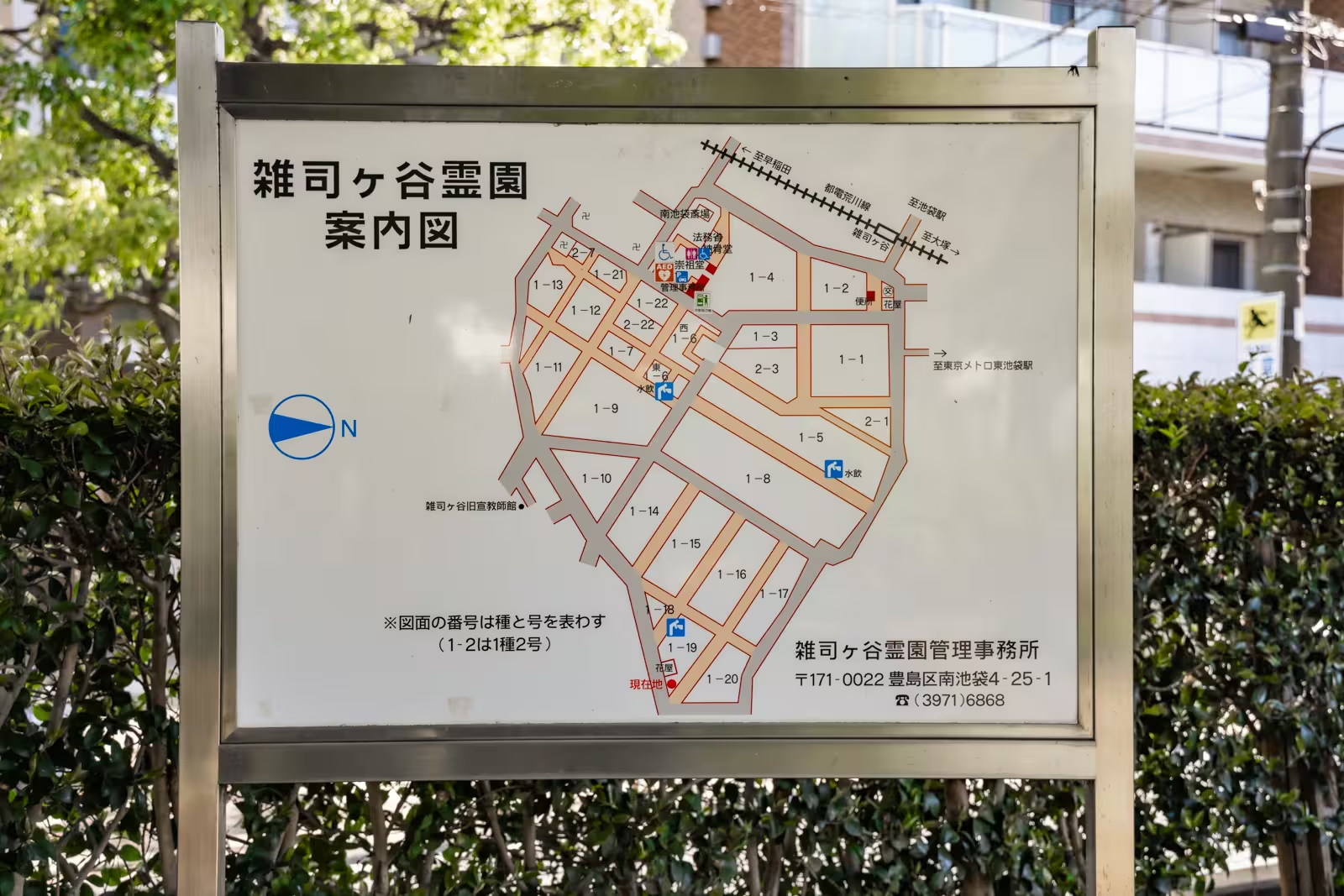
Start by getting a map from the cemetery’s administration office which has the person’s name and grave reference number. There are Japanese and English versions.
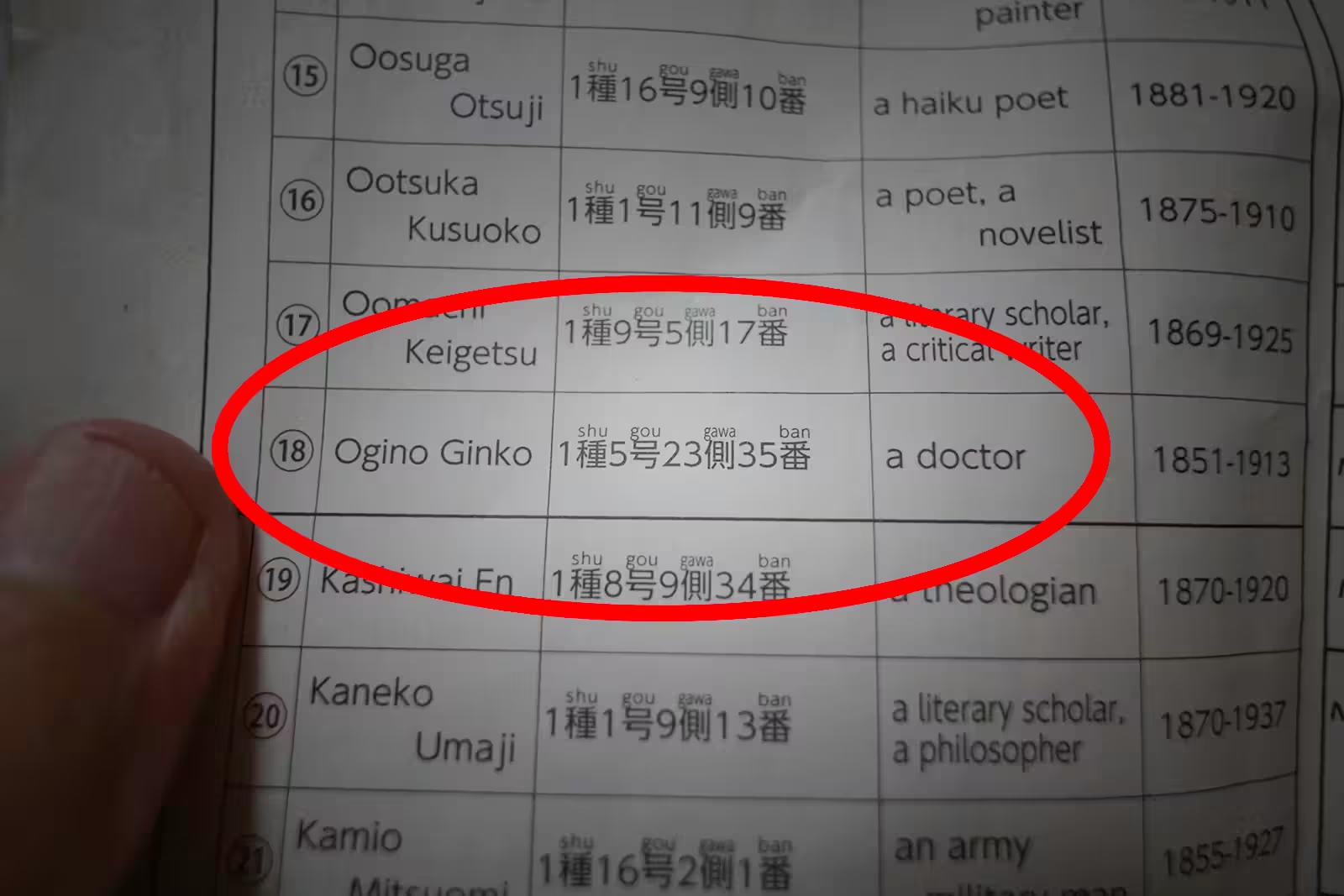
The cemeteries use slightly different numbering systems, but once you understand one, you should be able to work out the others. For this example let’s use Ginko Ogino who rests at Zoshigaya Cemetery. Her reference numbers are 1-5-23-35. What does it mean?
| 1 | 5 | 23 | 35 |
| District | Block | Row | Grave Number |
Each cemetery has numerous numbered districts which contain several blocks. In this case, Ginkgo is in District 1’s fifth block. You can find that by looking at the map!
Cemeteries also have many large signboards showing the same thing. So just by knowing 1-5 gets you to the basic area.
Next, you need to find the row. That’s easy because wooden posts are marked with their district, block, and row in numerical order. Walk until you find the one you need, then walk up and down them until you find the grave number of the person you want.
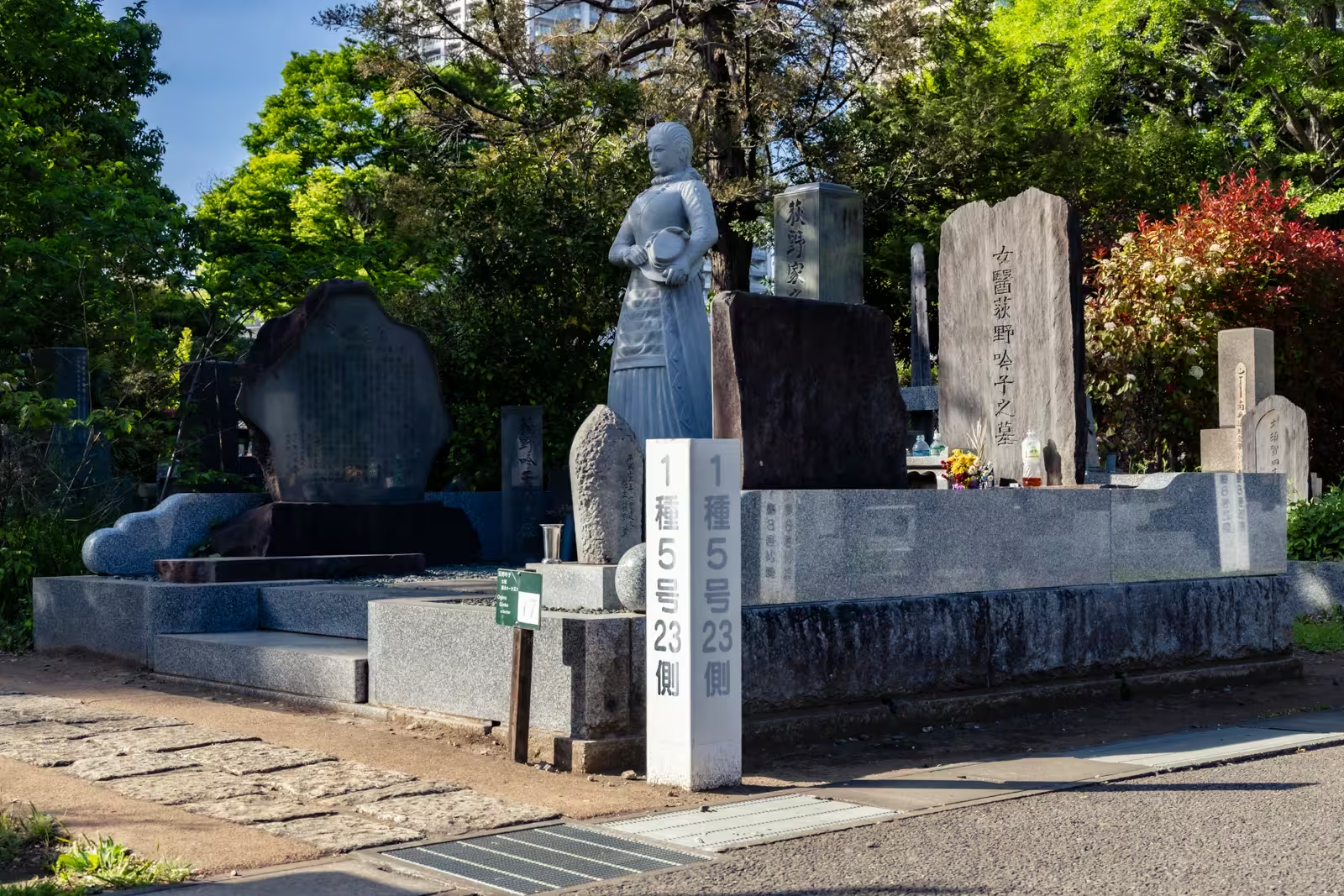
Most notable people have special nameplates, which can make them easy to spot, in most cases. But many graves aren’t lined up neatly and most are of various sizes. A few will even be hidden under trees to complicate things. There are times when you’ll need to search.
Names are another problem. Some are easy. Ginko Ogino is buried under her name and she has a statue, which makes her easy to find.
But at Tama Cemetery, the grave of the famous mystery writer, Edogawa Ranpo poses some problems. His real name is Tarō Hirai (平井 太郎). Zoshigaya’s Lafcadio Hearn is another one, as he was buried under his Japanese name、小泉 八雲.
Do your research before you go to avoid frustration.
Don’t worry too much if you don’t speak Japanese. All the famous people have bilingual nameplates. But if you are looking for someone obscure it would be best to arrange with linguistic help.
To find the actual physical location of the cemeteries, here they are on Google Maps:
Useful tips
- Google maps: Many of the famous graves have pins. It’s a great backup if the paper map is confusing.
- Amenities: Toilets and vending machines are inside the larger Reien (like Aoyama and Tama). That is helpful for people planning to spend 3 or more hours in them.
- Mosquito spray: If you visit in summer, wear long sleeves and bring heavy-duty bug spray. The standing water in grave vases makes cemeteries mosquito hotspots.
Are Tokyo’s cemeteries worth visiting?
Tokyo’s cemeteries are far more than just resting places. In Japanese, they are termed “Spirit Parks” that offer a quiet, green sanctuary away from the neon roar of the city.
Whether you are drawn by the literary ghosts of Zoshigaya, the Shogun history of Yanaka, or the striking urban contrasts of Aoyama, these sites provide a unique window into this great city.
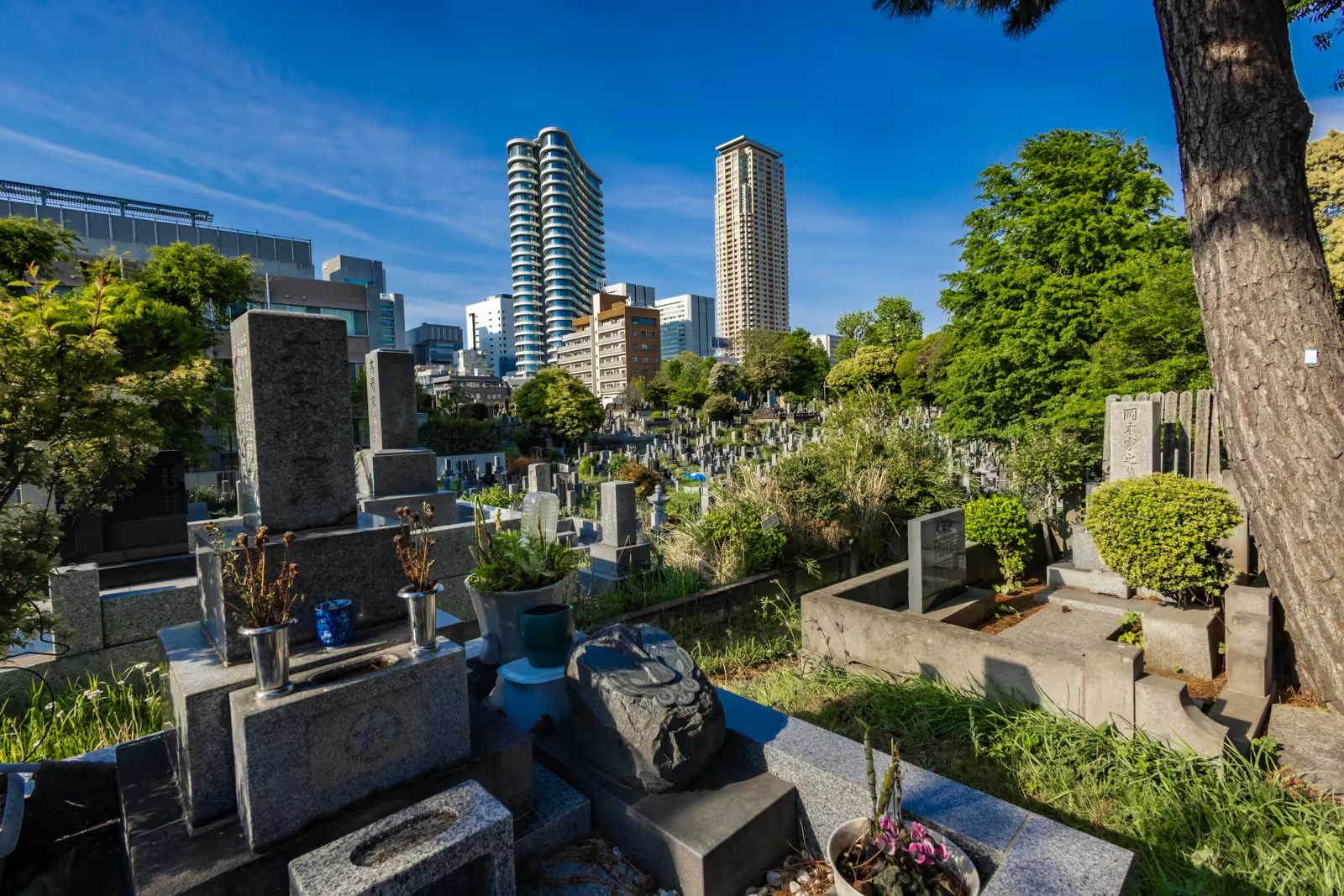
Even though I’ve photographed Tokyo’s cemeteries for many years, I don’t consider myself an expert. So, please consider this article as work forever in progress. As I learn, I will post more information here.