Gokokuji Temple: A Tokyo Photo Guide
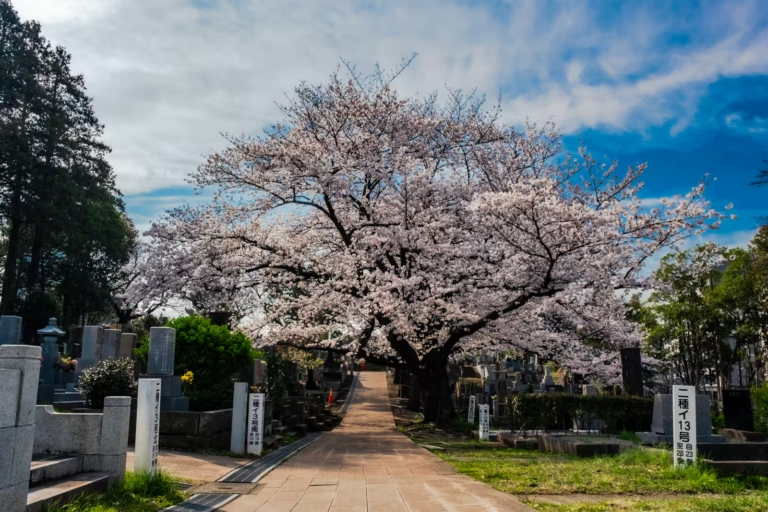
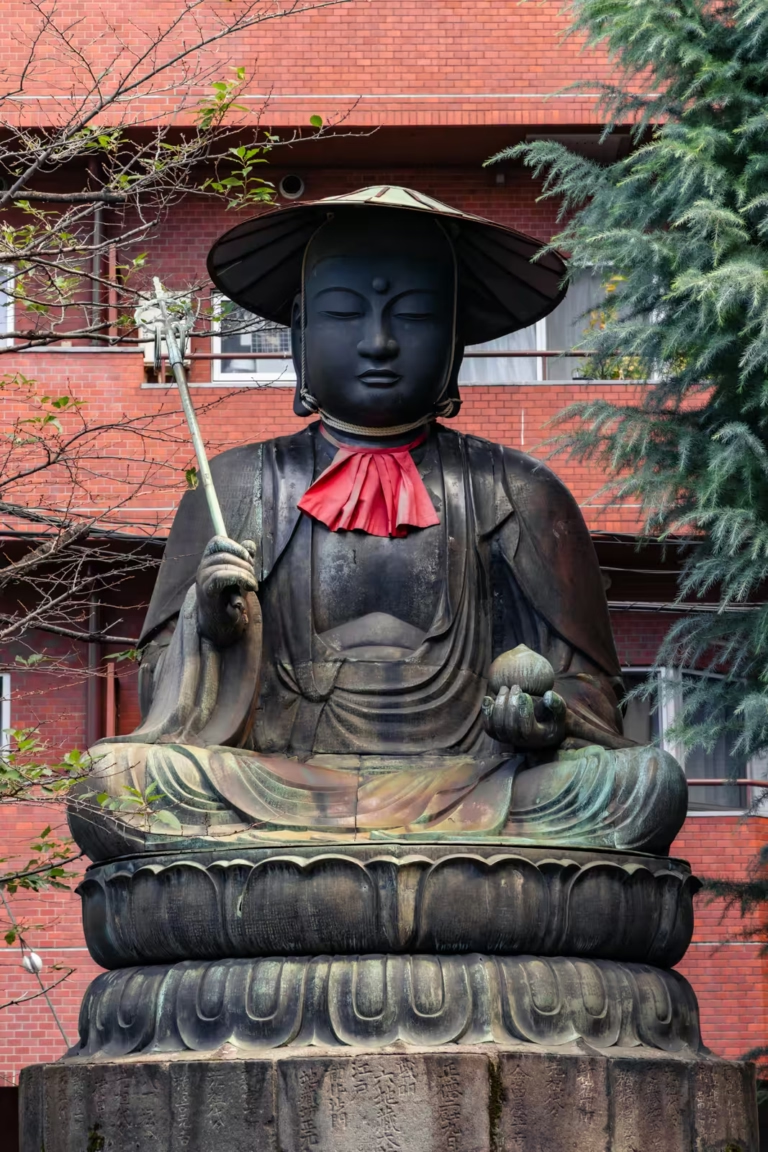
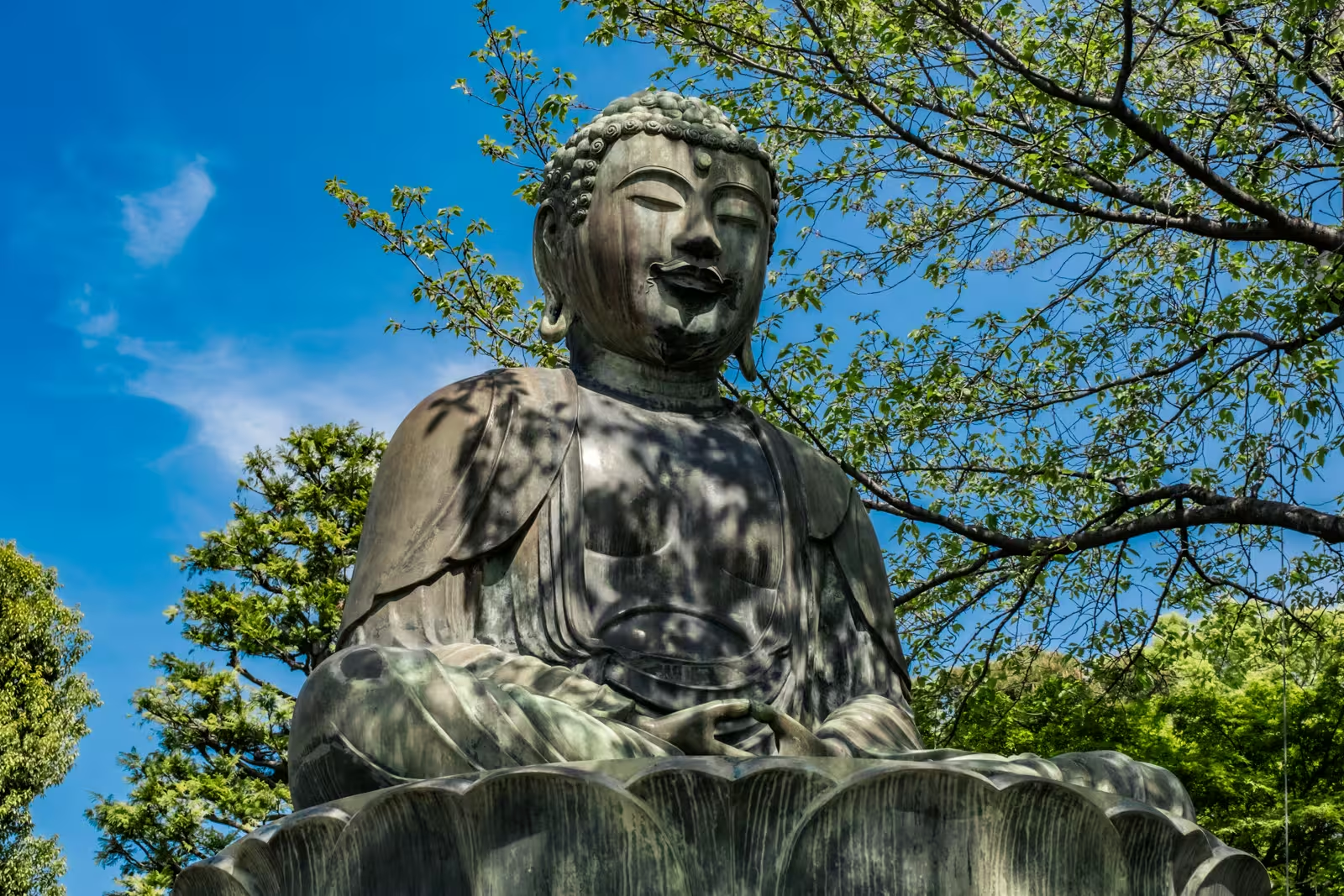
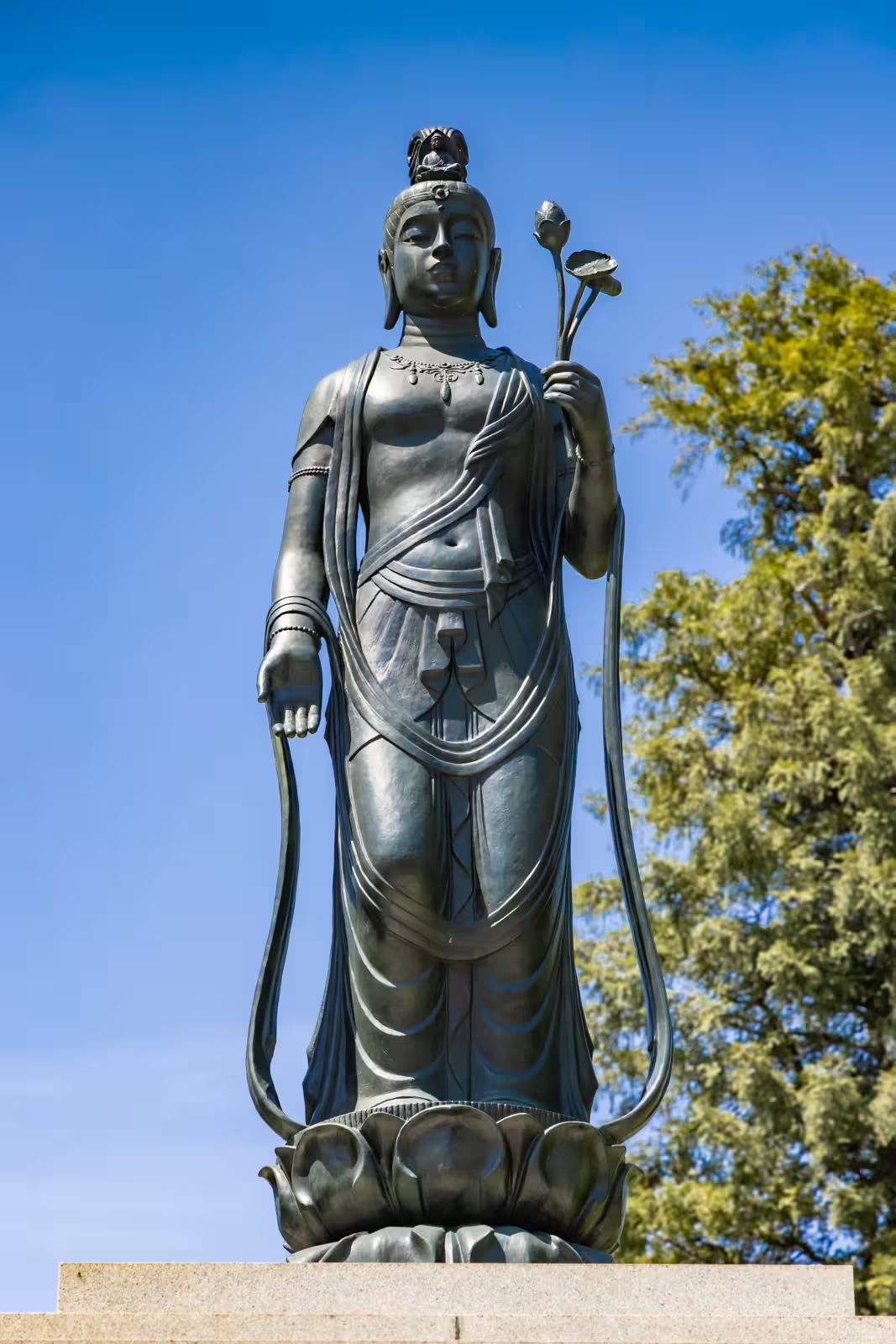
Tokyo is a city of contrasts, but few places offer the serenity and visual splendor of Gokokuji. While it boasts stunning historical architecture, it is the atmosphere that truly captivates. In spring, it becomes as pretty as a picture, framed by soft blooms. A bronze Buddha sits meditatively in the courtyard, backed by a historic cemetery that feels more like a forest than a graveyard. For photographers and history lovers alike, this is a sanctuary waiting to be explored.
Best seasons for flower photography
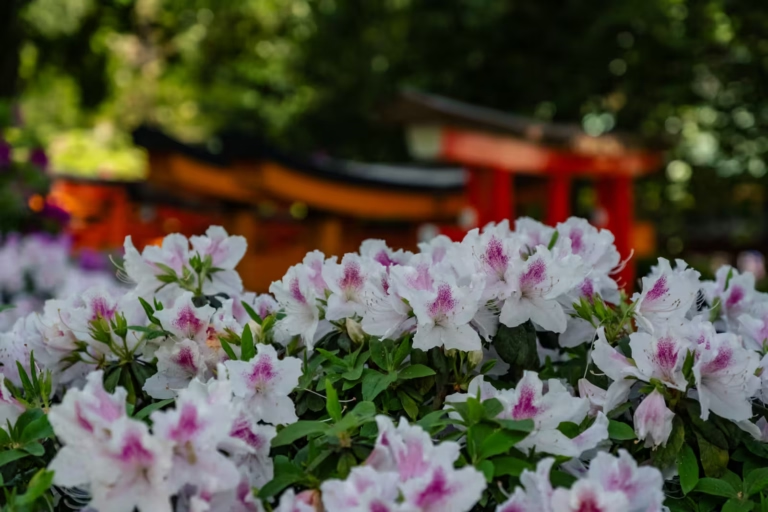
Gokokuji has always been beautiful, but May is exceptional. This is when the azaleas bloom across the grounds. While the volume might not rival the famous hills of Nezu Shrine, there are certainly enough here to delight any flower lover. These blooms transform the temple into one of Tokyo’s premier photography spots.
As you pass through the main gate, look straight ahead. A long stone staircase rising toward the temple gate is flanked by manicured azaleas. In season, it becomes a kaleidoscope of colors. If you are in your element among flowers and temples, you will be in seventh heaven.
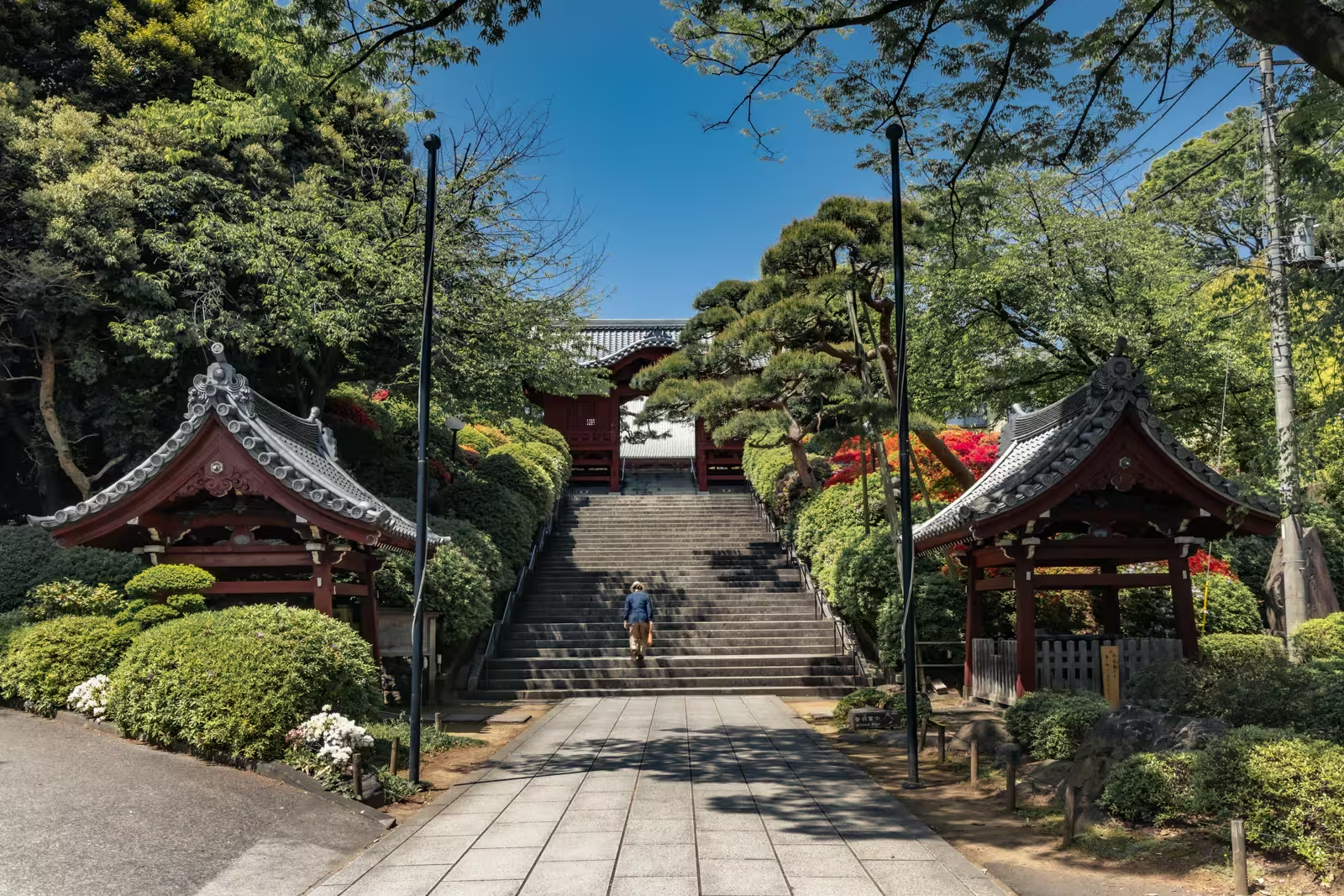
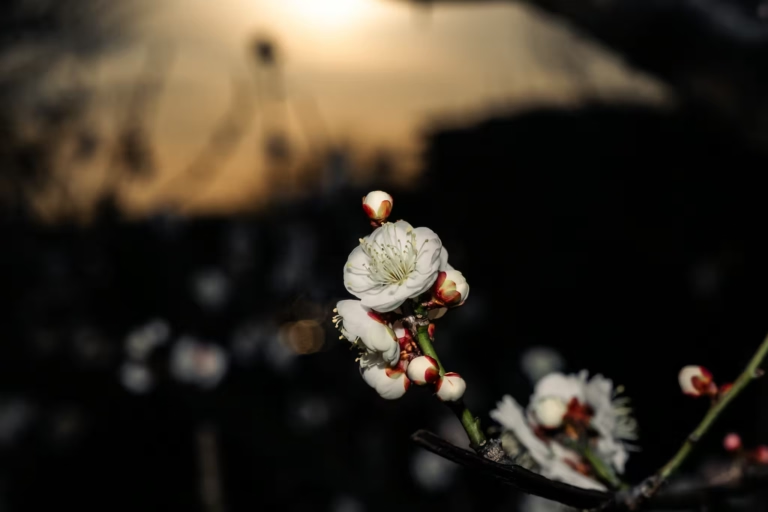
However, the visual appeal isn’t limited to azaleas. Early spring brings the cherry blossoms, while hydrangeas arrive in early summer. Flowers play a huge part in Gokokuji’s charm, softening the stone and wood with seasonal color.
Photographing Gokokuji’s Edo-era architecture
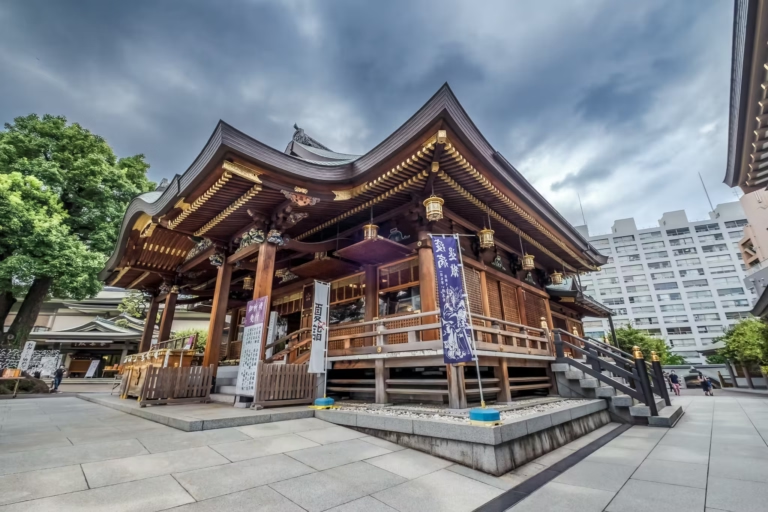
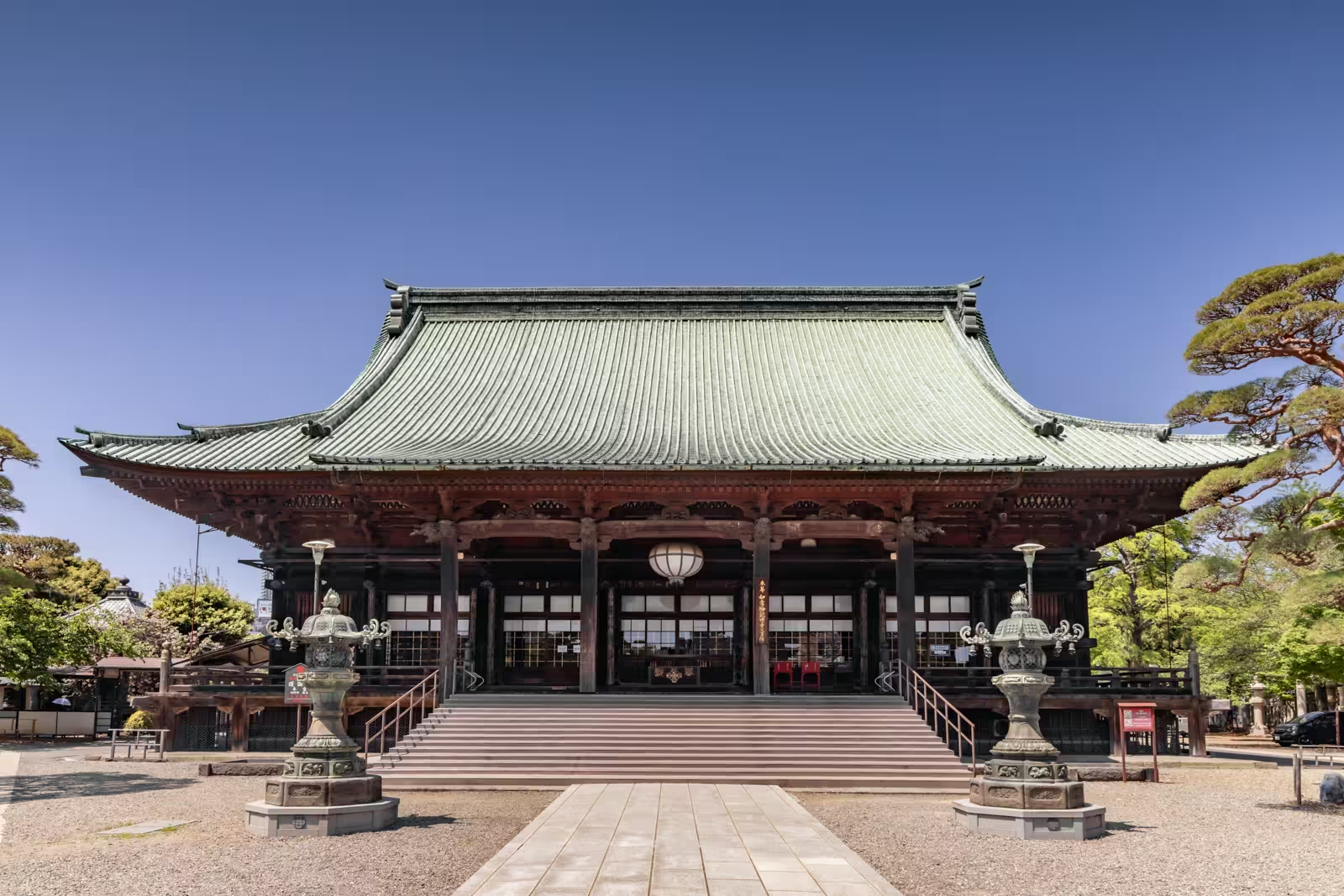
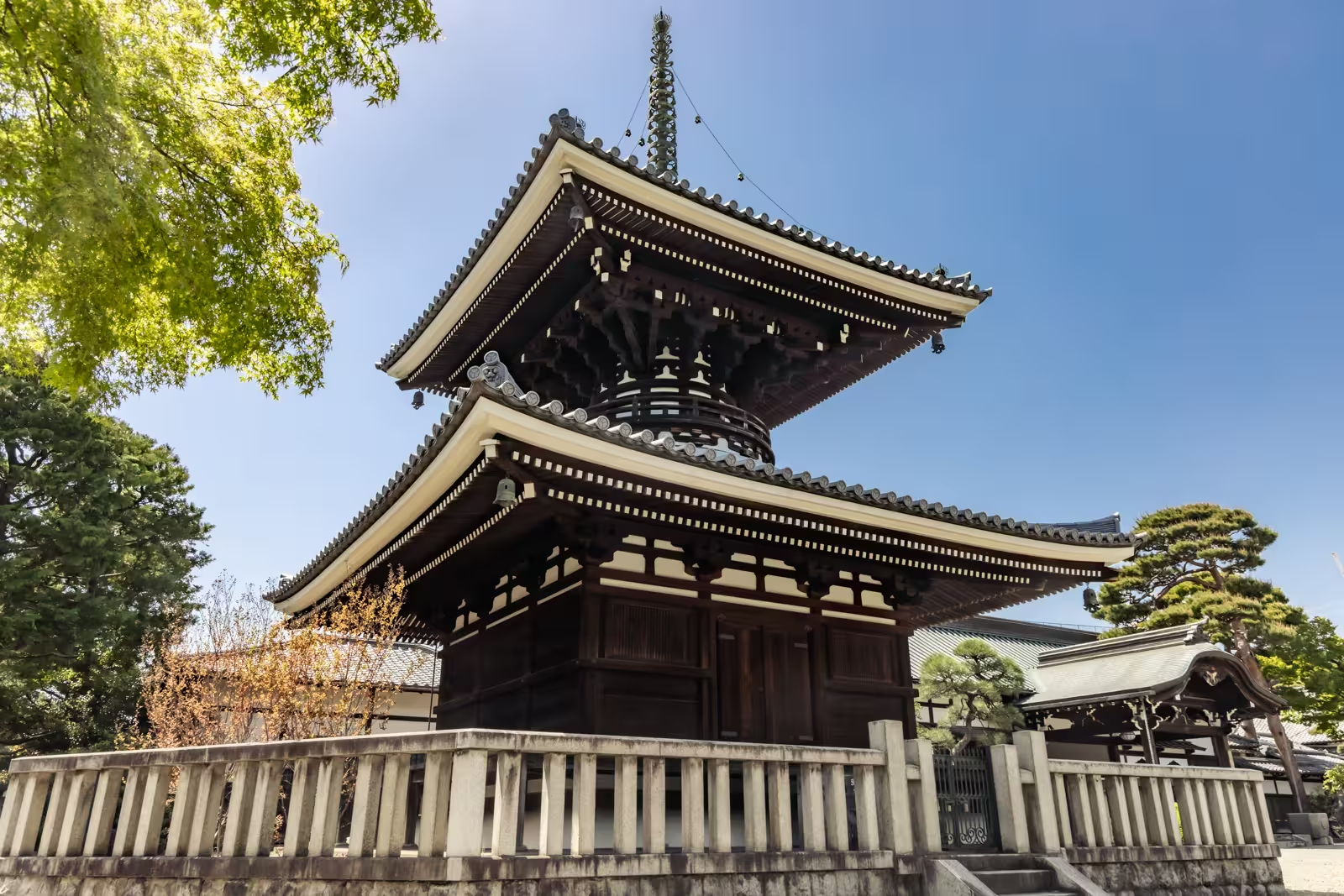
Once you ascend the stairs and enter the main courtyard, you are greeted by the Kannon-do, Gokokuji’s main hall. If you enjoy architectural photography, this building is a gift. Unlike much of Tokyo, which has been ravaged by earthquakes, fires, and war over the centuries, Gokokuji has survived it all, just like Nezu Shrine. Both offer rare, tangible looks at early Edo-period structures. History runs deep here.
Take your time walking around the grounds to admire the other old halls. When combined with the cherry blossom season, the scene is exceptional.
You can enter the main hall when it is open to view the treasures inside. Unfortunately, photography is not permitted inside, but you can almost “smell” the history in the wood and incense. It is no wonder the government designated Gokokuji an “Important Cultural Property.”
Key photographic highlights
What should you focus your lens on?
- The Buddha: A bronze statue that, while not massive, commands the courtyard.
- The flora: Azaleas, hydrangeas, and cherry blossoms frame the structures.
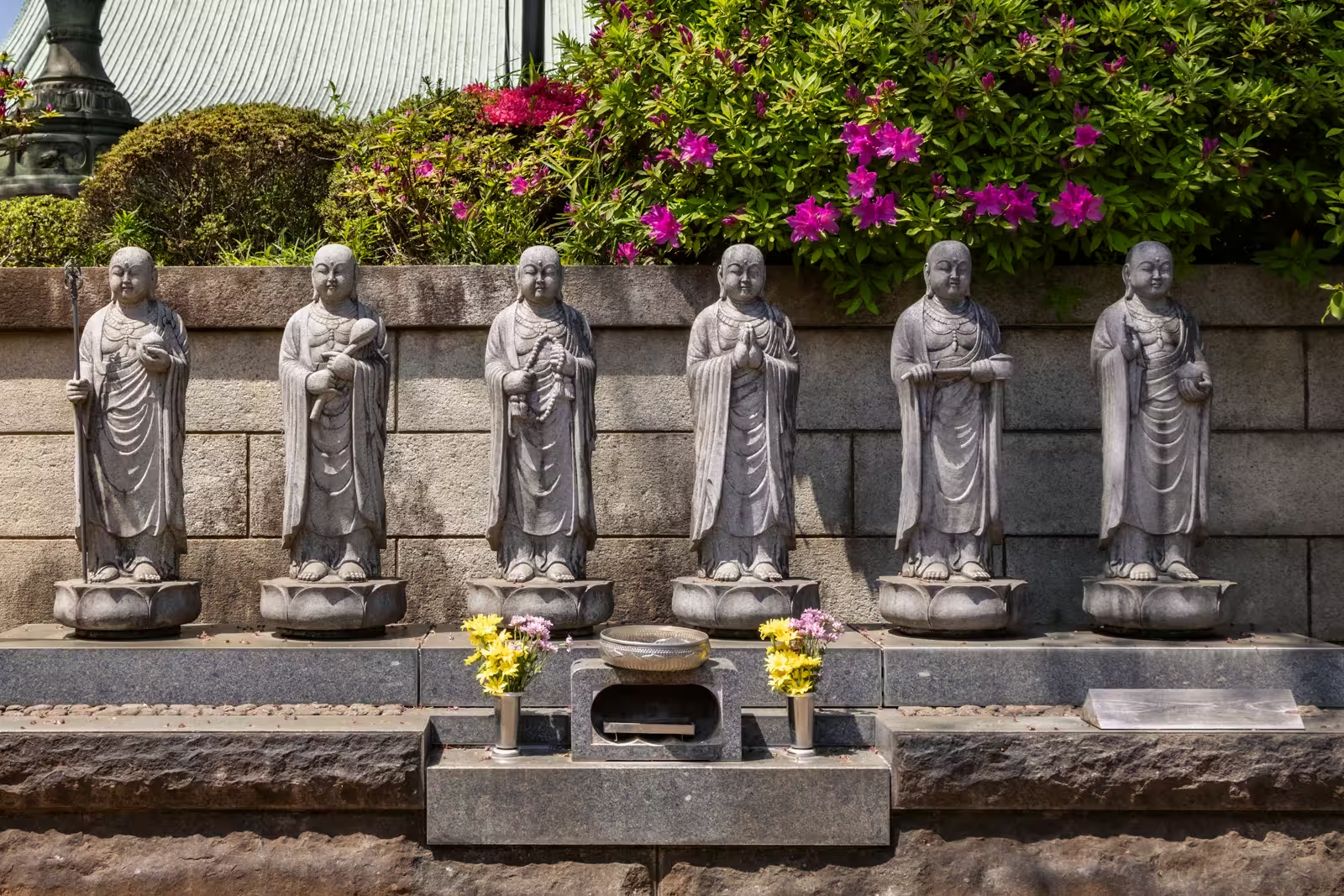
- Jizo statues: Rows of stone guardians.
- The Mt. Fuji replica: Yes, Gokokuji has its own miniature Fuji mound!
- The cats: Keep an eye out for the strays that call the grounds home.
The ‘Garden Temple’: Exploring the historic cemetery
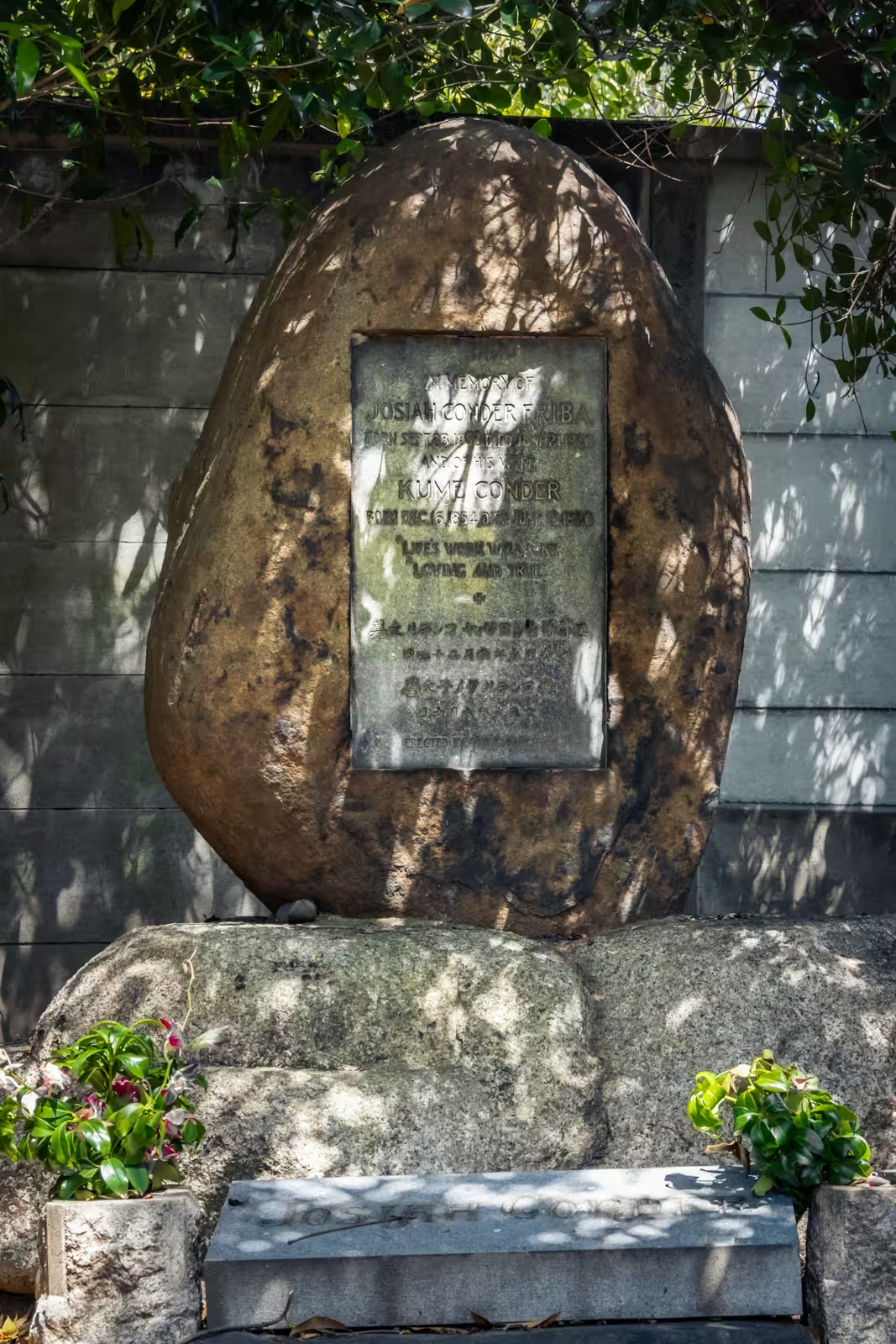
Because Gokokuji is a Japanese temple, it houses a large cemetery. But this isn’t just any graveyard; it is the final resting place of many notable figures. Among them is the English architect Josiah Conder, one of my favorite adopted Tokyoites. He designed many iconic buildings in the city, including the mansions at Kyu-Furukawa and Kyu-Iwasaki Gardens. His grave is simple—essentially just a rock—but I love how it is tucked away in the trees. It offers a nice, shady spot on hot summer days, just be aware of the wasp nest!
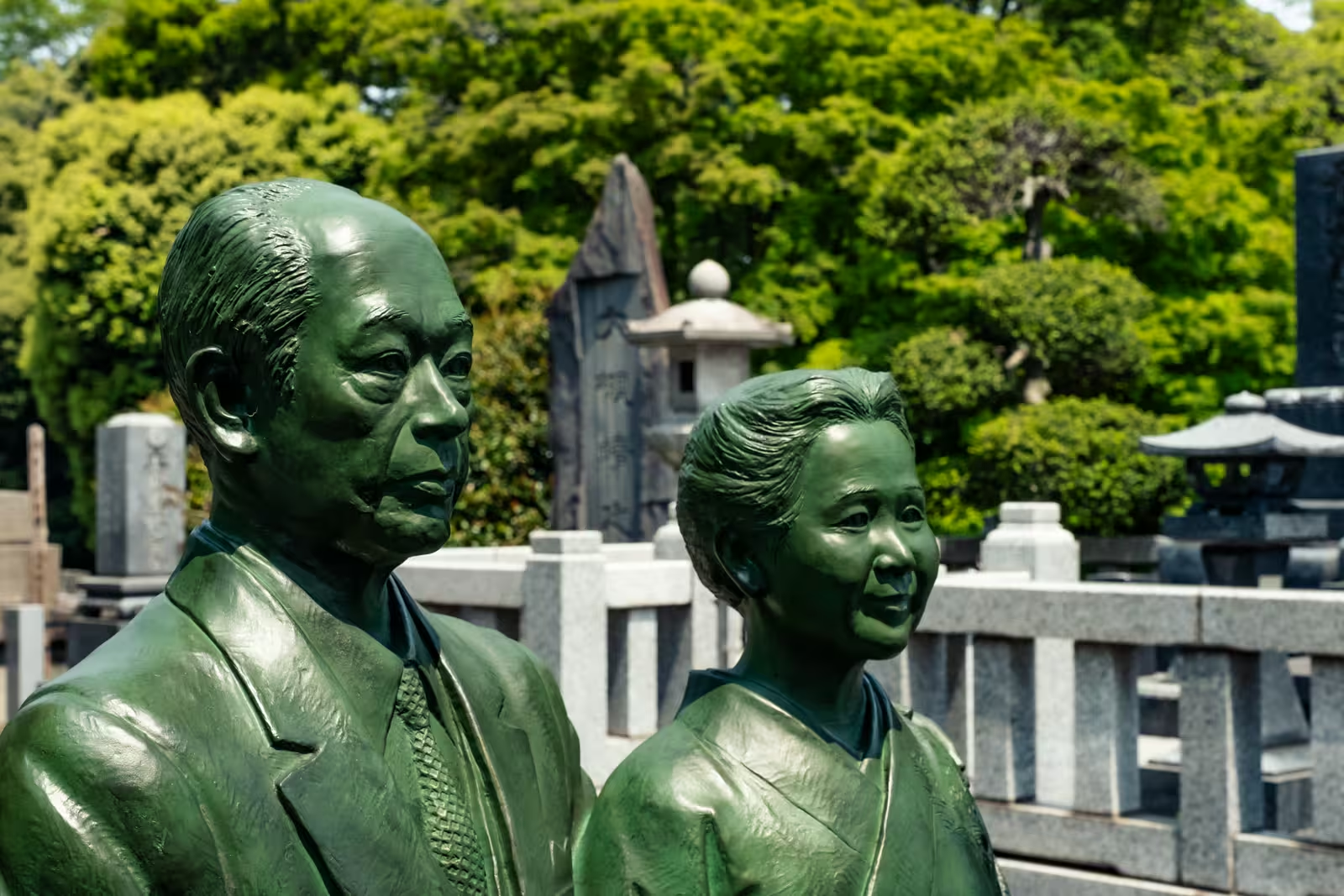
I encourage you to do some research before you visit, as many interesting people rest here. One charming discovery is the grave of Keizo Ogawa and his wife, Sachiko, the founders of the famous Cozy Corner cake shop. They have a lovely spot under a tree; walk around, and see if you can find them.
The grave architecture itself is fascinating to photograph. You will find enormous monoliths, cleft rocks, and lanterns of various sizes. Along the paths, gardeners are always hard at work, pruning and shaping the greenery. I haven’t found another cemetery in Tokyo quite like it. That is why I like to call Gokokuji the “Garden Temple.”
A sanctuary of silence: Escape the crowds at Gokokuji
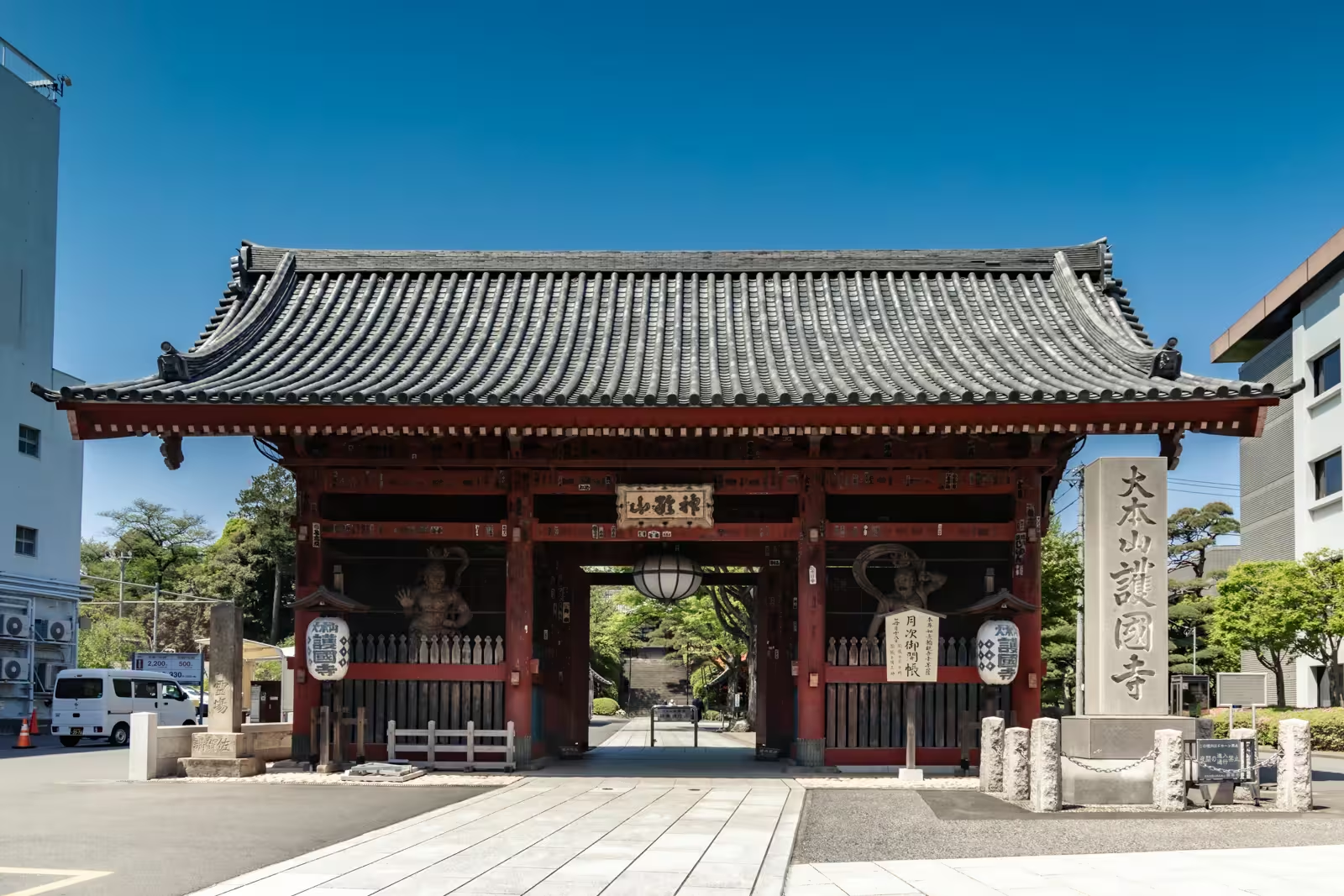
Gokokuji remains largely undiscovered by the average tourist. Most people you encounter are local worshippers or visitors to the cemetery. It is rarely crowded, offering a stark contrast to Sensoji or Meiji Shrine, where you often have to struggle through the masses. Here, you can walk at your own pace, set up your shots without pressure, and take your time to explore.
Gokokuji Temple: Location, hours, and access
Location
- Address: 5-40-1 Otsuka, Bunkyo City, Tokyo
- Nearest Station: Gokokuji Station (Tokyo Metro Yurakucho Line). Take Exit 3 and you will find the temple gate right outside.
- Note: No JR train station is within walking distance.
- Here is the temple on Google Maps:
Hours & admission
- Office Hours: 10:00 a.m. to 12:00 p.m. and 1:00 p.m. to 4:00 p.m.
- Cost: Free
- For the most up-to-date information, consult the official Gotokuji website.
Top photo spots near Gokokuji Temple
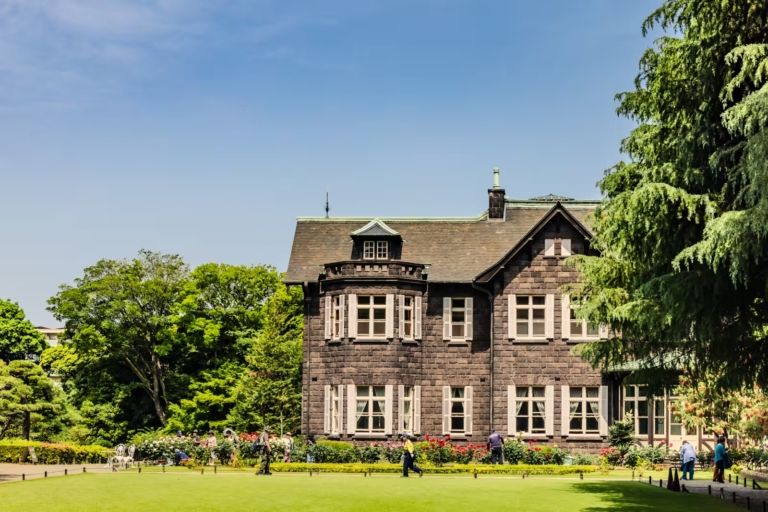
- Hatoyama Hall: A western-style mansion with a rose garden that served as a base for the Hatoyama dynasty.
- Koishikwa Botanical Gardens: A botanical research and educational facility that doubles a park.
- St. Mary’s Cathedral: Designed by Kenzo Tange, this magnificent building is home to Tokyo’s Catholic community.
- Zoshigaya Cemetery: The resting place of many people who played huge roles in Japanese history, like Hideki Tojo, Soseki Natsume, John Manjiro, and more.
A brief history of the temple
The temple complex was established in 1681 by Tsunayoshi Tokugawa, the fifth shogun, to honor his mother. The main hall, Kannon-do, was completed shortly after in 1697.
Is Gokokuji worth it?
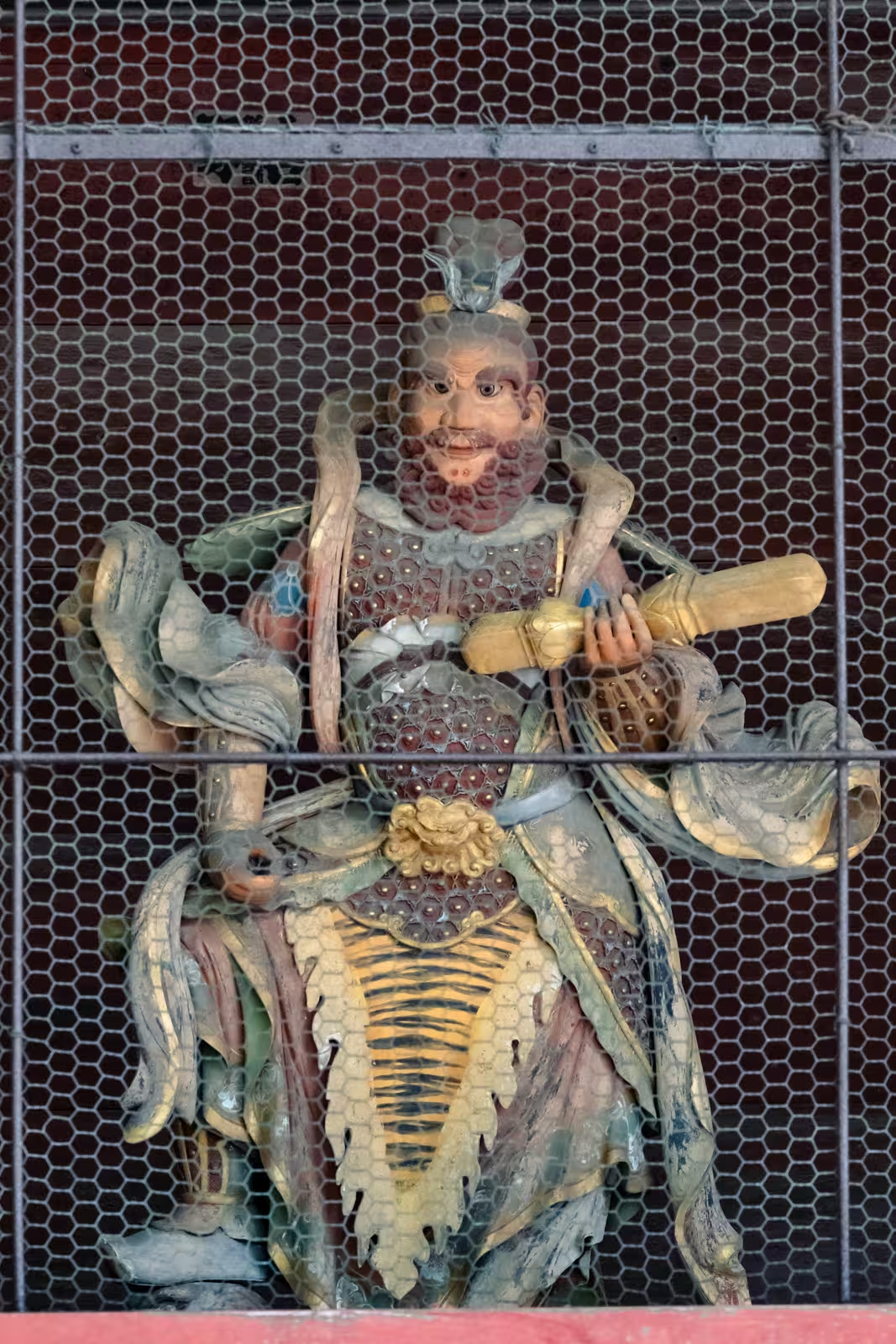
Gokokuji offers a rare blend of deep history, architectural resilience, and botanical beauty. It is a place where you can go wild with a camera, capturing everything from grand Edo-era halls to the quiet details of an old gravestone. For the best experience, visit in spring when the flowers are in full bloom to see why this temple is truly picture-perfect.
Have you visited Gokokuji? Tell me about your favorite photo spot in the comments below!