In the bustling heart of Tokyo, just a stone’s throw from the Imperial Palace, government offices, and major corporations, is an urban sanctuary: Hibiya Park. For the city’s busy workers seeking a moment of peace, this park, with its vibrant flowers and tranquil grounds, serves as a true urban oasis.
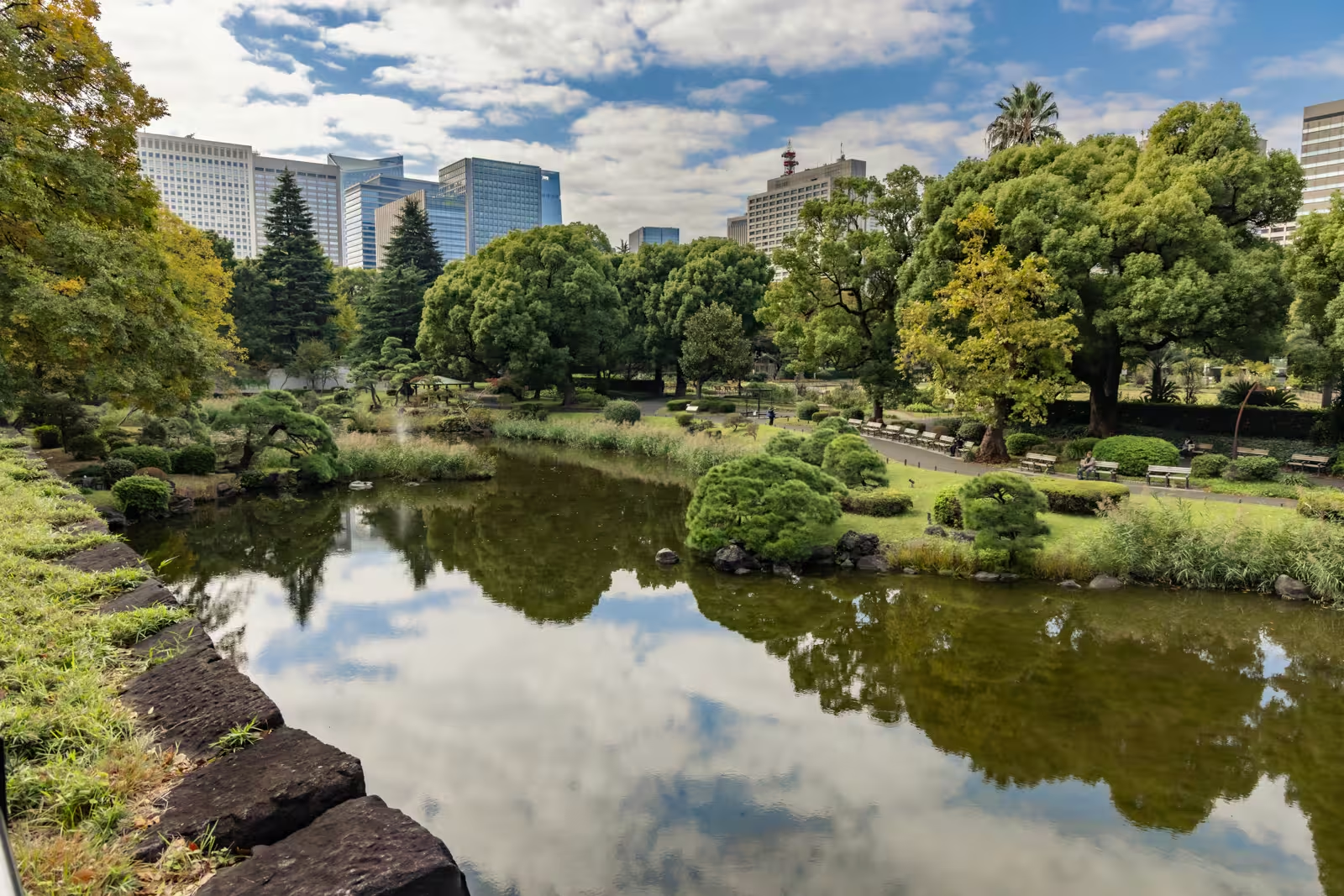
Hibiya Park is a must-visit urban escape
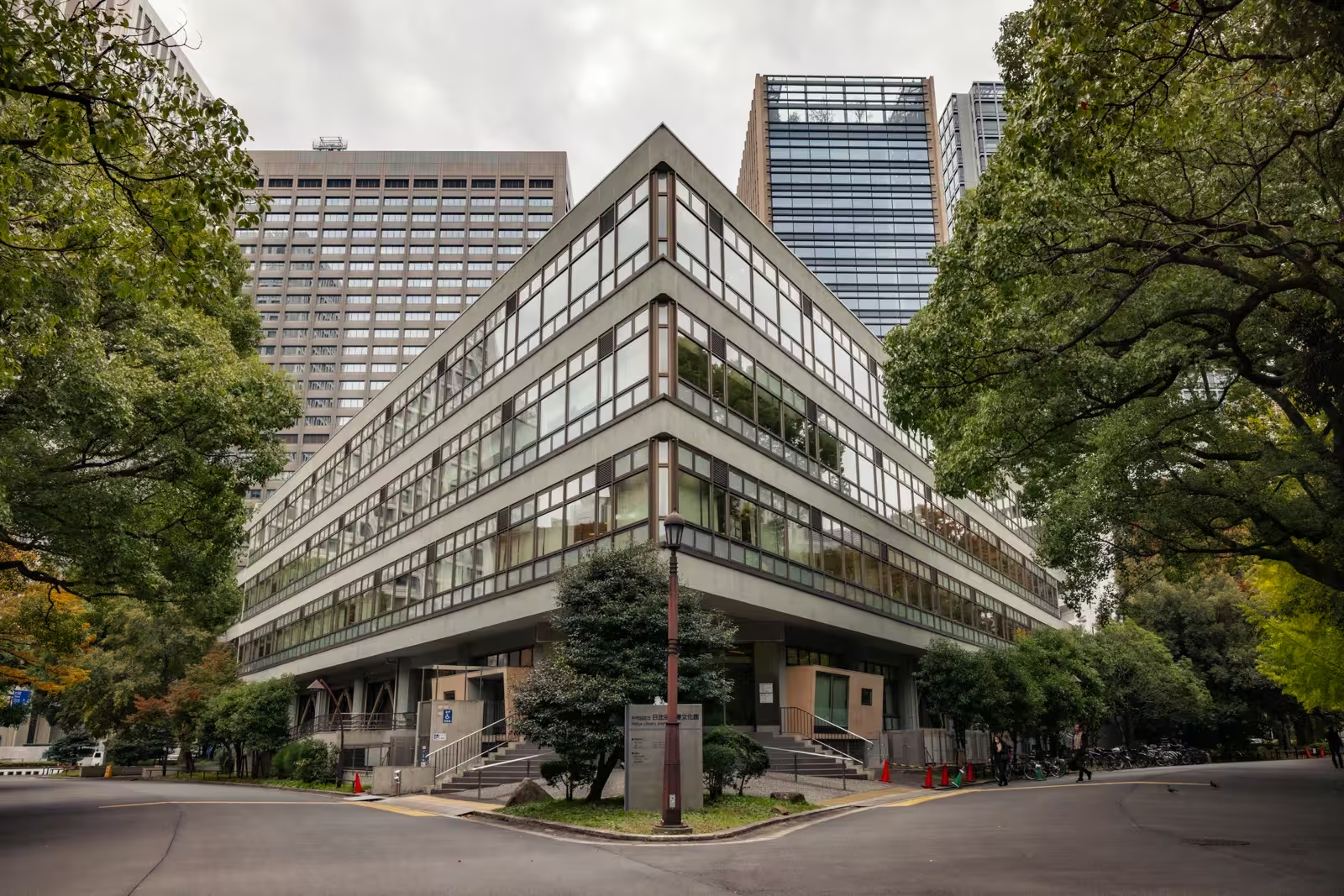
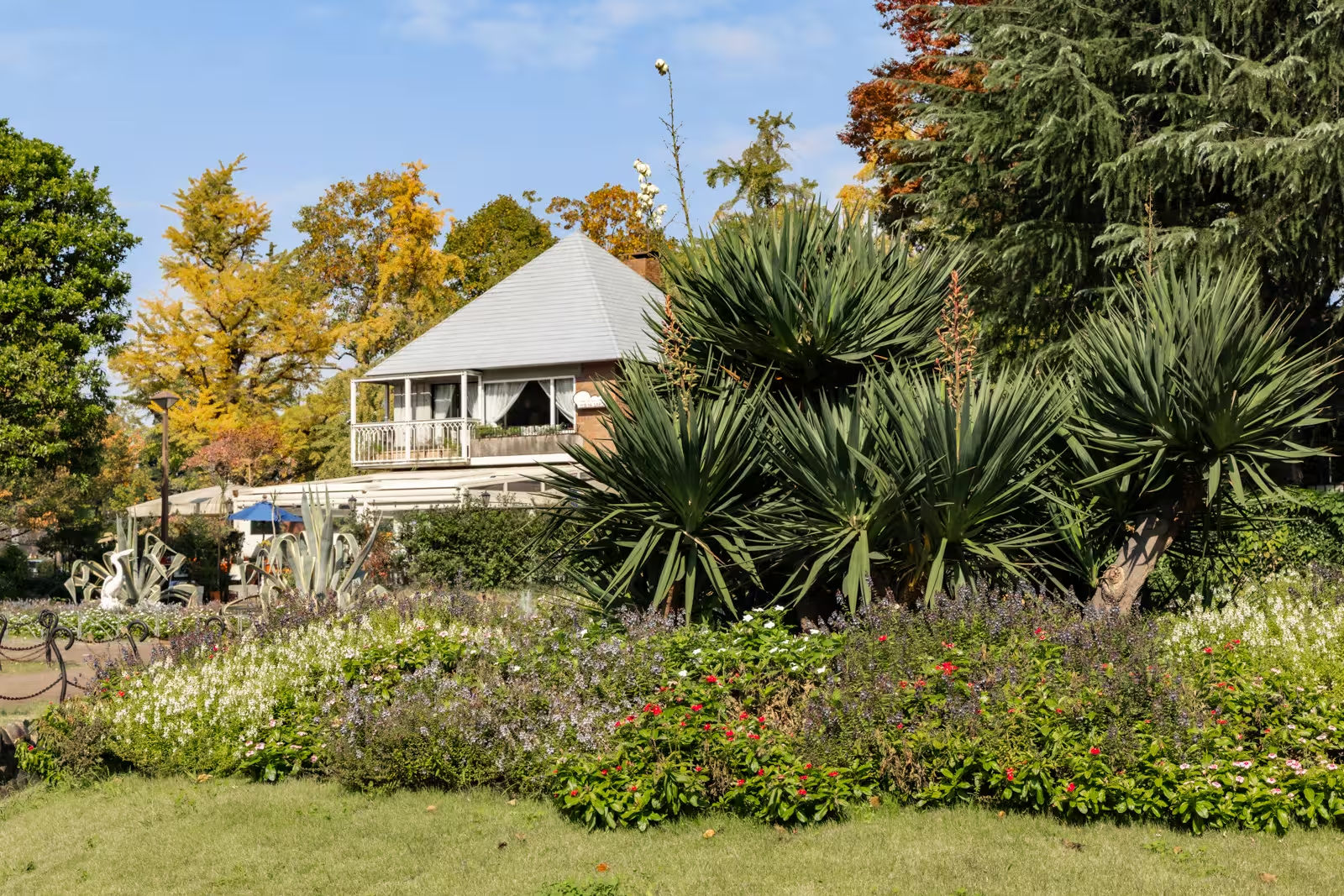
Spanning an impressive 40 acres, Hibiya Park is far more than just a patch of green. Its sprawling grounds are home to a variety of attractions, including meticulously maintained gardens, a public hall, a library, restaurants, tennis courts, and even amphitheaters.
I’m probably forgetting something, but needless to say, it has everything you need to recharge your batteries.
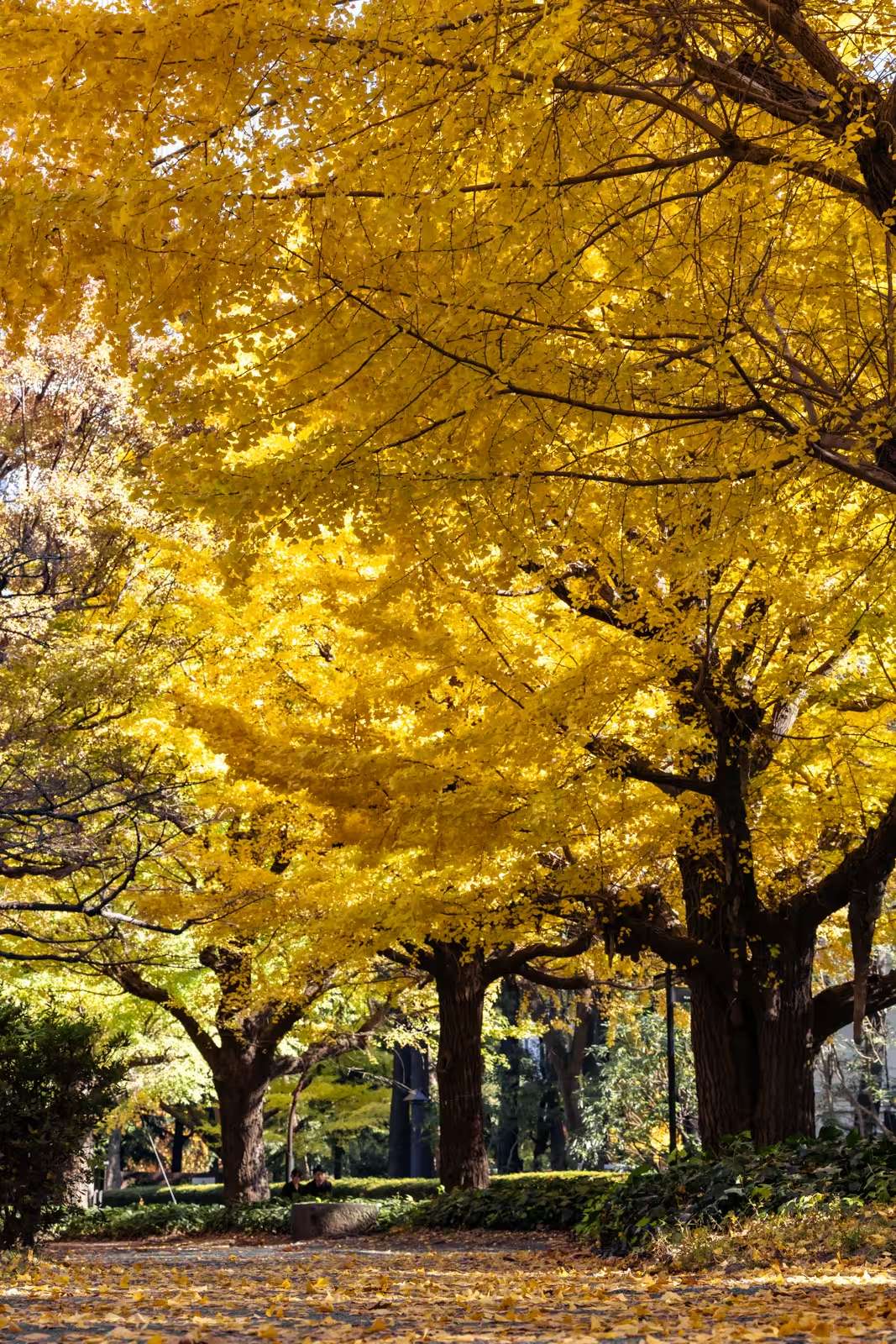
Within the park are many tree-lined paths, which are a particular blessing. They offer a welcome screen from the sights and sounds of the surrounding metropolis. In the summer, they provide a cool, shady respite for the weary traveler.
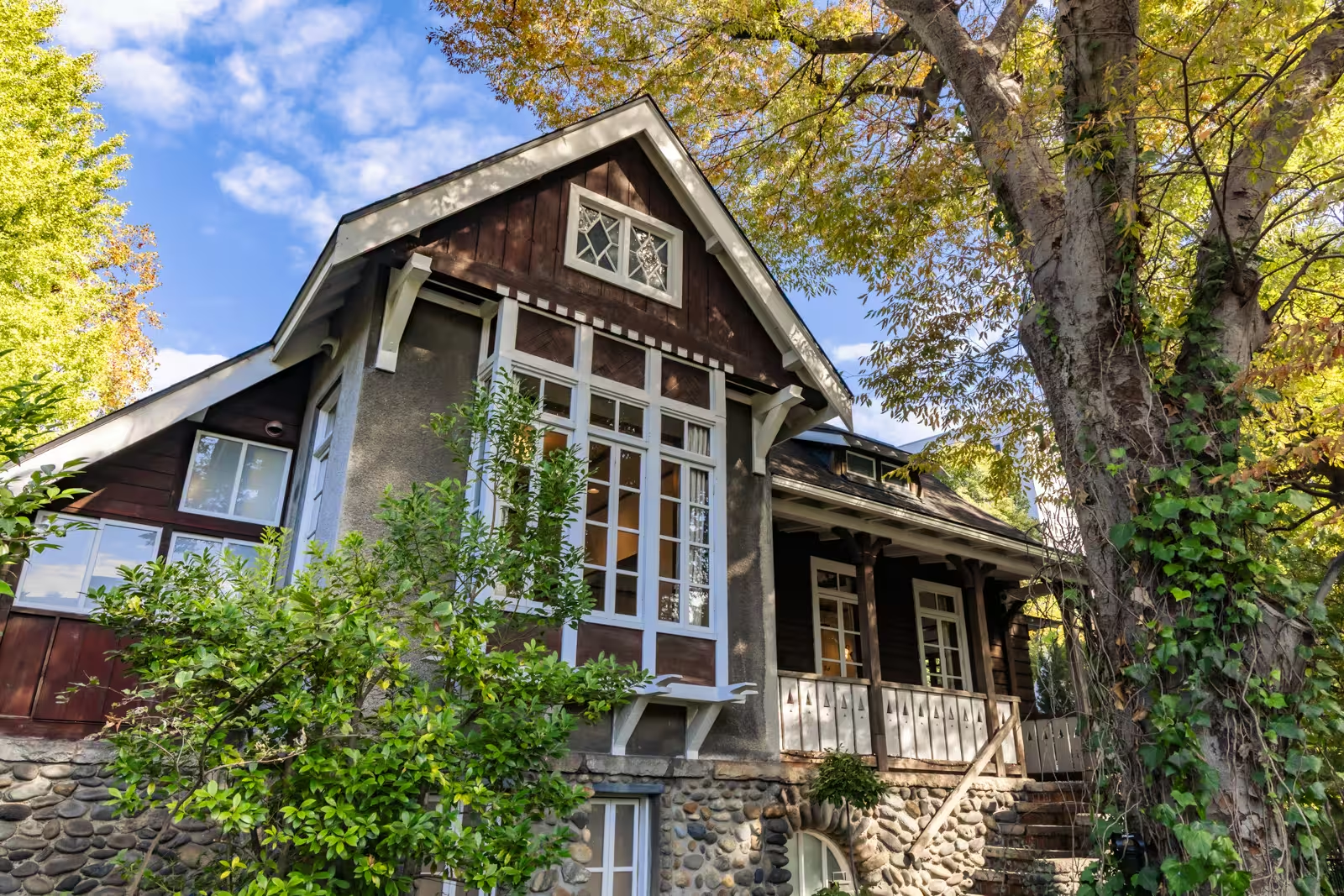
The gardens, which cover a significant portion of the park, are truly fabulous and boast a stunning collection of roses. During the cooler months, when the flowers are in full bloom, you’ll find the benches around them filled with people soaking in the atmosphere. It’s moments like these that make Hibiya Park as a city oasis.
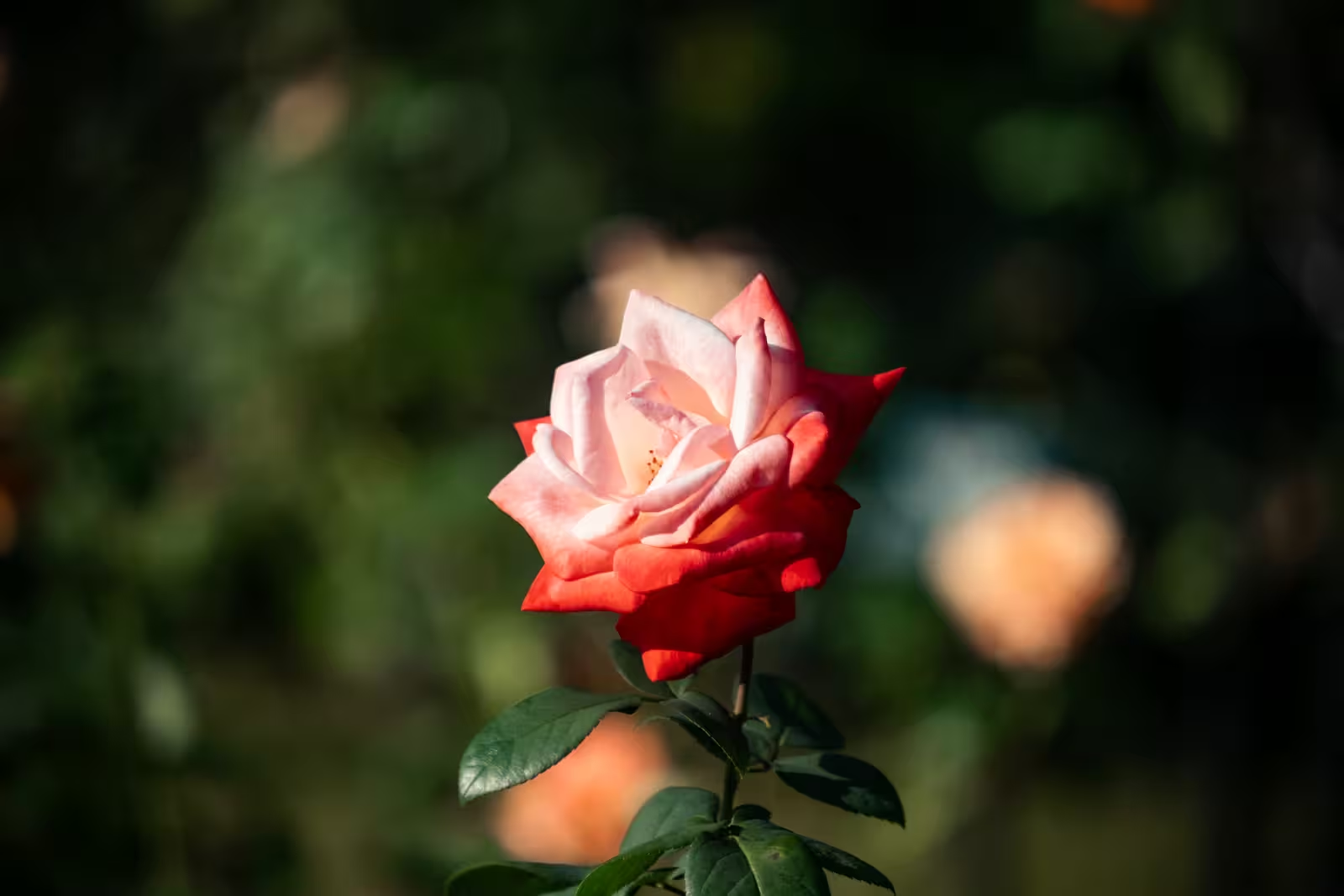
Photography highlights
For those with a camera in hand, Hibiya Park is a treasure trove of photographic opportunities. Flower enthusiasts will be delighted by the seasonal displays of azaleas, cherry blossoms, hydrangeas, magnolias, and tulips. The park is especially renowned for its chrysanthemums, which are celebrated with their own festival in November.
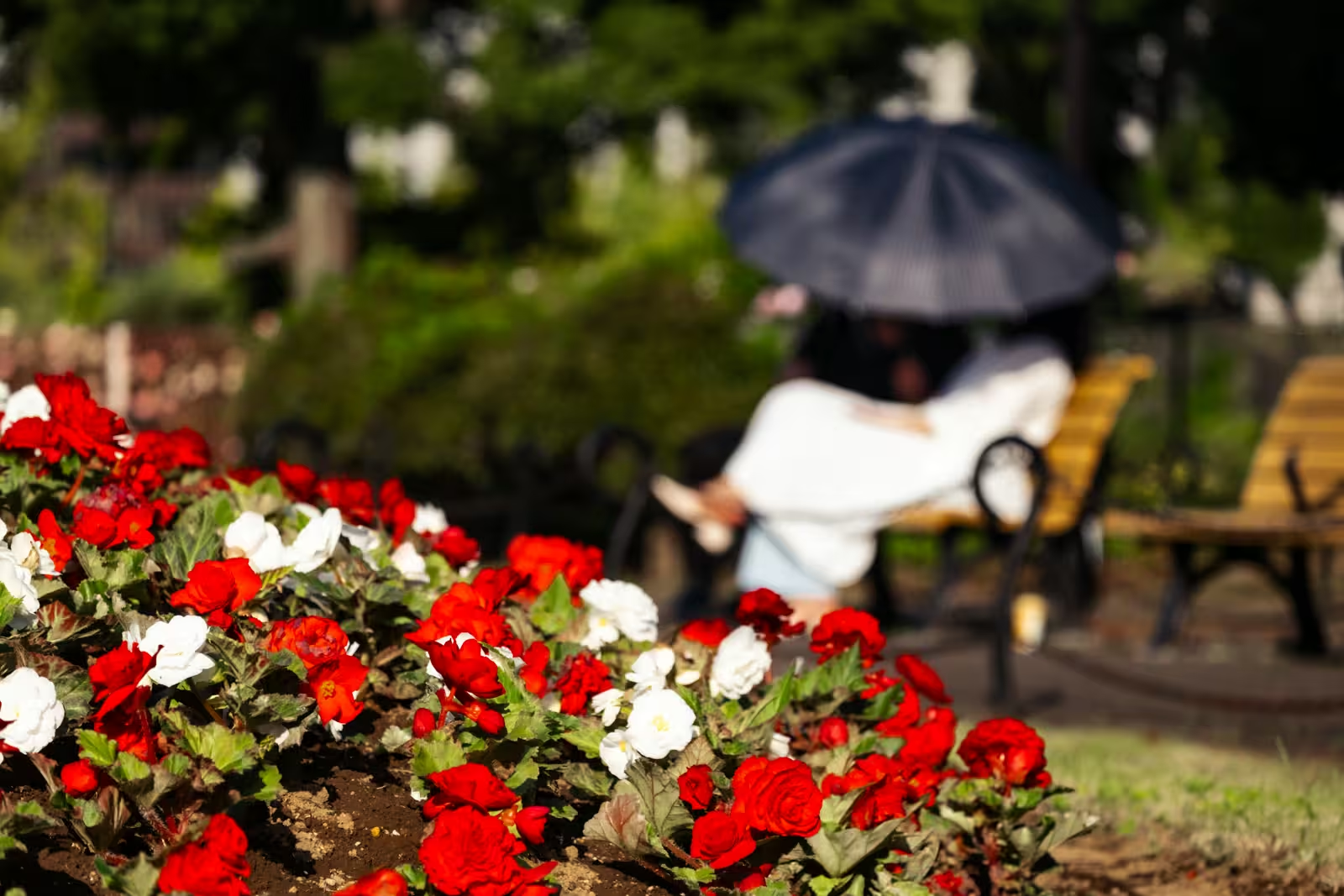
While strolling through the park, you’ll come across various statues and plaques detailing the area’s history. History buffs won’t want to miss the replica of the Liberty Bell, located in the park’s northwest corner.
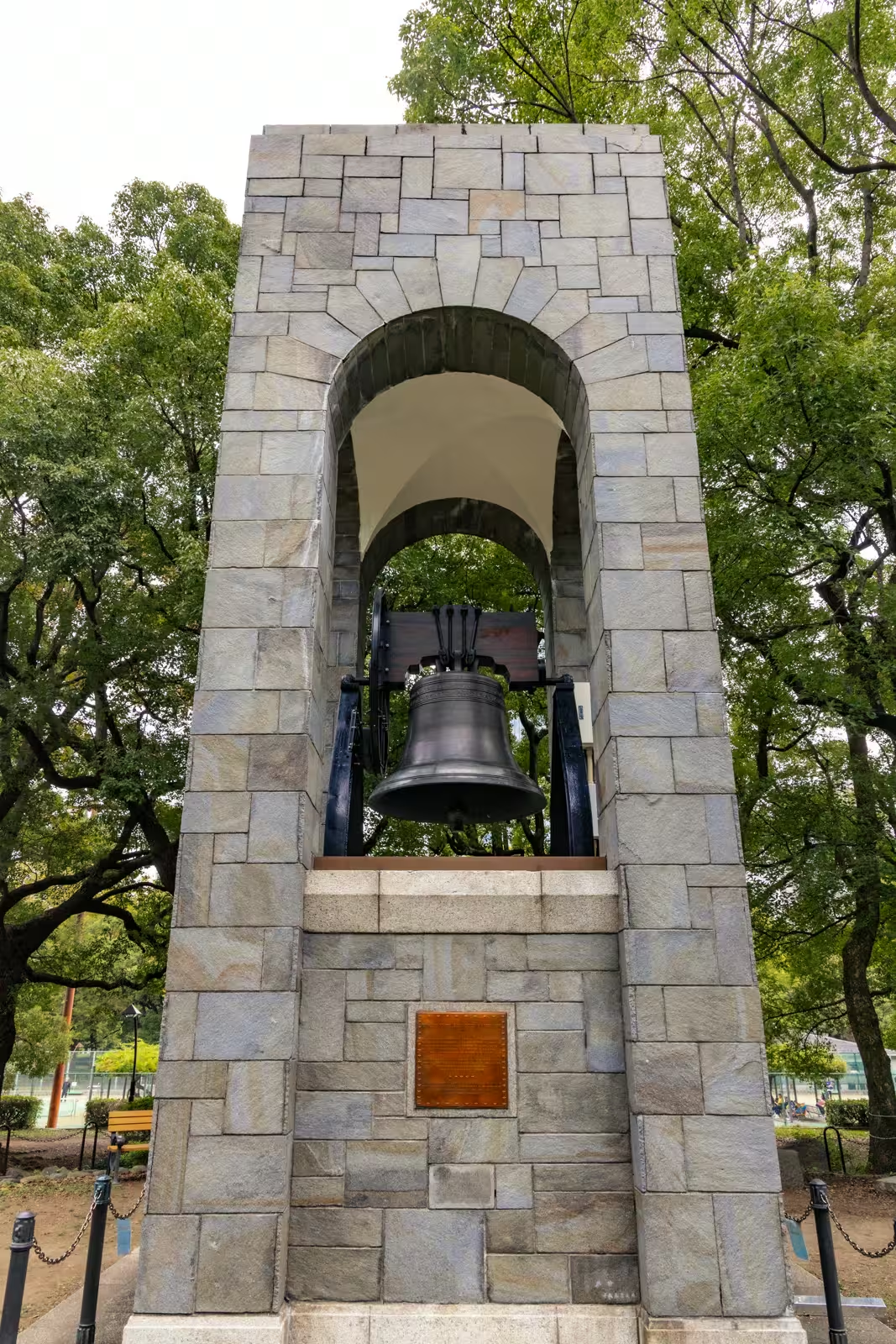
American citizens gifted the bell to Japan in 1952 as a symbol of post-war peace and friendship. The bell and its stone tower offer a unique structural element that contrasts beautifully with the surrounding nature, and it tells a powerful story of reconciliation.
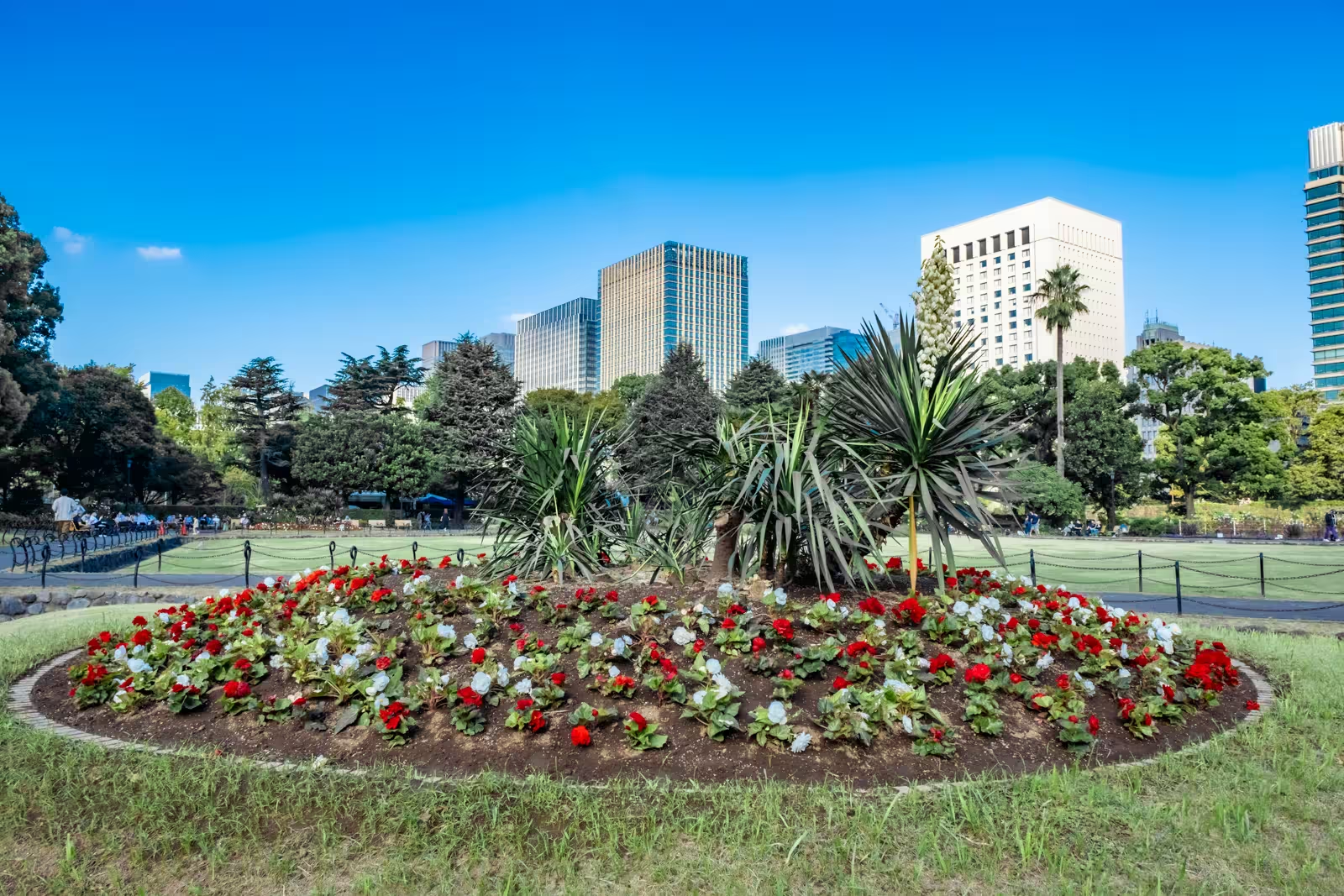
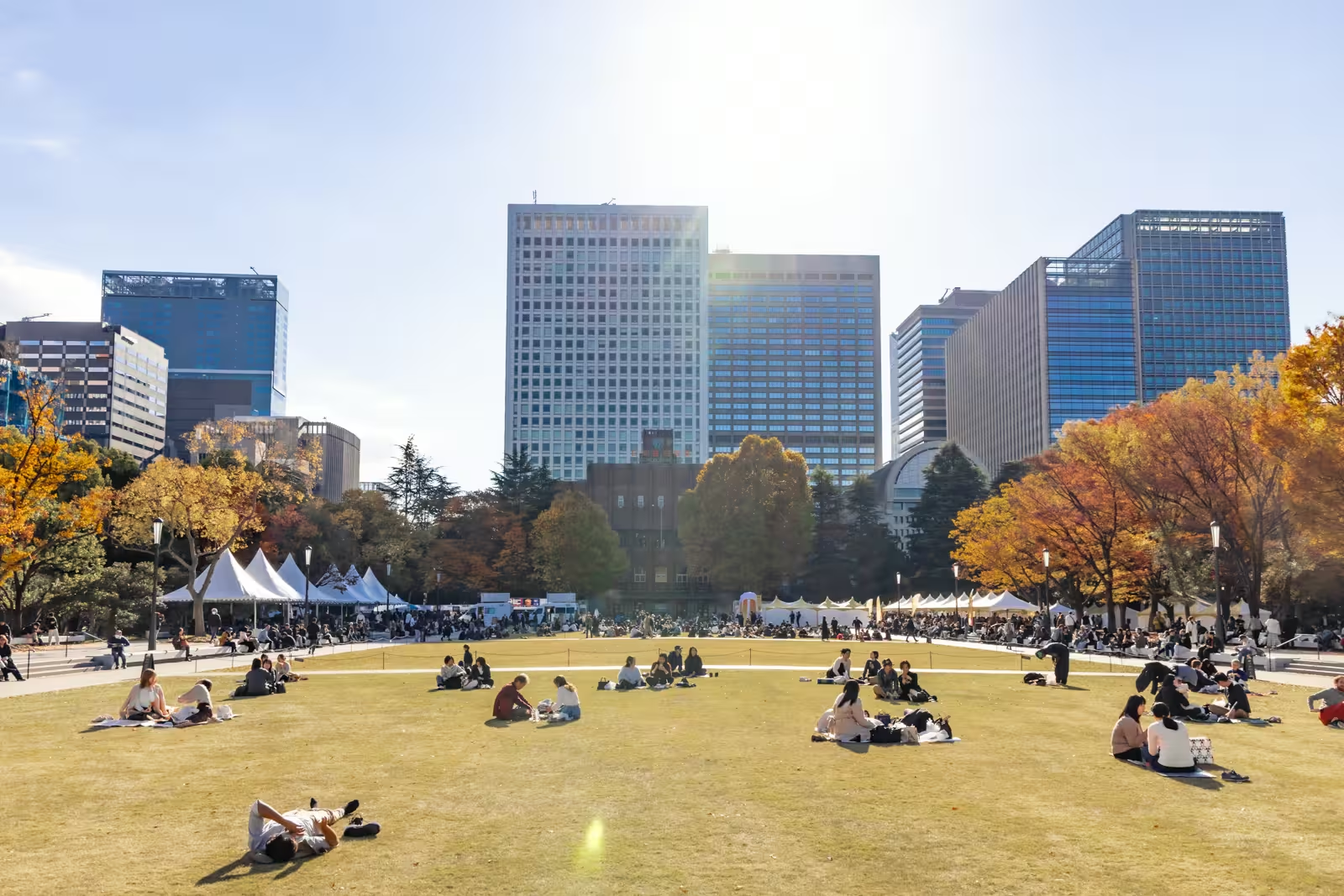
One of the things I love most is the park’s location in the midst of the city. The iconic Imperial Hotel and Tokyo Midtown rise above the treetops. These towering structures provide a fantastic backdrop for your photos. And if you time your visit with the blooming of the roses, you get a special bonus: a beautiful shot of flowers and towers!
Visitor Information
- Location: 1-6 Hibiyakoen, Chiyoda City, Tokyo.
- Closest train stations:
- Kasumigaseki Station on the Tokyo Metro Marunouchi and Chiyoda Lines (Exit B2).
- Hibiya Station on the Tokyo Metro Hibiya, Chiyoda, and Toei Subway Mita Lines (Exits A10 or A14).
- Sakuradamon Station on the Tokyo Metro Yurakucho Line (Exit 5).
- Yurakucho Station on various Metro and JR lines.
- Admission: Free
- Opening hours: The park grounds are open 24 hours a day
- For the most up-to-date information, consult the official Hibiya Park website.
- Here is the park on a Google map:
Best time for photography
To see the famous roses and chrysanthemums together, autumn is the ideal season. However, for a relaxing escape, any time of the year is wonderful.
Chrysanthemum Festival
This is a free autumn festival held at the outdoor exhibition hall ( 日比谷公園陳列場). While the display area isn’t as large as Shinjuku Gyoen’s, the flowers are high quality. Here are articles that cover my visits to the event:
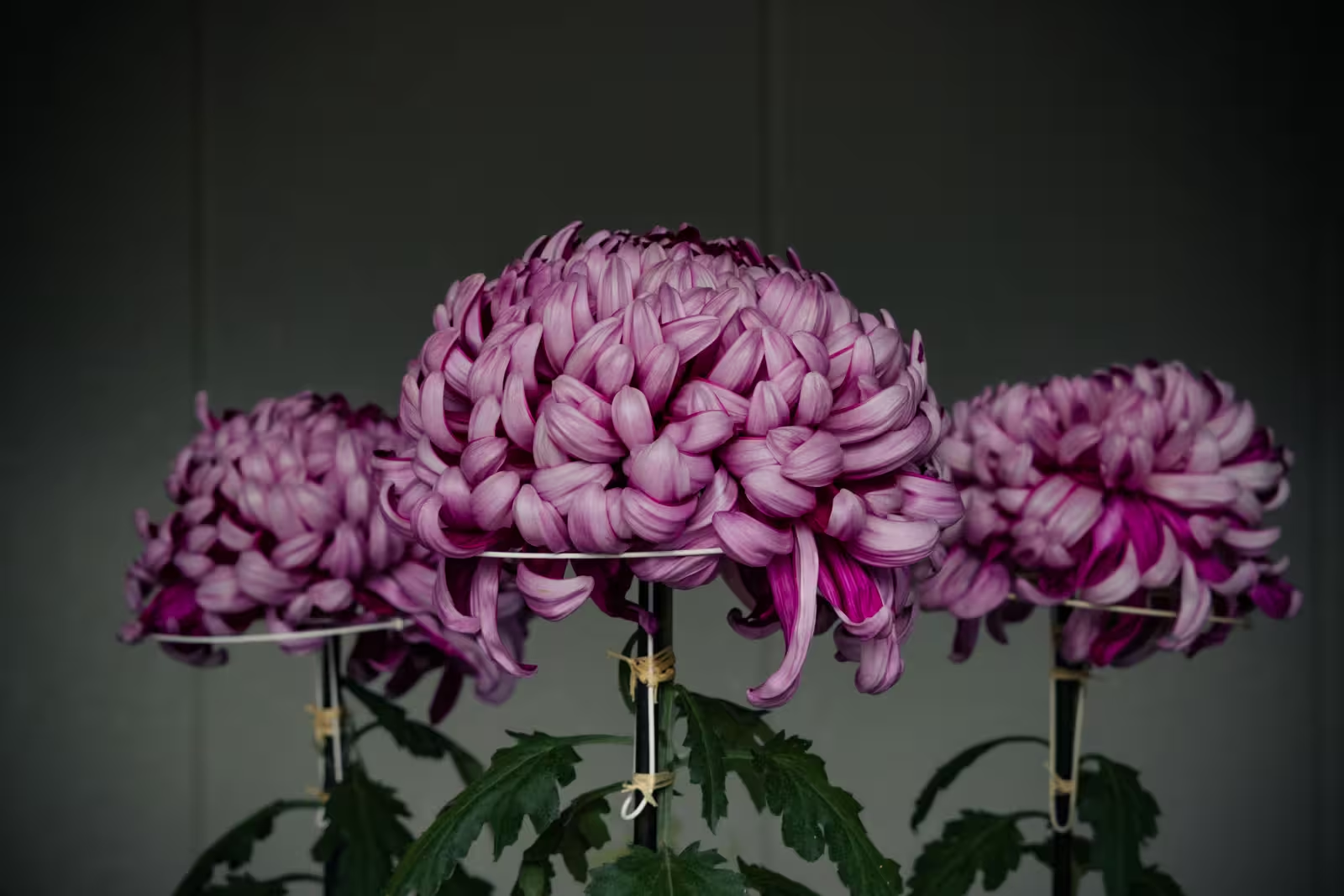
Photo spots near Hibiya Park
- Godzilla Statue at Hibiya Godzilla Square
- Hamarikyu Gardens (where the Shoguns once hunted)
- Imperial Palace (home of Japan’s emperor)
- Tokyo International Forum (a massive exhibition/conference center)
- Zojoji (a temple with Shogunate ties)
History of the park
During the Edo period, the land that is now Hibiya Park was occupied by the estates of the Mōri and Nabeshima clans. In the Meiji period, it was repurposed as a military training ground before officially becoming Japan’s first Western-style public park on June 1, 1903.
History buffs might also know that on September 5, 1905, the park was the epicenter of the Hibiya Riots. These protests erupted in opposition to the terms of the peace treaty that ended the Russo-Japanese War.
A large crowd gathered in the park, and the ensuing turmoil resulted in seventeen deaths and numerous injuries. It was a significant event in Tokyo’s history.
The park faced challenges in the 1940s when many of its trees and fences were repurposed for the war effort, leaving it quite barren. Fortunately, it was restored in the 1960s, which included the addition of a large, iconic fountain.
Should you visit it?
Hibiya Park is a must-visit for anyone who appreciates the beauty of roses and chrysanthemums. Its central Tokyo location also makes it a convenient starting point for exploring other nearby attractions. It certainly gets a high recommendation from me. When you go, don’t forget to bring your camera!