Hatoyama Hall
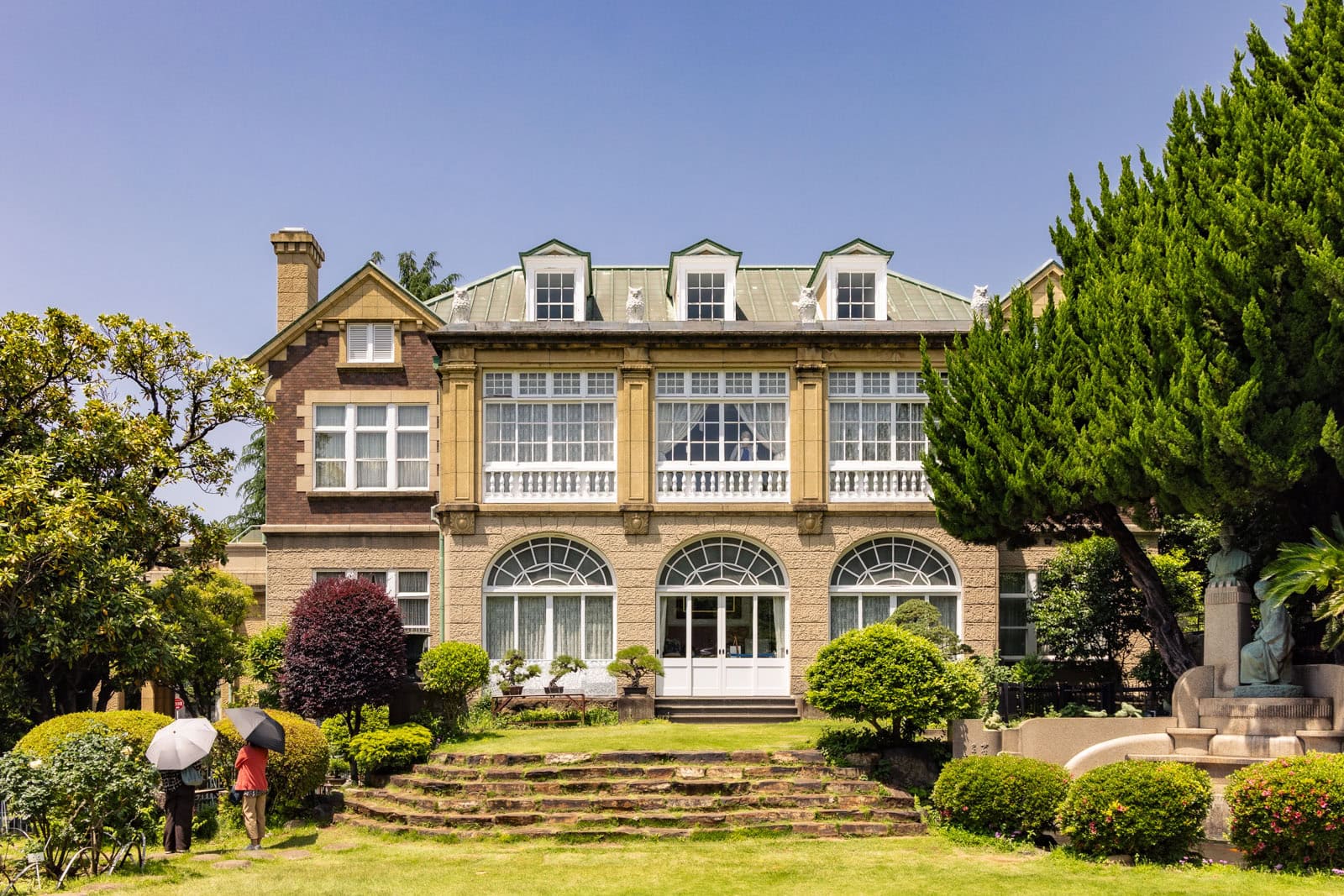
Beyond Tokyo’s neon-lit streets and skyscrapers is a pocket of history and architecture. It is Hatoyama Hall, also known as “Otowa Palace.” This Western-style mansion offers a glimpse into early 20th-century Japan. One of its political families even called it home.
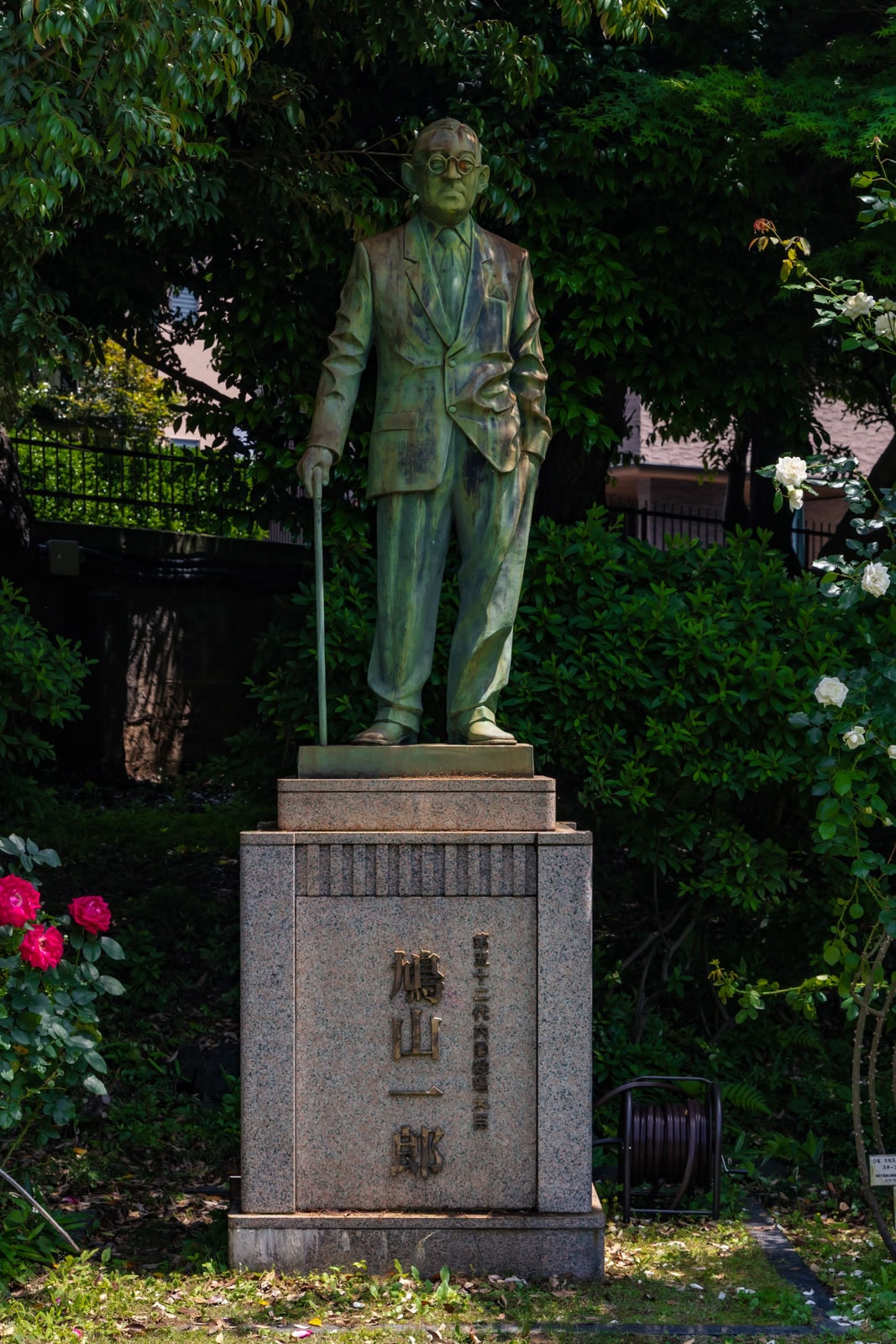
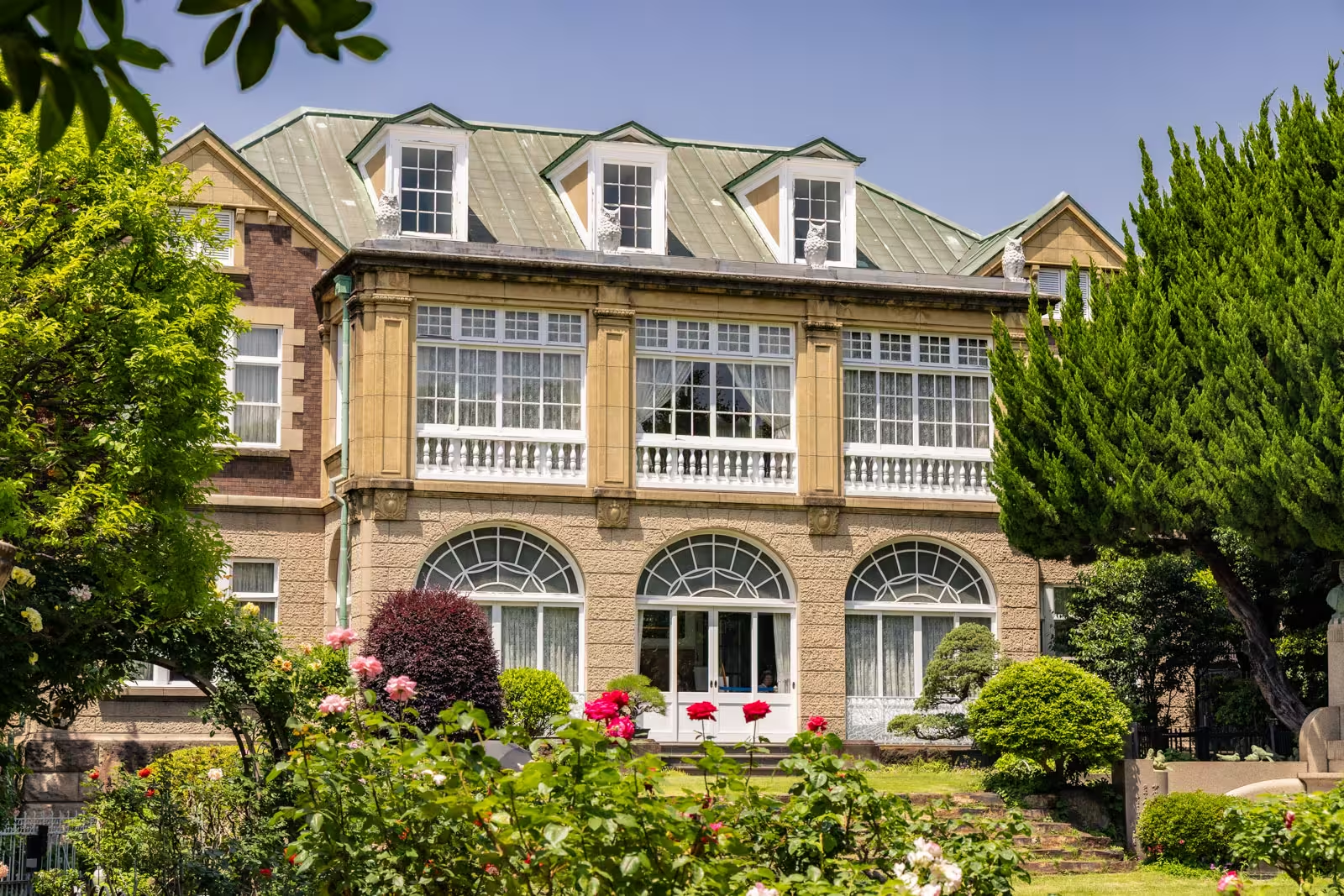
Ichirō Hatoyama, a former Prime Minister of Japan, built Hatoyama Hall in 1924. The building is a remarkable example of early Showa-era Western architecture. Shinichirō Okada, the designer of the Kabuki-za, was the architect.
Hatoyama Hall architecture & rooms
The famous stained-glass pigeons
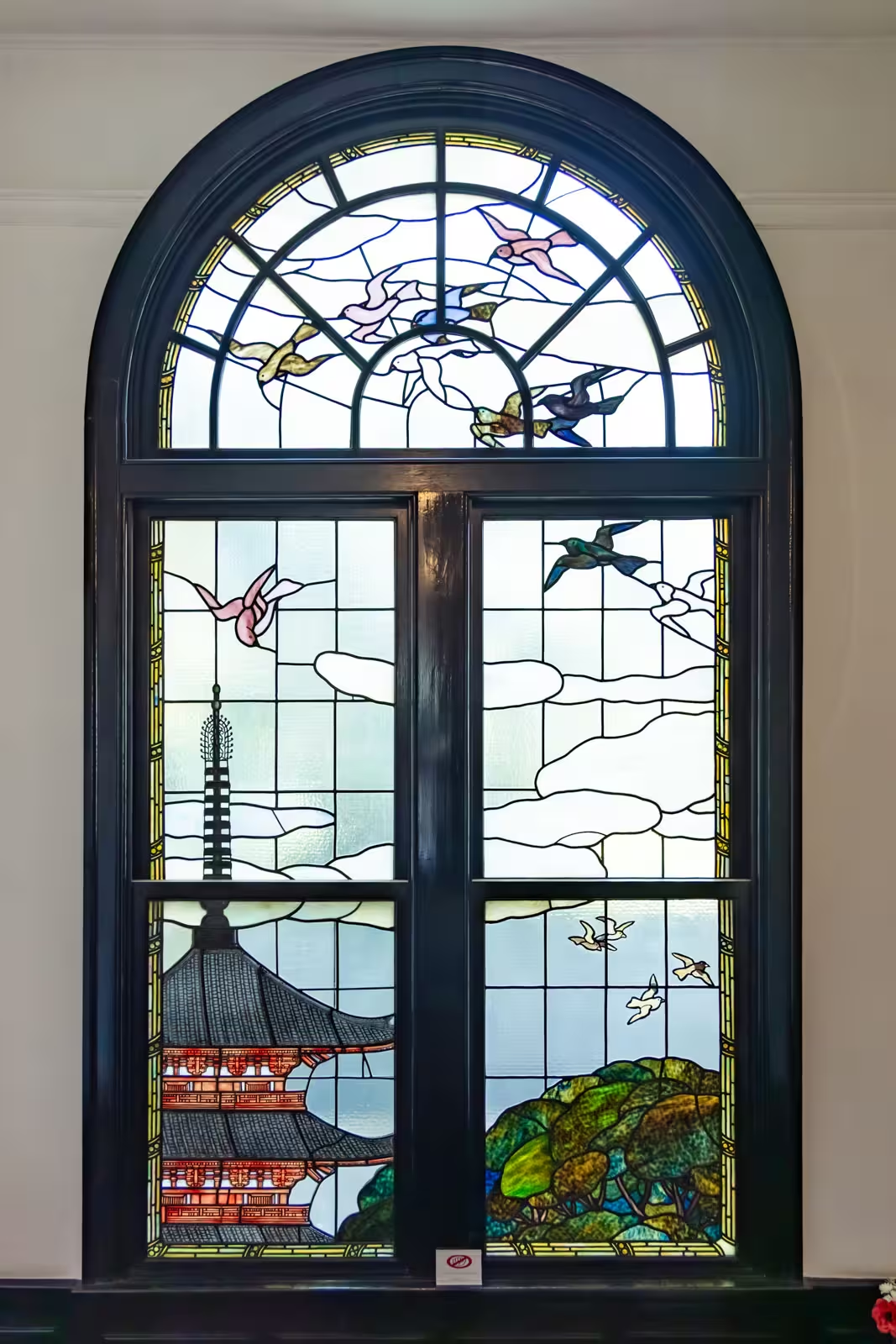
The interior stars are exquisite stained-glass windows. Many feature pigeons that symbolize peace and Hatoyama’s political philosophy of fraternity. The most iconic piece has the birds soaring over a pagoda.
Inside the hall
Wander through the mansion, starting with the reception rooms adorned with elegant chandeliers, where political discussions were held. Imagine the formal dinners and strategic conversations that took place in the dining room, where a vintage television adds a touch of modern history.
The bright sun room offers perfect garden views. Bedrooms provide a personal look into the family’s life.
Each room tells a story. They showcase a blend of Art Deco, baroque, and classical influences. The result reflected the era’s embrace of Western design while retaining Japanese sensibility.
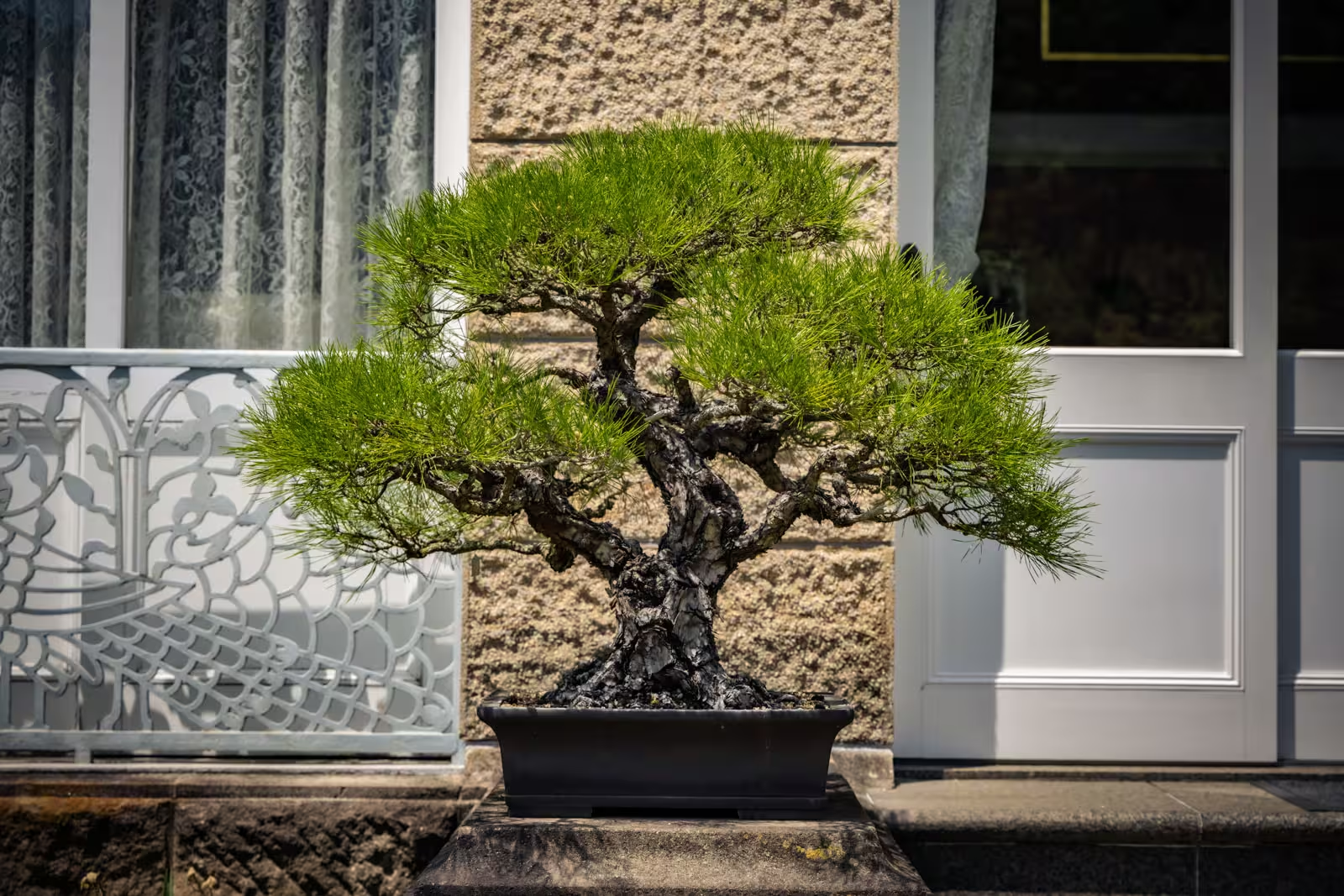
Hatoyama Hall’s gardens
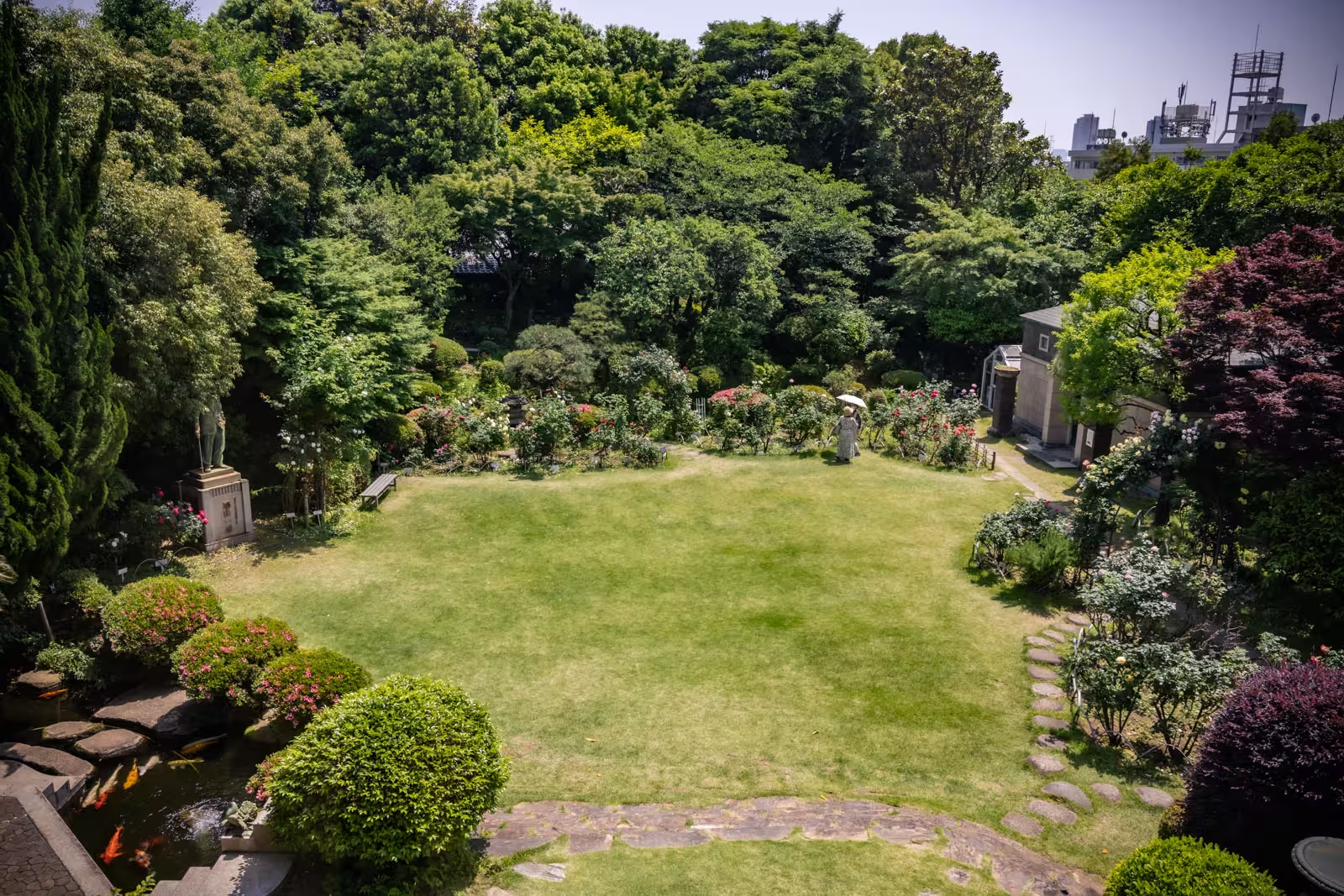
A garden complements the mansion’s grandeur. While not on the level of those at Kyu-Furukawa Gardens or Jindai Botanical Gardens, it provides a peaceful retreat.
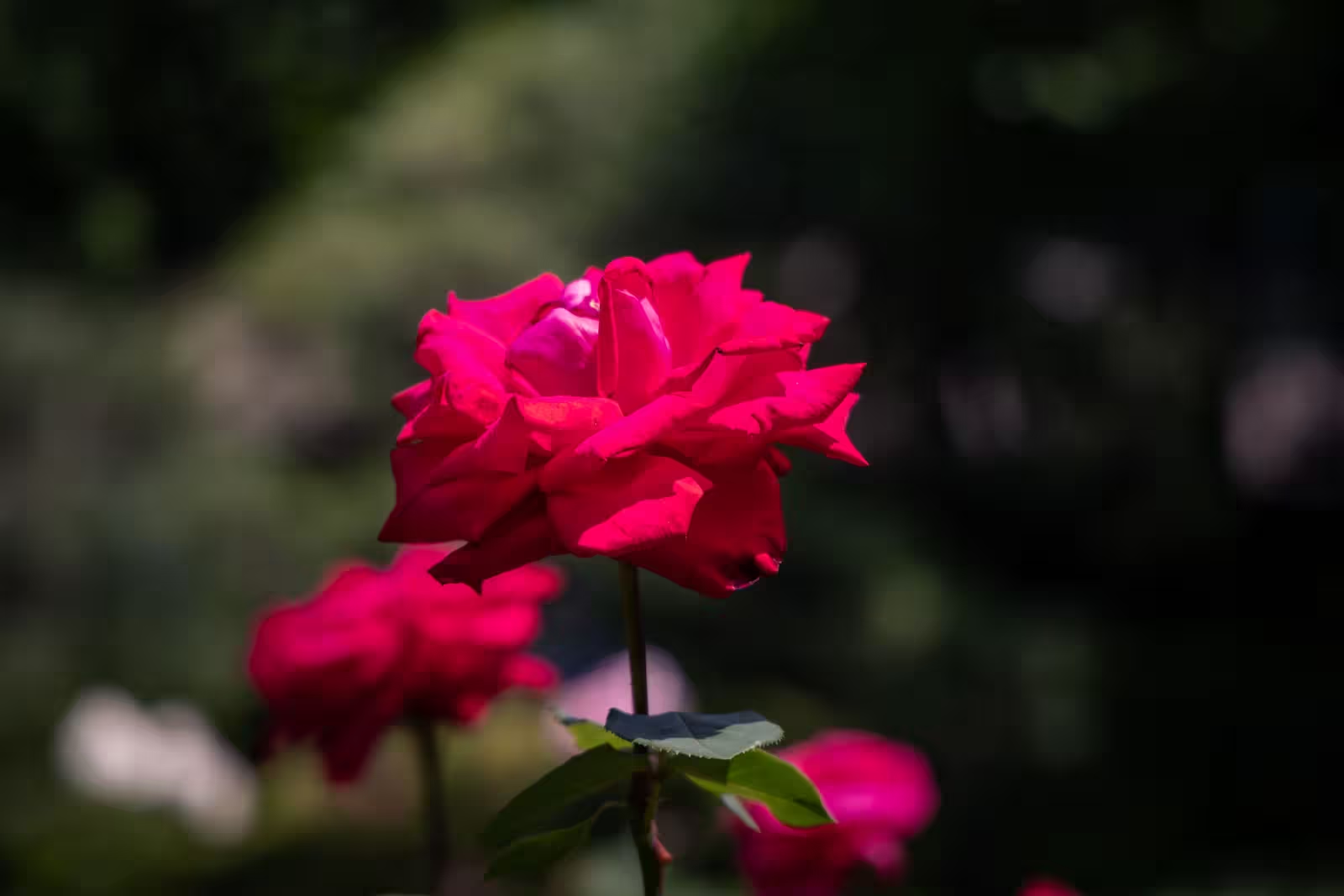
When the flowers bloom, the grounds burst into a riot of color and fragrance. That happens twice a year, May-June and October-November.
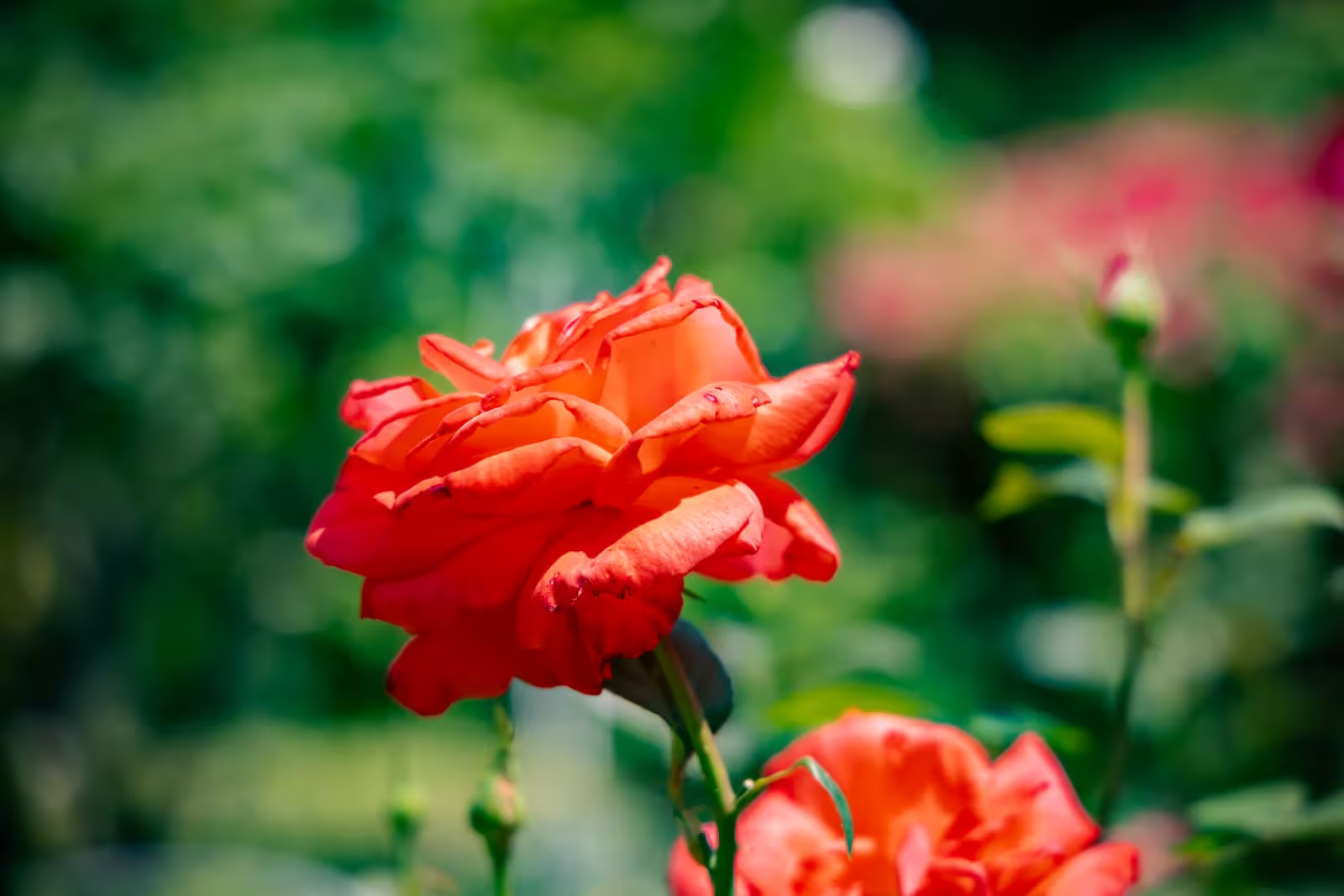
Outside the rose season, the manicured lawns, trees, and seasonal flowers offer a backdrop for the historic building. Statues add another layer to the Hatoyama family history. They occupy prominent positions in the garden.
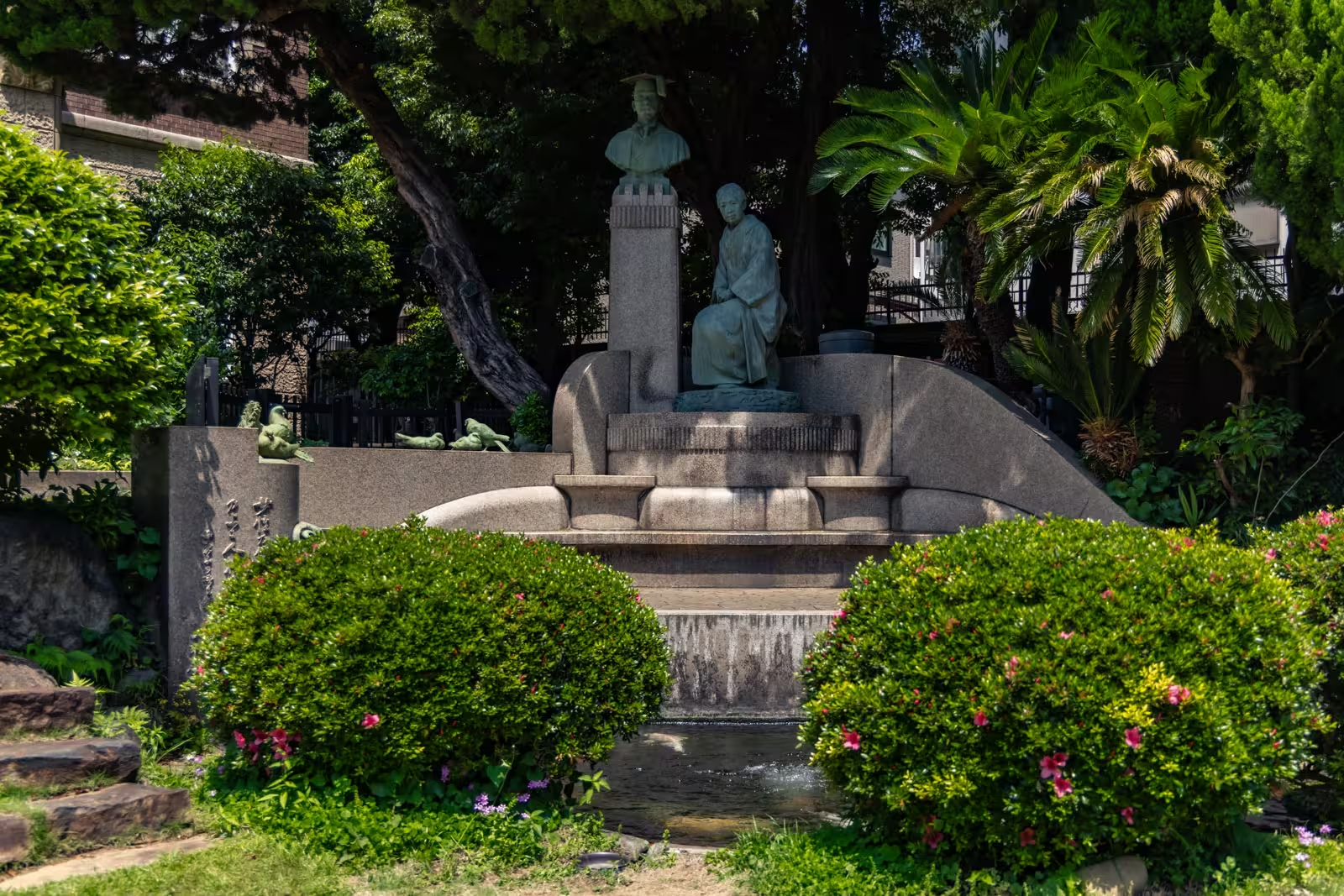
The Hatoyama family political legacy
Hatoyama Hall isn’t just a pretty building; it’s steeped in political history. Ichirō Hatoyama played a significant role in post-war Japanese politics. He served as Prime Minister from 1954 to 1956.
His grandson, Yukio, also served in the highest position. The house is a testament to their legacy and the changing tides of Japanese democracy.
Visitor information
- Address: 1 Chome-7-1 Otowa, Bunkyo City, Tokyo
- Closest train station: Edogawabashi and Gokokuji Stations are close. Both are on the Tokyo Metro Yurakucho Line and about a ten-minute walk.
- Opening hours:
- 10:00 a.m. to 4:00 p.m. (last admission 3:30 p.m.).
- Closed on Mondays (or the following Tuesday, if Monday is a public holiday). Check the official website for any changes.
- Entry fee: ¥800 for adults.
- For more information, consult the official Hatoyama Hall website.
- Here is the house on Google Maps:
Visitor tips & photography rules
- Allowed inside without flash.
- Not permitted in the library and the tatami room.
- Photos not allowed signs are in many places, which is problematic.
- The path to the house from the road is long and steep. Luckily, a rest area complete with an ashtray is halfway up.
- Take off your shoes to enter the tatami room on the second floor. This is only written in Japanese at the entrance.
- Time to Allow: It should take less than 1 hour to explore the house and gardens comfortably. But if you take photos, plan accordingly.
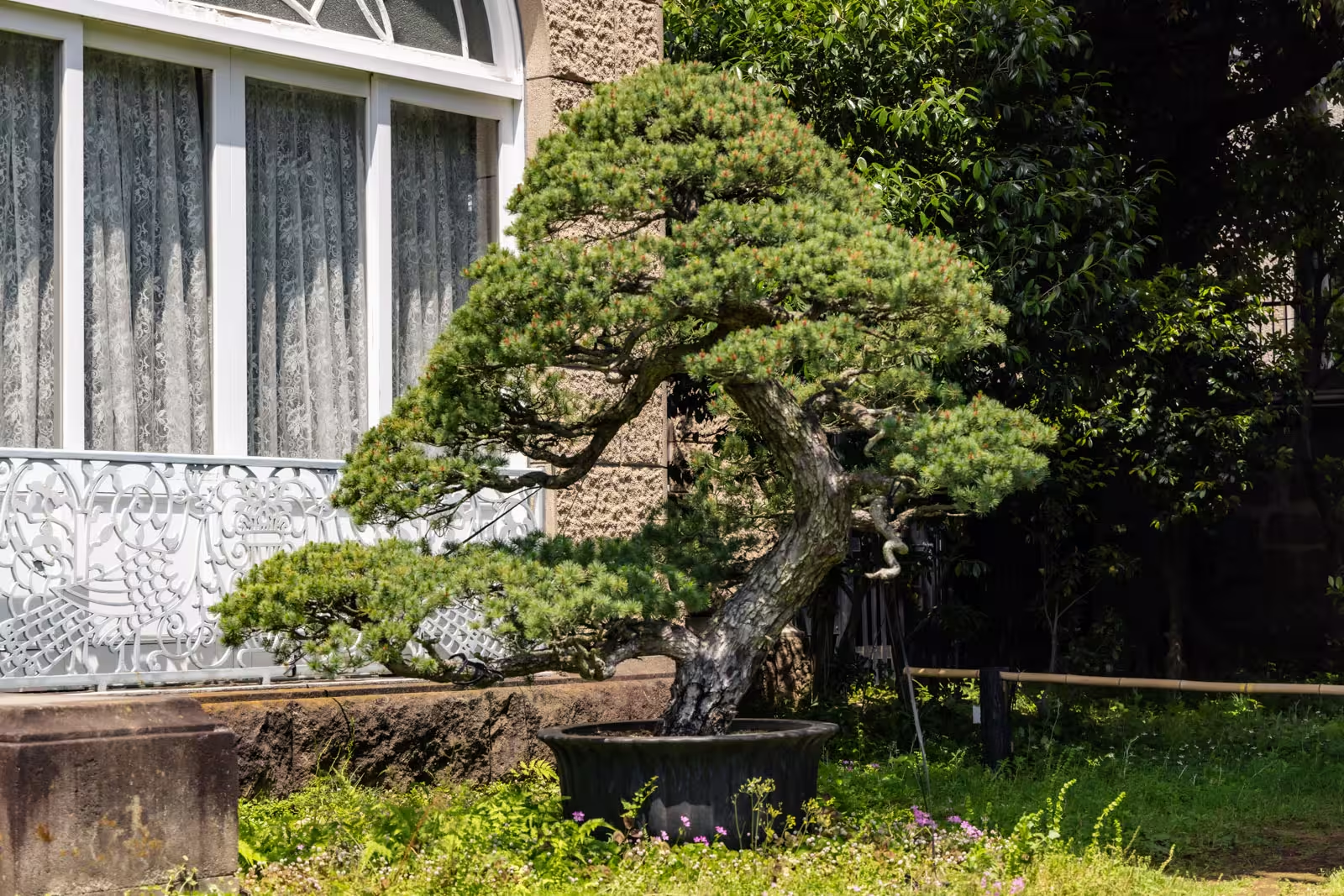
Photo spots near the hall
- Gokokuji Temple
- Higo Hosokawa Gardens (from the Edo period)
- Hotel Chinzanso and the Sea of Cloud
- St. Mary’s Cathedral (designed by Kenzo Tange)
Is Hatoyama Hall worth visiting?
Hatoyama Hall appeals to history buffs, architecture enthusiasts, and those seeking something unique. This serene, beautiful, and thought-provoking destination offers a different perspective on Japan’s rich past.
Have you discovered any hidden gems like Hatoyama Hall in your travels? Share your thoughts and experiences in the comments below! For this article, we have a challenge for you. Remember those stained glass windows with the pigeons? What’s the Japanese word for those birds? Tell us the answer.